Direct Answer: Is a Sawzall a Reciprocating Saw?
Yes, a Sawzall is a reciprocating saw. The key distinction is that “Sawzall” is a trademarked brand name owned by Milwaukee Tool, while “reciprocating saw” is the generic term for the entire category of power tools. In everyday conversation, the terms are used interchangeably, but understanding this brand-versus-generic distinction helps clarify product selection and prevents confusion when shopping for tools.
What Is a Reciprocating Saw?
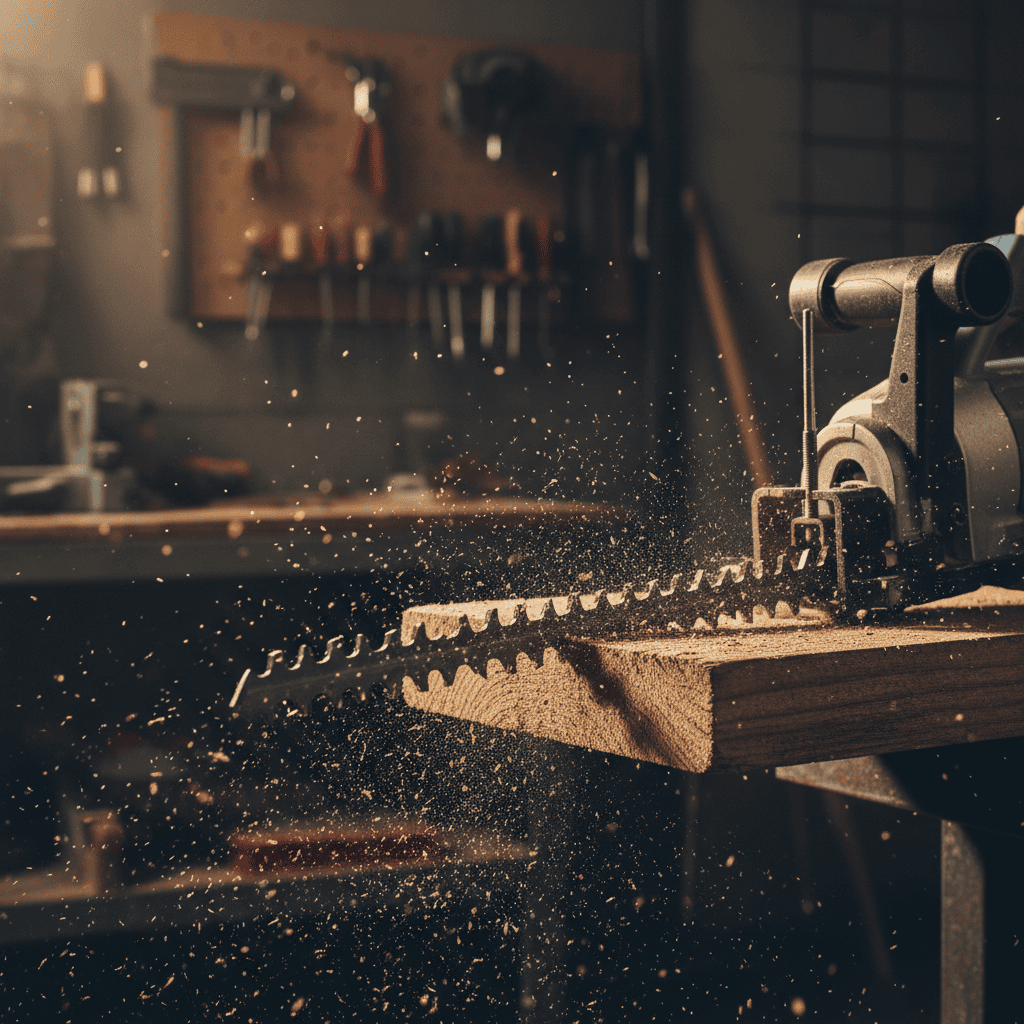
A reciprocating saw is a handheld power tool that cuts through materials using a back-and-forth (reciprocating) motion. The tool features a blade that moves rapidly in a linear direction, typically between 2,400 and 3,000 strokes per minute, allowing it to cut through wood, metal, plastic, and other materials with precision and speed.
How Reciprocating Saws Work Mechanically
Reciprocating saws operate using a simple but effective mechanism:
- Motor-driven piston: An electric motor powers a piston that drives the blade back and forth
- Blade attachment: Interchangeable blades lock into a chuck at the front of the tool
- Stroke length: Most reciprocating saws have a stroke length between 0.75 and 1.125 inches, determining how far the blade travels with each motion
- Power source: Available in both corded (AC-powered) and cordless (battery-powered) models
Primary Uses for Reciprocating Saws
Reciprocating saws are versatile tools used across multiple industries and applications:
- Demolition work: Cutting through walls, drywall, wood framing, and structural materials during renovation or deconstruction
- Plumbing: Cutting pipes and accessing tight spaces for pipe installation and repair
- Electrical work: Cutting through studs and materials to run electrical conduit and wiring
- Construction: General cutting tasks on job sites, including trimming and fitting materials
- Tree trimming: Cutting branches and small logs with appropriate blades
- Metal cutting: Cutting metal studs, conduit, and sheet metal with specialized metal-cutting blades
What Is a Sawzall?
Sawzall is the brand name for a line of reciprocating saws manufactured by Milwaukee Tool, a Wisconsin-based power tool company. Milwaukee Tool introduced the Sawzall brand, and it became so popular and widely recognized that many people use “Sawzall” as a generic term for any reciprocating saw, similar to how some people say “Kleenex” for any tissue or “Band-Aid” for any adhesive bandage.
Why Sawzall Became Synonymous with Reciprocating Saws
Several factors contributed to Sawzall becoming the dominant brand name in the reciprocating saw market:
- Early market dominance: Milwaukee Tool established a strong reputation for quality and durability in the professional tool market
- Professional preference: Construction workers and contractors widely adopted Sawzall tools, making them the industry standard
- Brand recognition: Decades of marketing and consistent product performance created strong brand loyalty
- Genericization: Over time, “Sawzall” entered common vocabulary as a catch-all term for reciprocating saws, even when referring to competitor products
Brand Name vs. Generic Term: Key Differences
Understanding the Trademark Distinction
“Sawzall” is a registered trademark of Milwaukee Tool. This means that legally, only Milwaukee Tool can use the Sawzall name for their products. However, in casual conversation and even in some retail settings, the term is used generically to refer to any reciprocating saw, regardless of manufacturer. This is a common phenomenon in consumer language where successful brand names become genericized.
Multiple Manufacturers Produce Reciprocating Saws
While Sawzall is the most recognized brand, numerous manufacturers produce reciprocating saws:
- DeWalt: Offers a wide range of reciprocating saws in both corded and cordless models
- Makita: Produces professional-grade reciprocating saws known for durability
- Bosch: Manufactures reciprocating saws for both DIY and professional markets
- Festool: Specializes in high-end reciprocating saws with advanced features
- Ryobi: Provides budget-friendly reciprocating saw options for homeowners
- Hitachi (now Metabo HPT): Offers reciprocating saws across multiple price points
- Craftsman: Produces reciprocating saws available through major retailers
Why the Distinction Matters
Understanding that Sawzall is a brand name rather than a generic term is important for several reasons: To compare alternative configurations, check our hands-on review of marshall stanmore iii vs harman kardon onyx studio 8.
- Product identification: Knowing the actual brand helps you research specifications, reviews, and warranty information
- Compatibility: Different brands use different blade attachment systems, so knowing the specific brand ensures you purchase compatible accessories
- Warranty and support: Each manufacturer offers different warranty terms and customer support options
- Parts availability: Recognizing the brand helps you locate replacement parts and accessories specific to your tool
Common Uses for Reciprocating Saws (Including Sawzalls)
Materials Reciprocating Saws Can Cut
One reason reciprocating saws are so popular is their ability to cut through diverse materials when equipped with the appropriate blade:
| Material | Blade Type | Common Applications |
|---|---|---|
| Wood | Wood-cutting blades (10-12 TPI) | Framing, demolition, general construction |
| Metal | Metal-cutting blades (18-24 TPI) | Cutting pipes, conduit, metal studs |
| Plastic | Fine-tooth blades | PVC pipe, plastic materials |
| Drywall | Drywall or carbide blades | Wall openings, renovation work |
| Masonry/Concrete | Carbide or diamond blades | Concrete cutting, tile removal |
| Ceramic/Tile | Carbide or diamond blades | Tile removal, backsplash work |
Demolition and Renovation Applications
Reciprocating saws are particularly valuable in demolition work because they can quickly cut through multiple materials in confined spaces. Contractors use them to remove walls, cut through framing, separate materials during deconstruction, and access hidden pipes and wiring. The tool’s ability to reach into tight corners and narrow spaces makes it indispensable for renovation projects. Users looking for related component recommendations can explore our dyson v8 cyclone vs bissell featherweight stick breakdown.
Professional Trade Applications
Beyond demolition, reciprocating saws serve essential functions in plumbing, electrical, and HVAC trades. Plumbers use them to cut through studs and joists to run pipes, electricians use them to create pathways for conduit, and HVAC technicians use them to cut ductwork and access points. The tool’s versatility makes it a standard item in most professional tool kits.
Corded vs. Cordless Reciprocating Saws
Corded Reciprocating Saws
Corded models plug directly into electrical outlets and offer several advantages: Before finalizing equipment decisions, refer to our comprehensive bissell crosswave hydrosteam vs shark stainforce comparison.
- Consistent power: No battery drain means sustained cutting power throughout extended use
- Lower cost: Generally less expensive than cordless models
- No charging time: Ready to use immediately
- Lighter weight: Without battery packs, corded models are typically lighter
The primary limitation is the need for a nearby electrical outlet and the constraint of a power cord.
Cordless Reciprocating Saws
Cordless models use rechargeable lithium-ion batteries and provide different benefits:
- Mobility: No cord means complete freedom of movement on job sites
- Convenience: Ideal for work in locations without readily available power
- Modern technology: Newer battery systems provide extended runtime and faster charging
- Less tangling: No cord management required
Cordless models typically cost more upfront and require battery management, but many professionals prefer them for the flexibility and ease of use.
Key Specifications to Understand
Stroke Length and Cutting Capacity
Stroke length refers to how far the blade travels with each reciprocating motion. Longer stroke lengths (typically 1 to 1.125 inches) remove material faster but may be less precise, while shorter strokes provide better control. Most professional reciprocating saws feature stroke lengths between 0.75 and 1.125 inches.
Cutting capacity varies by model and is influenced by stroke length, motor power, and blade type. Specifications typically indicate maximum cutting depths for wood, metal, and other materials.
Motor Power and Amperage
For corded models, amperage (typically 8-15 amps) indicates motor power. Higher amperage generally means more cutting power and faster material removal. Cordless models use voltage ratings (typically 18V to 60V) to indicate power, with higher voltages providing more cutting force.
Blade Attachment Systems
Different manufacturers use different blade attachment mechanisms. Common systems include:
- Universal/keyless chucks: Accept blades from multiple manufacturers
- Proprietary quick-change systems: Designed specifically for that brand’s blades
- Tool-free systems: Allow blade changes without additional tools
Understanding your tool’s attachment system is essential for purchasing compatible blades and accessories.
How to Choose a Reciprocating Saw
Assess Your Primary Use
Consider whether you need the tool for occasional homeowner projects or frequent professional work. Professional-grade tools typically offer more power, durability, and features but cost more. Homeowner-grade tools are often adequate for occasional use and cost less.
Evaluate Power Source Needs
Decide between corded and cordless based on your typical work environment. For stationary work with nearby power, corded models offer consistent power and lower cost. For mobile work or outdoor projects, cordless models provide superior convenience despite higher upfront cost.
Consider Comfort and Control
Weight, vibration, and grip design affect user fatigue during extended use. Lighter tools reduce fatigue, and models with vibration-dampening technology provide better control and comfort. If possible, handle different models to assess comfort.
Check Blade Compatibility
Verify that replacement blades are readily available and reasonably priced. Some brands use proprietary systems that limit blade options, while others accept universal blades. Wide blade availability ensures you can find the right blade for any cutting task.
Review Warranty and Support
Compare warranty terms across brands. Professional-grade tools typically offer longer warranties (3-5 years) than homeowner models (1-3 years). Consider the manufacturer’s reputation for customer support and parts availability.
Everything You Need to Know: Is A Sawzall A Reciprocating Saw FAQ
Is Sawzall the same as a reciprocating saw?
Yes, a Sawzall is a type of reciprocating saw. Sawzall is the brand name made by Milwaukee Tool, while reciprocating saw is the generic term for the tool category. The terms are often used interchangeably, but Sawzall specifically refers to Milwaukee’s brand.
Can I use any blade in a Sawzall?
Not all blades fit all reciprocating saws. Different manufacturers use different blade attachment systems. While some Sawzall models accept universal blades, others use Milwaukee’s proprietary quick-change system. Always verify blade compatibility with your specific model before purchasing.
Are cordless reciprocating saws as powerful as corded models?
Modern cordless reciprocating saws have become nearly as powerful as corded models, especially high-voltage models (40V and above). However, corded models typically maintain consistent power throughout extended use, while cordless power diminishes as batteries drain. For professional daily use, corded models may still offer an advantage, but cordless technology has narrowed the gap significantly.
What’s the difference between stroke length and cutting capacity?
Stroke length is the distance the blade travels with each back-and-forth motion, typically measured in inches. Cutting capacity refers to the maximum thickness of material the saw can cut, which depends on stroke length, blade type, and motor power. A longer stroke length generally allows for deeper cuts and faster material removal.
Conclusion
A Sawzall is indeed a reciprocating saw, specifically, it’s the Milwaukee Tool brand of reciprocating saw that has become so dominant in the market that many people use the brand name generically. Understanding this distinction helps you make informed purchasing decisions and communicate clearly about tools. Whether you choose a Sawzall or another reciprocating saw brand like DeWalt, Makita, or Bosch, focus on selecting a tool that matches your specific needs, budget, and intended use. The right reciprocating saw, regardless of brand, will provide years of reliable service for demolition, renovation, plumbing, electrical, and general construction work.

Pros
- Compatible with the Milwaukee QUIK-LOK system for added versatility.
- Cordless design supports easier movement around the yard.
- 10-inch bar and 4,600 RPM spec make it suitable for standard pruning tasks.
- Bare tool option can reduce duplication for existing M18 users.
Cons
- Battery and charger are not included, so first-time buyers need additional accessories.
- At 12.7 lbs, it may feel heavy during extended overhead use.
- The 10-inch bar may be limiting for larger limbs compared with bigger pole saws.
Overview: The Milwaukee M18 FUEL 10" Pole Saw w/ QUIK-LOK is a cordless pole saw bare tool designed for trimming branches and maintaining trees from the ground. It uses Milwaukee's QUIK-LOK attachment system, which makes it a practical choice for users who want a modular yard tool setup.
Performance: With a 4,600 RPM rating, a 10-inch bar, and a 3/8 in. low-profile chain pitch, this pole saw is built for common pruning jobs and overhead cuts. The 80-inch length offers extended reach, while the M18 platform makes it a natural fit for users who already own compatible batteries.
Drawbacks: This is a bare tool only model, so battery and charger must be purchased separately if you do not already own them. The 12.7 lb weight may also be noticeable during longer sessions, and the 10-inch bar is better suited to routine limb trimming than oversized cutting tasks.
Verdict: This Milwaukee pole saw makes the most sense for existing M18 or QUIK-LOK users who want a cordless, reach-oriented cutting tool for yard work. It is best valued as a system-compatible tool rather than a complete starter package.

Pros
- 1-1/8-inch stroke length supports fast cutting speeds
- Keyless lever-action clamp allows quick blade swaps
- Brushless motor provides heavy-duty cutting power
- Includes XR POWERPACK battery and charger
- Manufacturer rates it for up to 102 cuts per charge
Cons
- Relatively heavy kit package at 15.55 pounds

Pros
- Cordless design with high-power output for tough cutting applications
- Fast cutting specs with variable speed and a long stroke length
- Tool-free blade changes help speed up work on the jobsite
- LED light improves visibility in dim work areas
Cons
- Tool only, so the battery and charger are not included
- Best suited to users already invested in the DEWALT FLEXVOLT battery platform
- No accessory bundle or storage case is listed in the manufacturer listing
Overview & Design: The DEWALT FLEXVOLT 60V MAX Reciprocating Saw DCS389B is a cordless, tool only saw designed for cutting and demolition work. It combines a compact jobsite-friendly layout with a rubber overmold grip for added comfort and control.
Performance & Key Features: With up to 19% more power than the DCS388, 0 to 3000 spm, and a 1-1/8-inch stroke length, this saw is built for fast cutting performance. The keyless lever-action blade clamp makes blade changes easier, while the variable-speed trigger and pivoting shoe help users adapt to different materials and cutting angles.
Drawbacks & Considerations: This is a tool only version, so the battery and charger are not included. Buyers should also note that the FLEXVOLT platform is most practical for those who already own compatible DEWALT batteries or plan to invest in the system.
Verdict: The DCS389B is a strong fit for contractors, remodelers, and serious DIY users who want high cutting power without a cord. It offers a well-rounded mix of speed, control, and convenience, especially for users who need a cordless reciprocating saw for demanding work.
Related Maintenance and Operating Guides
To keep your equipment running at peak operating efficiency, explore our related technical walkthroughs and maintenance tutorials:
- Consult our detailed breakdown on cordless stick vacuum buyer guide.
Safety Background for Reciprocating Saws
A reciprocating saw drives its blade back and forth rapidly, so the right blade and a firm grip with both hands are essential for clean, controlled cuts. For general safety information covering handheld power tools, see American National Standards Institute (ANSI).