If you have an expansive lawn requiring uninterrupted runtime, a high-capacity corded tool like the WORX Trivac 3-in-1 Electric Leaf Blower/Leaf handles heavy seasonal debris efficiently, though you remain tethered to an extension cord. For roaming across large properties without cords, cordless options provide complete freedom but require managing battery recharges during extended cleanups.

Pros
- Delivers up to 450 CFM airflow and 158 MPH airspeed
- 15:1 mulching ratio compresses waste into a 40L bag
- Lightweight 5.5 lb body includes support wheels and a shoulder strap
- Tool-free switching between blowing, vacuuming, and mulching
- Nested tube and square buckle connector reduce debris buildup
Cons
- Tethered corded operation restricts movement across larger yards
- Intended primarily for dry leaves and light debris

Pros
- Instant switch between blow and vacuum modes
- High 18:1 mulch ratio maximizes bag capacity
- Rated up to 350 CFM and 210 MPH air output
- Variable-speed control for different debris types
- Includes 42L debris collection bag
Cons
- Corded design limits overall yard reach
- Weighs 9.3 pounds before debris accumulates

Pros
- High-output airflow rated up to 600 CFM and 160 MPH
- Includes two 4.0Ah batteries for cordless runtime
- Efficient 15:1 mulching ratio reduces disposal volume
- Tool-free easy-clean access gate for clearing clogs
- Height-adjustable wheels and anti-static handle for user comfort
Cons
- Turbo Boost and top speeds will deplete battery runtimes quickly
- Weighs 10 pounds, which may tire some users during extended sessions

Pros
- Brushless motor delivers up to 700 CFM and 180 MPH
- 3-in-1 tool-free blowing, vacuuming, and mulching
- Stated 15:1 mulch ratio with a 40L collection bag
- Adjustable support wheels help carry the tool's weight
- Includes two 4.0Ah batteries and a quick-access clean gate
Cons
- Total runtime is limited to up to 30 minutes
- Turbo blast mode is restricted to 10-second bursts
Pros
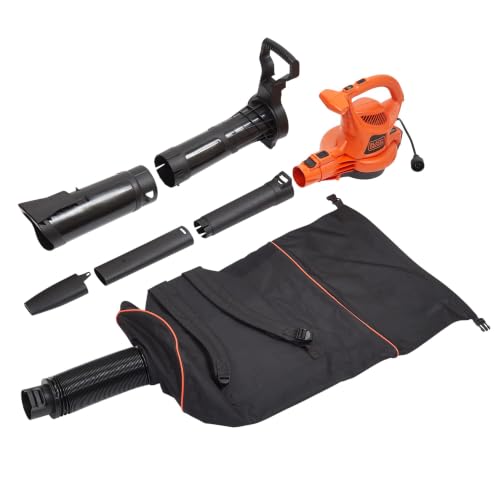
- High performance delivering up to 250 MPH and 400 CFM
- POWERBOOST button supplies extra power on demand
- Hands-free backpack collection bag doubles standard capacity
- Zipper-free bag design with wide opening for easy emptying
- Flexible tube improves maneuverability during vacuum mode
Cons
- Corded design requires an extension cord and limits total range
- Heavier build at 11.1 pounds before collecting leaves

Pros
- 2-in-1 blower and vacuum with quick-change switch
- Delivers up to 460 CFM and 167 MPH airflow
- Anti-jam internal suction tube and secure snap buckle
- Includes 40L collection bag with 15:1 mulch ratio
Cons
- Tethered cord limits working range
- Requires an outdoor extension cord (not included)

Pros
- Delivers up to 600 CFM of blowing output
- Tool-free switch between blow and vac modes
- 16:1 mulch ratio compacts collected leaves
- Large 50L collection bag included
- Variable-speed control for tailored airflow
Cons
- Requires an extension cord and nearby power source
- Weighs 9.1 pounds before filling collection bag

Pros
- 12-amp motor achieves up to 250 MPH and 400 CFM
- High-impact metal fan prevents clogs and offers 16:1 mulch ratio
- Includes a disposable tie-and-toss leaf bag system
- Two speed settings suited for delicate flower beds or stuck debris
- Built-in cord retainer keeps extension cords secured
Cons
- Corded design restricts cleaning area to cord length
- Disposable bags will require replacement purchases once used
Corded Continuous Run Time vs. Cordless Mobility
Choosing between corded and battery-powered units depends entirely on property size and how long your cleanup sessions typically take. Corded models such as the WORX Trivac 3-in-1 Electric Leaf Blower/Leaf (WG509) and the BLACK+DECKER Leaf Blower Leaf Vacuum and Leaf (BV6000) utilize 12-amp electric motors. These units provide steady, continuous power without fading, making them well-suited for clearing concentrated leaf drops along driveways or around decks. However, cord management limits your operational reach to the length of your extension cord.
In contrast, cordless models deliver untethered range across open yards and remote fence lines. The MZK 40V Leaf Vacuum Mulcher and the HEYWORK 40V Yard Blower Vacuum both include two 4.0Ah batteries. While MZK advertises up to 30 minutes of runtime, cordless power output is inherently finite. High-load mulching and extended Turbo bursts drain battery reserves quickly, meaning very large yards may require pause intervals for recharging. If you are exploring broader battery options, check our guide to small cordless blowers for portable alternatives.
Collection Bag Design: Traditional Shoulder Bags vs. Backpack Units
Collection bag style directly affects physical strain and debris disposal speed during long yard sessions. Most 3-in-1 units, such as the Heywork 3-in-1 Leaf Vacuum Mulcher and the MZK 2-in-1 Electric Leaf Blower Vacuum Mulcher, employ a bottom-mounted 40-liter bag supported by a shoulder strap. These bags use square connectors with snap buckles to secure the intake, but as shredded debris fills the bag, the weight hangs from one side of your body.
The BLACK+DECKER Leaf Blower (BEBL7000) takes a different approach by integrating an easy-to-wear backpack bag. Carrying the mulched volume across both shoulders balances the physical load and allows for a larger overall capacity compared to handheld bags. It also features a zipper-free roll-and-clip style opening that speeds up emptying. The trade-off is the extra step of buckling into a harness before getting to work.
How Mulch Ratios Impact Bag Capacity and Emptying Frequency
A higher mulching reduction ratio means you can vacuum longer before walking over to the compost bin or yard waste can. The WG509 Trivac leads the group with an advertised 18:1 mulching ratio, turning 18 bags of whole leaves into a single concentrated bag. Close behind are the BLACK+DECKER BV6000 and WORX WG512, which provide 16:1 ratios, while the remaining Heywork and MZK models offer 15:1 reduction ratings.
Bag volume also dictates efficiency. While the WG509 uses a 42L bag and standard Heywork models feature 40L bags, the WORX Trivac 3-in-1 Electric Leaf Blower/Leaf (WG512) comes with a larger 50L collection bag. Combined with its 16:1 ratio, the WG512 handles significant volume. Note that higher ratios grind leaves into very fine matter, which becomes significantly heavier when clearing damp foliage.
Comparing Air Volume and Wind Speed for Clearing Matted Leaves
Blower specifications represent two distinct clearing attributes: CFM (cubic feet per minute) indicates total air volume, while MPH measures the velocity of that stream. High airspeed lifts wet, clinging leaves, whereas high volume sweeps wide areas of dry material efficiently.
If moving stuck debris is your primary challenge, the BLACK+DECKER Leaf Blower and BV6000 deliver an advertised 250 MPH airflow, though their volume is capped at 400 CFM. For broad lawn sweeping where volume matters more, the cordless MZK 40V Leaf Vacuum Mulcher reaches up to 700 CFM at 180 MPH, and the corded WORX WG512 pushes 600 CFM. For hard surfaces, consider reading our recommendations on leaf blowers for driveways to match airspeed to pavement cleanup.
Handling and Maneuverability: Support Wheels and Balance
Vacuum tubes and collection bags add noticeable front-end weight to any yard cleanup tool, making ergonomic aids essential for extended use. Both the Heywork 3-in-1 Leaf Vacuum Mulcher (weighing 5.5 lbs) and the cordless HEYWORK 40V incorporate front support wheels. Rolling the vacuum nozzle along flat turf or paved walkways takes the load off your arms and maintains a consistent intake height from the ground.
Additionally, both the MZK 40V and HEYWORK 40V feature adjustable wheel heights and anti-static grips to prevent electrostatic shocks during dry conditions. On models lacking guide wheels, such as the BLACK+DECKER backpack unit, maneuverability relies instead on a flexible vacuum hose that isolates the nozzle from the heavier motor and collection container. If overall tool weight is your primary concern, review our guide to small rechargeable leaf blowers.
Frequently Asked Questions About Leaf Blowers with Bags
What does a mulching ratio like 15:1 or 18:1 mean in practice?
A mulching ratio indicates the volume reduction of the collected yard debris. For example, a 16:1 ratio grinds 16 bags worth of whole, loose leaves into the volume of a single bag. Higher ratios pack more debris into the collection bag, reducing how often you need to stop and empty it.
Can these leaf vacuums handle wet leaves and twigs?
While high-speed blowers can dislodge damp debris, vacuuming wet, heavy leaves increases the risk of clogs in the suction tubes. Certain models include anti-clog access gates or metal impellers to manage tougher debris, but manufacturers primarily design these tools for dry leaves and light garden clippings.
How to Choose the Right Leaf Blower with Bag for Your Property
Choosing the best leaf blower with bag comes down to balancing cord constraints against your yard’s layout and debris density. For small to mid-sized yards with readily available outdoor outlets, the WORX Trivac 3-in-1 Electric Leaf Blower/Leaf (WG512) offers the most balanced performance package, delivering a high 600 CFM airflow, a generous 50L collection bag, and tool-free mode switching without battery limits. Its main limitation is the tethered cord, which restricts reach on larger lots.
Homeowners who need unconstrained mobility across large lawns without dragging cords should look at the MZK 40V Leaf Vacuum Mulcher, which provides cordless freedom, 700 CFM output, and rolling support wheels, provided you plan tasks around its battery capacity. To explore a wider variety of equipment types, visit our full guide on what leaf blower is the best.