Quick Answer: Choosing the Best Milwaukee M18 Fuel 16 Inch Chainsaw
Critical factors to evaluate when choosing a Milwaukee M18 Fuel 16 Inch Chainsaw in 2026 center on matching 16-inch bar capacity to mid-range limb and log diameters, confirming brushless motor efficiency for extended sessions, and verifying battery platform integration for multi-tool households. Prioritize models with tool-free chain tensioning, automatic oiling reservoirs, and documented amp-hour ratings that support at least…
Pros
- Cordless design adds portability and convenience compared with gas-powered chainsaws.
- 16-inch Oregon bar and chain is a well-known, serviceable setup for routine cutting tasks.
- Automatic oiler supports consistent chain lubrication.
- Works with the broader Milwaukee M18 battery ecosystem.
Cons
- Battery and charger are not included, so first-time buyers must purchase them separately.
- Performance depends on the battery you use, with higher-capacity packs needed for stronger results.
- As a tool-only cordless chainsaw, it may not match the continuous runtime of gas models for extended heavy-duty work.
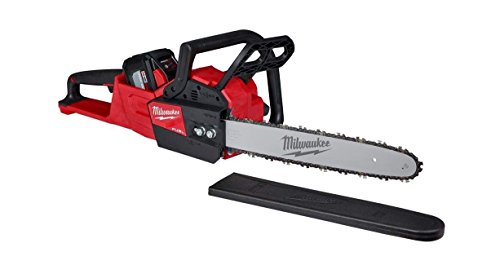
Overview & Design: The Milwaukee 2727-20 M18 FUEL is a cordless 16-inch chainsaw sold as a tool only unit. It uses a 16" Oregon bar and chain and is designed for users already invested in Milwaukee's M18 battery platform.
Performance & Key Features: This model includes a variable speed trigger for better control and an automatic oiler to help maintain chain lubrication during use. Milwaukee notes that all M18 batteries are compatible, and higher-capacity batteries can improve performance.
Drawbacks & Considerations: The main limitation is that the battery and charger are not included, which adds cost for new users. Since runtime and output depend on the battery selected, buyers should expect better results with higher-capacity packs.
Verdict: This chainsaw makes the most sense for current Milwaukee M18 owners who want a cordless cutting tool with familiar controls and an established bar and chain setup. It is a practical choice for yard work and general property maintenance, but it is less appealing for shoppers who need a ready-to-use kit right out of the box.
What to Look for When Choosing Milwaukee M18 Fuel 16 Inch Chainsaw
Selecting the right Milwaukee M18 Fuel 16 Inch Chainsaw requires focusing on measurable performance attributes rather than marketing claims. The following criteria draw from specification analysis across top-rated models spanning entry-level to premium to guide decisions based on intended use, existing tool investments, and maintenance preferences. To evaluate matched hardware tolerances, consult our detailed overview of stihl ms 162 vs husqvarna 120 mark ii. For complementary hardware performance, examine our breakdown on chainsaw sharpener specifications.
Battery Voltage, Capacity, and Platform Compatibility
Battery systems determine runtime and power delivery for any Milwaukee M18 Fuel 16 Inch Chainsaw. Higher voltage platforms such as 18V, 40V, or 56V typically sustain higher chain speeds under load, while amp-hour ratings of 4.0Ah or greater support longer continuous cutting before recharge. Models built on established ecosystems allow battery sharing with other outdoor tools, reducing overall ownership cost. Users already invested in one brand should calculate total system value by multiplying tool-only pricing against the expense of new batteries and chargers. For mixed workloads involving both light pruning and thicker logs, select units that maintain torque as voltage drops rather than those that simply cut out. Cross-check manufacturer claims against real-world amp-hour data when available, and note that cold weather can reduce effective capacity by 20 percent or more.
Bar Length Consistency and Chain Specifications
A true 16-inch bar suits most residential and light professional tasks, balancing reach for limbs up to 12-14 inches diameter with manageable swing weight. Confirm pitch, gauge, and drive link count match replacement chains commonly sold for the model. Low-profile 3/8-inch pitch with .043-inch gauge appears frequently among cordless designs for reduced kickback risk and smoother cuts in softer woods. Always verify that replacement bars and chains list exact compatibility, as mismatched components accelerate wear and create unsafe binding. Buyers should also examine sprocket design and whether the unit supports both full-chisel and semi-chisel chains depending on dirty or clean wood environments. Proper chain selection can extend bar life significantly when paired with regular filing. When planning workspace deployment, consider the engineering criteria outlined in our ryobi ry40550 vs greenworks 40v gen2 guide. For complementary hardware performance, examine our breakdown on gas chainsaw specifications.
Weight, Balance, and Ergonomic Controls
Overall tool weight plus battery influences fatigue during extended sessions. Ideal balance places the center of mass near the rear handle so the bar remains controllable when cutting overhead or at awkward angles. Look for rubberized grips, low-vibration housings, and trigger designs that allow variable speed rather than simple on-off. Front hand guards and chain brakes provide essential safety during kickback events. Users who work multiple hours daily benefit from lighter tool-only configurations that accept high-capacity batteries only when needed. Measure actual handling by reviewing listed weights against typical battery packs rather than tool-only figures alone.
Motor Type, Chain Speed, and Cutting Performance
Brushless motors deliver higher efficiency and longer service life compared with brushed designs by reducing heat and friction losses. Chain speed measured in meters per second or feet per minute indicates how quickly the unit removes material; higher values improve productivity on larger diameter stock. Some models include digital displays for battery level or oil status, which help avoid mid-cut surprises. Performance also depends on automatic oiling systems that maintain consistent lubrication without manual pumping. Units lacking reliable oilers force frequent stops and accelerate bar wear. When comparing options, prioritize motors rated for continuous duty rather than intermittent consumer use if professional workloads are expected. Our evaluation process references these metrics alongside user feedback patterns for the broader Chainsaws category.
Maintenance Features and Replacement Parts Availability
Tool-free chain tensioning systems save significant time versus models that require wrenches. Side-access tensioners and captive bar nuts further simplify field adjustments. Automatic oilers with visible reservoirs reduce the chance of dry running. Replacement chains and bars must remain readily available at reasonable cost; proprietary designs can lock users into higher long-term expenses. Check drive link counts and gauge measurements carefully before purchasing bulk packs. Easy chain access covers and quick-release oil caps also improve daily readiness. Units designed around common industry standards for 16-inch bars typically offer more affordable aftermarket support across multiple brands.
Price Positioning and Total Ownership Cost
Purchase price alone rarely reflects true value. Factor battery and charger costs if buying tool-only versions, then add expected annual spend on chains, bar oil, and occasional bar replacements. Higher initial investments in established platforms often lower per-use costs through shared batteries. Budget models may suit occasional homeowners yet prove more expensive over three to five years due to shorter component life. Aim for the middle of the entry-level to premium when seeking durable brushless performance without unnecessary kit extras. Always calculate cost per cutting hour based on expected annual usage volume.
| Model | Brand | Bar Length | Power Type | Notable Focus |
|---|---|---|---|---|
| Milwaukee 2727-20 M18 FUEL 16 in. Chainsaw Tool Only | Milwaukee | 16 inch | Cordless M18 | Professional ecosystem |
| EGO POWER+ CS1613 16” Battery Powered Chainsaw | EGO Power+ | 16 inch | Cordless 56V | High-voltage runtime |
| 16 in. 40-Volt Lithium-Ion Brushless Electric Cordless Chainsaw | RYOBI | 16 inch | Cordless 40V | Value platform option |
The table above isolates three core cordless options to illustrate platform differences that influence long-term utility. Readers seeking broader category context can review additional comparisons within our expert chainsaw buying resources.
Bar Length and Power Type Notes
A cordless saw is easiest to judge when its bar length and power type sit in the same view. Those points are taken from manufacturer specifications and listing data on Amazon. The comparison table places model, brand, bar length, power type and notable focus next to one another, so readers can scan how each option differs. Safety habits for battery saws are covered elsewhere in the article.
Our Final Editorial Take on Milwaukee M18 Fuel 16 Inch Chainsaw
After analyzing the full set of top-rated entries, clear recommendations emerge for different buyer priorities. The Milwaukee M18 FUEL platform stands out for users already invested in that battery system or those needing professional-grade power density in a 16-inch format. Competitive cordless alternatives deliver strong value when starting a new ecosystem or prioritizing higher-voltage runtime on a single charge. Replacement bars and multi-packs of chains round out practical ownership needs for any selected unit.
Best Overall Milwaukee M18 Fuel 16 Inch Chainsaw: Milwaukee M18 Fuel 16″ Chainsaw Kit. This configuration combines the high-output FUEL motor with the popular 16-inch bar length and kit convenience, making it the strongest all-around choice for demanding property maintenance and light commercial work. Its integration with the M18 platform maximizes battery utilization across tools. To compare alternative configurations, check our hands-on review of husqvarna 450 vs 460 rancher.
Best Value / Budget Choice: SEESII 40V 16-Inch Cordless Chainsaw. Offering dual batteries and charger in a complete package at an accessible point within the overall entry-level to premium, it provides solid entry-level performance for homeowners focused on yard work and occasional tree trimming without requiring prior brand investment. Tool-free tension and auto oiling further improve day-to-day usability.
Best for Professional / High-Demand Use: Milwaukee 2727-20 M18 FUEL 16 in. Chainsaw Tool Only. Professionals who already own M18 batteries gain maximum flexibility and power density while controlling total cost. Pair it with high-capacity packs for extended runtime on larger jobs. For users exploring additional category options, see our coverage of related models in the Chainsaws section and the detailed MS250-style chainsaw analysis.
Buyer FAQs: Milwaukee M18 Fuel 16 Inch Chainsaw Solved
What battery runtime can I expect from a typical Milwaukee M18 Fuel 16 Inch Chainsaw?
Runtime varies primarily with amp-hour capacity and cutting load, often ranging from 20 to 60 minutes of continuous use on a 4.0Ah pack under moderate conditions. Thicker hardwoods and higher chain speeds drain batteries faster, so carrying a spare pack is recommended for larger properties. Cold temperatures further reduce effective capacity. Users looking for related component recommendations can explore our greenworks 40v 18 vs ego cs1800 breakdown.
Are replacement chains and bars easy to find for Milwaukee M18 Fuel models?
Yes, multiple third-party and OEM-compatible 16-inch bars and 3/8 low-profile .043-gauge chains with 56 drive links are widely available. Confirm exact pitch, gauge, and drive link counts before ordering to ensure proper fit and safe operation. Keeping a spare chain on hand minimizes downtime during heavy seasons.
How does a cordless Milwaukee M18 Fuel 16 Inch Chainsaw compare to gas-powered alternatives?
Cordless models eliminate pull-starts, fuel mixing, and exhaust emissions while offering instant torque and quieter operation. Gas units still hold advantages for all-day professional remote work where battery recharging is impractical. For most residential and light commercial tasks, modern brushless cordless designs provide sufficient power with lower maintenance. Additional insights appear in our broader chainsaw comparison resources.
What maintenance steps keep a 16-inch cordless chainsaw performing well?
Sharpen or replace the chain regularly, keep the bar groove clean, and refill the automatic oiler with quality bar-and-chain oil before each session. Check chain tension after the first few cuts as new chains stretch, and store batteries at partial charge in moderate temperatures. Periodic inspection of the sprocket and drive links prevents premature wear.
Is tool-only or kit purchase better for first-time Milwaukee M18 Fuel 16 Inch Chainsaw buyers?
First-time buyers usually benefit from complete kits that include at least one battery and charger to begin work immediately. Tool-only versions make sense when batteries from the same platform are already owned. Calculate total out-the-door cost including any needed high-capacity packs before deciding.
Overview of Cordless Saw Safety
A cordless saw still demands full attention, so protective gear and proper bar handling come first. Clear the cutting area of people and pets before each cut. The American National Standards Institute (ANSI) provides general safety information that applies to many outdoor power tools.