Understanding the Cultivator: Core Functions and Purpose
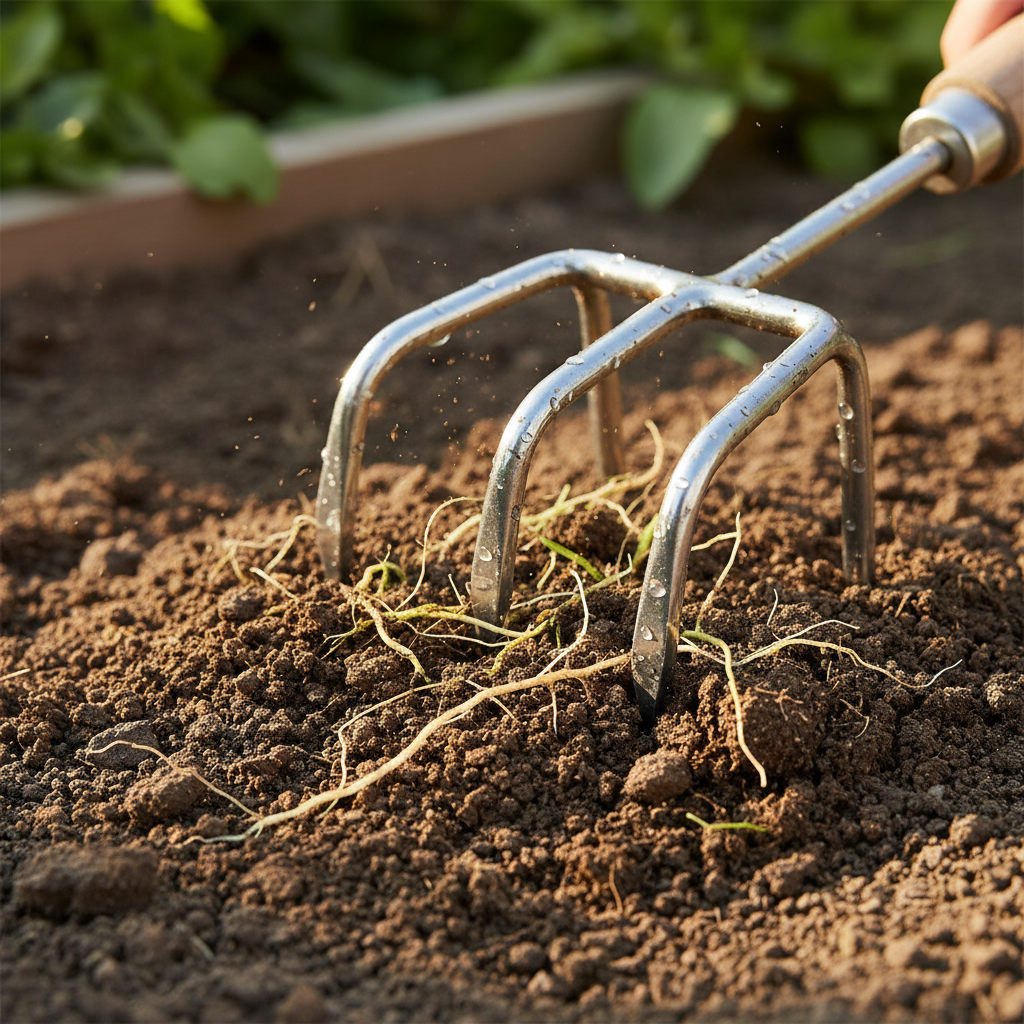
A cultivator is a fundamental tool or machine used in agriculture and gardening to manipulate soil. Its primary purpose is to prepare and maintain soil in a condition that is optimal for plant growth. At its core, a cultivator performs several key tasks: it stirs and aerates the soil, breaks up compacted earth, controls weeds, and prepares seedbeds for planting.
The fundamental definition of a cultivator centers on this soil-working action. Unlike tools designed for deep soil inversion, a cultivator typically works the upper layer of the soil. This action serves to improve soil structure by creating a loose, crumbly texture that allows air, water, and nutrients to penetrate more easily to plant roots.
The main tasks a cultivator performs are interconnected. By breaking up compacted soil, it enhances aeration and drainage, which are critical for root respiration and preventing waterlogging. Simultaneously, this process disrupts the growth of young weeds by uprooting them or burying their seeds too deep to germinate. This makes cultivation a key component of integrated weed management.
Soil cultivation is important for plant health because it creates a favorable environment for seed germination and root development. Well-cultivated soil warms up faster in the spring, allowing for earlier planting. It also reduces competition from weeds for water, nutrients, and sunlight, giving cultivated crops or garden plants a stronger start.
Key Types of Cultivators: From Hand Tools to Machinery
The term ‘cultivator’ can refer to a wide range of implements, from simple hand tools to large, tractor-mounted machinery. The choice depends on the scale of the task, the type of soil, and the specific crop being grown.
Manual or Hand-Held Cultivators
Manual cultivators are ideal for small gardens, flower beds, and working around established plants. Common examples include:
- Garden Hoes: These have a flat blade set at an angle, used to chop weeds and lightly break the soil surface.
- Garden Claws or Tillers: These feature curved, claw-like tines that are pushed or pulled through the soil to aerate and mix.
- Hand Rakes: Small, multi-tined tools used for fine soil preparation and weeding in tight spaces.
Motorized or Tractor-Mounted Cultivators
For larger areas, motorized cultivators provide greater power and efficiency. These include:
- Rototillers: Gas or electric-powered machines with rotating tines that dig into and thoroughly mix the soil. They are often used for initial bed preparation.
- Tractor-Mounted Cultivators: These are large implements attached to the three-point hitch of a tractor. They come in various designs, such as:
- S-tine or C-tine cultivators: Feature springy tines that vibrate to shatter soil clods and uproot weeds.
- Disc cultivators: Use sets of concave discs to cut through residue and mix soil.
- Harrow-type cultivators: Employ rows of teeth to smooth and level the seedbed.
The designs of different cultivators are tailored to their specific tasks. Hand tools offer precision and are gentle on plant roots, while heavy-duty tractor attachments are built for speed, power, and covering large acreages efficiently.
Primary Uses in Farming and Gardening
Cultivators are employed throughout the growing season for several critical tasks in both commercial farming and home gardening.
Preparing a Seedbed for Planting
One of the most common uses of a cultivator is to create a fine, loose seedbed. This involves breaking up large clods of soil after initial plowing or digging, leveling the surface, and incorporating organic matter or fertilizers. A well-prepared seedbed ensures good seed-to-soil contact, which is essential for uniform germination.
Weed Management
Cultivators are a primary mechanical tool for weed control. By running a cultivator between rows of crops or throughout a garden bed, farmers and gardeners can:
- Uproot and kill young, actively growing weeds.
- Prevent weed seeds from reaching the soil surface where they can germinate.
- Reduce the need for chemical herbicides, supporting organic or low-input farming systems.
Improving Soil Aeration and Drainage
Compacted soil restricts root growth and limits the infiltration of water and air. Cultivation loosens this compacted layer, creating pore spaces that improve soil structure. This enhanced aeration promotes the activity of beneficial soil microorganisms and earthworms, which further contribute to soil health. Better drainage also helps prevent root rot and other moisture-related diseases.
Cultivator vs. Other Soil-Working Tools
It is important to distinguish a cultivator from other common soil implements, as their functions overlap but are not identical.
Cultivator vs. Plow
A plow is designed for primary tillage—deeply inverting the soil to bury crop residue, incorporate amendments, and break up hardpan layers. Its action is aggressive and turns the soil over completely. In contrast, a cultivator performs secondary tillage, working only the top few inches of soil to refine its texture and control weeds without inverting it.
Cultivator vs. Rototiller
While the terms are sometimes used interchangeably, a true rototiller is a powered machine with rotating tines that actively dig into and pulverize the soil. A cultivator, especially a tractor-mounted one, often uses passive tines or discs that are pulled through the soil. Rototillers are more aggressive and are typically used for initial bed preparation, while cultivators are used for ongoing maintenance and weed control between rows.
When to Choose a Cultivator
You would choose a cultivator when the goal is to maintain soil structure, control weeds in an established bed or between crop rows, or prepare a fine seedbed after initial deep tillage has been done. It is the tool for refining and maintaining soil, not for heavy-duty, deep soil inversion.
Frequently Asked Questions
Is a cultivator the same as a tiller?
Not exactly. While the terms are often used interchangeably in casual conversation, there is a technical distinction. A rototiller is a powered machine with rotating tines that actively digs into and pulverizes soil, often used for initial, heavy-duty soil preparation. A cultivator generally refers to an implement (manual or tractor-mounted) that works the top layer of soil to break up clods, control weeds, and refine the seedbed, typically with less aggressive action than a tiller.
How often should I cultivate my garden?
The frequency depends on your soil type, climate, and weed pressure. A common practice is to cultivate lightly before planting to prepare the seedbed, and then again whenever young weeds emerge, often every 2-3 weeks during the growing season. Over-cultivation can damage soil structure and harm beneficial organisms, so it’s best to cultivate only when necessary.
Can a cultivator damage plant roots?
Yes, if used improperly. Cultivating too deeply or too close to the stems of established plants can sever their roots, stunting or killing them. For weeding around existing plants, use a hand cultivator and work carefully in the top inch or two of soil, staying well outside the plant’s drip line.
What is the difference between a cultivator and a harrow?
Both are secondary tillage tools, but their designs and primary purposes differ. A cultivator typically uses tines or shanks to penetrate and stir the soil, making it effective for weed control and deeper aeration. A harrow (like a disc harrow or spike-tooth harrow) is designed to break up surface clods, level the ground, and create a smooth, fine finish on the seedbed, often after initial cultivation.