What Does a Cultivator Do? Direct Answer
A cultivator is a farming or gardening tool or machine designed to break up compacted soil, remove weeds, and prepare land for planting. It works by digging into the soil and churning it to improve texture, drainage, and nutrient distribution while uprooting unwanted vegetation. Cultivators range from small hand tools for residential gardens to large tractor-mounted machines for agricultural operations.
Primary Functions of a Cultivator
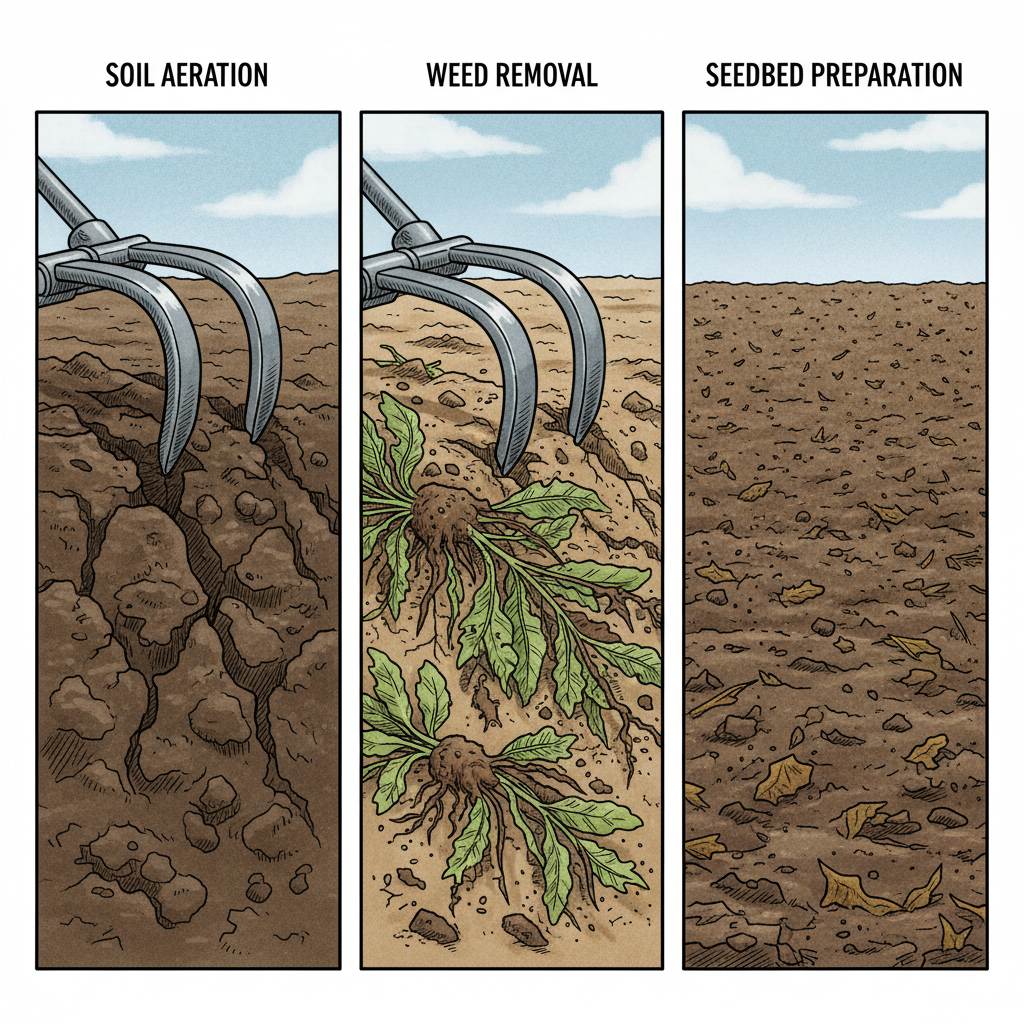
Cultivators perform three core functions in soil and garden management:
1. Soil Aeration and Loosening
The primary function of a cultivator is to break up compacted soil. Over time, soil becomes dense and hard, restricting root penetration and water movement. When a cultivator digs into the earth and turns it, it creates air pockets within the soil structure. This aeration improves drainage, allows roots to penetrate deeper, and enhances water infiltration. Loose, well-aerated soil also warms faster in spring, which is beneficial for early-season planting.
2. Weed Removal
Cultivators effectively uproot weeds by cutting below the soil surface and bringing weed roots to the top. As the machine or tool churns through the soil, it dislodges small weeds and their root systems, making them easier to remove or allowing them to dry out and die. This mechanical weed control is particularly effective for annual weeds and shallow-rooted perennials, though deep-rooted perennial weeds may require multiple passes or supplementary removal methods.
3. Soil Preparation for Planting
Before planting seeds or transplants, soil must be worked to create an ideal seedbed. Cultivators break down large soil clumps, mix in organic matter or amendments, and create a fine, crumbly texture that promotes seed germination and early plant growth. This preparation step is essential in both vegetable gardens and agricultural fields.
How Cultivators Work: Mechanics and Operation
Cultivators operate by using tines or teeth to dig into and turn soil. Hand cultivators typically have three to five curved or straight tines attached to a handle. The user pushes or pulls the tool through the soil, using body weight and leverage to drive the tines downward and break up earth. Powered cultivators use rotating tines or an engine-driven mechanism to achieve the same result with less physical effort.
Front-tine cultivators have tines at the front of the machine and are pulled forward by the rotating tines themselves, making them lighter and more maneuverable. Rear-tine cultivators have tines at the back, are powered by an engine, and are propelled forward independently, allowing for deeper cultivation and handling of larger areas or heavier soil. Tractor-mounted cultivators are attached to the three-point hitch of a tractor and are pulled through the field, with hydraulic controls adjusting depth and width.
Types of Cultivators: Hand Tools vs. Powered Equipment
Hand Cultivators
Hand cultivators are ideal for small residential gardens, raised beds, and container gardening. They require no fuel or electricity and are affordable and low-maintenance. Common types include:
- Three-tine cultivator: A simple hand tool with three curved tines, effective for breaking up soil and removing weeds in confined spaces.
- Claw cultivator: Features four or five curved tines that dig and pull soil toward the user, useful for mixing in amendments and preparing seedbeds.
- Stirrup hoe: A flat, rectangular blade that cuts just below the soil surface, excellent for slicing off young weeds in rows.
Front-Tine Cultivators
Front-tine cultivators are gas-powered machines with tines at the front that rotate and propel the machine forward. They are suitable for small to medium garden areas (up to 1/4 acre) and are lighter and easier to maneuver than rear-tine models. Front-tine cultivators work best in already-worked soil or less compacted earth; they struggle in hard, clay-heavy soil.
Rear-Tine Cultivators
Rear-tine cultivators have tines at the back and are powered by larger engines. They can dig deeper (up to 8-10 inches) and handle tougher soil conditions. These machines are suitable for larger gardens, small farms, and areas with heavy clay soil. Rear-tine cultivators require more storage space and operator skill but are more effective for heavy-duty soil preparation.
Tractor-Mounted Cultivators
Large-scale farming operations use tractor-mounted cultivators attached via a three-point hitch. These machines can cover several rows at once and are adjustable for depth and working width. They are essential for field-scale soil preparation, crop cultivation between growing rows, and large-acreage weed management.
Common Applications in Gardening and Farming
Vegetable Garden Preparation
Home gardeners use hand or front-tine cultivators to prepare vegetable beds each season. In spring, cultivators break up winter-compacted soil and mix in compost or aged manure. Throughout the growing season, cultivators are used to remove weeds between rows without damaging crop plants, and in fall, they help incorporate plant residue back into the soil.
Flower Garden and Ornamental Bed Maintenance
Cultivators maintain flower and ornamental plant beds by removing weeds and aerating soil around established plants. Hand cultivators are preferred in densely planted flower beds to avoid damaging nearby plants, while powered cultivators work best in more spacious, structured gardens.
Large-Scale Agricultural Operations
Farmers use cultivators as a primary tool for soil management. Row-crop cultivators are used between planting and harvest to eliminate weeds, reduce soil compaction from equipment traffic, and improve soil structure. Some farms use cultivators as part of conservation tillage practices to minimize soil erosion and maintain soil health.
Pasture and Field Management
Agricultural cultivators help break up pasture soil, remove old sod before reseeding, and eliminate unwanted vegetation. Regular cultivation can prevent soil compaction from livestock traffic and improve forage production.
Soil Preparation and Weed Removal Benefits
Improved Soil Structure
Cultivation breaks down compacted soil layers, creating a more crumbly, workable structure. This improved texture reduces soil density, making it easier for water to infiltrate and roots to penetrate. Over time, regular cultivation can transform hard, poor-draining soil into productive growing medium.
Enhanced Drainage and Water Retention
Aerated soil drains better, preventing waterlogging in wet seasons, while the improved structure also increases the soil’s ability to retain moisture during dry periods. This balance is critical for plant health and yield.
Increased Nutrient Availability
Cultivating soil mixes organic amendments, compost, and fertilizers into the root zone, making nutrients more accessible to plants. The aeration process also enhances microbial activity, which aids nutrient cycling and availability.
Effective Weed Control
Mechanical cultivation is an environmentally friendly alternative to herbicides. It is particularly effective against annual weeds and young perennial weeds, though established perennial weeds with deep taproots may persist and require additional management. Multiple cultivation passes throughout a season can significantly reduce weed pressure.
Reduced Soil Compaction
Equipment traffic, foot traffic, and rainfall compact soil over time, restricting root growth and water movement. Regular cultivation breaks up this compacted layer, restoring soil friability and functionality.
Choosing the Right Cultivator for Your Needs
Size and Scope of Your Project
For small residential gardens under 500 square feet, a hand cultivator is sufficient, affordable, and easy to store. For gardens between 500 and 2,000 square feet, a front-tine cultivator offers a good balance of power and maneuverability. For larger areas (over 2,000 square feet or full-scale farms), a rear-tine or tractor-mounted cultivator is necessary.
Soil Type and Condition
Heavy clay soil requires a rear-tine cultivator or tractor-mounted machine for effective working. Sandy soil can be managed with front-tine or hand cultivators. If your soil is already relatively loose and well-worked, a hand tool may be sufficient. Consider soil condition before purchase; hard, compacted, or virgin soil demands more powerful equipment.
Frequency and Timing of Use
If you cultivate only once or twice annually, hand tools or renting equipment may be cost-effective. If you cultivate regularly throughout the growing season, owning a powered cultivator may be justified.
Storage and Maintenance Requirements
Hand cultivators require minimal storage and maintenance. Front-tine and rear-tine cultivators need secure storage space, seasonal maintenance (oil changes, filter replacements), and end-of-season preparation. Budget for these considerations when choosing equipment.
Physical Ability and Operator Preference
Hand cultivation requires strength and endurance; powered equipment reduces physical strain but requires engine operation and equipment management. Choose based on your comfort level with powered machinery and physical capability.
Soil Preparation Best Practices with Cultivators
For optimal results, cultivate when soil moisture is moderate—moist enough to work but not waterlogged. Wet soil clumps and compacts; dry soil is difficult to break up. Aim for soil that crumbles in your hand.
Work the soil to a depth appropriate for your plants: 6-8 inches for most vegetables, 8-10 inches for deep-rooted crops like tomatoes and peppers, and 3-4 inches for shallow-rooted plants like lettuce and beans.
Cultivation is most effective when combined with other soil management practices: adding compost or organic matter, using cover crops, mulching, and crop rotation. No single tool or practice alone creates and maintains soil health.
Cultivator Maintenance and Care
Hand cultivators require occasional cleaning and sharpening of tines to remain effective. Store in a dry location to prevent rust.
Powered cultivators need regular maintenance: checking and changing oil, replacing air filters, maintaining spark plugs, and cleaning or replacing fuel filters. Before seasonal storage, run the machine to clear old fuel or add fuel stabilizer to prevent carburetor problems.
Tines wear over time and may need replacement; many manufacturers offer replacement tine kits. Inspect tines before each use and replace bent or broken ones to maintain performance.
Frequently Asked Questions
What is the difference between a cultivator and a tiller?
While terms are sometimes used interchangeably, cultivators typically work shallower (3-6 inches) and are designed for soil maintenance and weed removal between growing seasons or among established plants. Tillers are heavier machines that dig deeper (8-10 inches) and turn soil more aggressively, designed for initial soil preparation and breaking virgin ground. Tillers are generally more powerful and suitable for turning under crop residue or vegetation.
Can I use a cultivator on wet soil?
It is not recommended to cultivate wet soil. Wet soil clumps, compacts, and can be damaged structurally by cultivation. The result is poor soil texture and potential long-term damage to soil structure. Wait until soil is moist but crumbly—typically a few days after rain or irrigation.
How often should I cultivate my garden?
Frequency depends on your goals and soil condition. For soil preparation before planting, one or two passes are usually sufficient. For weed control during the growing season, cultivate every 2-4 weeks or as needed when weeds are young and small. Over-cultivation can deplete soil organic matter and harm beneficial soil organisms, so avoid unnecessary passes.
Is mechanical cultivation better than herbicides for weed control?
Mechanical cultivation has advantages and limitations. It is chemical-free, environmentally friendly, and effective against young annual weeds. However, it does not control all weed types equally, requires more labor, and can damage nearby plants if not done carefully. Many gardeners and farmers use a combination of methods: cultivation for young weeds, mulching to prevent weed emergence, and herbicides or hand-pulling for persistent perennial weeds.