Understanding the 1/3 Rule for New Seedlings
The 1/3 rule is the foundational principle for protecting newly seeded grass. This rule states that you should never remove more than one-third of the grass blade length in a single mowing session. For newly seeded lawns, this practice is critical because young seedlings have shallow root systems that cannot withstand aggressive cutting or the stress of excessive blade removal.
When you mow more than one-third of the blade height, you create significant stress on the grass plant. The plant relies on its leaf surface to photosynthesize and generate energy for root development. Removing too much foliage at once limits the plant’s ability to recover and can stunt growth or kill tender new seedlings outright.
Early mowing damage to new grass typically manifests as:
- Uprooted seedlings pulled from shallow soil
- Scalped patches where the mower blade exposed bare soil
- Stress-induced dormancy or death of young plants
- Uneven lawn appearance with thin or missing sections
- Increased susceptibility to weeds and disease in damaged areas
How Long to Wait Before the First Mow
The timeline for the first mow after seeding depends on several factors: grass type, soil temperature, moisture, and overall growing conditions. In ideal conditions, new grass typically reaches mowable height (approximately 3 inches) within 3-4 weeks after seeding.
Cool-season grasses (such as Kentucky bluegrass, perennial ryegrass, and fescues) germinate faster in spring and fall, often reaching 3 inches within 2-3 weeks during peak growing season. Warm-season grasses (such as Bermuda, zoysia, and St. Augustine) germinate more slowly, typically requiring 4-6 weeks to reach safe mowing height, especially if seeded in spring before soil temperatures stabilize.
The key indicator is grass height, not calendar days. Do not mow based on a predetermined schedule; instead, monitor your lawn’s growth and mow only when the grass reaches the target height. Checking grass height twice weekly during the germination window helps you identify the optimal mowing time.
Signs Your New Lawn Is Ready for Mowing
Before you start the mower, confirm that your new lawn exhibits these readiness indicators:
Physical Height Indicator
Measure the grass height at multiple points across the lawn using a ruler or measuring tape. The grass should reach 3-3.5 inches tall. If your target cutting height is 2.5 inches (a common setting for homeowner mowers), wait until the grass is approximately 3.5-4 inches, allowing you to remove only one-third of the blade (about 1 inch) and leave the lawn at your desired height.
Root Establishment Assessment
Gently tug on several grass shoots in different lawn areas. Established seedlings should resist pulling; if shoots come out easily with minimal resistance, the roots are still too shallow. Adequately rooted grass will not pull free with light hand tension. This simple test indicates whether the root system has developed enough to withstand mowing stress.
Uniform Growth Pattern
New grass should display relatively consistent height across the lawn. If growth is extremely uneven with many thin or bare patches, delay mowing and allow more time for full establishment. Mowing uneven new grass can scalp thin areas and create permanent bald spots.
Visible Blade Development
The grass should display visible, healthy green blades with no signs of dormancy, yellowing, or disease. Stressed or diseased seedlings should recover before mowing. If you notice persistent problems, consult a local extension office or lawn care professional before proceeding with mowing.
Mowing Technique for Newly Seeded Lawns
Equipment Selection
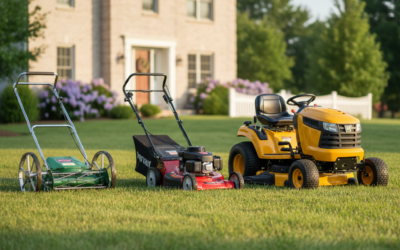
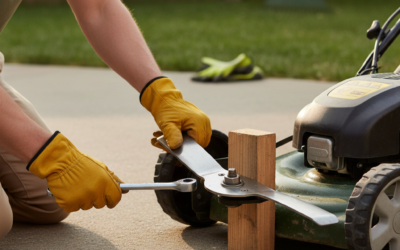
Use a rotary mower or mulching mower for newly seeded lawns. Rotary mowers provide clean cuts without the crushing action of reel mowers, which can damage tender new shoots. Ensure your mower blade is sharp; dull blades tear grass instead of cutting cleanly, increasing stress and disease risk on young seedlings.
Avoid heavy commercial or zero-turn mowers during the first two mowings if possible. These machines can compress soil and physically damage shallow-rooted seedlings. A standard push or riding mower on level terrain is preferable for first mows on newly seeded lawns.
Cutting Height Settings
For the first mow, set your mower to the highest cutting height available on your machine. Most mowers adjust from 1.5 to 4 inches. Set yours to 3 inches or higher for this initial mowing. For subsequent mowings, gradually lower the height to your target maintenance level (typically 2-3 inches for cool-season grasses, 0.5-1.5 inches for warm-season grasses) over 2-3 mowing cycles.
This gradual height reduction prevents shocking the young lawn and allows roots to continue strengthening as the plant adapts to regular cutting.
Clipping Management
Mulch your clippings (leave them on the lawn) rather than bagging them for the first 3-4 mowings. Clippings return nutrients to the soil and provide beneficial organic matter for the developing root zone. If clippings are excessively long and clump heavily, rake lightly afterward, but do not remove all debris from the lawn.
Mowing Patterns and Timing
Mow during cool parts of the day (early morning or late afternoon) to minimize stress on new seedlings. Avoid mowing when soil is wet or waterlogged, as this can cause soil compaction and damage to young roots. Mow in one direction for the first mowing, then alternate directions on subsequent mowings to prevent soil compaction patterns and promote upright growth.
Common Mistakes to Avoid When Mowing New Seed
Mowing Too Early is the most common and damaging mistake. Mowing before grass reaches 3 inches or before roots are established pulls seedlings from the soil and scalps the lawn. This damage is often permanent in affected areas and may require reseeding.
Removing Too Much Blade in a single mowing violates the 1/3 rule and shocks the young plant. Even if grass is technically tall enough, cutting too aggressively stresses seedlings and can kill them outright.
Using Dull Blades tears grass tissue instead of cutting cleanly. Torn seedlings are more susceptible to disease and stress-related death. Sharpen mower blades before the first post-seeding mow.
Mowing Wet Soil compacts the germination zone and can uproot seedlings through soil displacement. Wait for soil to dry slightly before mowing, especially on clay or heavy soils.
Skipping Early Mowings allows grass to become too tall and leggy. If seedlings grow beyond 4 inches before the first mow, subsequent cutting will be more traumatic. Maintain a regular mowing schedule once grass reaches mowable height.
Recovery from Early Mowing Damage: If you mow too early and notice significant uprooting or scalping, the affected areas may not recover. Thin or bare patches may require spot reseeding 1-2 weeks after the damaging mow once the lawn stabilizes. In severe cases, full renovation may be necessary.
Grass Type Considerations
Cool-season grasses establish faster in spring and fall, with Kentucky bluegrass and perennial ryegrass often reaching mowable height within 2-3 weeks of seeding. These grasses tolerate regular mowing and benefit from it, as cutting encourages lateral tillering (shoot branching) and a denser lawn. However, initial mowing should still follow the 1/3 rule strictly during the first month.
Warm-season grasses develop more slowly and are more sensitive to early mowing damage. Bermuda grass, zoysiagrass, and St. Augustine grass may require 5-6 weeks to reach mowable height, particularly if seeded before soil temperatures exceed 70°F. These grasses should not be mowed aggressively in the first growing season and may not reach full density until the second season.
Post-Mowing Lawn Care
After the first mow, maintain consistent watering (approximately 1 inch per week if rainfall is insufficient) and avoid heavy foot traffic on the new lawn for at least 4-6 weeks. Continue mowing on a regular schedule—typically every 5-7 days during active growth—to maintain the target height and encourage a thick, dense stand.
Resume normal lawn care practices (fertilizing, aerating, overseeding) only after the new lawn is fully established, typically 8-12 weeks after initial seeding. This allows the root system to mature and the plant density to stabilize before additional stress is introduced.
Frequently Asked Questions
Can I mow my newly seeded lawn at 2 weeks?
No. At 2 weeks, most grass seedlings have not developed sufficient root depth to withstand mowing. Attempting to mow at this stage will pull seedlings from the soil and severely damage or kill the new lawn. Wait until grass reaches at least 3 inches in height and roots are visibly established (typically 3-4 weeks) before the first mow.
What if my new grass is growing unevenly—should I still follow the 1/3 rule?
Yes, always follow the 1/3 rule regardless of growth uniformity. If portions of your lawn are noticeably thin or shorter than others, delay the full mowing and allow more time for even establishment. Mowing uneven new grass risks scalping thin areas and creating permanent bare patches. Uniformity should develop naturally within 3-4 weeks under consistent care.
Should I bag or mulch clippings after mowing new seed?
Mulch the clippings for the first 3-4 mowings. Leaving clippings on newly seeded lawns returns nutrients to the developing root zone and provides beneficial organic matter. Bagging removes these nutrients and creates unnecessary stress on the young lawn. Only bag if clippings are excessively thick and clump visibly on the turf surface.
Can I recover a lawn that was mowed too early?
Recovery depends on the severity of damage. If only isolated seedlings were uprooted or scalped, the lawn may naturally fill in from surviving plants over 2-4 weeks. Severely damaged areas require spot reseeding 1-2 weeks after damage. If the entire lawn is severely affected, full renovation with reseeding may be necessary. Prevention through careful timing is far preferable to attempting recovery.