

Quick Answer: When to Replace a Chainsaw Bar
A chainsaw bar should be replaced when the guide groove wears too shallow for the drive links, the rails develop uneven heights that cause curved cuts, or the nose sprocket seizes. While small rail burrs can be dressed using a flat file, structural bends, excessive groove widening, or blued steel from overheating indicate the bar has reached the end of its safe service life.
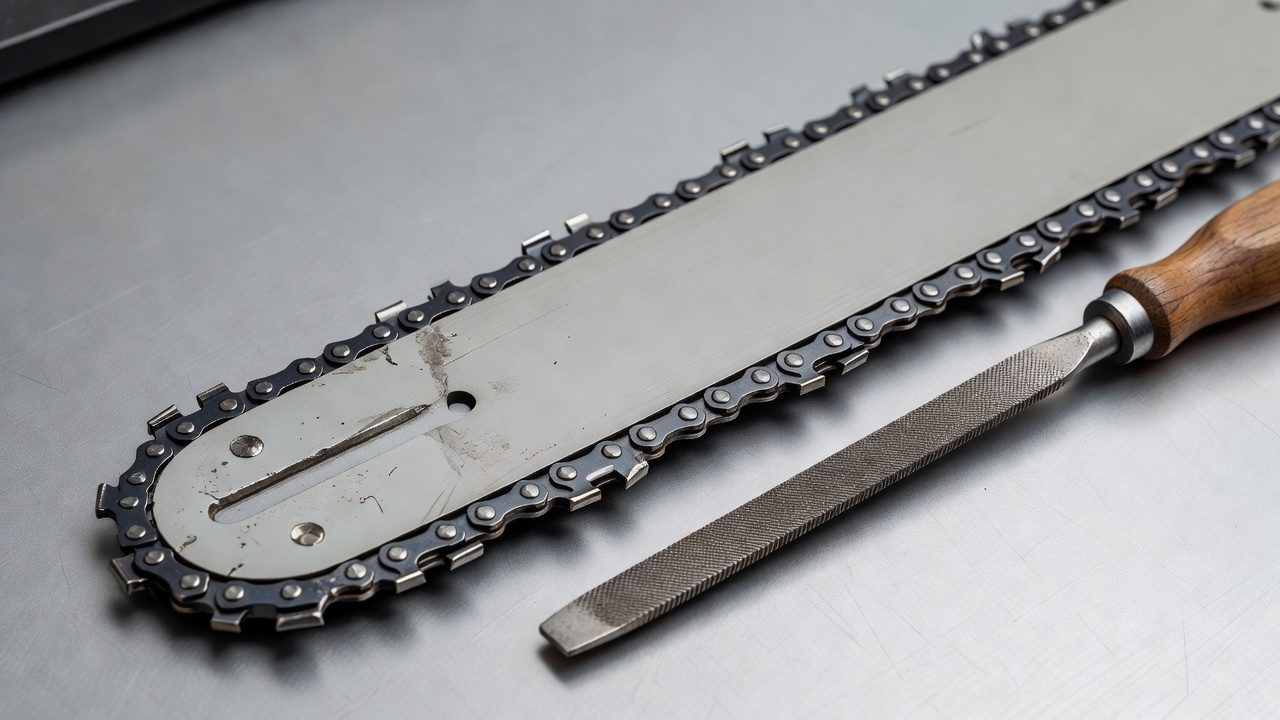
Understanding Chainsaw Bar Wear and Service Life
A chainsaw guide bar endures severe friction, high chain velocities, and mechanical pressure during regular cutting tasks. Although solid steel guide bars are built for rugged use, the continuous circulation of steel drive links along the rails eventually degrades the metal. Under standard operating conditions with consistent lubrication and proper tensioning, a quality guide bar typically lasts through the service life of two to three saw chains.
Operational factors heavily influence how rapidly wear accumulates. Cutting abrasive or dirty timber, operating with dull teeth, or neglecting bar oil reservoir levels forces the cutting assembly to generate excessive heat. High-output gas models like the Ms250 Stihl Chainsaw drive chains at high surface speeds, meaning unaddressed rail wear quickly translates into lost cutting efficiency and increased strain on the drive sprocket.
Visual Symptoms That Require Bar Replacement
Routine inspection reveals clear physical signs that a guide bar must be taken out of service:
Shallow Guide Groove: Over extended operation, drive links wear down the bottom channel of the bar groove. When the groove becomes too shallow, drive link tangs strike the floor of the channel. This lifts the chain tie straps off the rail tops, creating severe vibration and unstable tracking.
Widened Rail Gap and Chain Slop: When the inner walls of the guide groove wear down, the gap widens beyond factory tolerance. As a result, the chain wobbles side to side. If a cool chain leans noticeably off vertical when moved by hand, the rails can no longer stabilize the cutters upright.
Uneven Rail Heights: Operators naturally exert asymmetric pressure during cutting, causing one rail to wear faster than the other. When rails differ in height, the cutters tilt outward, preventing the saw from maintaining a perpendicular line through the wood.
Nose Sprocket Failure: The nose sprocket contains needle bearings designed to carry the chain around the tip with minimal resistance. If the nose sprocket develops rough resistance, wobbles laterally, or seizes entirely, the bar must be replaced immediately.
Scorched or Blued Steel: Dark blue or purple discoloration along the guide rails signals extreme overheating from lubrication failure. Excessive heat compromises the temper of the spring steel, leaving the rails soft and vulnerable to rapid deformation.
Functional Cutting Issues Caused by Bar Wear
A damaged guide bar frequently causes performance problems before an operator completes a bench inspection. The most common symptom is curved cutting, where the saw drifts into an arc despite a freshly sharpened chain. While compact tools such as a hand held chainsaw feature shorter bars with minimal flex, longer guide bars experience high lateral deflection when rail heights are uneven.
Another classic warning sign is frequent binding inside the cut. When a bar has subtle bends or localized pinching, wood pinches the bar body as cut depth increases. Even powerful setups like the Noveske Chainsaw powerhead cannot deliver consistent torque when a warped or pinched guide bar creates excessive mechanical drag.
Safety Hazards and Preventive Care
Operating a chainsaw with a worn guide bar introduces severe safety risks. Splayed rails and shallow groove depths allow drive links to jump out of the channel under load, risking dangerous chain derailment. In addition, an intermittent nose sprocket seizure can abruptly halt the chain at the bar tip, triggering violent rotational kickback toward the operator.
To maximize guide bar service life, follow these preventive maintenance habits:
Flip the bar symmetrically every time the chain is sharpened or replaced. Symmetrical bars work identically in either orientation, so flipping distributes friction equally across both rails.
Clear out the bar groove and oil intake hole during every chain maintenance session using a dedicated scraper to remove compacted wood dust and resin.
Dress outer rail edges with a flat mill file to remove burrs and preserve flat, square rail edges before flaring becomes severe.
Recommended Gear
Essential replacement guide bars, powerheads, and bar combos to keep your cutting equipment running safely and efficiently.

Pros
- Genuine Stihl-branded replacement part
- Clear 36-inch size for buyers needing a long guide bar
- Exact model and part number reduce ordering mistakes
- Appropriate for compatible Stihl owners who want an OEM-style replacement
Cons
- Compatibility must be verified carefully before purchase
- The 36-inch size may be unnecessary for smaller or light-duty cutting jobs
- The listing provides limited technical detail beyond the brand, size, and part number
Overview: The Stihl Rollomatic ES Chainsaw Guide Bar 36 inch, part number 3002 000 9753, is a replacement guide bar for compatible Stihl chainsaws. It is a straightforward OEM accessory, so the main value is getting the correct bar length and brand match.
Performance: At 36 inches, this guide bar is aimed at longer cuts and larger-diameter wood where extra reach matters. The Rollomatic ES designation also helps identify a specific Stihl bar style when matching replacement parts.
Drawbacks and considerations: Buyers should confirm compatibility carefully before ordering, since guide bar fitment depends on the saw and related setup. The long bar size may also be more than some users need, and the listing does not provide detailed specs such as gauge or chain pitch.
Verdict: This is best for Stihl owners who need a 36-inch replacement guide bar and want a brand-matched part. It makes the most sense if you already know your saw accepts this bar size and you want an OEM replacement.
Pros
- Complete bar and chain combo simplifies replacement
- Clearly specified fitment details reduce guesswork for compatible saws
- Durability-focused features include a multi-riveted nose
- Reversible bar design can help increase service life
Cons
- Compatibility appears specific, so buyers should verify the CS-590 and exact specs before ordering
- The listing does not provide extra details such as exact dimensions or material composition
- No accessories or add-on items are included beyond the bar and chain combo
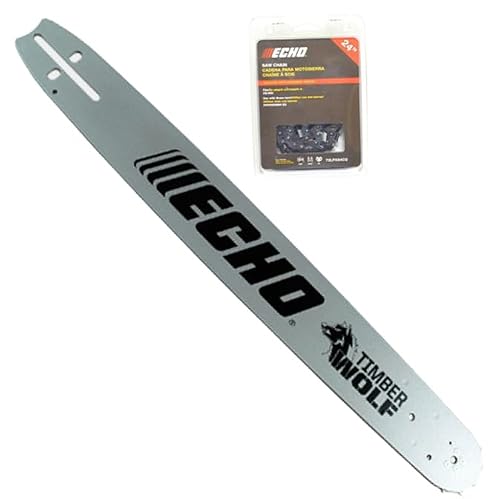
Overview: The O E M 72LPX84CQ + 24D0AS3884C is a 24-inch chainsaw bar and chain combo designed for the Echo CS-590. It is a replacement accessory built around fit, durability, and straightforward installation for compatible saws.
Performance: Key specifications include a 0.050 in. gauge, 3/8 in. pitch, and 84 drive links. The multi-riveted nose is intended to improve durability, while the reversible design can help the bar last longer with regular use.
Drawbacks: This is a model-specific replacement part, so compatibility should be checked carefully before purchase. The manufacturer listing does not include broader details such as exact materials, dimensions, or any bundled extras.
Verdict: Buyers who need a spec-matched 24-inch replacement bar and chain for a compatible Echo CS-590 setup should find this combo practical and focused. It is best for users who prioritize correct fit and durable construction over extra features.
Frequently Asked Questions
How do I know if my chainsaw bar groove is too shallow?
Place a chain on the bar and observe whether the tie straps sit flush against the rail tops. If the drive link tangs hit the bottom of the groove before the tie straps rest on the rails, the channel is worn out and the bar must be replaced.
Can a bent chainsaw bar be straightened and reused safely?
Straightening a bent guide bar with a hammer or vise is not recommended. Bending weakens the spring steel and creates internal stress points. A straightened bar will frequently bind in the cut and risks sudden failure under heavy load.
How many chains can you use on one chainsaw bar?
Under normal cutting conditions with proper oiling and tensioning, a quality guide bar typically lasts through two to three chains. Cutting dirty wood or running loose chains accelerates bar wear significantly.
Why is my chainsaw cutting in a curve with a new chain?
If the chain is sharp and tensioned correctly, curved cuts are almost always caused by uneven bar rails. When one rail wears lower than the other, the cutters tilt sideways, pulling the cut into an arc.
Related Maintenance and Operating Guides
To keep your equipment running at peak operating efficiency, explore our related technical walkthroughs and maintenance tutorials:
- Consult our detailed breakdown on chainsaw.
- Consult our detailed breakdown on marshall stanmore iii vs harman kardon onyx studio 8.
Why should you regularly flip your chainsaw bar?
Most cutting occurs on the bottom edge of the bar, causing that rail to wear much faster. Flipping the bar symmetrically each time you service the chain evens out rail wear and extends overall bar life.
Technical Standards and Compliance
Mechanical safety standards, operational tolerances, and protective gear guidelines align with benchmark specifications established by the American National Standards Institute (ANSI).









