Understanding the Carburetor’s Role and General Location
The carburetor is a critical component of a lawn mower’s engine, responsible for mixing air and fuel in the correct ratio to create the combustible mixture that powers the engine. Understanding its general location is the first step toward performing essential maintenance, troubleshooting starting issues, or preparing for a replacement.
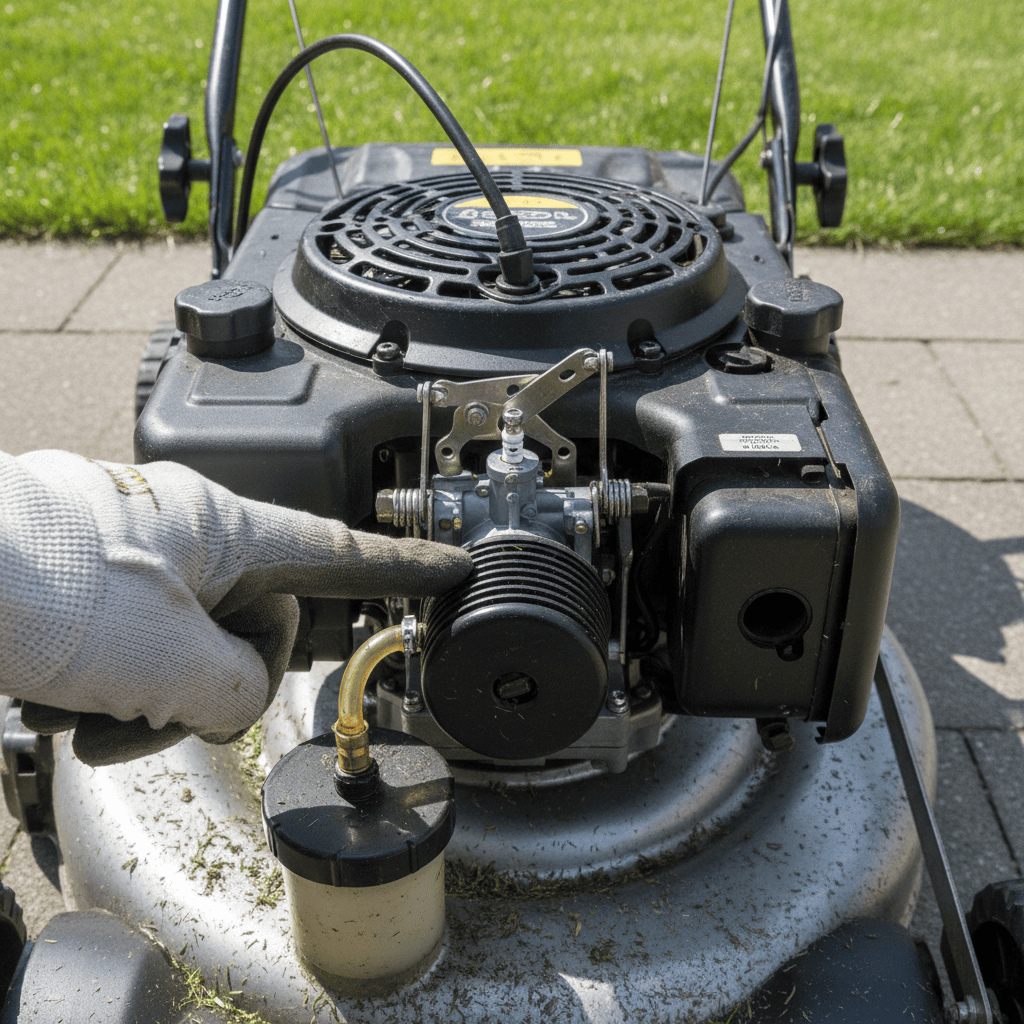
In most gasoline-powered lawn mowers, the carburetor is mounted directly to the engine block. Its position is defined by its connections: it is typically found attached to the air filter housing on one side and linked to the throttle linkage and governor system on the other. It is also situated in line with the fuel line coming from the fuel tank. This central placement allows it to efficiently draw in filtered air, receive fuel, and deliver the mixture to the engine’s intake manifold or cylinder head.
Knowing where to find the carburetor is important because it is a common service point. Issues like stale fuel, clogged jets, or a stuck float often require you to access, clean, or rebuild the carburetor to get your mower running smoothly again.
How to Locate the Carburetor on Different Lawn Mower Types
While the general location is consistent, the exact position can vary based on the mower’s design. Here’s a step-by-step guide for the most common types.
Standard Push Mowers (Walk-Behind)
- Identify the Engine: Locate the main engine block on the mower deck.
- Find the Air Filter: Look for a plastic or metal housing, often a black or gray box, on the side of the engine. This is the air filter housing.
- Trace the Intake: The carburetor is almost always mounted directly behind or underneath this air filter housing. You may need to remove a cover or a few screws to see it clearly.
- Look for Key Connections: Once exposed, you will see the carburetor body connected to the engine’s intake port. The fuel line (a small rubber hose) will be attached to a nipple on the carburetor, and the throttle linkage (a thin metal rod or spring) will connect to a lever on the carburetor.
Riding Lawn Mowers and Tractors
- Access the Engine Compartment: On most riding mowers, the engine is located under the hood at the front. On some rear-engine models, it may be under the seat. Lift the hood or seat to access the engine.
- Locate the Air Cleaner Assembly: Similar to a push mower, find the large air filter housing. It is often a prominent, round or rectangular canister on the side of the engine.
- Inspect Behind the Air Filter: The carburetor is mounted to the engine’s intake manifold, which is positioned directly behind the air filter housing. You will likely need to remove the air filter cover and possibly the air filter itself to get a clear view.
- Identify Surrounding Components: The carburetor will be connected to the fuel line from the fuel tank (which may be under the seat or at the rear) and the throttle linkage running from the governor and throttle pedal or lever.
Zero-Turn Mowers
The process for zero-turn mowers is very similar to riding mowers, as they typically use a similar vertical-shaft engine configuration.
- Open the Engine Cover: Lift the main engine cover or seat, depending on the model.
- Find the Engine and Air Filter: Locate the engine and its air filter housing.
- Pinpoint the Carburetor: The carburetor will be mounted to the engine’s intake, directly behind the air filter. Its location is often easily accessible once the air filter cover is removed.
How to Identify the Carburetor If You’re Unsure
If you’re still not sure, look for these distinguishing features:
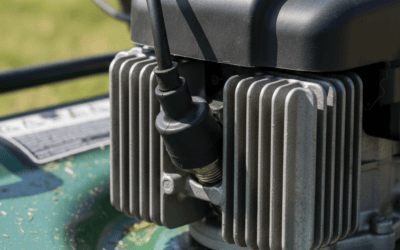
- Material: It is often made of cast aluminum or a zinc alloy, giving it a dull silver or gray metallic appearance.
- Shape: It typically has a distinct, somewhat bulbous body with multiple ports and adjustment screws.
- Connections: It will have a fuel inlet (where the fuel line attaches), a throttle plate (connected to the linkage), and a choke plate (often on the air filter side).
- Float Bowl: Many carburetors have a removable bowl at the bottom, held on by a central screw. This bowl houses the float and main jet.
Key Factors That Can Affect Carburetor Location
The exact placement isn’t universal. Several factors influence the specific layout you’ll encounter.
Engine Brand and Model
Major engine manufacturers like Briggs & Stratton, Honda, and Kohler have slightly different engine designs. While the carburetor is always on the intake side of the engine, its orientation (facing forward, sideways, or toward the operator) can vary. Always consult your mower’s owner’s manual for a diagram specific to your model.
Mower Age and Technology
Older mowers and most current residential models use a carburetor. However, some newer, higher-end riding mowers or commercial-grade equipment may use electronic fuel injection (EFI) systems. An EFI system replaces the carburetor with fuel injectors and sensors, eliminating the need for a carburetor entirely. If you cannot find a carburetor on a newer mower, check the engine specifications to see if it is fuel-injected.
Custom or Unusual Layouts
If your mower’s layout doesn’t match common descriptions, it may have a non-standard configuration. In this case, the best approach is to trace the components: follow the air filter housing to the engine intake, and follow the fuel line from the tank. The point where they meet at the engine is where the carburetor (or fuel injector) is located.
Safety and Preparation Before Accessing the Carburetor
Before you begin any work near the carburetor, following proper safety procedures is essential to prevent injury or damage to the mower.
- Disconnect the Spark Plug Wire: This is the most critical step. It prevents the engine from accidentally starting while you are working on it. Pull the rubber boot off the spark plug terminal.
- Allow the Engine to Cool: Work on a cold engine to avoid burns from hot components like the muffler or engine block.
- Work in a Well-Ventilated Area: Gasoline fumes are flammable and harmful. Work outdoors or in a garage with the door open.
- Have a Fire Extinguisher Nearby: As an extra precaution, keep a Class B (flammable liquids) fire extinguisher within reach.
- Prepare Your Workspace: Have a clean, well-lit area. Gather necessary tools, which may include screwdrivers, pliers, a socket set, and possibly a carburetor cleaning kit. Place a drip pan or old towels under the work area to catch any spilled fuel.
Frequently Asked Questions
What does a carburetor do on a lawn mower?
The carburetor’s primary function is to mix air and gasoline in the precise ratio needed for the engine to run. It draws in air through the air filter, mixes it with fuel drawn from the tank, and delivers this combustible mixture to the engine’s combustion chamber.
Why is my carburetor location important for maintenance?
Knowing the exact location is crucial for routine tasks like cleaning or replacing the air filter, adjusting the idle speed, or performing a full carburetor cleaning and rebuild. Accessing it is the first step in fixing common problems like rough idling, stalling, or failure to start due to gummed-up fuel passages.
What should I do if I can’t find the carburetor on my mower?
If you’ve followed the general guide and still can’t locate it, your mower may have an electronic fuel injection (EFI) system instead of a carburetor. Check your owner’s manual or the engine’s specifications. If it does have a carburetor but is hard to find, try tracing the air filter housing and the fuel line to their connection point on the engine.
Can I replace a carburetor myself?
Yes, replacing a carburetor is a common DIY repair for many lawn mower owners. It typically involves disconnecting the fuel line, throttle linkage, and mounting bolts, then installing the new unit in reverse order. However, always ensure you purchase the correct replacement part for your specific mower and engine model, and consider taking a photo of the original setup before removal for reference.