Quick Answer: Choosing the Best Chainsaw Chainsaw Sharpener
When evaluating Chainsaw Chainsaw Sharpener options in 2026, prioritize compatibility with your chain pitch (0.25 inch to 0.404 inch range), grinding consistency measured by RPM or file diameter accuracy, and whether the design is portable handheld versus fixed bench-mounted for workshop volume. These factors, combined with material durability and included accessories like multiple grinding wheels or depth gauges, determine…
Pros
- Comes with three abrasive head sizes for different cutter openings.
- Manual operation does not rely on electricity or batteries.
- Visible sharpening area can make positioning easier to monitor.
- Stable clamp design helps reduce movement during use.
Cons
- Compatibility is limited to STIHL MS 194 T configurations, so it is not a universal sharpener.
- Manual cranking requires more user effort than powered sharpening tools.
- Buyers must verify fit details such as guide bar thickness and cutter clearance before ordering.
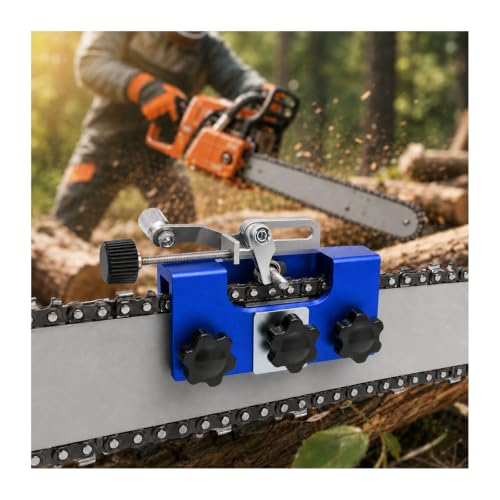
Overview: The Generic Portable Manual Chainsaw Sharpener is built for STIHL MS 194 T chainsaw configurations. Its open-center aluminum body and three-knob clamp give it a simple, tool-focused design that prioritizes visibility and control over automation.
Performance and features: This sharpener uses a detachable hand crank and includes 4 mm, 5 mm, and 6 mm grinding heads, so users can choose a head that matches the cutter opening. The manual setup is useful for steady sharpening, and the visible working area makes alignment easier to follow while the cutter is being dressed.
Drawbacks and considerations: The biggest limitation is compatibility, since it is intended for STIHL MS 194 T configurations and requires buyers to check guide bar thickness, chain position, cutter clearance, and grinding-head access before purchase. It also depends on manual effort, so it is less convenient than a powered sharpener for frequent or high-volume sharpening.
Verdict: This is a practical choice for STIHL MS 194 T owners who want a portable, manual sharpening solution with multiple head sizes and visible operation. Users who want universal compatibility or faster powered sharpening may prefer a different tool.

Pros
- Wide 5000 to 30000 RPM speed range for flexible sharpening control
- Includes an angle guide and multiple grinding heads for better chain compatibility
- Cordless design with Type-C charging improves portability and convenience
- Lightweight build and ergonomic grip can help reduce hand fatigue
Cons
- Exact runtime per charge is not specified in the manufacturer listing
- Like most chain sharpeners, it requires the user to choose the correct head and angle for best results
- It is a specialized sharpening tool, so it does not replace general chainsaw maintenance equipment
Overview: The VEVOR Cordless Chainsaw Sharpener is a handheld, rechargeable sharpening tool made for portable chain maintenance. Its 1.01 lb weight and ergonomic grip give it a compact, easy-to-hold feel for routine sharpening tasks.
Performance: With 5 adjustable speeds from 5000 to 30000 RPM, a 25°/30°/35° angle guide, a 3.2 mm collet, and 4 grinding head sizes, it is designed to handle different chain types and sharpening needs with more control.
Drawbacks: The manufacturer details do not list exact runtime per charge, so battery endurance is hard to judge. Users still need to select the right head and angle for their chain, which means there is some setup involved despite the simple controls.
Verdict: This sharpener is best for homeowners, DIY users, and mobile repair work where cordless convenience matters. It offers a practical mix of speed control, chain compatibility, and beginner-friendly operation.

Pros
- Manual crank mechanism keeps operation simple and does not require electricity.
- Compact and lightweight design improves portability and storage.
- Broad chain compatibility makes it useful for different chainsaw setups.
- Made with durable materials intended for frequent use.
Cons
- Manual sharpening requires physical effort and may be slower than powered sharpeners.
- The listing does not provide detailed specifications such as dimensions or included accessories.
- Compatibility is described broadly, so buyers may still need to confirm fit for their specific chain type.
Overview: The Generic Portable Hand Crank Chainsaw Chain Sharpener Set is a compact manual tool made for sharpening chainsaw chains. Its lightweight, portable design makes it suitable for storing in a toolbox or carrying between work areas.
Performance: The hand crank mechanism is the main feature, offering a simple way to refresh chain edges without electricity. This makes it practical for routine maintenance, especially for users who want a straightforward tool for home projects or occasional field use.
Drawbacks: Because it is manually operated, sharpening depends on user effort and consistency. The listing also leaves out detailed specifications, so buyers may need to verify compatibility with their exact chain before purchasing.
Verdict: This sharpener is best for users who want an affordable, portable, and easy-to-use maintenance tool rather than a powered sharpening solution. It is a sensible choice for homeowners and DIY users who value convenience and versatility.
- Manual hand crank operation
- Portable and compact for storage
- Designed for multiple chain types
- Built for regular household hardware use

Pros
- Manual design offers cordless, on-the-spot sharpening anywhere.
- Aluminum alloy build should provide a sturdy yet lightweight feel for transport.
- Universal fit claim makes it suitable for a wide range of common chainsaw types.
- Includes burrs and guided components for a more complete starter kit.
Cons
- Manual sharpening requires physical effort and is not as fast as powered shop tools for heavy-duty use.
- Compatibility is broad but not guaranteed for every chainsaw model or chain setup.
- Effectiveness depends on correct setup and user technique, especially for first-time users.
Overview: The Klampero Chainsaw Sharpener is a manual hand-crank sharpening kit designed to bring dull chains back to working condition without needing electricity. Its aluminum alloy build and compact format make it easy to store, carry, and use in a garage, workshop, or remote jobsite.
Performance and features: The guided grinding system is built for straightforward chain maintenance. Users clamp the tool in place, position the chain, insert the burr, and turn the crank to sharpen. It is designed to work with most gas, electric, and hydraulic chainsaws, which makes it a flexible option for routine upkeep and field repairs.
Drawbacks and considerations: This is still a manual tool, so it depends on user effort and correct setup. It is best suited to DIY maintenance and regular sharpening rather than high-volume commercial work. While the compatibility is broad, buyers should still confirm their chain type and saw fit before ordering.
Verdict: For homeowners, hobbyists, and operators who want a portable chainsaw sharpening kit without cords or batteries, the Klampero Chainsaw Sharpener offers practical value. It is a sensible choice if you want a simple, on-demand way to keep chains sharp and cutting efficiently.
Essential Engineering Checklist for Chainsaw Chainsaw Sharpener
Choosing among the top-rated chainsaw chainsaw sharpener models requires matching tool type and features to your typical workload, chain types, and storage space. Below are the essential criteria drawn from specification comparisons and brand reliability patterns across Oregon, Stihl, Sharp Pebble, and supporting options.
Sharpener Type: Electric Bench, Cordless Handheld, or Manual File Kits
Electric bench units deliver high-volume consistency for professionals who sharpen multiple chains daily, while cordless handheld kits suit remote job sites without power access. Manual file sets remain the lightest and most affordable entry point for occasional users. Bench models like the Oregon Professional Compact 120-Volt unit prioritize stability and speed, whereas kits such as the Sharp Pebble Electric or EzzDoo handheld versions emphasize mobility. Manual options from Honoson and Hipa excel for field touch-ups because they require no batteries or cords and store easily in a toolkit. Match the type to your average weekly cutting hours: over 10 hours favors electric, under 5 hours favors manual for better cost control within entry-level to premium.
Chain Pitch Compatibility and File or Wheel Sizes
Most chainsaws use pitches between 0.25 inch and 0.404 inch, so the sharpener must include matching files or grinding wheels (commonly 5/32, 3/16, 7/32 inch). Universal designs that cover the full range prevent the need for multiple tools. The VEVOR Electric model lists fitment for 0.25 inch to 0.404 inch pitch chains with three grinding wheels, while the Stihl 2 IN 1 Easy File targets .325 inch specifically. File kits such as Hipa 12 Pack supply six diameters plus flat and depth gauges for precise raker adjustments. Always verify the kit contents against your chain stamp before purchase to avoid incomplete sharpening that shortens chain life. For broader equipment matching advice see the Chainsaws category overview.
Power Output, RPM, and Grinding Consistency
Electric models are rated by wattage and RPM. Higher RPM (for example 5700 RPM on the VEVOR 140W unit) removes material faster but requires steady hand control to avoid overheating the cutter or removing excess steel. Bench grinders offer better angle locks than freehand tools, reducing the risk of uneven edges. Cordless kits rely on battery life and motor torque rather than continuous power. Manual files depend entirely on user technique and steel hardness. Look for titanium-coated diamond bits (as on the EzzDoo kit) when longevity under frequent use is critical. Consistency directly affects cutting speed and fuel efficiency after sharpening.
Portability, Setup Time, and Included Accessories
Job-site users need tools that assemble in under two minutes and weigh little. Portable jigs like the OMCCHK Chainsaw Sharpener Jig Kit include three grinding stones plus a cleaning brush and clamp directly to the bar. Kits from Sharp Pebble add angle attachments, wrenches, and eBooks for guided setup. Bench units stay in the workshop and require a stable surface plus power outlet. Accessories such as depth gauges and multiple wheel sizes extend usefulness across several chain models. Count the included items against your expected chain variety to calculate true cost per use inside the $17.99 to $42.99 window.
Build Quality, Brand Support, and Long-Term Durability
Metal housings and precision-machined guides outlast plastic frames under vibration. Established brands such as Oregon and Stihl typically provide clearer warranty paths and replacement part availability compared with generic file packs. User feedback patterns favor kits that retain grinding accuracy after dozens of sessions. When budget allows, prioritize models with replaceable wheels or files so the main body continues working for years. Cross-check brand reliability against the full set of top-rated options before deciding.
Budget Allocation and Value Calculation
Entry-level manual kits start near $17.99 and handle basic maintenance, while professional bench systems reach $42.99. Calculate cost per sharpening cycle by dividing purchase price by expected chain life extension. A mid-range electric kit often delivers the best ratio for mixed home and light commercial use. Avoid the cheapest single-file sets if you own multiple pitch sizes. Instead allocate toward multi-size kits that cover every chain in your collection.
| Model | Brand | Type | Key Compatibility Note |
|---|---|---|---|
| Oregon Professional Compact 120-Volt Bench Grinder | Oregon | Electric Bench | Universal for all chainsaw chains |
| VEVOR Electric Chainsaw Sharpener 140W | VEVOR | Electric Bench | 0.25 inch to 0.404 inch pitch with 3 wheels |
| Sharp Pebble Electric Chainsaw Sharpener Kit | Sharp Pebble | Electric Handheld | 4 file size wheels plus angle attachment |
This table highlights three representative designs spanning professional to mid-tier use. Full details for all top-rated models appear in the comparison grid above. For additional chainsaw selection insights visit our dedicated MS250 Stihl chainsaw review page.
Sharpener Fit for Chainsaws
Fit between a sharpener and its saw is the question here, answered with the specs makers publish and listing data from Amazon, along with ratings where they exist. Model, brand, type and key compatibility notes sit in adjacent columns, so each sharpener’s listed fit can be checked against the saw it will serve. A related read on saw models is echo cs 355t vs makita xcu06z, since sharpener fit depends on the saw.
Final Verdict: Choosing the Right Chainsaw Sharpener
After scoring every option, clear winners emerge for different user profiles. These recommendations rest on the specification matrix and intended workload rather than promotional language.
Best Overall Chainsaw Chainsaw Sharpener: Oregon Professional Compact 120-Volt Bench Grinder, Universal Saw Chain Sharpener (ASIN B00Y0S88Y8). Its universal chain coverage and dedicated 120-volt bench platform make it the strongest choice for high-volume users who need repeatable results. The design prioritizes stability and full-size grinding capacity, justifying its position at the upper end of entry-level to premium for workshop environments. Before finalizing equipment decisions, refer to our comprehensive husqvarna 450 vs 460 rancher comparison.
Best Value / Budget Choice: Honoson 3 Pieces Chainsaw Chain Round Steel Chainsaw Sharpener File with Plastic Handle (ASIN B08NJ8Z5W5). At the lowest price point it still supplies the three most common file diameters (5/32, 7/32, 3/16 inch) with comfortable handles. Occasional users and those maintaining a single pitch chain gain immediate capability without excess cost. Pair it with a simple depth gauge for complete field maintenance.
Best for Professional or High-Volume Use: VEVOR Electric Chainsaw Sharpener 140W 5700RPM (ASIN B0CK13TBFD). The combination of 140 W power, 5700 RPM, three grinding wheels, and explicit 0.25 inch to 0.404 inch pitch coverage delivers speed and versatility for commercial crews. Its bench format supports consistent angles across long sessions. For cordless alternatives the Sharp Pebble Electric Cordless kit offers similar wheel variety without a fixed power source. Explore more equipment options inside the Chainsaws category to complete your setup.
Common Questions on Chainsaw Chainsaw Sharpener Answered
What is the best chainsaw chainsaw sharpener for beginners in 2026?
A multi-size manual file kit such as the Hipa 12 Pack or Honoson 3 Pieces set is the most forgiving starting point. These require no power source or complex setup and include the common diameters needed for most homeowner chains. Practice on a scrap chain first to master the correct 25-35 degree angle before working on your primary bar.
How often should I sharpen my chainsaw chain with a chainsaw chainsaw sharpener?
Sharpen after every 2-3 tanks of fuel or whenever cutting speed drops and fine sawdust turns into coarse chips. Frequent light passes with a file preserve more of the cutter tooth life than waiting until the chain is severely dull. Electric tools allow faster restoration but still benefit from regular touch-ups rather than heavy grinding sessions. For broader ecosystem context, read through our operational guide on greenworks 40v 18 vs ego cs1800.
Can one chainsaw chainsaw sharpener work on every chain pitch?
Only universal designs that explicitly list multiple pitches or include a full set of file diameters cover the common 0.25 inch to 0.404 inch range. Models such as the VEVOR Electric and Oregon bench unit advertise broad compatibility, while pitch-specific tools like the Stihl .325 inch Easy File do not. Always match the tool markings to the numbers stamped on your drive links.
What is the lifespan of a typical chainsaw chainsaw sharpener?
Quality electric grinders last several years of regular use when wheels are replaced as they wear. Manual files last through dozens of chains if cleaned and stored dry. Titanium-coated diamond bits extend wheel life further. Proper storage and avoiding excessive pressure during grinding are the main factors that determine longevity across the top-rated models reviewed.
Do I need to remove the chain from the bar to use a chainsaw chainsaw sharpener?
Handheld electric kits and bar-mounted jigs such as the EzzDoo and OMCCHK designs work without full removal, saving time in the field. Bench grinders and many file kits require the chain to be taken off for best control and safety. Check the product description for “no removal required” language if speed on the job site is essential. Additional chainsaw maintenance tips appear in our detailed Stihl MS250 review.
Sharpener Safety in Brief
A sharpener keeps the cutting edges consistent, which helps the saw track straight and reduces forceful cuts. Keep the sharpener on a stable base and clear of clutter. For a related reading on carving with a chainsaw, see chainsaw carving bear. Broad safety reading on chainsaws is available from American National Standards Institute (ANSI).