How to Mulch Leaves With a Mower
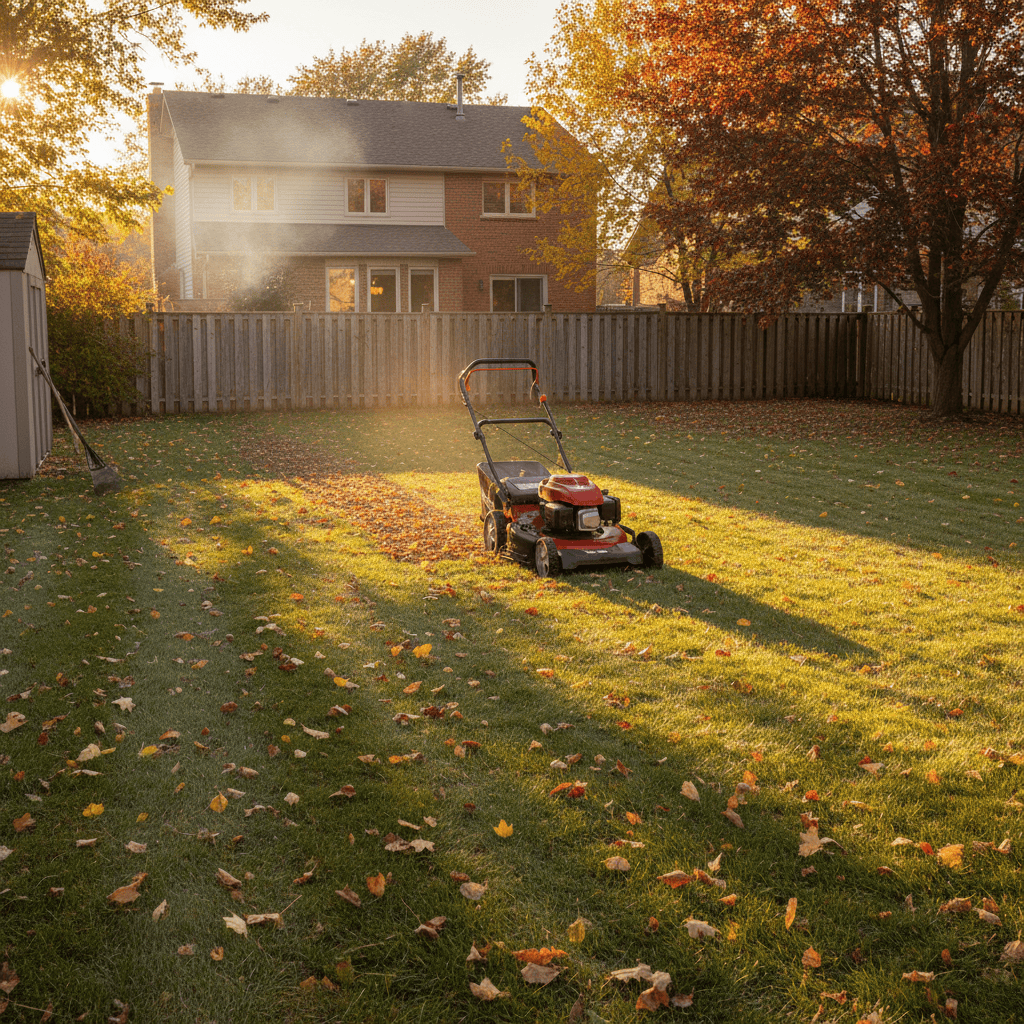
To mulch leaves with a mower, set your mower to its highest mulching or bagging setting, mow over dry leaves in multiple passes, and ensure the mower blade is sharp to create fine mulch that decomposes quickly on the lawn.
What Does Mulching Leaves With a Mower Mean?
Mulching leaves with a mower is the process of using a standard push or riding lawnmower to shred fallen leaves into tiny pieces directly on your lawn. Instead of raking or bagging leaves for disposal, you run over them with your mower, which cuts them into fine fragments. These fragments settle between grass blades and decompose naturally, returning nutrients to the soil.
This method differs from using a dedicated leaf mulcher, which is a standalone machine designed solely for shredding leaves. It also differs from using a specialized mulching mower, though any standard mower can be used for leaf mulching with the right settings and technique. The key benefit is that shredded leaves break down much faster than whole leaves, acting as a natural fertilizer and reducing the need for chemical lawn treatments.
Key Factors to Consider Before You Start
Several factors determine the success of mulching leaves with your mower. Understanding these beforehand ensures you achieve fine mulch that decomposes properly without damaging your lawn.
Leaf Condition and Depth
Leaves should be dry when you mulch them. Wet leaves tend to clump together and can clog your mower, resulting in uneven shredding. If leaves are damp from recent rain, wait a day or two for them to dry out. The depth of leaves also matters—you can typically mulch a layer up to about one inch thick in a single pass. If leaves are piled deeper than this, you may need to make multiple passes or rake some leaves to thinner areas first.
Mower Blade Sharpness
A sharp mower blade is essential for effective leaf mulching. Dull blades tear leaves rather than cutting them cleanly, resulting in larger pieces that take longer to decompose. Before mulching leaves, inspect your blade and sharpen or replace it if needed. A sharp blade creates fine mulch with greater surface area, which allows microorganisms to break down the material faster.
Mower Type and Settings
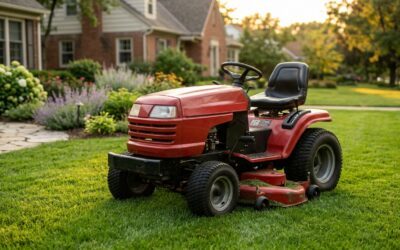
Both push mowers and riding mowers can mulch leaves effectively. Electric mowers work as well, though they may struggle with very thick leaf layers. The most important setting is the cutting height—set your mower to its highest position, typically three to four inches. This allows the mower to process leaves without scalping the grass underneath. If your mower has a mulching plug or a bagging option, using the mulching plug is generally preferred as it keeps shredded material on the lawn where it can decompose.
Timing
The best time to mulch leaves is during peak leaf fall in autumn, before leaves accumulate too deeply on the lawn. Mulching regularly throughout the fall season—perhaps weekly or biweekly depending on your tree coverage—prevents leaves from building up and smothering grass. It also means you are processing smaller amounts of leaves each time, which leads to better shredding results.
Step-by-Step Instructions for Mulching Leaves
Follow these steps to mulch leaves effectively with your lawnmower:
Step 1: Prepare the Lawn
Walk your lawn and remove any large sticks, rocks, or debris that could damage your mower blade. If leaves are piled very deeply in certain areas, spread them out more evenly or rake some to thinner sections. This ensures the mower can process the leaves without clogging.
Step 2: Set Your Mower
Adjust your mower to its highest cutting height setting, usually three to four inches. If your mower has a mulching plug, install it. If you prefer to use the bagging attachment, you can collect the mulch and spread it elsewhere in your garden, though leaving it on the lawn is more efficient for lawn care. Ensure your blade is sharp and in good condition.
Step 3: Mow Over the Leaves
Begin mowing over the leaves in a systematic pattern. Move at a steady pace, slightly slower than your normal mowing speed, to give the blade time to shred the leaves thoroughly. Overlap your passes slightly to ensure you don’t miss sections.
Step 4: Make Multiple Passes
For best results, make two to three passes over the same area, changing your mowing direction each time. The first pass breaks up the leaves, while subsequent passes shred them into finer pieces. Finely shredded leaves decompose much faster than larger pieces.
Step 5: Check for Clumps
After mulching, inspect the lawn for any remaining clumps of leaves. If you find clumps, break them up by hand or make another pass with the mower over those areas. Even distribution ensures even decomposition and prevents smothering of grass.
Best Practices for Healthy Decomposition on the Lawn
Mulched leaves decompose naturally over several weeks to a few months, depending on weather conditions and the fineness of the shred. Here are some tips to encourage faster decomposition:
- Add grass clippings: Mixing in grass clippings provides nitrogen, which accelerates the decomposition of carbon-rich leaves. If you are mulching leaves while also mowing your lawn, the grass clippings will naturally mix with the leaf mulch.
- Maintain moisture: Decomposition requires moisture. If conditions are very dry, light watering can help the process along, though typically autumn rains provide sufficient moisture.
- Avoid thick layers: Keep mulch layers thin—no more than about half an inch of shredded material on the lawn surface. Thicker layers can smother grass and create anaerobic conditions that slow decomposition.
- Monitor thatch: Mulched leaves do not contribute significantly to thatch buildup when applied correctly. Thatch is primarily composed of dead grass roots and stems, not surface organic matter like leaf mulch.
Common Mistakes and When Not to Mulch
Avoid these common errors when mulching leaves:
- Mulching too many leaves at once: Trying to mulch a very deep layer of leaves in one pass will clog your mower and produce uneven results. Work in manageable amounts.
- Mulching wet leaves: Wet leaves clump and do not shred well. Wait for dry conditions.
- Using a dull blade: This produces larger leaf pieces that decompose slowly and may look unsightly on the lawn.
- Ignoring lawn health: If your lawn is already stressed from drought or disease, adding a layer of mulch may not be beneficial. In such cases, bagging leaves might be preferable.
In situations where you have an extremely heavy leaf load—such as from large, mature trees—it may be better to bag some leaves and compost them separately rather than trying to mulch everything on the lawn. You can also use collected leaf mulch in garden beds or around trees and shrubs.
Frequently Asked Questions
Can I mulch leaves with any lawnmower?
Yes, most standard push mowers, riding mowers, and electric mowers can mulch leaves effectively. The key is to set the mower to its highest cutting height and ensure the blade is sharp. Specialized mulching mowers may produce finer results, but they are not necessary for effective leaf mulching.
How often should I mulch leaves during fall?
During peak leaf fall, mulching weekly or biweekly is ideal. This prevents leaves from accumulating too deeply and ensures you are always processing manageable amounts. The frequency depends on how many trees you have and how quickly leaves are falling.
Will mulched leaves harm my grass?
When done correctly, mulched leaves benefit your grass rather than harming it. The fine mulch decomposes and returns nutrients to the soil. The key is to avoid leaving thick layers of mulch on the lawn, which can smother grass. Keep mulch layers thin and evenly distributed.
Do I need to add fertilizer after mulching leaves?
Mulched leaves provide organic matter and nutrients as they decompose, which can reduce your need for fertilizer. However, if your lawn has specific nutrient deficiencies, you may still need to apply fertilizer based on a soil test. Mulching leaves is a natural way to improve soil health over time.