Should You Water the Lawn After Mowing?
No, it is generally not recommended to water the lawn immediately after mowing. Watering right after mowing can stress the grass, promote disease, and is less effective. It’s better to water earlier in the day or on a different day to allow the grass to recover from the cut.
Why You Shouldn’t Water Immediately After Mowing
Understanding why the timing of watering and mowing matters is crucial for maintaining a healthy, resilient lawn. While it might seem logical to water a freshly cut lawn, doing so can actually do more harm than good.
Grass Stress and Recovery
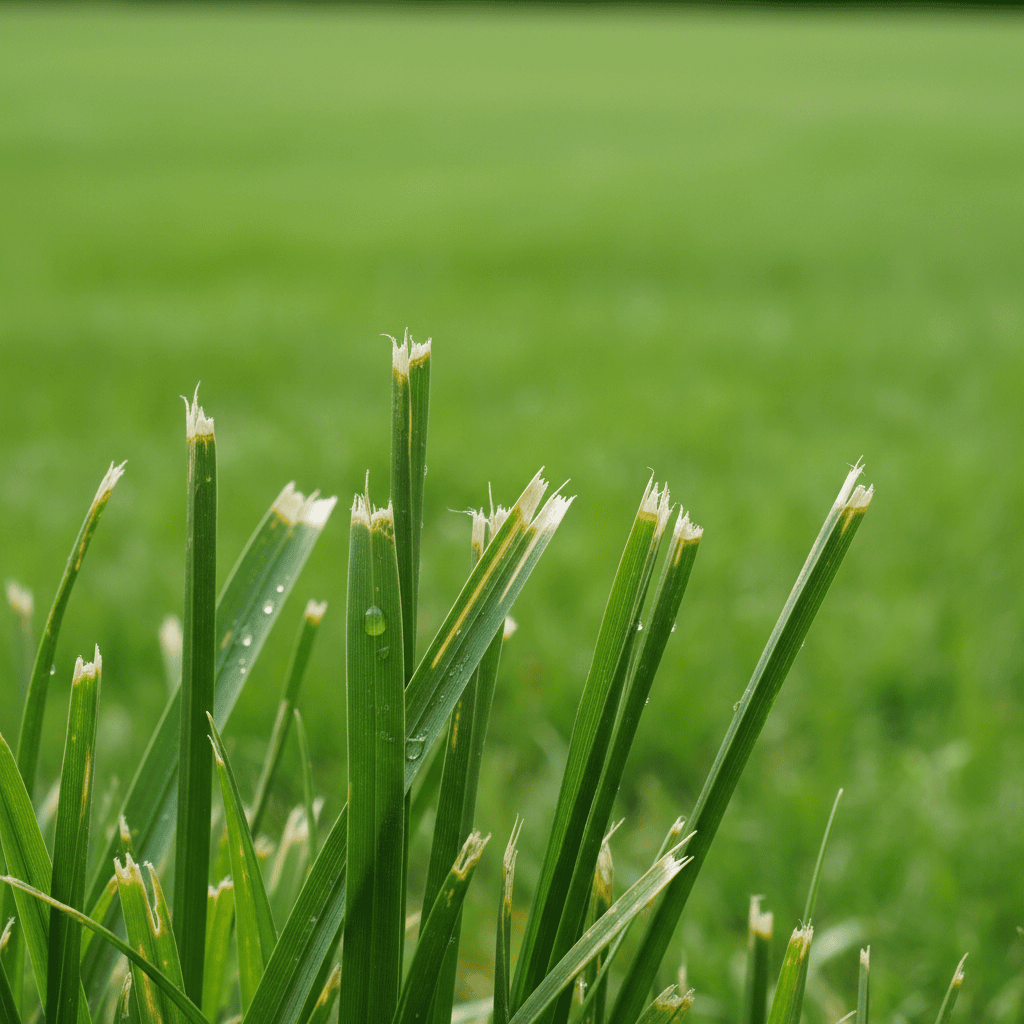
Mowing is a form of stress for grass. When you cut the grass blades, you create small wounds on each blade. The grass plant then needs energy and resources to seal these wounds and begin new growth. Applying water immediately after mowing can interfere with this natural recovery process. The lawn needs a brief period to dry and for the cut ends to begin healing. Watering too soon can keep the grass in a weakened state, making it more vulnerable to other stresses.
Increased Risk of Lawn Disease
Freshly cut grass blades are highly susceptible to fungal diseases. Many lawn pathogens thrive in cool, moist conditions. If you water the lawn right after mowing, especially in the evening, you create the perfect environment for fungi to take hold. The combination of open wounds from the mower blades and prolonged moisture on the foliage significantly increases the risk of diseases like brown patch, dollar spot, or leaf spot.
Inefficient Water Absorption
When grass is freshly cut, the blades are shorter and the canopy of the lawn is more open. While this might seem like it would allow water to reach the soil more easily, it can actually lead to inefficient watering. Water is more likely to run off the surface or evaporate quickly, especially if you water heavily. The goal of watering is to moisten the root zone, and watering immediately after mowing doesn’t give the soil the best chance to absorb the moisture deeply.
The Optimal Watering Schedule Relative to Mowing
For the best lawn health, you should coordinate your mowing and watering schedules. The key is to give your grass time to recover from the cut before introducing moisture.
How Long Should You Wait After Mowing?
A good rule of thumb is to wait at least 24 hours after mowing before watering your lawn. This gives the grass blades time to dry, the cut ends to begin sealing, and the plant to start its recovery process. If you mow in the morning, it’s generally safe to water the next morning.
The Best Time of Day to Water Your Lawn
The ideal time to water any lawn, regardless of mowing, is in the early morning, between 6 AM and 10 AM. Watering during this window allows the grass blades to dry before nightfall, which is the most important factor in preventing disease. Morning watering also reduces water loss due to evaporation from wind and heat.
Can You Mow After Watering?
It is generally better to mow a dry lawn. Mowing wet grass can lead to several problems: the grass blades can tear instead of being cut cleanly, the clumps of wet grass can clog your mower and smother the lawn underneath, and it can spread fungal spores. If you must mow after rain or irrigation, ensure the grass is just slightly damp, not soaking wet.
Key Factors for Lawn Watering and Mowing Health
Integrating your watering and mowing practices with other lawn care considerations will lead to the best results.
Grass Type and Recovery
Different types of grass have varying tolerances for stress. Cool-season grasses like Kentucky bluegrass and fescues may recover more slowly from mowing and drought stress than warm-season grasses like Bermuda or Zoysia. Knowing your grass type can help you fine-tune your care schedule.
Weather and Seasonal Adjustments
Your lawn’s needs change with the seasons. In the heat of summer, you may need to water more frequently, but the principle of avoiding immediate post-mowing watering still applies. During cooler, wetter periods, you may not need to water at all, and you should adjust your mowing height accordingly.
Signs of Lawn Stress
Learn to recognize the signs that your lawn care routine needs adjustment. Stressed grass may appear dull, bluish-green, or have footprints that remain visible after you walk on it. If you see these signs, evaluate your mowing height, watering frequency, and timing.
Frequently Asked Questions
What happens if you water the lawn right after mowing?
Watering immediately after mowing can stress the grass, as it interferes with the plant’s natural healing process from the cut. It also creates a moist environment on the grass blades that significantly increases the risk of fungal diseases.
How does mowing affect the grass blades and their ability to absorb water?
Mowing creates small wounds on the grass blades. The grass needs time to seal these wounds. Watering too soon can keep the grass in a weakened state and may lead to inefficient water absorption, as water is more likely to run off or evaporate from the open canopy.
What is the best time of day to water your lawn in general?
The best time to water your lawn is in the early morning, between 6 AM and 10 AM. This allows the grass blades to dry before nightfall, reducing the risk of disease, and minimizes water loss from evaporation.
Can you mow the lawn after it has been watered?
It is best to mow a dry lawn. Mowing wet grass can tear the blades, clog your mower, and spread disease. If you must mow after watering, wait until the grass is only slightly damp, not soaking wet.