Direct Answer: How to Change Oil in a Lawn Mower
To change the oil in a lawn mower, first run the engine for a few minutes to warm the oil so it flows out easily, then disconnect the spark plug wire for safety. Locate the oil drain plug (or use a siphon pump if there is no plug) and drain the old oil into a shallow container. If your mower has an oil filter, replace it. Refill the engine with the manufacturer-recommended type and amount of oil, check the dipstick to verify the level, and dispose of the used oil at a local recycling center. The whole job typically takes 20 to 30 minutes and should be done at least once per season or every 50 hours of use.
Why Regular Oil Changes Matter
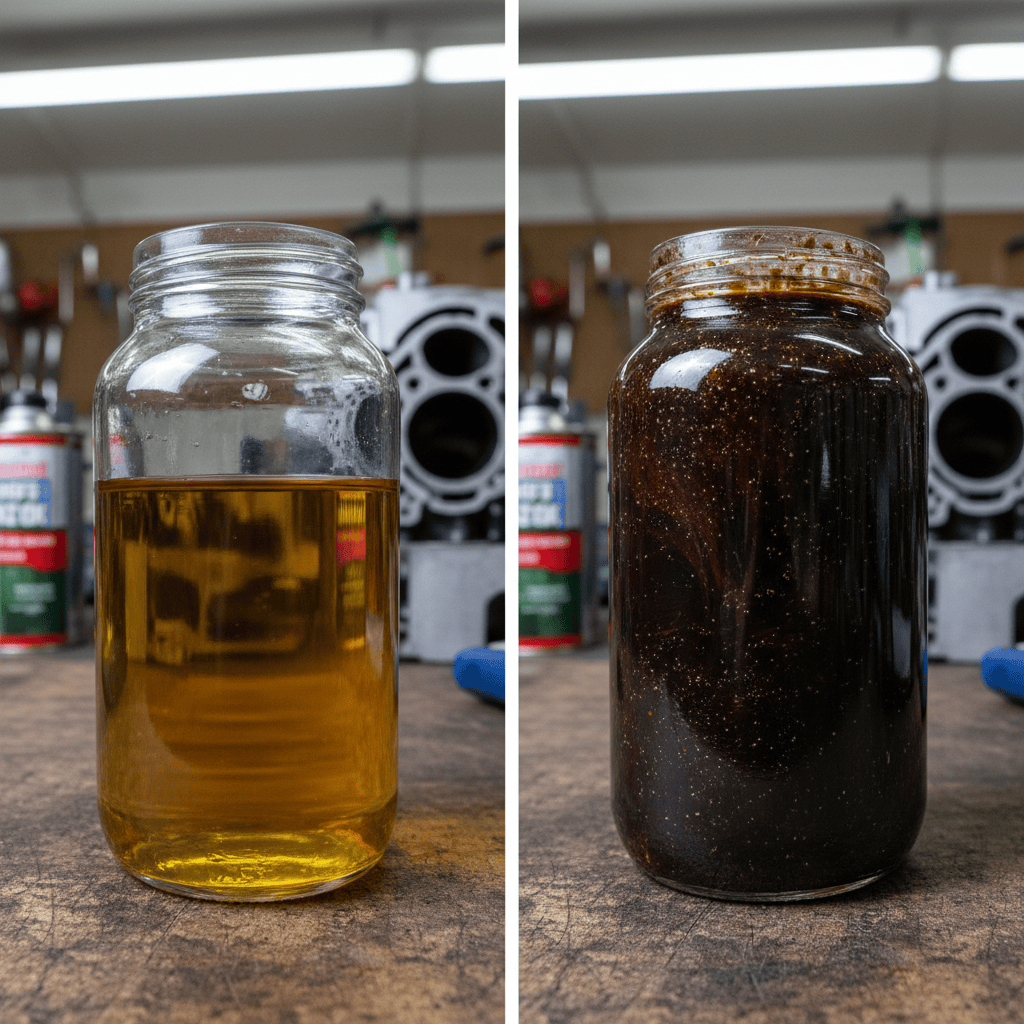
Engine oil is the lifeblood of a lawn mower engine. It lubricates moving metal parts, reduces friction, absorbs heat, and carries contaminants away from critical components. Over time, heat and combustion byproducts break down the oil’s additives, and dirt, grass clippings, and metal particles accumulate in the sump. When oil degrades, it thickens into sludge, loses its lubricating ability, and accelerates engine wear. Skipping oil changes is one of the most common reasons small engines fail prematurely.
How Often Should You Change the Oil?
Most lawn mower manufacturers recommend changing the oil every 50 hours of operation or at least once a year, whichever comes first. If you mow a large lawn frequently, or if conditions are dusty and dirty, changing the oil more often is a good idea. Mowers used in heavy, tall grass or under hot conditions also benefit from more frequent changes. Always check your owner’s manual for the exact interval recommended for your model.
Key Components Involved
- Oil drain plug: A bolt positioned at the bottom or side of the engine crankcase. Removing it lets the old oil flow out under gravity.
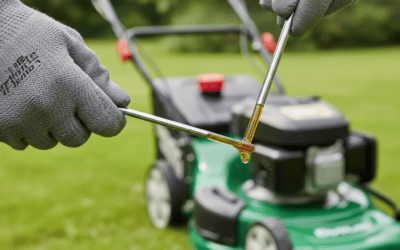
- Oil fill cap / dipstick: A threaded cap with a dipstick attached. It serves two purposes: adding fresh oil and checking the level.
- Oil filter: A cartridge or spin-on filter that traps contaminants. Many smaller push mowers do not have one, while larger riding mowers usually do.
- Spark plug wire: The wire connecting the spark plug to the ignition system. Disconnecting it prevents accidental starting while you work.
- Siphon pump / oil extractor: A hand-pump or powered device that pulls oil up through the dipstick tube, useful for mowers without a drain plug.
Four-Stroke vs. Two-Stroke Engines
The oil change procedure depends heavily on engine type. Most modern walk-behind and riding lawn mowers use four-stroke engines, which have a separate oil sump that holds plain engine oil. Each oil change requires draining the old oil and refilling with fresh oil. A few older or specialty machines use two-stroke engines, in which oil is mixed with the fuel at a specified ratio (for example, 50:1); there is no separate oil sump to drain. If you own a two-stroke mower, “changing the oil” simply means using the correct oil-to-fuel mixture and, in some cases, cleaning or replacing the fuel filter. Always confirm which engine type your mower has before beginning, since the two require completely different maintenance.
What You Need to Know Before You Start
Preparation is the key to a clean, safe, and successful oil change. Taking a few minutes to identify your mower’s requirements and gather the right supplies prevents frustration midway through the job.
Choosing the Right Oil Type and Viscosity
Always use the oil grade specified in the owner’s manual. Most four-stroke lawn mower engines recommend either SAE 30 or 10W-30 detergent oil. SAE 30 is a single-viscosity oil that works well in warmer temperatures and is the most common recommendation for air-cooled small engines. 10W-30 is a multi-viscosity oil that flows better in cooler temperatures, making it a good choice for spring and fall mowing. Some manufacturers also approve 5W-30 for cold-weather use or synthetic blends for extended drain intervals. The recommended viscosity can vary by manufacturer and climate, so check the manual or look for a label near the oil fill cap. Using the wrong viscosity is rarely catastrophic but can cause hard starting in cold weather or excessive oil consumption in hot weather.
Does Your Mower Have a Drain Plug or Need a Siphon?
Walk-behind mowers come in two basic configurations. Many have a drain plug at the bottom of the engine or a drain valve on the side, which makes the job easy: just remove the plug and let the oil flow into a pan. Others, particularly some compact push mowers, lack a drain plug entirely and must be drained with a siphon pump or oil extractor inserted through the dipstick tube. Before you start, look under the deck and around the crankcase to determine which type you have. If you do not see a plug or valve, plan to use a siphon pump; do not flip the mower upside down, as this can spill oil into the air filter and carburetor.
Does Your Mower Have an Oil Filter?
Whether an oil filter is present depends on the mower’s design. Most small push mowers do not have an oil filter at all; the oil screen or splash system is sufficient because the engine is simple and the oil is changed frequently. Larger riding mowers and some premium walk-behinds do have a replaceable oil filter. Check the owner’s manual or look for a small cylindrical canister near the engine block. If your mower has a filter, replace it at every oil change; if it does not, skip this step entirely. Installing a filter on a mower not designed for one is neither possible nor necessary.
Tools and Supplies Checklist
| Item | Purpose |
|---|---|
| Fresh motor oil (correct type and amount) | Refilling the crankcase |
| Oil drain pan or shallow container | Catching the used oil |
| Socket or wrench for the drain plug | Removing the drain plug |
| Replacement oil filter (if equipped) | Filter replacement |
| Oil filter wrench (if needed) | Removing a stuck filter |
| Siphon pump or oil extractor (if no drain plug) | Drawing oil out through the dipstick tube |
| Funnel | Adding oil without spills |
| Shop rags or paper towels | Wiping up spills and cleaning parts |
| Rubber gloves | Protecting your hands from hot oil |
| Sealed oil container for disposal | Taking the used oil to a recycling center |
Step-by-Step Guide to Changing Lawn Mower Oil
Follow these steps in order. The process is essentially the same for most four-stroke walk-behind mowers, with variations noted for mowers that use a siphon instead of a drain plug.
Step 1: Run the Engine to Warm the Oil
Cold oil is thick and drains slowly, leaving a significant amount of old oil behind. Run the mower for about 5 to 10 minutes (or 3 to 5 minutes if it has been recently used) to warm the engine and thin the oil. Warm oil flows quickly and carries suspended contaminants out with it. Caution: do not overheat the engine, and be aware that the oil, exhaust, and engine surfaces will be hot. Wear gloves and work carefully once the engine has been running.
Step 2: Disconnect the Spark Plug Wire
Safety first. Once the engine has been warmed, turn it off, and then disconnect the spark plug wire from the spark plug. This prevents the engine from accidentally firing or turning over while your hands are near the blade or drain plug. For extra safety on riding mowers, remove the ignition key and engage the parking brake. Disconnecting the spark plug wire is a non-negotiable step; it protects you from serious injury.
Step 3A: Drain the Oil Using the Drain Plug
- Place the mower on a flat, level surface. If the drain plug is accessible only from underneath, you may tilt the mower onto its side opposite the air filter and carburetor, or use blocks to raise the front slightly. Never tilt it with the air filter pointing downward.
- Position a wide, shallow drain pan underneath the drain plug. If the plug is on the side of the engine, position the pan beneath it and incline the mower slightly to let the oil run out cleanly.
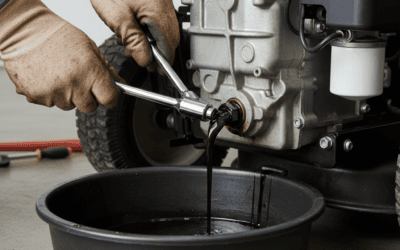
- Use a socket or wrench to loosen and remove the drain plug. Turn it counterclockwise. Some mowers have a pull-out drain valve instead of a bolt.
- Allow the oil to drain completely. This can take several minutes; gravity drains slowly, so be patient. While waiting, inspect the drained oil for metal shavings, which can indicate internal wear.
- Once the flow stops, wipe the drain plug threads clean, reinstall the plug, and tighten it snugly. Do not overtighten, as this can strip the threads in the aluminum crankcase.
Step 3B: Drain the Oil Using a Siphon Pump
If your mower has no drain plug, use an oil extractor or siphon pump:
- Remove the oil fill cap / dipstick to open the filler tube.
- Insert the siphon tube all the way down into the oil sump until it reaches the bottom.
- Pump the extractor until it begins pulling oil. Continue until the sump is empty; you will hear the suction change as air is drawn in.
- Slowly withdraw the tube, allowing any remaining oil to drain into the pump reservoir.
- Transfer the used oil from the extractor into a sealed container for disposal.
Siphon kits are inexpensive and do a thorough job on the low oil volumes used by small engines. The only downside is that the oil never gets as hot as it would with the drain-plug method, so it may take a little longer to pull out the thickest sediment.
Step 4: Replace the Oil Filter (If Equipped)
If your mower has an oil filter, it should be replaced while the oil is drained. Remove the old filter with an oil filter wrench, turning it counterclockwise, and allow any oil inside it to drip into the drain pan. Lightly coat the rubber gasket of the new filter with fresh oil, screw it on by hand until the gasket contacts the mounting surface, then tighten it an additional three-quarter turn. Do not overtighten. If your mower has no filter, skip this step.
Step 5: Refill with the Correct Amount of Fresh Oil
Check the owner’s manual for the exact oil capacity, which is usually between 15 and 24 ounces for push mowers and about 1.5 to 2 quarts for riding mowers. Insert a clean funnel into the oil fill tube and pour in about three-quarters of the recommended amount. Wait a minute for the oil to settle into the sump, then check the level with the dipstick. Add oil slowly, in small amounts, until the level reaches the full mark. Adding too much oil is a common mistake; overfilled engines can leak oil, smoke, and damage seals.
Step 6: Check the Oil Level and Finish
Wipe the dipstick clean, insert it fully without screwing it in (on most models), and pull it out to read the level. The oil should sit between the ADD and FULL marks. Reinstall the dipstick, reconnect the spark plug wire, and wipe up any spilled oil around the engine. Start the mower briefly and check for leaks around the drain plug and filter. Then turn it off, let it sit for a minute, and recheck the oil level, topping off if needed.
Disposal and Final Checks
Completing the oil change responsibly means handling the used oil correctly and verifying that everything is ready for the next mow.
How to Dispose of Used Oil Properly
Used motor oil is a hazardous material and should never be poured down a sink, drain, storm sewer, or into the ground; a single quart can contaminate thousands of gallons of water. The proper method is to pour the used oil into a clean, sealable container (the original oil jug works well), seal it tightly, and take it to a local recycling center, auto parts store, or household hazardous waste facility. Many automotive retailers accept used oil free of charge. Dispose of the old oil filter separately according to local rules, and never mix oil with other fluids like gasoline or antifreeze, as this can make it un-recyclable. Be aware that specific disposal regulations for used motor oil vary by location, so check your municipality’s guidelines if you are unsure where to drop it off.
Final Checks Before Starting the Mower
- Confirm the drain plug is reinstalled and tight.
- Confirm the oil filter is installed correctly if your mower has one.
- Confirm the oil level is at the full mark on the dipstick, neither overfilled nor underfilled.
- Reconnect the spark plug wire securely.
- Wipe up any oil spills, especially on the exhaust, deck, and handles.
- Start the engine and let it run briefly; check for oil leaks underneath.
- Record the date and hour meter reading in your maintenance log so you know when the next change is due.
By following these steps, you will keep your mower’s engine clean, cool, and well-lubricated, extending its life and ensuring reliable starts all season long.
Frequently Asked Questions
How often should I change the oil in my lawn mower?
Most manufacturers recommend changing the oil every 50 hours of operation or once per season, whichever comes first. If you mow a large yard, mow in dusty conditions, or use the mower heavily, change the oil more frequently. Always check the owner’s manual for the interval specific to your model.
Can I use car oil in my lawn mower?
Yes, in many cases. Most four-stroke mowers specify SAE 30 or 10W-30 detergent oil, and labeled motor oils such as 10W-30 meet those requirements. However, some small engines are designed for higher-detergent formulations or specific synthetic oils, so check the manual. Avoid using oils with friction modifiers or energy-conserving additives that are only meant for automotive engines with catalytic converters, as they can cause clutch slip in some mowers.
What happens if I put too much oil in my lawn mower?
Overfilling can cause foaming, excessive smoke, oil leaks past the seals, and in severe cases, damage to the crankshaft seals or the engine itself. If you overfill, drain a small amount of oil until the dipstick reads between ADD and FULL. If you underfilled, it is safe to top off to the full mark before running the engine.
Do I need to change the oil filter every time I change the oil?
If your mower has an oil filter, it is best practice to replace it at every oil change, since the filter is the component that traps the contaminants that degrade the oil. Small push mowers typically do not have a filter at all. When in doubt, follow the schedule in the owner’s manual for your specific model.
Can I tilt my mower to drain the oil?
Yes, but only with care. If your mower lacks a drain plug, a siphon pump is the preferred method because tilting a mower can spill oil into the air filter and carburetor and cause the engine to smoke or run poorly. If you must tilt the mower, always tilt it with the air filter and carburetor side facing up, and never lay it flat.