Quick Answer: What Voltage Are Lawn Mower Batteries?
Most modern cordless residential lawn mowers operate on 36V or 40V lithium-ion batteries. Older gas-powered mowers with electric starters and most riding mowers use 12V lead-acid batteries. Commercial zero-turn mowers may use higher voltages like 48V or 60V. The voltage you need depends entirely on your mower type—cordless, gas-powered, or riding equipment—and mixing incorrect voltages can damage electrical components.
Cordless Push Mowers: 36V and 40V (Most Common)
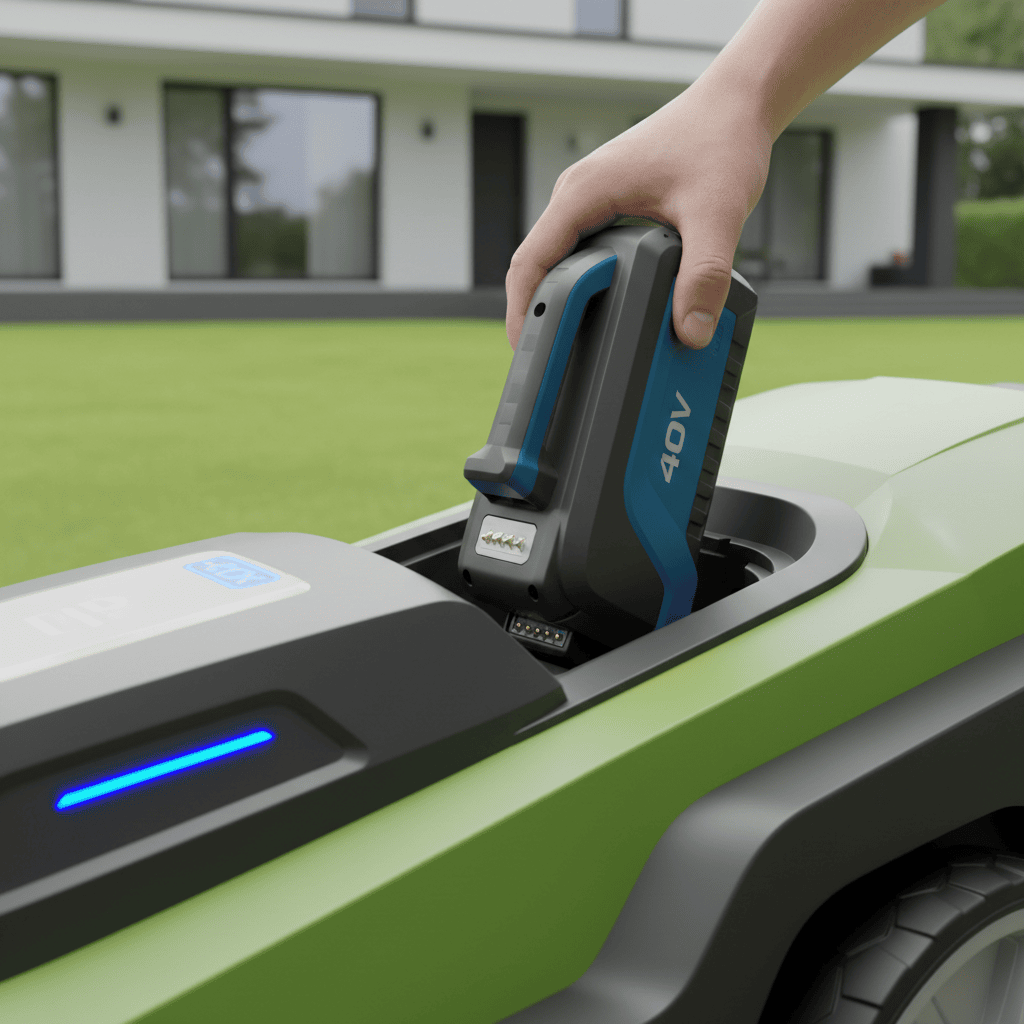
The majority of modern residential lawn mowers are cordless, and nearly all of them run on either 36V or 40V lithium-ion battery systems. These voltages have become the industry standard for cordless yard equipment, including mowers, leaf blowers, trimmers, and hedge cutters.
Why 36V and 40V?
These voltage ranges strike an optimal balance between power, runtime, and weight. A single 36V or 40V battery provides enough energy to power a push mower for an average residential lawn (typically 0.25 to 0.5 acres) on a single charge. The higher voltage compared to older 18V or 20V systems allows manufacturers to deliver stronger cutting performance without requiring heavier or larger batteries. Additionally, these voltages are efficient for lithium-ion chemistry, which offers better performance and lifespan than older nickel-cadmium or nimh battery technologies.
Are 36V and 40V Systems Interchangeable?
No—36V and 40V batteries are not interchangeable, even though the voltage difference seems small. Each system uses proprietary battery connectors and charging infrastructure specific to the manufacturer. A DeWalt 40V battery will not fit a Greenworks 40V mower (different connectors), and certainly not a 36V system. Before purchasing a replacement battery, verify your mower’s exact brand and voltage. Check the battery compartment label, the user manual, or the manufacturer’s website.
Runtime and Cutting Performance at 36V/40V
Most 36V-40V lithium-ion batteries deliver 30 to 60 minutes of runtime on a single charge, depending on battery capacity (measured in amp-hours, or Ah) and lawn conditions. A 2.0Ah battery typically provides 30–40 minutes, while a 5.0Ah or larger battery can deliver 60+ minutes. Runtime decreases with thicker grass, hills, or mulching mode. Modern cordless mowers at this voltage are powerful enough to handle typical residential lawns efficiently.
Gas-Powered & Older Mowers: 12V Systems
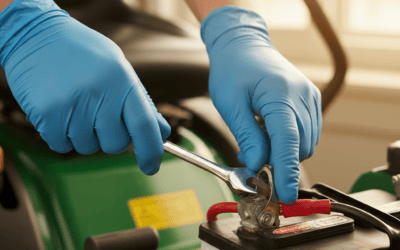
If you own a gas-powered push mower or a riding mower, it likely uses a 12V lead-acid battery. These batteries are only responsible for powering the electric starter motor—they don’t drive the blade or propulsion system, which run on gasoline engine power.
Do Gas Mowers Actually Have Batteries?
Yes, virtually all modern gas mowers with electric starters include a 12V lead-acid battery. Older pull-start mowers did not require batteries. When you turn the key or press the start button, the 12V battery powers the starter motor, which cranks the engine. Once the engine starts, an alternator recharges the battery while the mower runs.
Why 12V for Gas Mowers?
The 12V standard for engine starters has been used in automobiles and small engines for over a century. It’s a proven, cost-effective voltage that delivers sufficient cranking power for small gasoline engines. A 12V lead-acid battery weighs relatively little and fits compactly under mower decks. The voltage is also safe and widely compatible with aftermarket parts and jump-starting equipment.
Can You Replace a 12V Gas Mower Battery with Cordless Technology?
Technically, you could retrofit a cordless lithium-ion battery system into a gas mower with an electric starter, but it is not practical or recommended. Gas mower engines are designed for 12V starter motors; modifying the electrical system risks damaging the starter, alternator, and charging circuitry. Additionally, cordless mower batteries are proprietary to specific manufacturers and designed for lawn-cutting loads, not engine cranking. Stick with a replacement 12V lead-acid battery or a modern 12V lithium-ion starter battery (some manufacturers now offer 12V lithium options for engine starters).
Riding Mowers & Commercial Equipment
Riding mowers and zero-turn commercial equipment operate differently and may use various battery voltages depending on size and features.
Riding Mower Batteries
Most residential riding mowers use a single 12V lead-acid battery, similar to gas push mowers. The 12V battery powers the electric starter and basic electrical systems (lights, ignition). Some larger or luxury riding mowers may use dual 12V batteries wired in series to create 24V for additional electrical capacity, especially if equipped with headlights, power steering, or air conditioning.
Zero-Turn and Commercial Mowers
Professional zero-turn mowers often operate on 24V, 48V, or even higher voltage systems depending on manufacturer and model. These higher voltages allow manufacturers to power more robust hydraulic systems, electric PTO (power take-off) clutches, and auxiliary functions without oversizing the battery. Some commercial manufacturers are beginning to offer 48V or higher cordless systems for commercial-grade cutting performance and extended runtime on larger properties.
Understanding Battery Compatibility and Voltage
Voltage compatibility is critical for safety and equipment longevity. Using an incorrect voltage battery can cause serious problems.
Why Can’t You Mix Voltages?
Mower electrical systems are engineered for a specific voltage range. The motor, charging circuit, and safety features all operate within designed tolerances. If you use a higher voltage battery (e.g., 40V on a 12V system), you risk:
- Component burnout: Motors and circuits rated for 12V can overheat and fail instantly when exposed to 40V.
- Charger damage: The charging system may be destroyed.
- Safety hazards: Sparking, fire, or electrical shock.
Using a lower voltage battery also causes problems: the motor won’t have enough power, the mower may cut sluggishly or fail to start, and you risk damaging the motor through overload as it tries to compensate.
How to Check Your Mower’s Battery Voltage
Check the following sources for voltage information:
- Battery label: The battery itself displays its voltage (12V, 36V, 40V, etc.).
- Battery compartment: Labels inside the battery slot often indicate required voltage.
- User manual: The mower’s manual specifies battery type and voltage.
- Manufacturer website: Look up your mower model; most brands provide compatibility charts.
- Multimeter test: If you have a digital multimeter, you can measure the existing battery’s voltage.
Battery Types: Lithium-Ion vs. Lead-Acid
Modern mower batteries use two primary chemistries, each with distinct advantages and limitations.
Lithium-Ion Batteries (36V/40V Cordless Mowers)
Lithium-ion batteries dominate the cordless mower market because they offer:
- Lighter weight: Lithium-ion is significantly lighter than lead-acid, making mowers easier to maneuver.
- Longer runtime: Modern lithium systems provide 30–90 minutes per charge depending on capacity.
- Fast charging: Most lithium chargers fully recharge a battery in 30–60 minutes.
- Longer lifespan: Quality lithium batteries retain 80%+ capacity after 300–500 charge cycles (5–10 years of typical use).
- No maintenance: Lithium-ion batteries require no watering, terminal cleaning, or maintenance.
- Better cold-weather performance: Lithium-ion works better than lead-acid in freezing temperatures.
Lead-Acid Batteries (12V Gas & Riding Mowers)
Lead-acid batteries remain standard for gas and riding mowers because they are:
- Inexpensive: Lead-acid batteries cost significantly less than lithium-ion.
- Rugged: They tolerate vibration, heat, and overcharging better than lithium.
- Proven: Over 150 years of reliability in vehicles and equipment.
- Universal: Most auto-parts stores and hardware stores carry replacements.
Lead-acid has drawbacks: it’s heavy, requires occasional maintenance (water level checks), self-discharges over winter storage, and typically lasts 3–5 years.
Emerging 12V Lithium-Ion for Gas Mowers
Some manufacturers now offer 12V lithium-ion starter batteries as direct replacements for 12V lead-acid batteries in gas mowers. These offer longer lifespan and better performance but at a higher upfront cost. If your gas mower has failed batteries frequently, a 12V lithium-ion starter battery may be worth considering.
Choosing the Right Replacement Battery
When you need to replace a mower battery, follow these steps to ensure compatibility and reliability.
Step 1: Identify Your Mower’s Specifications
- Note the mower brand, model number, and year (usually found on the deck or frame).
- Identify the current battery: brand, voltage (12V, 36V, 40V, etc.), and amp-hour rating (Ah) if visible.
- Consult your user manual or the manufacturer’s website for compatible battery models.
Step 2: Consider OEM vs. Third-Party Batteries
OEM (Original Equipment Manufacturer) batteries are made by the mower manufacturer or their authorized supplier. They guarantee compatibility and often include warranty coverage. OEM batteries typically cost more but provide peace of mind.
Third-party batteries from reputable aftermarket brands (such as Greenworks, EGO Power+, Worx, or universal brands) often cost less and may offer comparable performance. Ensure the third-party battery matches your mower’s voltage and connector type exactly. Some third-party batteries do not fit proprietary charging systems, so verify compatibility before purchasing.
Step 3: Check Capacity (Amp-Hours)
Battery capacity is measured in amp-hours (Ah). A 2.0Ah battery holds less charge than a 5.0Ah battery. For replacement, you can upgrade to a higher-capacity battery (e.g., 4.0Ah instead of 2.0Ah) if your mower’s charging system supports it—this extends runtime. However, you can safely use a lower-capacity battery than the original; it will simply provide shorter runtime. Never use a higher voltage, even if capacity differs.
Step 4: Verify Warranty and Return Policy
Most replacement batteries include a 1–3 year warranty. Purchase from reputable retailers with clear return policies in case the battery is incompatible or defective.
Frequently Asked Questions
What voltage is a standard lawn mower battery?
There is no single “standard.” Modern cordless mowers use 36V or 40V lithium-ion. Gas and riding mowers use 12V lead-acid. The voltage depends on mower type. Always verify your specific mower’s requirements.
Can I use a 40V battery on a 36V mower?
No. Even though both are lithium-ion and relatively close in voltage, 40V and 36V systems use different connectors and charging systems. The voltage difference would also damage a 36V mower’s motor and electronics. Use only the voltage specified by your mower’s manufacturer.
How long do lawn mower batteries last?
Lithium-ion batteries (36V/40V cordless mowers) typically last 5–10 years or 300–500 charge cycles before capacity degrades noticeably. Lead-acid batteries (12V gas and riding mowers) usually last 3–5 years. Lifespan depends on usage patterns, storage conditions, and maintenance. Storing batteries in cool, dry conditions extends their life.
Is it safe to leave a lawn mower battery on the charger overnight?
Modern lithium-ion chargers have automatic shut-off and are generally safe for overnight charging. Lead-acid chargers should not be left on indefinitely, as overcharging can reduce battery life. Check your charger’s manual for recommended charging duration. Most quality chargers will not damage the battery if left plugged in, but it’s best practice to unplug once fully charged.
Why is my lawn mower battery not holding a charge?
Battery capacity degrades over time (normal wear). If a relatively new battery won’t hold charge, the issue may be: extreme temperature exposure, a faulty charger, deep discharge cycles that weren’t fully recharged, or a defective battery. Try charging the battery fully, then contact the manufacturer for warranty service if it’s relatively new.
Conclusion
Lawn mower battery voltage varies by mower type: cordless residential mowers typically use 36V or 40V lithium-ion, gas-powered and riding mowers use 12V lead-acid, and commercial equipment may require higher voltages. Understanding your mower’s voltage is essential for safe and compatible replacements. Always verify your specific mower’s requirements before purchasing a new battery, and avoid mixing voltages or connector types. When in doubt, consult your mower’s manual or contact the manufacturer directly.