When to Mow After Overseeding: The Direct Answer
Wait 3-4 weeks after overseeding before mowing your lawn. New grass seedlings need time to germinate, develop roots, and establish themselves before cutting. The exact timing depends on grass type, soil conditions, and visible growth rather than calendar days alone. When you do mow, use the highest blade setting (3-4 inches) to protect young plants from damage.
Why You Need to Wait Before Mowing After Overseeding
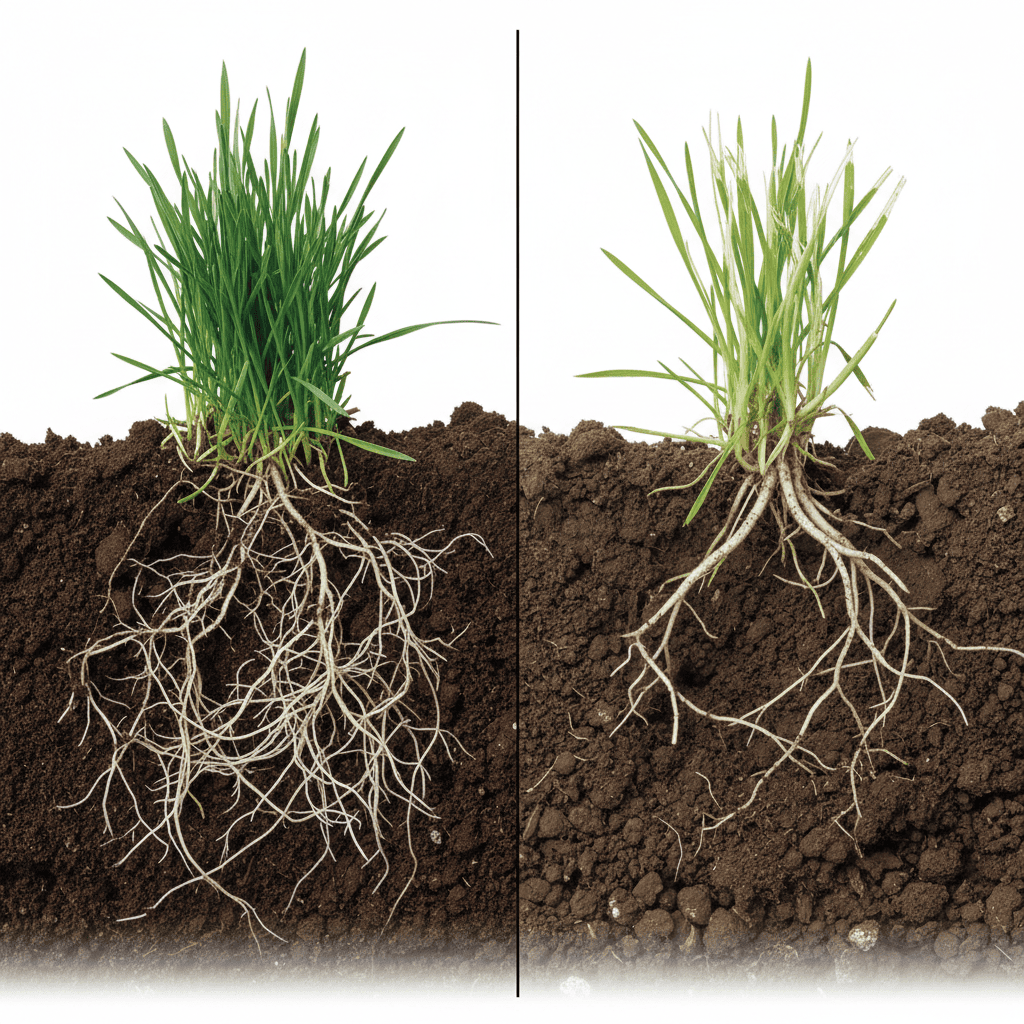
Mowing too soon after overseeding is one of the most common mistakes homeowners make, and it can significantly damage or destroy the new seedlings you’ve invested time and money in establishing.
What happens if you mow too early:
- Seedling damage or death: Young grass plants lack the deep root systems needed to survive cutting. Mowing before roots establish can tear up or kill emerging seedlings.
- Disrupted germination: New seeds are still germinating during the first 2-3 weeks. Mower wheels and vibration can disturb soil and interrupt the germination process.
- Soil compaction: Mower weight compacts soil around delicate seedlings, restricting root development and moisture penetration.
- Uneven establishment: Premature mowing creates bare patches where seedlings were damaged, requiring additional seeding efforts.
- Wasted effort: You may need to reseed affected areas, extending the timeline to a mature lawn by weeks or months.
The waiting period allows new grass to develop a sufficient root system, blade structure, and overall strength to withstand the stress of cutting.
The 3-4 Week Waiting Period: Understanding the Timeline
The 3-4 week guideline is a standard starting point, not a fixed deadline. This timeframe works for most cool-season and warm-season grass varieties under normal conditions, but several factors can shorten or extend it.
Why 3-4 weeks?
Most grass seeds germinate within 7-14 days under ideal conditions. During weeks 2-3, seedlings develop their first true leaves and begin establishing a root system. By week 3-4, most seedlings have roots deep enough to withstand light cutting and their blades are tall enough to be visible above soil level.
Factors that may extend the waiting period:
- Cool soil temperatures (below 60°F) slow germination and growth
- Dry conditions or inconsistent watering delay seedling establishment
- Fall overseeding (slower growth in declining daylight and cooler temperatures)
- Heavy clay or compacted soil restricts root development
- Warm-season grass overseeded in late summer or early fall
Factors that may shorten the waiting period:
- Optimal soil temperature (65-75°F for cool-season, 70-85°F for warm-season)
- Consistent moisture and regular watering
- Spring overseeding with lengthening days
- Well-prepared, loose soil that encourages deep rooting
The key is to use 3-4 weeks as a reference point and assess your specific lawn’s readiness through observable indicators rather than relying on a calendar alone.
How to Know Your Overseeded Lawn Is Ready to Mow
Before mowing, check these readiness indicators to confirm your lawn is strong enough for cutting.
Grass height: New grass should be at least 3-4 inches tall before the first mow. Measure from soil level to the tip of the blade. If most new seedlings haven’t reached this height, wait longer.
Root establishment: Gently pull on a few grass blades. Established seedlings should resist pulling and feel anchored in the soil. If blades pull up easily with minimal resistance, roots aren’t deep enough yet.
Blade development: Healthy seedlings should have multiple true leaves (not just the initial sprouting blade). Look for robust, green growth rather than thin, pale blades.
Soil firmness: Walk across the overseeded area. Your footsteps shouldn’t leave deep impressions. Soil that’s too soft indicates seedlings haven’t anchored well enough.
Coverage uniformity: New grass should cover most of the overseeded area with relatively even growth. Thin, patchy areas may need more time to fill in.
Visual vigor: Seedlings should appear vibrant and green. Stressed, discolored, or stunted growth suggests waiting longer before mowing.
Cool-Season vs. Warm-Season Grass: Different Mowing Timelines
Grass type significantly affects how quickly overseeded lawns are ready for mowing.
Cool-season grasses (Kentucky bluegrass, perennial ryegrass, fescue):
- Spring overseeding: 3-4 weeks is typical. Warm spring temperatures and lengthening days accelerate germination and growth.
- Fall overseeding: May require 4-6 weeks. Shorter days and cooling temperatures slow growth, and seedlings need extra time to establish before winter dormancy.
- Target height: 3-4 inches before first mow.
Warm-season grasses (Bermuda, zoysia, St. Augustine, buffalo grass):
- Spring overseeding: 4-6 weeks or longer. These grasses germinate and grow slower than cool-season types in spring’s moderate temperatures.
- Late summer/early fall overseeding: 5-8 weeks. Growth slows significantly as days shorten and temperatures decline. Seedlings must establish before dormancy in winter.
- Target height: 3-4 inches before first mow (some warm-season grasses may need to reach 4-5 inches).
Check your specific grass type and your region’s climate zone to refine your mowing timeline estimate.
Mower Settings for Your First Post-Overseeding Cut
Blade height is critical when mowing newly overseeded areas. Using the wrong setting can damage young grass.
Set your mower to 3-4 inches: This is significantly higher than typical lawn maintenance height (which is usually 2-3 inches). The extra height protects young seedlings and reduces stress from cutting.
Why high blade settings matter:
- Protects seedlings: Shorter cutting removes more plant material, stressing delicate young grass.
- Maintains root depth: Taller grass supports deeper, stronger root systems.
- Reduces scalping: High blades prevent the mower from cutting down to soil level, which can damage seedlings or expose soil.
- Allows gradual transition: After the first cut, you can gradually lower blade height over 2-3 subsequent mowings to reach your desired maintenance height.
Mowing technique for the first cut:
- Mow when soil and grass are dry (wet grass clogs mowers and damages seedlings)
- Use a sharp mower blade to make clean cuts rather than ragged tears
- Mow slowly to avoid vibration and compaction stress
- Avoid tight turning that could scalp or compact soil around seedlings
- Leave clippings on the lawn (mulching) to return nutrients and retain moisture
Soil Moisture and Germination Conditions: Impact on Readiness
Environmental conditions directly affect how quickly your overseeded lawn reaches mowing readiness.
Soil moisture: Seedlings require consistently moist (not waterlogged) soil to germinate and establish roots. Dry conditions delay germination by weeks. Overwatered soil promotes fungal diseases and weak root development. Proper watering—typically 2-3 times daily for 2-3 weeks—keeps soil at the right moisture level.
Temperature: Soil and air temperature affect germination speed and growth rate. Cool-season grass germinates best at 60-75°F, while warm-season grass prefers 70-90°F. Cool temperatures slow the process; very hot temperatures may inhibit germination. Seasonal timing matters significantly.
Sunlight: Overseeded areas receiving full sun (6+ hours daily) typically establish faster than shaded areas. If your lawn has significant shade, expect slower growth and extended timelines.
Lawn care practices: Recent fertilization can accelerate growth, while dormancy or low-nutrient soil slows it. Ideal soil pH (6.0-7.0 for most grasses) supports better germination than overly acidic or alkaline soil.
If your lawn has experienced drought, excessive heat, or other stress during the first 3-4 weeks, extend your waiting period until conditions improve and visible growth indicates readiness.
Mowing Schedule After the Initial Cut
Your first post-overseeding mow is just the beginning of the transition to normal lawn maintenance.
After the first mow:
- Wait 7-10 days before mowing again to allow recovery and continued root development
- Reduce blade height by 0.5 inch per mowing until reaching your desired maintenance height
- Continue frequent mowing at appropriate intervals based on grass growth rate
Transitioning to normal mowing:
- After 4-6 weeks of post-overseeding mowing, most lawns can return to standard maintenance height (typically 2.5-3.5 inches depending on grass type and season)
- Gradually lower blade height rather than making dramatic reductions
- Return to your normal mowing schedule once grass is fully established (usually 8-12 weeks after overseeding)
Long-term care:
- Maintain consistent mowing height appropriate for your grass type
- Mow when grass is 1/3 taller than your target height (the “one-third rule”)
- Keep mower blades sharp for clean cuts
- Continue regular watering during the establishment period (typically 6-8 weeks total)
Signs Your Lawn Might Not Be Ready at Week 3-4
If your lawn shows these indicators at the 3-4 week mark, waiting longer before mowing is the right decision.
Red flags suggesting delayed readiness:
- Sparse coverage: Less than 70% of the overseeded area has visible grass growth
- Short seedlings: Most new grass is shorter than 2.5 inches tall
- Weak root systems: Seedlings pull up easily when gently tugged
- Pale or yellowing blades: Indicates stress, nutrient deficiency, or disease
- Inconsistent germination: Significant variation in seedling height and vigor across the lawn
- Recent weather stress: Hard rain, frost, or extreme heat within the past week has stressed seedlings
- Wet soil: Soil still feels waterlogged or muddy despite waiting period
- Disease signs: Fungal growth, rust, or damping-off disease visible on seedlings
In these cases, wait an additional 1-2 weeks and reassess. Patience during establishment prevents costly mistakes.
Frequently Asked Questions
Can I mow my lawn 2 weeks after overseeding?
No, 2 weeks is too early for most situations. At 2 weeks, seedlings are still in early growth stages with shallow roots. Mowing at this point risks damaging or killing new plants. Wait at least 3-4 weeks, and preferably until you can confirm roots are established and grass is 3-4 inches tall. The extra 1-2 weeks of waiting prevents the need to reseed damaged areas later.
What if I need to mow other parts of my lawn while waiting to mow the overseeded area?
You can safely mow non-overseeded areas of your lawn on your normal schedule. Simply avoid the overseeded sections entirely. Use string trimming or hand tools around the edges of overseeded areas rather than mowing with a standard mower. Once the overseeded area reaches mowing readiness, you can resume full-lawn mowing with proper blade height settings.
How often should I water overseeded areas before the first mow?
Water frequently during the first 2-3 weeks to keep soil consistently moist but not waterlogged. Most experts recommend 2-3 times daily during the germination period, with each watering lasting 5-10 minutes depending on your soil type and weather. Reduce watering frequency after seedlings emerge and roots develop. By week 4, shift to deeper, less frequent watering (1-2 times weekly) to encourage root development. Check soil moisture regularly and adjust based on rainfall and temperature.
Should I fertilize overseeded areas before the first mow?
Apply a starter fertilizer or balanced lawn fertilizer (higher in phosphorus) at overseeding time to support germination and root development. Do not apply additional fertilizer before the first mow; excess nitrogen encourages soft, weak growth vulnerable to disease and mowing damage. After the first mow and once seedlings are established (4-6 weeks total), you can resume normal fertilization schedules based on your lawn care program.