When to Start Mowing Your Lawn in Spring: The Direct Answer
Begin mowing your lawn in spring when two conditions align: grass height reaches approximately 1/3 higher than your target mowing height and soil temperature consistently stays between 40–50°F for cool-season grasses or 60–70°F for warm-season grasses. Rather than following a fixed calendar date, use growth rate and environmental indicators as your primary signals. This approach accounts for regional climate differences and grass type, ensuring you mow at the optimal time for healthy lawn growth.
Why Timing Matters for Spring Lawn Mowing
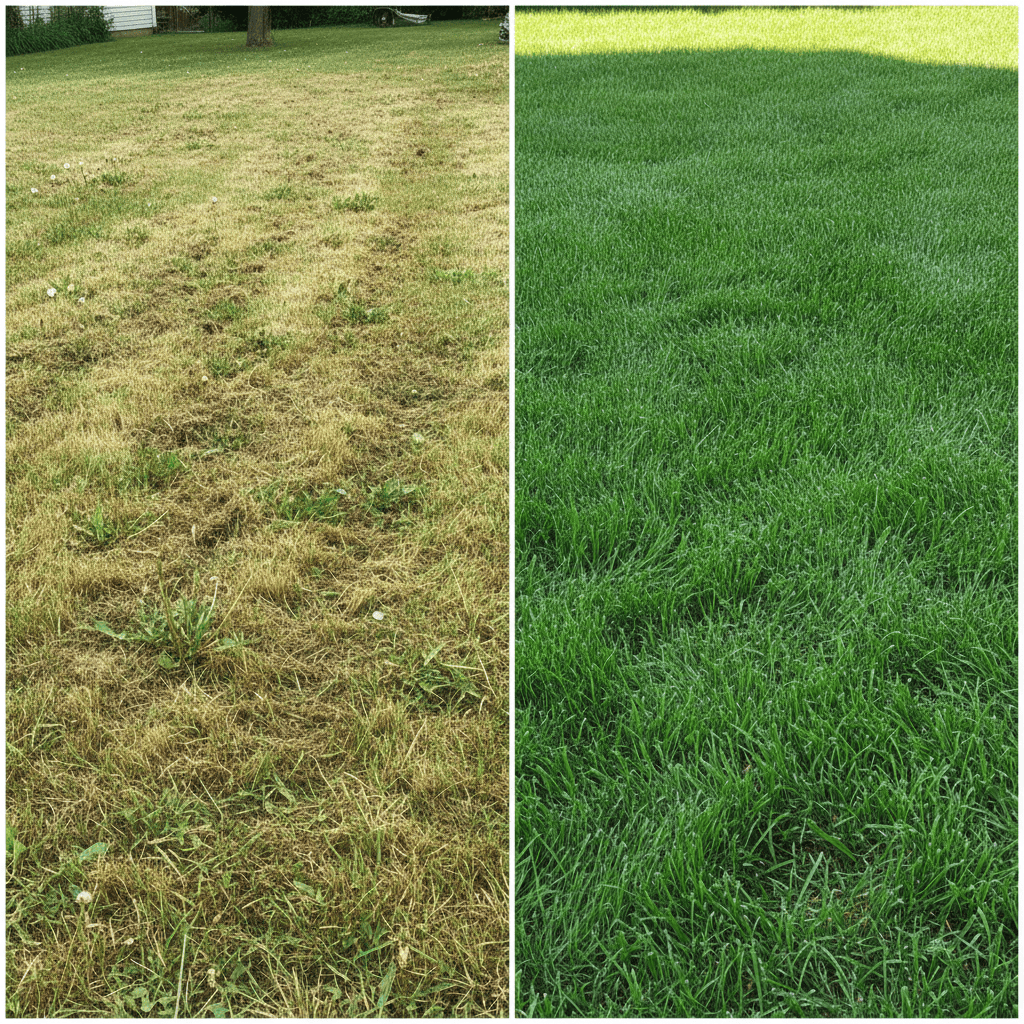
Mowing at the right time in spring sets the foundation for a healthy growing season. When you mow too early—before soil has warmed and grass has begun active growth—you stress dormant grass, delay recovery, and may even damage newly emerging shoots. Conversely, waiting too long allows grass to become overgrown, weakens the plant when you finally cut it, and can harbor disease-causing moisture and thatch buildup.
Proper spring mowing timing supports turf density, encourages lateral shoot development, and reduces weed competition by allowing desirable grass to establish dominance before weeds emerge. The first mow essentially signals the grass to shift from dormancy to active growth mode at the right biological moment.
Key Factors That Determine When to Start Mowing
Your mowing timeline depends on three interconnected factors:
- Grass Type: Cool-season grasses (bluegrass, fescue, ryegrass in northern climates) begin growing in early spring as temperatures warm. Warm-season grasses (bermuda, zoysia, St. Augustine in southern climates) remain dormant until soil temperatures reach 60–70°F, typically later in spring.
- Climate Zone: Your USDA hardiness zone determines how early spring truly arrives in your region. Northern zones (3–5) may not see mowable grass until April or May, while southern zones (8–10) may start in February or March.
- Soil Temperature: Soil temperature is a more reliable indicator than air temperature because it reflects the actual conditions where grass roots are growing. A basic soil thermometer inserted 2–3 inches into the ground provides accurate readings.
Soil Temperature Thresholds by Grass Type
Soil temperature is the single most important environmental indicator for spring mowing readiness. Cool-season grasses begin active growth when soil temperature reaches approximately 40–50°F. At these temperatures, root growth accelerates, shoots emerge more vigorously, and the plant can recover from mowing stress.
Warm-season grasses remain dormant or grow very slowly below 60–70°F. Attempting to mow warm-season grass before soil reaches this threshold risks scalping the dormant turf or mowing dead-looking growth that may not recover. Wait until soil temperature consistently stays in the 60–70°F range for several consecutive days before making the first mow.
Use a simple soil thermometer available at any garden center. Take readings at the same location each day for three to five consecutive days to confirm the soil has warmed sufficiently and isn’t experiencing temperature swings due to cold fronts.
The 1/3 Rule: Measuring Grass Height for Your First Mow
The 1/3 rule is the most important mowing principle for lawn health: never remove more than 1/3 of the grass blade in a single mowing. For your first spring mow, this means waiting until grass has grown to approximately 1/3 higher than your target mowing height.
For example, if your target summer mowing height is 2.5 inches, begin the first mow when grass reaches about 3.5–4 inches tall. This ensures you’re removing only the top third, minimizing stress on the plant and allowing it to recover quickly with healthy new growth.
To measure accurately, use a ruler or measuring stick. Walk several locations across your lawn and take multiple measurements to get an average height. Grass grows unevenly, so check shaded areas, sunny patches, and compacted zones to ensure the majority has reached the threshold height.
Regional Spring Mowing Timeline by Climate Zone
Northern Climates (USDA Zones 3–5): Cool-season grass regions typically see soil temperatures reach 40–50°F between mid-April and early May, depending on local frost dates and winter severity. Expect your first mow in late April through May. Monitor soil temperature rather than relying on a specific date, as spring onset varies year to year.
Transitional Climates (USDA Zones 6–7): These regions experience earlier spring warmth. Soil typically reaches mowing temperature by mid-April. If your lawn contains cool-season grasses, plan for the first mow in late March to mid-April. If transitioning to warm-season grasses or in a zone supporting both types, delay until soil consistently reaches appropriate temperatures for your grass type.
Southern Climates (USDA Zones 8–10): Warm-season grass domination means soil needs to reach 60–70°F for active growth. This typically occurs in February to March in zone 8, March to April in zone 9, and as early as January in zone 10. However, cool-season overseeding may be active in these regions during winter; allow overseed to mature and warm-season to break dormancy before mowing both together.
Step-by-Step: Preparing to Make Your First Spring Mow
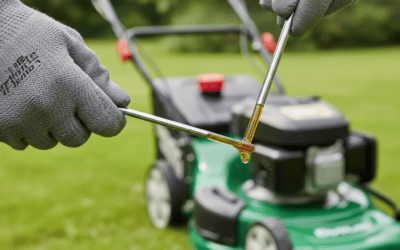
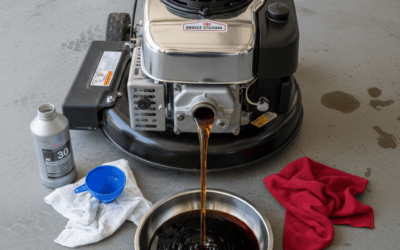
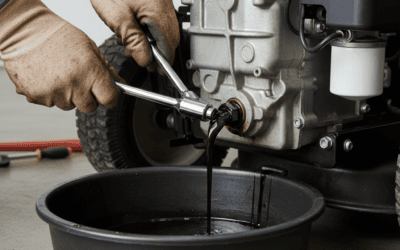
1. Service Your Mower: Before the season begins, change the oil, replace the spark plug if needed, sharpen the blade, and clean air filters. A dull blade tears grass rather than cutting cleanly, opening the plant to disease and stress. Sharp blades produce cleaner cuts that recover faster.
2. Check Soil Temperature Consistently: Begin taking soil temperature readings in early spring. Record them for three to five days to confirm a warming trend and that temperatures aren’t dropping again due to passing cold fronts.
3. Measure Grass Height: Once soil temperature is in range, measure grass height daily or every other day. When it reaches 1/3 higher than target height, you’re ready to mow.
4. Avoid Wet Grass: Do not mow when grass is wet from rain, dew, or irrigation. Wet grass clumps in the mower deck, clogs discharge chutes, and creates uneven cutting. Wet blades also compress under the mower wheel, damaging the plant and promoting fungal disease. Wait until grass is dry, typically afternoon of a morning rain.
5. Set the Mower Correctly: Set your mower to cut at the target height for your grass type (typically 2.5–3.5 inches for cool-season, 1.5–2.5 inches for warm-season). Ensure the deck is level so cutting height is consistent across the lawn.
Signs You’re Ready to Start Mowing
Several observable indicators signal that your lawn is ready for the first mow:
- Soil feels warm: When you dig your hand 2–3 inches into the soil, it should feel noticeably warmer, not cold to the touch.
- Grass is actively growing: The lawn should show vibrant green color and visible growth between waterings or rains, not pale dormant appearance.
- Weeds are emerging: If you see clover, dandelions, or other spring weeds beginning to establish, grass growth is active enough to support mowing.
- Height threshold is met: Grass has grown to at least 1/3 higher than your target cutting height when measured in multiple locations.
- No frost risk for several days: Check your local forecast to confirm that hard freezes are no longer predicted for at least a week ahead. A late frost after mowing won’t kill established grass, but it’s an unnecessary stress.
Common Mistakes to Avoid on Your First Spring Mow
Mowing Too Early: The most common error is mowing based on calendar date rather than grass readiness. Early mowing stresses dormant or slowly growing grass and delays spring green-up.
Cutting Too Short: Scalping grass on the first mow—removing more than 1/3 of the blade—weakens the plant and can expose soil, inviting weed germination. Even if winter dormancy left grass looking sparse, resist the urge to cut short.
Ignoring Soil Temperature: Air temperature and soil temperature can differ by 20°F or more. A warm spring day doesn’t mean soil has warmed. Always verify with a soil thermometer.
Mowing Wet Grass: Spring rains are frequent. Wait for grass to dry completely before mowing to ensure even cutting, prevent disease, and avoid mower clogging.
Frequently Asked Questions
Q: Can I mow my lawn if there’s still frost on the grass in the morning?
Yes, frost on the blade tips is fine. Frost is surface moisture on the grass leaf, not a sign that the plant is frozen. Wait for this surface moisture to evaporate (typically by mid-morning) so the grass is dry, but you don’t need to wait for all frost to disappear. However, if soil temperature hasn’t reached the appropriate threshold for your grass type, delay mowing regardless of morning frost.
Q: What if my grass looks brown or sparse in spring? Should I still mow?
Brown appearance in early spring is normal, especially for cool-season grasses, which may show dormancy until soil warms. Once soil temperature reaches 40–50°F and grass shows signs of active growth (vibrant green new shoots, noticeable daily height increase), proceed with mowing even if some brown dormant blades remain. The mower will remove dead tissue and stimulate healthy green growth. Avoid mowing if grass is still fully brown and dormant; wait another week or two.
Q: Is there a difference between the first mow and subsequent spring mows?
Yes. The first mow is more conservative—remove only 1/3 of the blade height to minimize stress on newly active growth. For subsequent mows, maintain the same cutting height and frequency (typically weekly once active growth is underway), continuing to follow the 1/3 rule. Once the lawn is mowing regularly in late spring and early summer, your routine is established and grass recovery is predictable.
Q: Should I bag clippings on the first mow?
Mulching (leaving clippings on the lawn) is beneficial even for the first mow if you follow the 1/3 rule, as short clippings decompose quickly and return nutrients to soil. However, if the first mow is removing significant length (because grass grew long over winter), clippings may be bulky. Bag them to prevent clumping and uneven coverage, then return to mulching for subsequent mows once growth rate normalizes.
Key Takeaways
Spring mowing timing is determined by two primary signals: soil temperature (40–50°F for cool-season grasses; 60–70°F for warm-season grasses) and grass height (1/3 higher than target cutting height). Combined, these indicators account for regional variation and grass type, ensuring you mow when the plant is physiologically ready to recover and grow. Always service your mower before the season, take soil temperature readings consistently, measure grass height accurately, and avoid mowing wet grass. By prioritizing plant health and environmental readiness over calendar dates, you’ll establish a strong foundation for a healthy, dense lawn throughout the growing season.