Direct Answer: Where to Spray Starting Fluid on a Lawn Mower
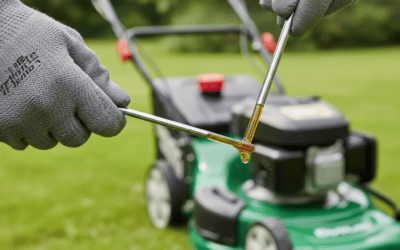
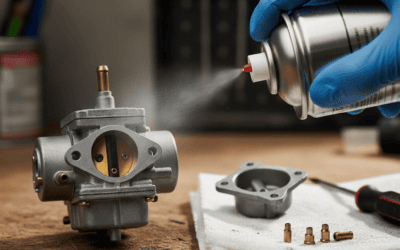
For most lawn mowers with carbureted engines, spray starting fluid directly into the air intake or carburetor throat while the engine is cranking. Locate the air filter housing on top of the engine, remove the air filter cover, and spray a 1-2 second burst into the opening. On visible carburetors, spray into the carburetor intake. Never spray into the fuel tank or spark plug hole, as this can damage the engine or create a fire hazard. Modern fuel-injected lawn mowers typically don’t require starting fluid.
Understanding When and Why Lawn Mowers Need Starting Fluid
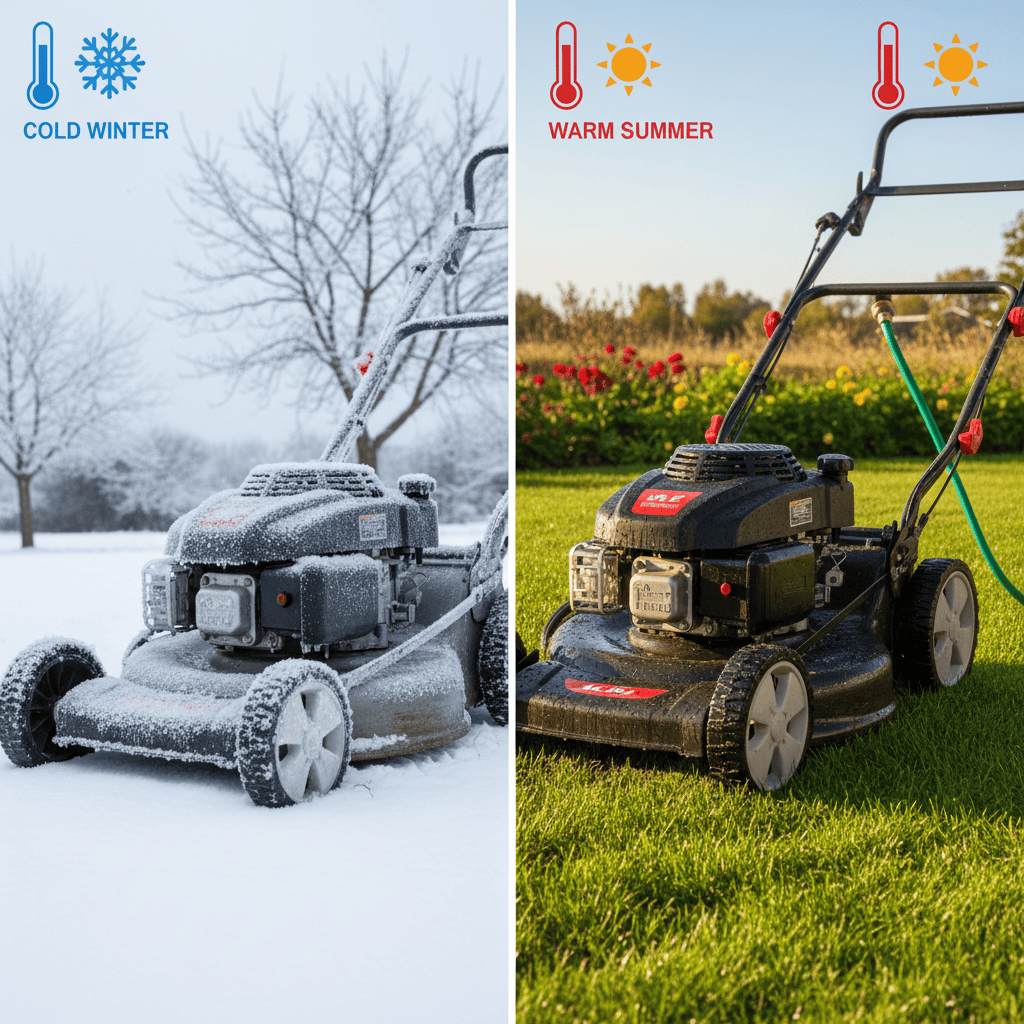
Starting fluid is a volatile fuel designed to help engines ignite in cold conditions. It contains highly flammable components that ignite at lower temperatures than gasoline, providing the spark needed to get a cold engine running. This is especially important for lawn mowers stored over winter or used in cold climates where traditional gasoline may not vaporize quickly enough to start the engine.
Starting fluid works best in situations where:
- The engine has been sitting for extended periods (winter storage)
- Temperatures drop below 50°F
- The fuel system may have gummy deposits from old fuel
- The carburetor has not been properly cleaned during storage
For lawn mowers used regularly during warm months, starting fluid is typically unnecessary. However, understanding proper application ensures you use it safely when needed.
Identifying Your Engine Type and Fuel System
Before applying starting fluid, determine what type of fuel system your mower has. This affects both where you spray and whether starting fluid is appropriate.
Carbureted vs. Fuel-Injected Engines
Carbureted engines have a visible carburetor assembly (usually a metal cylinder below the air filter) that mixes fuel and air. Fuel-injected engines use an electronic fuel pump and injectors, making the fuel system sealed and pressurized. You should not use starting fluid on fuel-injected engines, as it can damage fuel injectors and the engine control system. Fuel-injected mowers are designed to start reliably without it.
If you cannot identify your mower’s fuel system type, consult the owner’s manual or check for a fuel pump (fuel-injected models) versus a simple float bowl (carbureted models).
2-Stroke vs. 4-Stroke Engine Differences
Two-stroke engines (common on smaller mowers and trimmers) complete a full cycle every two piston strokes and typically require a fuel-oil mixture. Four-stroke engines (most common on residential lawn mowers) run on straight gasoline. Both types can benefit from starting fluid in cold conditions, but 2-stroke engines may be more difficult to start when cold due to their design. Apply starting fluid using the same air intake method for both types.
Locating the Air Intake and Carburetor on Your Mower
Finding the correct spray location requires identifying the air filter housing and carburetor area. Most residential lawn mowers follow similar layouts.
Finding the Air Filter
The air filter housing is typically a plastic or metal box located on top of or beside the engine. Look for a large cover with a cover nut in the center. Removing this cover exposes the air filter and the air intake opening below it. This is your primary spray location for starting fluid.
Locating the Carburetor
On mowers where the carburetor is visible (often on smaller or older models), it appears as a metal assembly with a bowl at the bottom and adjustment screws on the sides. The carburetor intake is the opening where the air filter attaches. Some carburetors also have a primer bulb—a small rubber button near the carburetor—that you can press before attempting to start.
Understanding the Air Intake Area
The air intake is the passage connecting the air filter to the engine’s combustion chamber. When you remove the air filter cover, you’re looking directly down into this intake. This is the ideal location for starting fluid because it mixes with incoming air and reaches the combustion chamber immediately, helping ignite the fuel already present in the cylinder.
Step-by-Step: How to Apply Starting Fluid Correctly
Proper application technique ensures the starting fluid works effectively and safely.
- Prepare the mower: Ensure the mower is on level ground and the fuel valve (if equipped) is in the ON position.
- Remove the air filter cover: Locate and remove the nut holding the air filter cover in place. Set the cover and filter aside safely.
- Position the starting fluid: Hold the can approximately 2-3 inches from the air intake opening, angled toward the carburetor or air intake throat.
- Spray while cranking: Have one person spray a 1-2 second burst of starting fluid into the air intake while another person slowly pulls the starter rope (or engages the electric starter). The timing is important—the spray should enter the engine as it’s trying to draw in air.
- Allow ignition: After spraying, continue cranking for 2-3 more pulls. The engine should ignite within this window if the starting fluid and spark are present.
- Wait before reapplying: If the engine doesn’t start after the first attempt, wait 10-15 seconds before applying another 1-2 second burst. Do not spray repeatedly in quick succession.
- Reassemble: Once the engine starts, immediately reinstall the air filter cover to prevent dirt from entering the engine.
Timing and Duration Guidelines
The 1-2 second spray duration is crucial. A shorter burst may not provide enough fuel vapor to ignite; a longer burst can oversaturate the engine and cause flooding or excessive smoke. Starting fluid ignites quickly—you may see a brief flame inside the air intake, which is normal. This indicates the ignition is working.
Spray only while the engine is actively cranking. Spraying before cranking wastes the volatile fuel, as it will evaporate before the engine draws it in.
Safety Precautions and What to Avoid
Starting fluid is highly flammable and requires careful handling to prevent injury and engine damage.
Where Never to Spray Starting Fluid
- Fuel tank: This can cause a dangerous pressure buildup or clog the fuel system.
- Spark plug hole: Spraying here can damage the spark plug or ignite fuel in the wrong part of the engine, causing backfire or crankcase pressure issues.
- Onto hot engine surfaces: Starting fluid ignites at very low temperatures. Spraying onto warm engine parts can cause immediate ignition and burns.
- Into the carburetor bowl directly: Unless the carburetor bowl is open, access only through the air intake above.
Preventing Engine Flooding
Excessive starting fluid application can flood the engine with fuel, preventing ignition. Signs of flooding include:
- Black smoke from the muffler
- Gasoline smell from the exhaust
- Engine cranks but doesn’t ignite after 2-3 pulls
If flooding occurs, stop trying to start the mower. Remove the spark plug and let excess fuel drain from the cylinder. Clean and dry the spark plug, then reinsert it before trying again.
Recommended PPE and Safety Practices
- Wear gloves: Starting fluid absorbs through skin and can cause chemical burns or systemic effects.
- Use in ventilated areas: The fumes are potent and potentially harmful. Always apply starting fluid outdoors or in a well-ventilated space.
- Keep away from ignition sources: The fluid is extremely flammable. Never smoke or use near open flames.
- Avoid contact with eyes: If contact occurs, rinse with water and seek medical attention.
- Store properly: Keep starting fluid in its original container, away from heat and sunlight, and out of reach of children and pets.
Troubleshooting: When Starting Fluid Doesn’t Work
If your mower still won’t start even with properly applied starting fluid, the problem lies elsewhere in the fuel or ignition system.
Common Issues and Causes
No spark: If the engine doesn’t ignite with starting fluid, the spark plug or ignition system may be faulty. Replace the spark plug first (the cheapest fix), and if that doesn’t work, the ignition coil or magneto may need servicing by a professional.
Clogged carburetor: Old fuel residue can block fuel passages, preventing fuel from reaching the combustion chamber. Even with starting fluid igniting briefly, the engine won’t continue running without regular fuel flow. This requires carburetor cleaning or replacement.
Bad fuel: Fuel older than 30 days in the tank can degrade and lose its starting properties. Drain the old fuel and add fresh gasoline. This is why seasonal mower maintenance (draining or stabilizing fuel over winter) is critical.
Incorrect choke position: Some mowers have manual choke controls. If the choke isn’t set to COLD when attempting a cold start, the engine won’t draw in enough fuel. Consult your manual for proper choke positioning.
When to Seek Professional Help
If starting fluid produces brief ignition (the engine fires once or twice) but won’t continue running, the ignition system is working, but the fuel system isn’t supplying regular fuel. This indicates a carburetor, fuel pump, or fuel line problem requiring professional repair. Similarly, if there’s no spark at all (confirmed by checking the spark plug visually during cranking), the ignition system requires professional diagnosis.
Alternatives to Starting Fluid for Cold Starts
Modern lawn mower maintenance and technology have reduced the need for starting fluid in many cases.
Fuel System Maintenance
The best way to avoid cold-start problems is preventive maintenance. Add fuel stabilizer to your mower’s fuel tank before winter storage, which prevents fuel degradation and carburetor gumming. In spring, drain old fuel or let the mower run until it empties, then refill with fresh gasoline.
Primer Bulb Priming
Many modern carbureted mowers have a rubber primer bulb on or near the carburetor. Pressing this bulb 5-10 times before attempting to start draws fresh fuel into the carburetor, eliminating the need for starting fluid in many cold-start situations. This is safer and more reliable than starting fluid.
Engine Pre-Heating
Some commercial or professional-grade mowers include engine block heaters for cold climates. These warm the engine slightly before starting, improving fuel vaporization. For homeowners, storing the mower in a heated garage or shed addresses the same issue.
Fuel-Injected Alternatives
Modern fuel-injected mowers are designed to start reliably in cold conditions without starting fluid. If you’re replacing an old mower, upgrading to a fuel-injected model eliminates the need for starting fluid maintenance entirely. These engines manage fuel flow electronically, ensuring proper cold-start operation automatically.
Frequently Asked Questions
How much starting fluid should I spray in my lawn mower?
A single 1-2 second burst is sufficient. This provides enough fuel vapor to ignite in the combustion chamber. If the engine doesn’t start after two or three cranks, wait 15 seconds and apply another burst, but do not exceed 2-3 total bursts per starting attempt. Overuse risks flooding the engine with liquid fuel that won’t ignite properly.
Can I use starting fluid on my fuel-injected lawn mower?
No. Fuel-injected mowers have sealed fuel systems designed to start reliably without starting fluid. Spraying starting fluid into the air intake can damage fuel injectors and the engine’s electronic control module. Fuel-injected engines are specifically engineered to eliminate the need for starting fluid in cold conditions.
What should I do if my lawn mower floods after using starting fluid?
Stop attempting to start the mower immediately. Remove the spark plug and allow excess fuel to drain from the cylinder (you may see fuel residue on the plug). Dry or replace the spark plug with a clean one, reinstall it, and attempt starting again without additional starting fluid. If the mower continues flooding, the carburetor may need professional cleaning.
Is starting fluid necessary for my lawn mower, or are there better alternatives?
Starting fluid is not always necessary, especially if you maintain your mower properly. Use a fuel stabilizer during off-season storage, keep fresh fuel in the tank, and use the primer bulb (if equipped) before attempting starts in cold conditions. These alternatives are safer and more reliable than starting fluid for most homeowners with modern equipment.
Conclusion
Spraying starting fluid into the air intake or carburetor throat while cranking the engine is the correct method for most carbureted lawn mowers. A 1-2 second burst at the right moment provides the fuel vapor needed to ignite a cold engine. However, proper storage, maintenance, and modern alternatives like primer bulbs and fuel stabilizers often eliminate the need for starting fluid altogether. For fuel-injected mowers, skip starting fluid entirely and rely on the engine’s electronic fuel management system. If your mower continues having cold-start issues despite correct starting fluid application, underlying carburetor or ignition problems require professional service.