Why Does My Lawn Mower Smoke? Direct Answer
Lawn mower smoke typically indicates one of five main problems: oil leaking onto hot engine components, an incorrect fuel-to-oil mixture, engine overheating, a clogged air filter, or worn internal seals. The color of the smoke provides crucial diagnostic information—white smoke suggests coolant or water issues, blue smoke indicates oil burning, and black smoke points to fuel problems or air filter blockage. Identifying accompanying symptoms and the smoke color helps pinpoint the exact cause so you can determine whether the mower needs simple maintenance or professional repair.
What Does Lawn Mower Smoke Color Tell You?
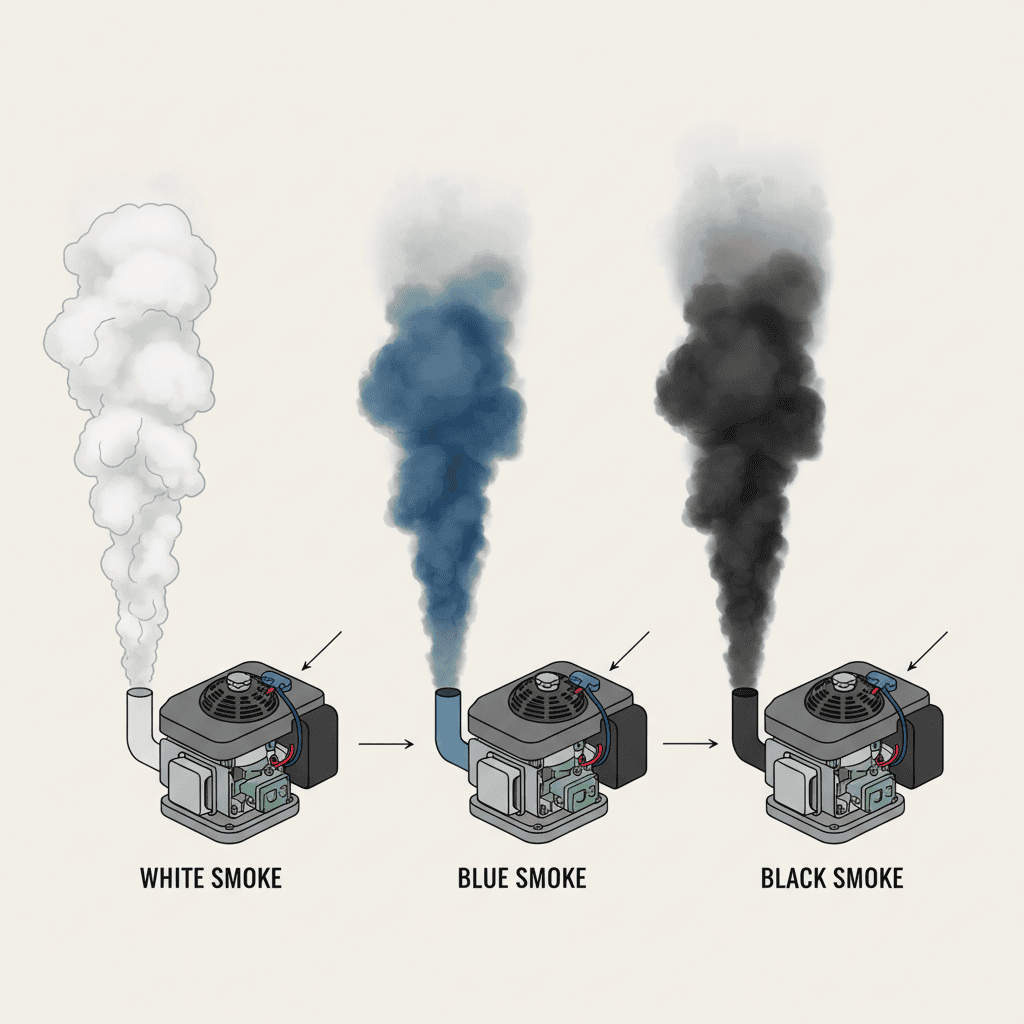
The color of smoke emerging from your lawn mower is your first diagnostic clue. Each color points to a different underlying problem, and recognizing these distinctions helps you take appropriate action.
White Smoke from a Lawn Mower
White smoke typically indicates moisture or coolant escaping from the engine. This occurs when water enters the combustion chamber, often due to condensation in the fuel tank during storage or water splashing into the carburetor during operation. White smoke may also result from a blown head gasket, which allows coolant to enter the combustion chamber.
Blue Smoke from a Lawn Mower
Blue or gray smoke is the most common lawn mower smoking problem and indicates that engine oil is burning inside the combustion chamber. This happens when oil seeps past worn piston rings, valve seals, or into the carburetor through a leaking seal. Blue smoke often accompanies an oil smell and typically worsens during acceleration or when the engine is under load.
Black Smoke from a Lawn Mower
Black smoke suggests the engine is running too rich—meaning it’s burning more fuel than air. This occurs when the carburetor is delivering excess fuel or the air filter is severely clogged, restricting airflow. Black smoke may also indicate a malfunctioning fuel injector or ignition timing problem, depending on your mower’s design.
Does Smoke Smell Matter in Diagnosis?
Yes, smell provides additional diagnostic information. A strong oil smell accompanying blue smoke confirms oil burning. A sharp, acrid smell with black smoke suggests fuel combustion issues. A sweet smell with white smoke may indicate coolant leakage. Combining visual and olfactory observations narrows down the problem significantly.
Common Causes of Lawn Mower Smoking
Oil Leaks and Leaking Seals
Oil leaking onto the hot engine surfaces is one of the most common smoking causes. Small leaks from valve cover gaskets, drain plugs, or oil seals can allow oil to drip onto the muffler or cylinder head, where high temperatures cause it to smoke. Over time, seals and gaskets deteriorate, particularly in older mowers or those operated in dusty conditions. Worn piston rings also allow oil to enter the combustion chamber directly, burning it and producing blue smoke.
Incorrect Fuel-to-Oil Mixture
Two-stroke engines require a precise fuel-to-oil mixture ratio, typically between 50:1 and 100:1 depending on the manufacturer. Mixing too much oil creates rich combustion that produces excessive smoke. Conversely, insufficient oil causes inadequate engine lubrication and can lead to overheating. Four-stroke engines should never have oil mixed into the fuel; any fuel contamination creates smoke issues. Using the wrong fuel type or adding oil to a four-stroke engine is a common mistake for users unfamiliar with their mower’s design.
Engine Overheating
Lawn mower engines are designed to operate within specific temperature ranges. Overheating occurs when airflow around the engine is restricted (often due to grass and debris clogging cooling fins), the oil level is too low, or the engine is operated continuously under extreme load without cooling breaks. An overheating engine produces smoke as lubricant breaks down and fuel ignites prematurely. Signs of overheating include decreased performance, difficulty starting, and visible heat distortion near the engine block.
Clogged Air Filter
The air filter prevents dust and debris from entering the engine. A severely clogged filter restricts airflow, creating a fuel-rich condition that produces black smoke. Grass clippings, dust, and dirt accumulate in paper or foam filters during normal operation, especially in dusty conditions. A clogged filter also reduces engine power and fuel efficiency, making this one of the easiest problems to diagnose and fix.
Worn Internal Seals and Gaskets
All lawn mower engines contain multiple seals and gaskets that prevent oil from escaping or entering areas where it shouldn’t be. As mowers age, these components deteriorate from heat cycles, vibration, and exposure to moisture. Deteriorated seals allow oil to seep into the combustion chamber, the carburetor, or onto external hot surfaces—all of which produce smoke. Replacing worn seals typically requires partial engine disassembly and should be performed by experienced technicians.
Step-by-Step Troubleshooting Guide
Safety First: Basic Precautions
Before inspecting your smoking lawn mower, always turn off the engine and allow it to cool for at least 15 minutes. Never work on a hot engine, as components can cause severe burns. Disconnect the spark plug wire to prevent accidental starting. Ensure you’re working in a well-ventilated area, preferably outdoors, away from fuel sources or ignition hazards.
Check the Oil Level and Condition
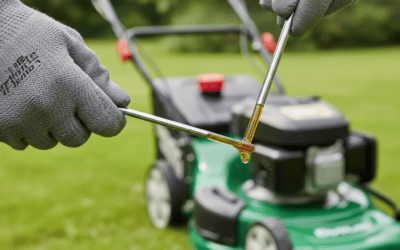
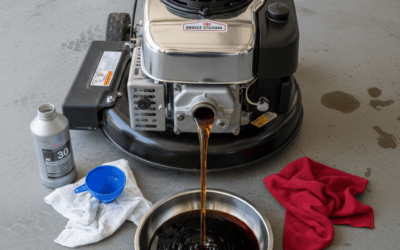
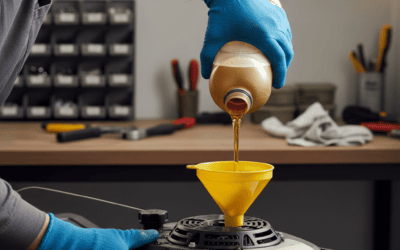
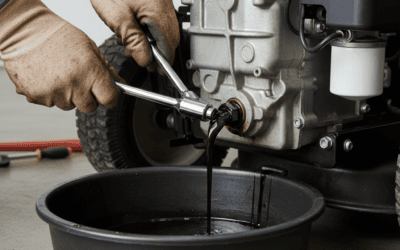
Locate your mower’s dipstick or oil sight glass, usually on the side of the engine. Check the current oil level—it should reach the full mark when the mower is on level ground. If oil is low, add the correct grade specified in your manual (typically SAE 30 for warm weather or 10W-30 for cooler climates). Dark, burnt-smelling oil indicates overheating or age and should be changed. Check oil every 50 hours of operation or before each mowing season.
Inspect for Visible Oil Leaks
With the engine cool, place a cardboard or white paper under the mower overnight to catch any drips. Fresh oil stains indicate active leaks. Examine the valve cover gasket, oil drain plug, and base of the engine for seepage. Minor weeping from gaskets may not require immediate attention, but steady dripping signals a problem. Small leaks from accessible components like drain plugs can sometimes be fixed by tightening bolts; major leaks from seals or gaskets typically require professional service.
Verify Correct Fuel Mixture (Two-Stroke Engines)
If your mower has a two-stroke engine, confirm the fuel-to-oil ratio in your manual. Two-stroke mowers require pre-mixed fuel and oil. Mix fuel and oil in a separate container before adding to the tank—never add oil separately to the fuel tank. Use fresh fuel; stale gas can produce excessive smoke and create starting problems. For four-stroke engines, ensure you’re using fuel only, with no oil added.
Check and Clean the Air Filter
Locate the air filter housing, typically a black plastic box on the top or side of the engine. Open it and remove the filter element. Hold it to a light source; if you cannot see light through the paper, it requires replacement. For foam filters, rinse gently with warm soapy water and allow to dry completely before reinstalling. A clean or new air filter often eliminates black smoke immediately. Replace air filters annually or more frequently in dusty environments.
Inspect the Carburetor and Fuel System
If your mower has sat unused for extended periods, fuel may have gummed up inside the carburetor, creating a rich fuel condition. Fuel stabilizers added during storage help prevent this. For mowers with visible fuel leaks around the carburetor or fuel line connections, tighten any loose bolts. If problems persist, the carburetor may require professional cleaning or replacement.
Check the Spark Plug
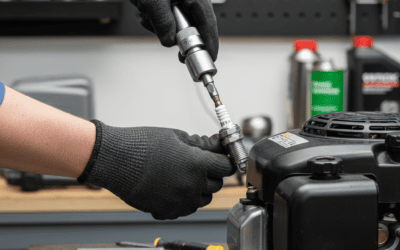
Remove the spark plug wire and unscrew the spark plug using the correct socket size. Examine the electrode gap and overall condition. A fouled spark plug covered in black carbon or oil buildup can contribute to smoking and poor combustion. Replace the spark plug if it appears damaged or heavily soiled. A new spark plug is inexpensive and often improves performance significantly.
Mower Type Considerations
Push Mowers vs. Riding Mowers
Both push and riding mowers use similar engines and experience the same smoking causes. Riding mowers, however, may have additional hydraulic systems and extended cooling demands due to larger frame sizes. Riding mowers are also subject to heavier loads, making overheating more likely if cooling fins are clogged or oil levels are low. Push mowers are simpler and easier to troubleshoot, while riding mower problems may require professional diagnosis of hydraulic leaks or transmission issues in addition to engine smoking.
Gas Mowers vs. Electric Mowers
Gas-powered mowers are prone to all smoking issues described in this guide. Electric mowers, whether corded or battery-powered, do not produce smoke during normal operation. If an electric mower smokes, it typically indicates electrical component failure such as burnt-out motor windings or battery malfunction, which requires replacement rather than repair. Electric mowers eliminate many maintenance issues associated with combustion engines.
Age and Smoking Causes
Newer mowers that suddenly smoke often have easily fixable problems like clogged air filters, low oil, or old fuel in the tank. Older mowers with years of service are more likely to suffer from worn seals and gaskets that require professional replacement. A mower more than 10-15 years old with extensive smoke and performance problems may be a candidate for replacement rather than costly engine repairs. Compare the cost of repairs to the price of a new mower to make an informed decision.
When to Seek Professional Repair vs. Replacement
Problems You Can Often Fix Yourself
Clogged air filters, low oil, old fuel, dirty spark plugs, and loose bolts are problems most homeowners can address with basic tools and minimal mechanical knowledge. These fixes typically cost under $50 in parts and take less than an hour to complete. Watching instructional videos specific to your mower model increases success rates. Always refer to your mower’s manual for specific procedures.
Problems Requiring Professional Service
Worn piston rings, damaged valve seals, blown head gaskets, and damaged internal engine components require partial or complete engine disassembly. These repairs demand specialized tools, expertise, and time, typically costing $200-$500 or more depending on the problem. Carburetor rebuild or replacement, fuel injector problems (on newer engines), and hydraulic issues on riding mowers also require professional attention.
Repair vs. Replacement Decision
A rule of thumb suggests that if repair costs exceed 50% of a new mower’s price, replacement becomes the more economical choice. A basic push mower costs $200-$400, while professional engine repairs may reach $300-$500. For riding mowers costing $1,500-$3,000 or more, repair becomes more cost-effective for expensive components. Consider also the mower’s age and overall condition; an older mower with multiple problems may benefit from replacement despite one specific repair being affordable in isolation.
Frequently Asked Questions
Is it safe to operate a smoking lawn mower?
Operating a smoking mower is generally not recommended. Smoke indicates that something within the engine is not functioning correctly, and continued operation may worsen the problem or cause complete engine failure. Additionally, excessive smoke indicates incomplete combustion, which reduces efficiency and performance. Identify and resolve the smoking cause before continued use to prevent damage and ensure safety.
Can old fuel cause lawn mower smoke?
Yes, fuel left in the tank during storage can oxidize and gum up, creating residue in the carburetor that produces excessive smoke. Fuel typically remains usable for 30 days; beyond that, additives like stabilizers help preserve it. If your mower has been stored for months or years without fuel stabilizer, drain the old fuel, clean the carburetor if necessary, and refill with fresh fuel. This simple step resolves smoking in many stored mowers.
Why does my new lawn mower smoke?
A brand-new mower may produce light smoke during the first few operating hours as manufacturing residues and break-in lubricants burn off. This is typically normal and decreases over time. However, excessive smoke from a new mower suggests either a manufacturing defect or operational error such as incorrect fuel mixture for two-stroke engines or overfilling the oil. Check your manual’s break-in procedures and confirm you’re following them correctly. If smoke persists beyond the break-in period, contact the manufacturer for warranty support.
What does it mean if my lawn mower only smokes when starting?
Light smoke during cold starts is often normal, particularly in cooler weather or after prolonged storage. The engine is cold, combustion is less efficient, and condensation may be present. Smoke should diminish once the engine warms up. If smoke persists after the engine reaches operating temperature or if it’s excessive even during starting, this indicates one of the problems discussed in this guide. Investigate oil level, air filter condition, and fuel quality as first steps.
Maintenance Tips to Prevent Future Smoking
Regular maintenance prevents most lawn mower smoking issues. Change the oil annually or every 50 hours of operation, following the viscosity and capacity specifications in your manual. Replace the air filter at least once per year, more frequently in dusty environments. Use fresh fuel mixed with stabilizer if your mower will sit unused for more than 30 days. Store your mower in a dry location to prevent rust and corrosion. Allow the engine to cool after operation before storing to prevent oil degradation. Run your mower for a few minutes at the beginning of each season to circulate fresh oil and identify any problems before intensive use.
Following these maintenance practices keeps your lawn mower running smoothly and smoking-free for many seasons of reliable service.