Quick Answer: Lawn mowers fail to start most commonly due to stale or contaminated fuel, fouled spark plugs, dead or corroded batteries, or a flooded engine. Start by checking fuel presence and spark plug condition, then progress to electrical and carburetor diagnostics to isolate the problem.
Understanding Why Lawn Mowers Won’t Start
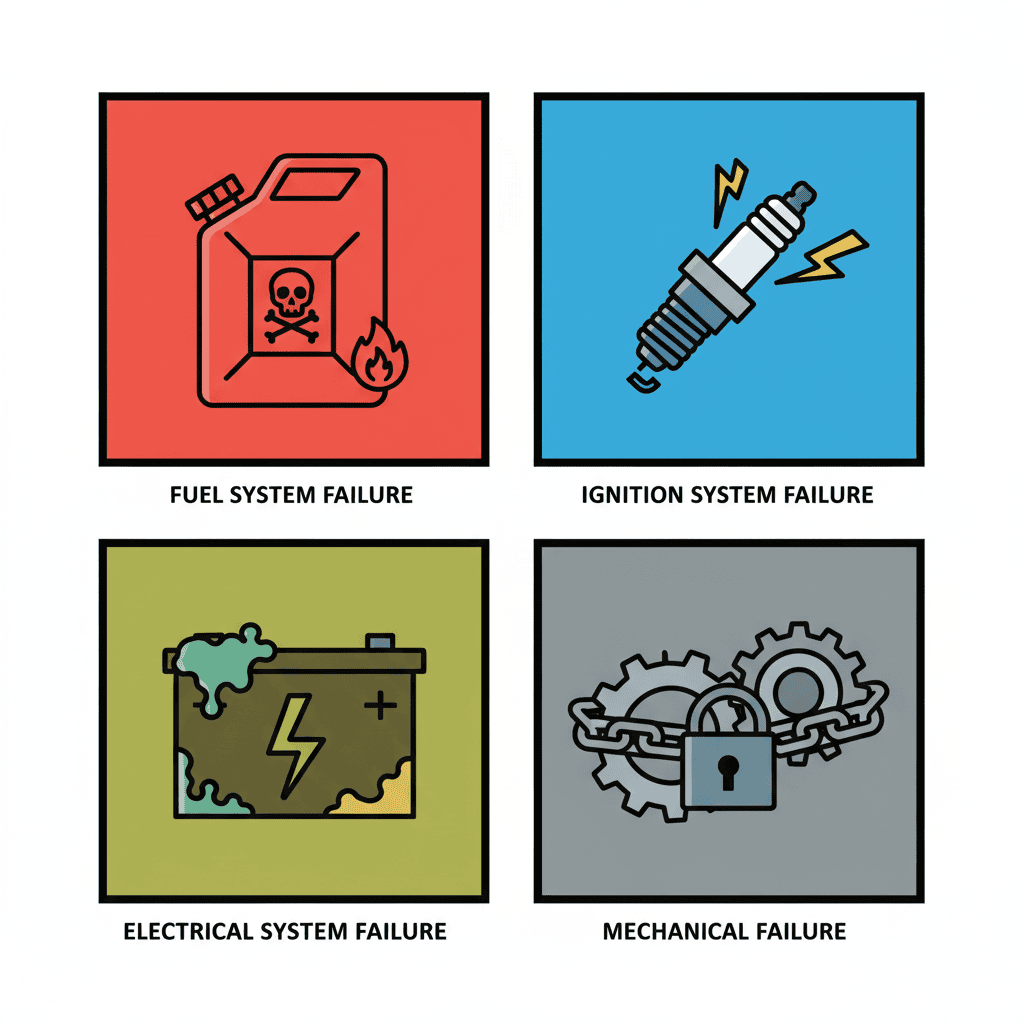
When a lawn mower refuses to start, the cause typically falls into one of four categories: fuel system problems, ignition system failures, electrical issues, or mechanical blockages. Understanding which category your mower falls into narrows troubleshooting significantly.
Fuel-related issues account for the majority of starting failures, particularly at the beginning of mowing season. Ignition problems involve the spark plug and associated circuits. Electrical failures primarily affect battery-powered and electric-start gas mowers. Mechanical issues like engine flooding or blade resistance are less common but still fixable without professional service.
The key to efficient troubleshooting is starting with the simplest, most accessible checks before moving to more complex diagnostics. This approach saves time and prevents unnecessary part replacement.
Step 1: Check Fuel and Carburetor Issues
Fuel problems are the leading cause of lawn mower starting failures. Before investigating ignition or electrical systems, verify your fuel situation.
Checking Fuel Presence and Condition
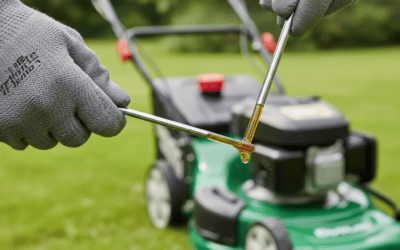
First, confirm the mower has gasoline in the tank. This sounds basic, but it’s often overlooked. If fuel is present, assess its age and appearance:
- Stale fuel: Gasoline older than 30 days begins to break down, forming varnish deposits that clog the carburetor. If you stored your mower over winter with fuel inside, stale gas is likely your culprit.
- Water contamination: Fuel sitting for extended periods absorbs moisture from the air. Water in the fuel prevents combustion and corrodes internal fuel system components.
- Fuel color: Fresh gasoline appears clear to light yellow. Dark brown or cloudy fuel indicates oxidation or contamination.
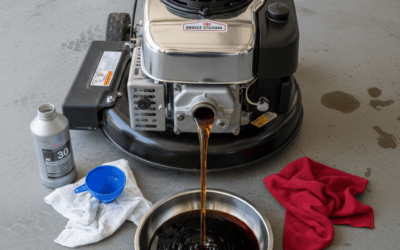
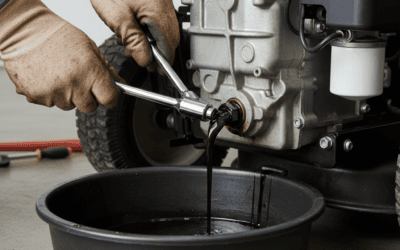
If fuel is questionable, drain the tank completely using the fuel shut-off valve (if equipped) or by removing the fuel line. Dispose of old fuel properly at a hazardous waste facility—never pour it down drains.
Carburetor Flooding and Cleaning
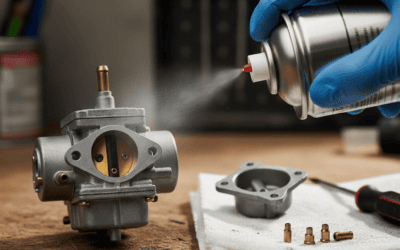
The carburetor mixes fuel and air for combustion. When fuel sits idle, it evaporates and leaves sticky varnish deposits inside the carburetor, preventing the fuel valve from closing properly. This causes flooding—excess fuel entering the engine without igniting.
Signs of a flooded engine include:
- Strong fuel smell near the mower
- Wet spark plug or oil-soaked engine
- Engine attempting to turn over but failing to fire
- Black smoke or excessive exhaust
To address carburetor issues:
- Drain old fuel from the tank completely
- Refill with fresh, quality gasoline (use fuel with ethanol if your mower is post-1980)
- Add a fuel stabilizer to prevent future varnish buildup
- Run the mower for 10-15 minutes to flush new fuel through the system
If the mower still doesn’t start after fuel replacement, the carburetor may require cleaning or replacement. Some mowers have a carburetor bowl drain plug at the bottom—unscrewing this allows old fuel and sediment to drain without full tank removal. For stubborn varnish, carburetor cleaner (available at hardware stores) can dissolve deposits, though complete carburetor disassembly may be necessary for severe cases.
When to Replace Fuel and Equipment
Replace stored fuel annually before the mowing season. Use fuel with a stabilizer additive during off-season storage to extend fuel life. If your mower sits unused for more than three months, drain the fuel tank and carburetor completely to prevent varnish formation. Empty carburetors are one of the best preventative measures against starting problems.
Step 2: Inspect the Spark Plug
Once fuel is confirmed fresh and the carburetor is clear, the spark plug becomes your focus. A faulty spark plug prevents ignition regardless of fuel quality.
Locating and Removing the Spark Plug
Most lawn mowers have one spark plug, accessible without tools or with a simple spark plug socket. To locate it:
- Turn off the mower and allow the engine to cool
- Disconnect the spark plug wire (the thick rubber connector) by twisting gently and pulling away
- Using a spark plug socket, loosen and remove the plug by turning counterclockwise
Never skip disconnecting the spark plug wire before removal—this prevents accidental engine cranking during maintenance.
Diagnosing Spark Plug Condition
A healthy spark plug has a light tan or brown electrode and minimal deposits. Compare your plug against these common failure patterns:
- Fouled (black, oily): Caused by too much fuel, cold starts without ignition, or running with a clogged air filter. Clean lightly with a wire brush or replace if heavily soaked.
- Wet/flooded: Excess fuel has contacted the plug. Dry thoroughly or replace.
- Heavily eroded or corroded: The spark plug has reached the end of its life. Replace immediately.
- Correct gap: Spark plugs have a specific gap (space between electrodes) that generates the spark. If bent, the plug won’t fire correctly.
Testing and Replacement
To test if a spark plug is firing, reconnect the wire to the plug and position it near a metal part of the engine. Pull the starting cord hard several times—you should see a small spark jump across the plug gap. If no spark appears, replace the plug.
Replacement spark plugs for lawn mowers cost $5–$15 and are simple to install. Screw the new plug in by hand first (to avoid cross-threading), then use the socket to tighten firmly—not over-tight, as this damages the ceramic.
Step 3: Diagnose Battery and Electrical Problems
Electric-start gas mowers and battery-powered mowers depend on electrical systems. A dead or failing battery is the primary electrical culprit.
Battery Status Checks
For battery-powered mowers, confirm the battery is fully charged before troubleshooting. Low or depleted batteries struggle to provide the current needed for the motor to turn over. Recharge completely according to the manufacturer’s instructions—typically 4–8 hours for lithium-ion batteries.
For gas mowers with electric starters, check the battery terminals:
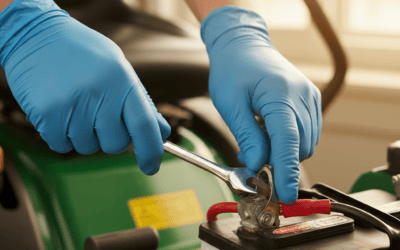
- Corrosion: White, blue, or green crusty deposits on terminals prevent electrical contact. Clean terminals with a wire brush or battery terminal cleaner.
- Loose connections: Ensure battery cables are tight. A loose negative cable can prevent the ground circuit from completing.
- Battery age: Lawn mower batteries typically last 3–5 years. If your battery is older and won’t hold charge, replacement is necessary.
Testing Battery Voltage
A multimeter (a simple, inexpensive tool) measures battery voltage. Set it to DC voltage and touch the probes to the positive and negative terminals. A healthy 12-volt battery reads 12.6 volts or higher when fully charged. Readings below 12 volts indicate a weak battery requiring charging or replacement.
Starter Motor Issues
If the battery is strong but the starter doesn’t engage (no cranking sound when you pull the cord or turn the key), the starter motor itself may be faulty. This requires professional repair or replacement.
Step 4: Check for Engine Flooding or Mechanical Blocks
Less common but still fixable issues involve physical engine problems.
Addressing Engine Flooding
A flooded engine has too much fuel in the combustion chamber, preventing ignition. To clear this:
- Remove the spark plug and set it aside
- Pull the starting cord 5–10 times to force excess fuel out of the cylinder
- Leave the plug out for 10 minutes to allow fuel vapors to evaporate
- Dry the spark plug, reinstall it, and reconnect the wire
- Try starting again
Checking Blade Resistance
If the engine cranks but won’t turn over (the blade feels locked), something is preventing internal motion. Common causes include:
- Debris in the blade: Stop the mower, remove the spark plug wire, and check underneath for grass, sticks, or objects wrapped around the blade. Remove carefully.
- Bent blade: A damaged blade creates excessive resistance. Blade replacement is the safest fix.
- Transmission lock: Some mowers have a blade brake that must be disengaged. Consult your manual for your specific model.
Quick Decision Tree: Gas vs. Electric Mowers
Troubleshooting approaches vary slightly between mower types:
| Issue Type | Gas Mower Steps | Electric/Battery Mower Steps |
|---|---|---|
| Won’t start at all | Check fuel, spark plug, battery terminals, starter | Check battery charge level first; verify connections are secure |
| Weak cranking | Test battery voltage; clean corroded terminals | Recharge battery fully; check for damaged battery contacts |
| Engine cranks but won’t fire | Inspect spark plug; check fuel quality; clear carburetor | Not applicable—electric mowers either turn on or don’t |
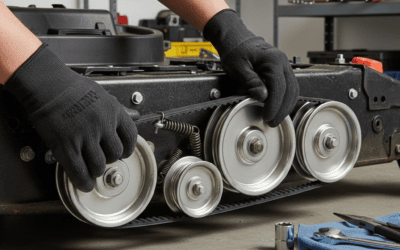
| Blade won’t spin | Remove spark plug wire; clear debris from blade area; inspect belt | Remove battery; clear debris; check for mechanical damage |
Frequently Asked Questions
How do I know if my spark plug is bad?
A bad spark plug typically appears black or oily, has eroded electrodes, or produces no spark when tested near metal. Pull the starting cord with the spark plug disconnected near a metal engine component—you should see a small blue spark. If no spark appears or the plug is visibly fouled, replace it. Spark plugs are inexpensive ($5–$15) and quick to change, making replacement worthwhile if there’s any doubt.
Can old fuel really prevent my lawn mower from starting?
Yes. Gasoline older than 30 days begins oxidizing, forming varnish deposits that clog the carburetor and prevent fuel from flowing. This is one of the most common causes of mower starting problems, particularly at the beginning of mowing season after winter storage. Drain old fuel, refill with fresh gasoline, and add a fuel stabilizer to prevent the problem next season.
What should I do if my mower is flooded?
A flooded engine has excess fuel in the combustion chamber. Remove the spark plug and pull the starting cord 5–10 times without the plug installed to force fuel out of the cylinder. Leave the plug out for 10 minutes to allow vapors to evaporate, then reinstall the plug and wire and attempt starting again. Avoid pulling the cord excessively when flooded, as this can damage the starter.
When should I call a professional for mower repairs?
If you’ve completed all the troubleshooting steps above—checked fuel, spark plug, battery, and mechanical obstructions—and the mower still won’t start, professional service is warranted. Additionally, if the starter motor won’t engage, the transmission is locked, or the engine makes unusual grinding sounds, a technician can diagnose issues beyond basic troubleshooting. Attempting complex carburetor disassembly or internal engine work without experience may cause additional damage.
Prevention: Avoiding Future Starting Issues
The best approach to starting problems is prevention through proper maintenance:
- Seasonal fuel management: Replace fuel annually and use a fuel stabilizer during off-season storage
- Empty carburetors: Run the mower on “choke” until fuel is consumed, then disconnect the spark plug wire and turn off the fuel valve before storing for more than three months
- Regular spark plug inspection: Check spark plugs annually and replace every 1–2 years
- Clean air filters: A clogged air filter forces the engine to run too rich, fouling the spark plug. Replace filters annually
- Proper storage: Store the mower in a dry location away from moisture and temperature extremes
Following these practices prevents the majority of lawn mower starting issues, ensuring reliable operation when mowing season arrives.