Why Your Toro Lawn Mower Won’t Start: Quick Answer
The most common reasons a Toro lawn mower won’t start are stale or contaminated fuel, a fouled spark plug, a clogged carburetor, a dead battery (on electric-start models), or corroded ignition terminals. Most homeowners can diagnose and fix these issues in under an hour using basic tools. Start by checking fuel freshness and spark plug condition—these account for roughly 80% of starting failures. If those check out, systematically work through the fuel system and electrical components.
The Most Common Causes of Toro Mower Starting Failure (Ranked by Frequency)
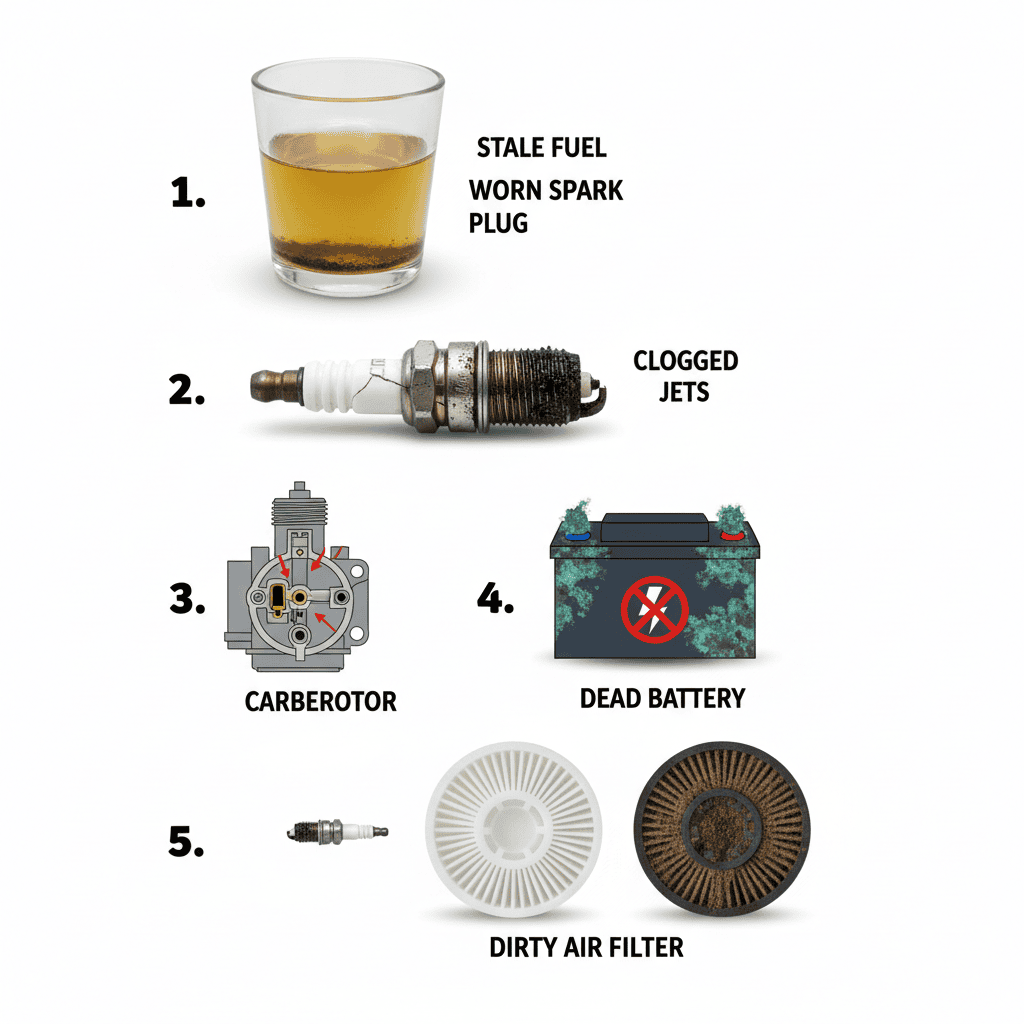
1. Stale or Contaminated Fuel
Gasoline begins to break down after 30 days of storage, and by 90 days it becomes noticeably gummy and oxidized. In a sealed mower tank, fuel degrades even faster because condensation forms inside the tank, mixing water with the gas. Stale fuel clogs the carburetor jets and prevents the engine from drawing the proper fuel-air mixture needed for ignition.
Signs: The mower cranks but won’t catch, or starts briefly then dies. Fuel in the tank smells varnish-like or has visible sediment.
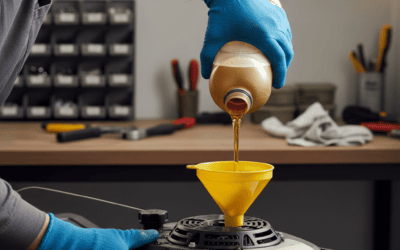
Fix: Drain the old fuel completely and replace it with fresh gasoline mixed with a fuel stabilizer (ethanol-free fuel is ideal). Run the mower for 5–10 minutes to cycle fresh fuel through the system.
2. Fouled or Worn Spark Plug
Spark plugs wear out over 100–150 hours of use or become fouled by carbon buildup, oil residue, or wet conditions. A fouled plug cannot generate the spark needed to ignite the fuel-air mixture.
Signs: Engine cranks normally but produces no ignition sound; black or oily residue visible on the plug electrode.
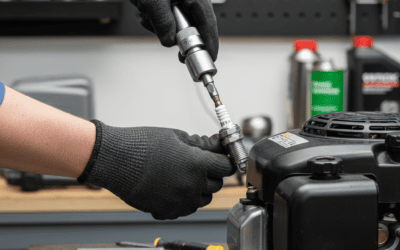
Fix: Remove the spark plug wire, unscrew the old plug, and inspect it. If it’s black, oil-soaked, or the electrode gap is wider than 0.040 inches, replace it with a new one matched to your Toro model (check the manual or the old plug for the part number). Gap the new plug to specification before installation.
3. Clogged Carburetor
The carburetor meters fuel into the engine. When stale fuel leaves varnish deposits, or when the mower sits unused for months, the carburetor’s small jets and passages become clogged. Fuel cannot flow through, so the engine receives no fuel despite the tank being full.
Signs: Mower hasn’t run in 6+ months; cranks but won’t start; starts briefly after spraying starter fluid into the air intake, then dies immediately.
Fix: For mild clogging, try running carburetor cleaner through the fuel line into the carb while the engine cranks. For heavy buildup, the carburetor must be removed, disassembled, and soaked in carburetor cleaner overnight. Many homeowners prefer to replace a clogged carburetor rather than rebuild it—replacement units for Toro push mowers cost $40–$100.
4. Dead or Weak Battery (Electric-Start Models)
Batteries lose charge over time, especially over winter. Cold temperatures reduce battery voltage further, and corrosion on battery terminals blocks electrical flow to the starter motor.
Signs: Clicking sound when you turn the key but the engine doesn’t crank; no sound at all; headlights dim when you attempt to start.
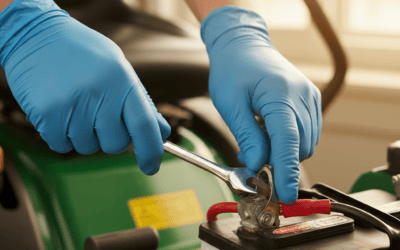
Fix: Test the battery with a multimeter (should read 12.6 volts or higher when disconnected). If below 12 volts, recharge the battery or replace it. Clean any white, blue, or green corrosion from the terminals using a wire brush and reconnect.
5. Clogged Air Filter
A heavily clogged air filter starves the engine of oxygen, making starting difficult or impossible. The engine cannot draw enough air to form a combustible mixture.
Signs: Dense black or gray layer of dust and debris visible on the filter element; mower runs poorly when it does start.
Fix: Locate the air filter housing (typically a plastic box on top or side of the engine), unclip it, and remove the filter element. Tap it gently to dislodge loose dirt, or replace it entirely if heavily soiled. New foam or paper filter elements cost $5–$15.
Decision-Tree Troubleshooting: What Happens When You Turn the Key?
Scenario 1: No Sound or Click at All
When you turn the ignition key or pull the starter cord, nothing happens—no cranking, no clicking, complete silence.
Most likely causes:
- Battery is completely dead (electric-start models only)
- Battery terminals are severely corroded
- Starter motor is faulty
- Ignition switch is broken
What to do: Test the battery voltage. If it reads 0 volts or the battery terminals are crusted with corrosion, clean the terminals and recharge the battery. If the battery is good but nothing still happens, the starter motor or ignition switch likely needs professional replacement.
Scenario 2: Engine Cranks But Won’t Catch or Start
The engine turns over normally (you hear it spinning), but it won’t ignite. No sputtering or backfiring—just the crank-crank-crank sound.
Most likely causes:
- Stale fuel in the tank
- Fouled spark plug
- Clogged carburetor or fuel line
- Spark plug wire disconnected or faulty
- Broken ignition coil
What to do: First, remove and inspect the spark plug. If it’s black or wet, replace it. If the plug looks good, drain the old fuel, refill with fresh gas, and try starting again. If it still won’t start, spray carburetor cleaner into the air intake while cranking to see if the engine briefly catches (this indicates a fuel system blockage).
Scenario 3: Engine Tries to Start But Dies Immediately
The mower catches and runs for a second or two, then stalls. This often repeats each time you try.
Most likely causes:
- Fuel starvation (carburetor clog, kinked fuel line)
- Air leak in the fuel line or carburetor gasket
- Incorrect choke position
- Weak spark that ignites the initial fuel but fails under load
What to do: Ensure the choke is in the correct starting position (consult your manual). Drain old fuel and use fresh fuel with stabilizer. Inspect fuel lines for cracks or kinks. If the mower still won’t run for more than a few seconds, the carburetor likely needs cleaning or replacement.
Fuel System Diagnosis: Checking and Fixing Fuel Issues
How Long Can Fuel Sit Before It Becomes Problematic?
Gasoline is unstable and begins oxidizing within 30 days. By 90 days (3 months), it becomes visibly gummy and varnished. Lawn mowers stored over winter with fuel in the tank almost always develop fuel system issues by spring. Ethanol-blended gasoline (standard in most U.S. stations) degrades faster than ethanol-free fuel.
How to Safely Drain Stale Fuel
- Locate the fuel valve or drain plug. Some Toro mowers have a small valve at the bottom of the fuel tank; others require removing the fuel line.
- Place a container underneath to catch old fuel.
- Open the valve or disconnect the fuel line and let fuel drain completely.
- Dispose of old fuel responsibly at a hazardous waste facility or gas station. Do not pour it down the drain.
- Refill with fresh fuel and add a fuel stabilizer (brands like Sta-Bil or Gumout work well).
What Type of Fuel Should You Use?
Use regular unleaded gasoline (87 octane minimum). Ethanol-free fuel is preferable for seasonal storage because it resists gumming. Never use premium (91+ octane)—it’s unnecessary and costly. For a stored mower, mix in a fuel stabilizer at the ratio specified on the bottle (typically 1 ounce per gallon). This extends fuel life to 12+ months.
How to Know if Fuel Lines Are Clogged
Inspect the rubber fuel line running from the tank to the carburetor. Look for cracks, kinks, or blockages. If the line is clear but fuel still won’t flow, the inline fuel filter (if present) may be clogged. Try gently blowing through the line—if no air passes, it’s blocked. Replace the fuel line if it’s cracked or kinked; replace the fuel filter if it looks dirty.
Spark Plug Inspection and Replacement
How to Access the Spark Plug
- Locate the spark plug wire attached to the engine block (usually on top or the side of the engine).
- Firmly grasp the wire boot (the rubber connector) and twist and pull to disconnect it.
- Use a socket wrench or spark plug socket to unscrew the plug.
- Set the old plug aside for comparison.
What Does a Fouled Spark Plug Look Like?
- Normal plug: Tan or light gray electrode with a thin gap (0.030–0.040 inches).
- Fouled plug: Black, sooty electrode; oil residue; wet appearance.
- Worn plug: Electrode edges are rounded and gap is wider than 0.050 inches.
- Gap too wide: The spark cannot bridge the gap reliably.
Replacement and Gap Setting
Purchase a replacement spark plug matching your mower model (most Toro push mowers use Champion or NGK plugs; check your manual for the exact part number). Use a spark plug gap tool to set the electrode gap to the specification in your manual (typically 0.040 inches for Toro mowers). Install the new plug, torque it to spec (usually 15–20 foot-pounds), and reconnect the wire firmly until you hear a click.
Replacement Interval
Spark plugs should be replaced every 100–150 hours of use, or once per season if the mower is used regularly. If you use your mower weekly during spring and summer, one plug per year is sufficient.
Carburetor and Air Filter Maintenance
Why a Clogged Carburetor Prevents Starting
The carburetor has tiny jets and passages that meter fuel into the engine. Varnish from stale fuel hardens in these jets and blocks fuel flow. The engine receives no fuel despite the tank being full, so it cannot ignite.
Cleaning the Carburetor
For light clogging, try this non-invasive method:
- Locate the carburetor fuel inlet (where the fuel line connects).
- Disconnect the fuel line and hold it over a container.
- Spray carburetor cleaner directly into the fuel inlet while turning the engine over with the pull cord. This forces cleaner through the jets and passages.
- Let the cleaner soak for 30 minutes, then try starting the mower.
For heavy clogging, the carburetor must be removed, disassembled, and soaked in carburetor cleaner overnight. This is more involved and requires careful reassembly. Many homeowners find it simpler to purchase a replacement carburetor kit ($40–$100) than to rebuild a heavily fouled unit.
Air Filter Maintenance
Open the air filter housing and inspect the element. If it’s caked with dirt or very dark, replace it. Clean filters can be tapped gently to dislodge loose dust; replace foam or paper filters every 50–100 hours of use or when visibly clogged.
Battery and Ignition System Checks (Electric-Start Models)
Testing the Battery
Use a digital multimeter set to DC volts. Touch the red probe to the positive terminal and the black probe to the negative terminal. A healthy battery reads 12.6 volts or higher when the mower is off. Below 12 volts indicates a dead or dying battery.
Cleaning Battery Terminals
Corrosion appears as white, blue, or green crusty buildup on the terminals. Disconnect the negative (black) terminal first, then the positive (red) terminal. Use a wire brush to scrub away corrosion, then reconnect in reverse order (positive first, then negative). Reconnect the battery cables tightly.
When to Replace the Battery
If the battery voltage is below 12 volts after recharging, or if it won’t hold a charge after sitting overnight, replacement is necessary. Most Toro mower batteries cost $40–$80 and are simple to swap out (disconnect the old one, bolt in the new one).
Seasonal Storage Issues and Prevention
Why Mowers Fail to Start After Winter Storage
During months of inactivity, gasoline in the tank oxidizes and thickens, condensation forms inside the tank, and battery charge depletes. Spark plugs may accumulate moisture, and the carburetor can gum up. All of these factors combine to prevent starting in spring.
How to Prepare for Long-Term Storage
- Drain the tank completely or fill it with fresh fuel and add fuel stabilizer.
- Run the mower for 10 minutes to cycle treated fuel through the carburetor.
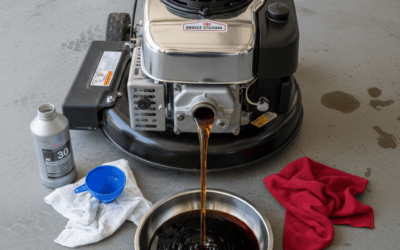
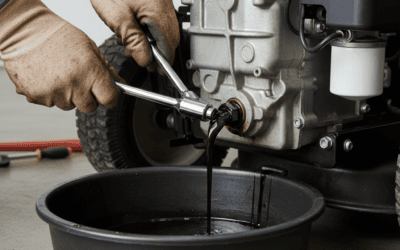
- Change the oil (old oil contains combustion byproducts that can corrode engine internals over time).
- Clean or replace the spark plug.
- Store in a dry location to prevent rust and moisture accumulation.
- Remove the battery and store it indoors at room temperature to preserve charge.
Spring Start-Up After Storage
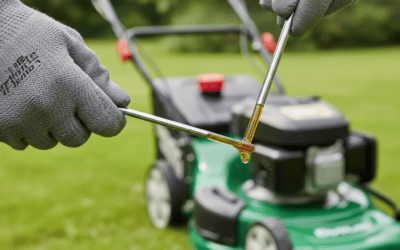
Before attempting to start a mower stored over winter, replace the spark plug, check the oil level, refill the fuel tank with fresh gasoline, and recharge or replace the battery. These simple steps prevent most post-storage starting failures.
When to Call a Professional
If you’ve checked the fuel, spark plug, carburetor, battery, and air filter and the mower still won’t start, professional service is warranted. Repair shops can test the ignition coil, diagnose starter motor problems, and handle carburetor rebuilds. Typical mower repairs cost $75–$150 for labor plus parts. If your mower is very old or the repair cost exceeds 50% of the mower’s replacement value, buying a new mower may be more economical.
Frequently Asked Questions
How long does it take to fix a Toro mower that won’t start?
Most common fixes take 30–60 minutes: draining old fuel and refilling takes 15 minutes, replacing a spark plug takes 10 minutes, and cleaning a clogged carburetor with cleaner spray takes 30 minutes plus soak time. If the carburetor must be removed and disassembled, plan 2–3 hours for a first-time attempt.
Can I use fuel stabilizer on old gasoline?
Fuel stabilizer slows further degradation but cannot reverse damage already done to old fuel. If fuel is already varnished (visible sediment, strong odor), drain it and start fresh. Stabilizer is most effective as a preventative when added to fresh fuel before storage.
Do I need to remove the mower blade to access the spark plug?
No. The spark plug is located on top of or to the side of the engine block, away from the blade. You do not need to remove the blade or tip the mower over. Always disconnect the spark plug wire before performing any engine maintenance to prevent accidental ignition.
What’s the difference between a push mower and riding mower starting issues?
The troubleshooting approach is identical: check fuel, spark plug, carburetor, battery (if electric-start), and air filter. Riding mowers may have additional complexity (multiple batteries, more sophisticated ignition systems), but the first diagnostic steps are the same. If a riding mower has a keyed ignition, also check that the key switch is functioning.