Quick Answer: How to Adjust Lawn Mower Height
Most lawn mowers adjust height through levers, pins, or bolts located on the wheels (push mowers) or deck frame (riding mowers). Simply locate these adjustment points, raise or lower them to your desired height—typically marked in inches or numbered positions—and verify all wheels are set evenly. Always consult your mower’s manual for specific adjustment locations and recommended settings.
Why Lawn Mower Height Matters
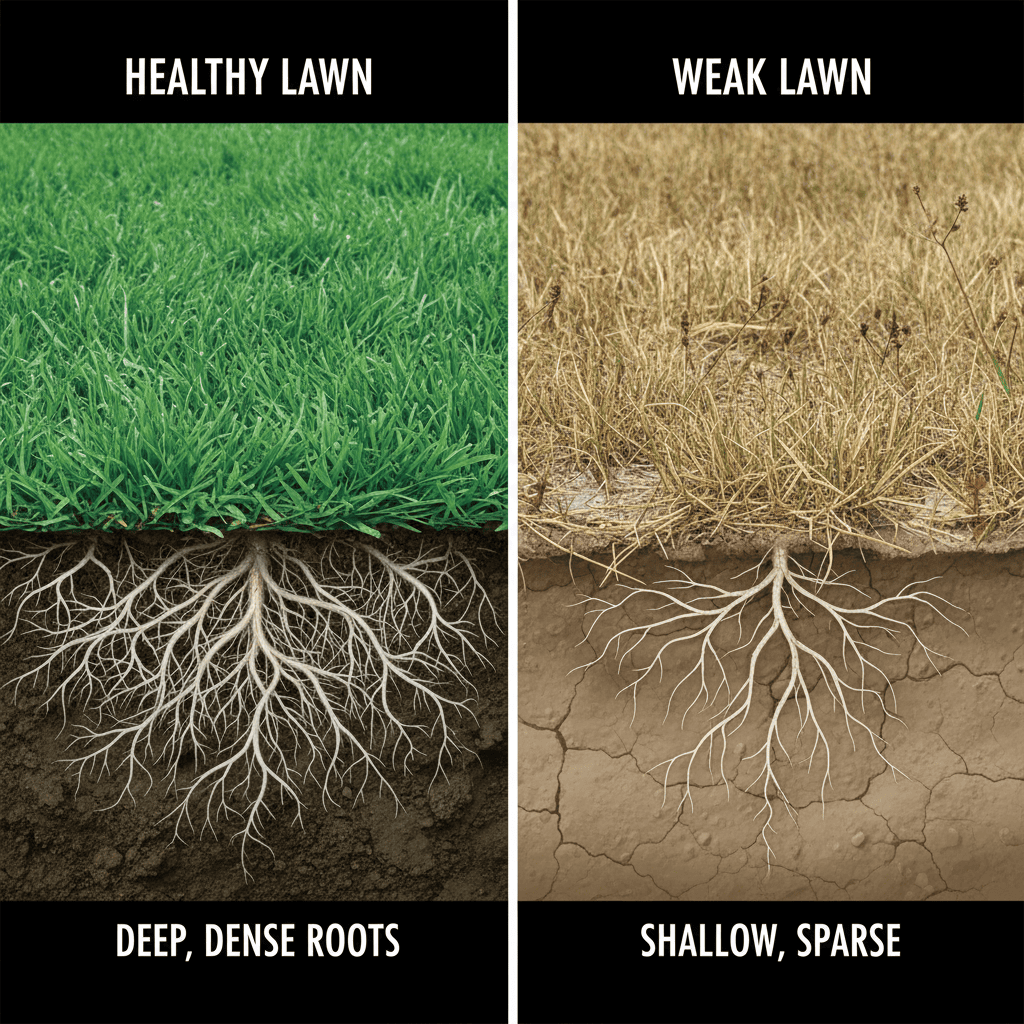
Cutting height directly impacts your lawn’s health and appearance. Mowing at the correct height promotes strong root development, reduces stress on grass, and helps prevent weeds and disease. Cutting too short weakens grass and exposes soil, while cutting too tall can hide problems and reduce lawn density. Proper height adjustment is one of the most important maintenance tasks you can perform.
Locating Height Adjustment Mechanisms on Your Mower
Different mower types store their adjustment mechanisms in different locations. Identifying where your mower’s controls are located is the first step to making adjustments.
Push Mower Height Adjustments
Push mowers typically feature height adjustment levers or slots on each of the four wheels. These are usually located on the outside edge of the wheel axles or on a bracket attached to the mower deck. Look for a lever that can be moved up and down, or a slot where you insert a pin to lock the wheel at different heights. Some push mowers use a single lever that controls all four wheels simultaneously, while others require individual adjustment of each wheel.
Self-Propelled Mower Height Adjustments
Self-propelled mowers function similarly to push mowers in terms of height adjustment, with controls located on each wheel. Because self-propelled models are heavier and motorized, their adjustment mechanisms are often sturdier and may include numbered positions or marked increments. Check the wheels and wheel brackets for levers, pins, or bolts that control height.
Riding Mower Height Adjustments
Riding mowers typically feature height adjustment controls on the mower deck itself, often located near the operator’s seat or on the deck frame. These may include a single lever that adjusts all blades together, or individual controls for each blade. Some riding mowers use a hydraulic system with controls near the dashboard, while others rely on mechanical levers and bolts. Consult your manual to locate these controls on your specific model.
Step-by-Step: How to Adjust Cutting Height
Tools and Equipment You’ll Need
- Wrench or socket set (if your mower uses bolts)
- Screwdriver (for some adjustment mechanisms)
- Measuring tape or ruler
- Level (optional, for checking deck alignment)
- Safety glasses
- Work gloves
Before You Start
Always disconnect the spark plug wires before working on your mower to prevent accidental starting. Place the mower on a flat surface and ensure the engine is cool. If you’re unfamiliar with your specific mower model, locate and review the owner’s manual for exact adjustment instructions and safety precautions.
Adjustment Using Levers or Pins
Step 1: Position the mower on level ground and locate the height adjustment levers on each wheel or the single control lever if your mower has one.
Step 2: If adjusting individual wheels, start with the front-left wheel. Pull or press the lever to disengage it from its current position.
Step 3: Move the lever up to raise the wheel and cutting height, or down to lower it. Many levers align with numbered positions (1-5) or inch measurements (1-4 inches).
Step 4: Repeat for each remaining wheel, ensuring all wheels are set to the same height. Uneven heights will result in an uneven cut.
Step 5: Test the adjustment by pushing the mower forward slightly and visually confirming the blade height matches your target setting.
Adjustment Using Bolts or Fasteners
Step 1: Locate the bolts or fasteners on the wheel brackets or deck frame that control height.
Step 2: Loosen the bolt with a wrench, but do not remove it completely.
Step 3: Raise or lower the wheel or deck to your desired height.
Step 4: Retighten the bolt securely, ensuring it is snug but not over-tightened.
Step 5: Repeat for all adjustment points and verify even height across all wheels.
Verifying Your Adjustment
After adjusting height, place the mower on a flat surface and measure the distance from the ground to the blade at multiple points along the deck. All measurements should be equal. If they vary, recheck your adjustment and make corrections. You can also test-mow a small area to observe the cut quality before mowing your entire lawn.
Common Height Settings for Different Grass Types
Proper mowing height depends on your grass species and current conditions. Cutting at the recommended height for your grass type promotes healthier turf and reduces maintenance issues.
| Grass Type | Recommended Height | Range |
|---|---|---|
| Cool-Season Grasses (fescue, bluegrass, ryegrass) | 2.5 to 3.5 inches | 2 to 4 inches |
| Warm-Season Grasses (Bermuda, Zoysia, St. Augustine) | 1 to 2 inches | 0.5 to 2.5 inches |
| Spring (early growth) | Higher end of range | Encourage vertical growth |
| Summer (stress period) | Higher end of range | Protect soil and promote shade |
| Fall (cool-season) | Medium height | Prepare for dormancy |
When in doubt, use the 1/3 rule: never remove more than one-third of the blade height in a single mowing. This minimizes stress on your grass and promotes consistent growth.
Tips for Maintaining Even Cutting Height
Why Your Mower Cuts Unevenly After Adjustment
Uneven cuts occur when wheels are set to different heights, the deck is not level, or the blade is dull. Always verify all wheels are adjusted to identical heights. Check that the mower is on level ground during adjustment, as a sloped surface will skew your measurements. A dull blade also produces ragged cuts that may appear uneven even if height is correct—sharpen or replace blades as needed.
Ensuring All Wheels Match
After adjusting each wheel, step back and visually inspect the mower from multiple angles. The deck should appear level and parallel to the ground. Use a measuring tape to confirm all four wheels are the same distance from the ground, or place a level on top of the deck to check for tilting.
When to Check Height Settings
Check and adjust height settings at the beginning of each mowing season and whenever you notice uneven cuts. If you hit rocks, stumps, or debris that could damage the blades, verify height settings afterward. Seasonal changes in grass growth rates may also require height adjustments—typically raising height during summer stress periods and lowering it slightly in spring and fall.
Frequently Asked Questions
What is the most common lawn mower height setting?
For most residential lawns with cool-season grasses common in northern climates, 2.5 to 3.5 inches is the standard cutting height. This height promotes healthy root development and shade that suppresses weeds. However, warm-season grasses typically require shorter cutting at 1 to 2 inches. Always adjust based on your specific grass type and local growing conditions.
Can I adjust lawn mower height while the engine is running?
No. Always shut off the engine, disconnect the spark plug wires, and allow the mower to cool completely before making any adjustments. Working on a running or recently running mower is extremely dangerous and risks serious injury.
How often should I adjust my lawn mower height?
Most homeowners adjust height seasonally—typically raising it in early summer when temperatures peak and lowering it slightly in spring and fall. Check settings at the start of each mowing season and whenever you notice uneven cuts. If your lawn experiences drought stress or unusual growth patterns, adjust height accordingly.
What should I do if one wheel won’t stay at the correct height?
If a lever or pin won’t hold position, the adjustment mechanism may be worn or damaged. Tighten any loose bolts connected to that wheel’s bracket. If the problem persists, the mechanism may need replacement—consult your mower’s manual or contact the manufacturer for replacement parts. Do not attempt to mow until the issue is resolved, as uneven height will result in poor cuts.