Why Blade Sharpness Matters
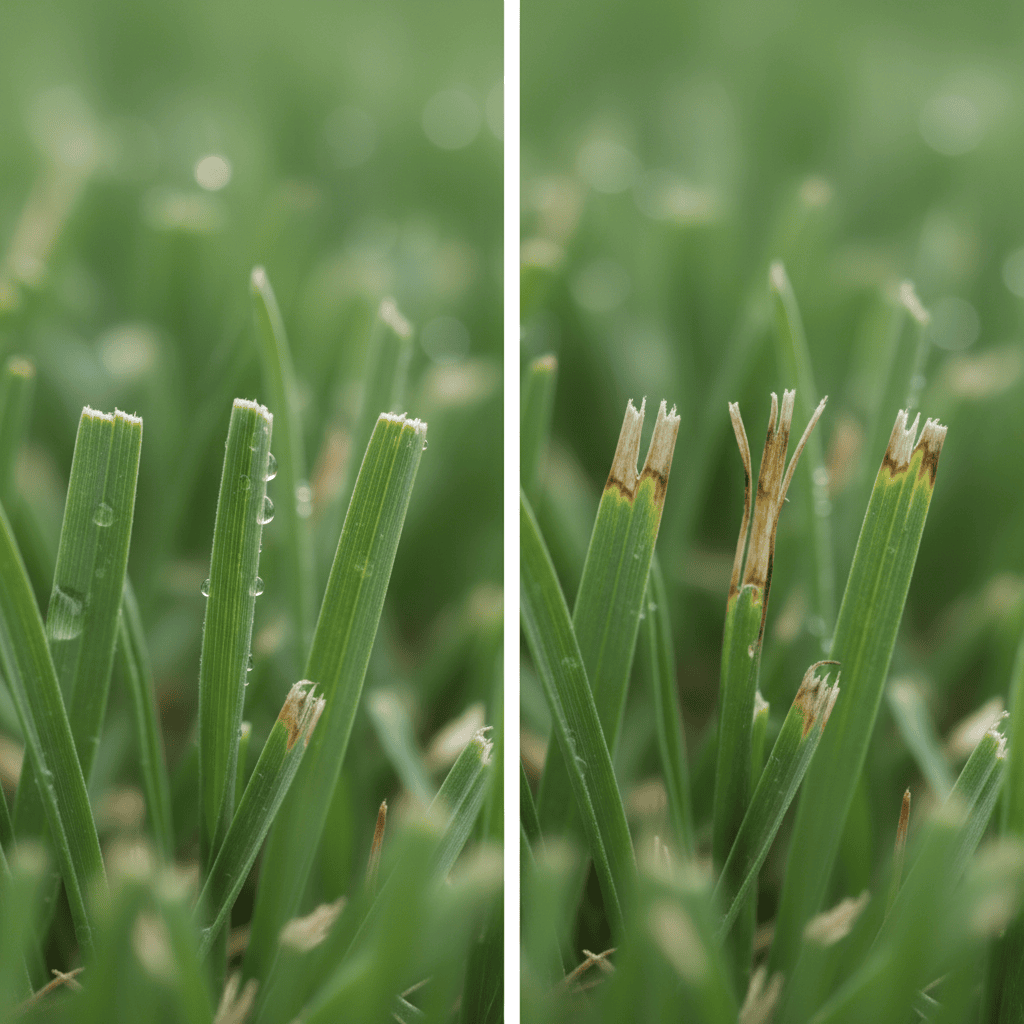
Dull mower blades do more than just cut poorly—they actively harm your lawn and increase operating costs. When blades become dull, they tear grass rather than slice it cleanly, leaving ragged edges that turn brown within days. This damage creates entry points for disease and fungal infections, weakening your grass and making it more susceptible to stress.
Beyond lawn health, dull blades force your mower engine to work harder, consuming more fuel and potentially causing premature wear. Over time, this increases maintenance costs and may shorten the life of your equipment. A sharp blade also makes mowing faster and easier, requiring less physical effort to push or operate the machine.
Signs Your Blades Need Sharpening
- Ragged, torn grass tips that appear brownish or tan within a few days of mowing
- Uneven cutting height across the lawn or missed patches
- Increased engine strain or higher fuel consumption during operation
- Visible nicks, chips, or dents on blade edges during inspection
- Difficulty cutting thick or dense grass that the mower previously handled easily
Baseline Sharpening Frequency by Mower Type
Rotary Mower Blades
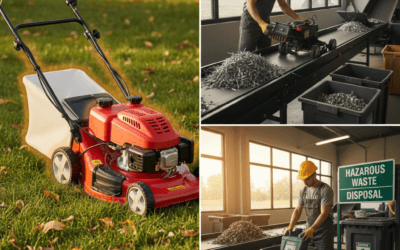
Rotary mowers, the most common residential type, use spinning horizontal blades to cut grass. These blades require sharpening every 8-12 operating hours for residential use, or approximately 1-2 times per season. Most homeowners mow weekly during peak season (4-5 months), meaning a single blade sharpening between mid-season and season-end typically suffices, with an optional pre-season touch-up.
Reel Mower Blades
Reel mowers use a cylinder of blades that rotate against a fixed cutting bar, creating a scissor-like cut. These mowers maintain sharpness longer than rotary blades and typically need professional sharpening only 1-2 times per year for residential use. However, the cutting bar requires regular adjustment to maintain proper blade contact, which should be checked monthly during mowing season.
Zero-Turn and Commercial Mowers
Zero-turn mowers often feature multiple rotary blades and are used more frequently than standard residential equipment. These typically require sharpening every 5-8 operating hours. Commercial landscapers who operate mowers daily may sharpen blades multiple times per week or maintain a rotating schedule of freshly sharpened backups to minimize downtime.
Factors That Affect Sharpening Frequency
Lawn Size and Mowing Frequency
Larger lawns require more operating hours per season, accelerating blade wear. A homeowner with a quarter-acre lawn mowing once weekly may sharpen annually, while someone with an acre or more mowing 2-3 times weekly will need more frequent sharpening. Operating hours accumulate quickly with frequent mowing.
Grass Type and Growing Conditions
Thick, coarse grasses (like zoysia or Bahia grass) dull blades faster than fine fescues. Wet grass is also harder to cut and increases dulling rate. Conversely, dormant or slow-growing grass during cool seasons requires less frequent sharpening. Mowing during different growth phases affects how quickly blades wear.
Soil Conditions and Terrain
Soil type directly impacts blade dulling. Sandy or loamy soil is abrasive and accelerates wear compared to clay-heavy soil. Lawns with exposed rocks, gravel, or uneven terrain cause faster blade damage. Mowing over gravel driveways, debris, or sticks speeds up dulling significantly and can create nicks that require immediate sharpening.
Mower Age and Blade Quality
Older mowers with lower-quality blades may require more frequent sharpening. High-carbon steel or treated blades may hold an edge longer than basic steel. Blade thickness and design also influence durability—premium blades often justify higher upfront costs through longer intervals between sharpenings.
Residential vs. Commercial Use
| Usage Category | Operating Hours Per Season | Sharpening Frequency | Typical User |
| Residential Light | 20-40 hours | Once annually | Small lawn, infrequent mowing |
| Residential Standard | 80-150 hours | 1-2 times per season | Average homeowner, weekly mowing |
| Residential Heavy | 150+ hours | 3-4 times per season | Large lawn, frequent mowing |
| Commercial | 300-1000+ hours | Every 5-8 operating hours | Landscaping professionals, daily use |
Residential homeowners typically perform blade maintenance themselves or take equipment to a local shop. Commercial operators often maintain multiple mowers with a rotation system, keeping backup blades professionally sharpened to ensure continuous operation. The higher usage intensity justifies investment in professional sharpening services and premium-quality blades.
Seasonal Maintenance Considerations
Pre-Season Preparation
Before the primary mowing season begins, inspect blades for winter damage and dullness from the previous year. Many professionals recommend a pre-season blade sharpening as a baseline, ensuring optimal performance from the first cut. This also provides an opportunity to check blade balance, bolt tightness, and overall equipment condition.
Mid-Season Maintenance
For active mowing seasons lasting 4-5 months, a mid-season sharpening is often sufficient for residential users. Check blade condition monthly by stopping the mower and visually inspecting the blade edge. If you notice early dulling signs, schedule sharpening rather than waiting until performance noticeably declines.
Post-Season Storage
At season end, sharpen or replace blades before storing the mower. Starting the next season with sharp, undamaged blades reduces stress on the engine and eliminates the need for immediate maintenance. This is also a good time to replace blades showing significant wear, corrosion, or damage that sharpening cannot repair.
Regional and Climate Factors
Areas with sandy soil or frequent rain (which encourages thick grass growth) experience faster blade dulling. Regions with short mowing seasons require less overall maintenance but benefit from starting with perfectly sharp blades. Conversely, warm climates with year-round or extended mowing seasons need more consistent maintenance schedules and may justify investing in higher-quality blades.
Step-by-Step: When to Sharpen Your Blades
Creating a Maintenance Schedule
The most effective approach combines operating-hour tracking with visual inspection. Keep records of mowing dates and estimate operating hours based on lawn size and pass time. After every 8-12 hours, inspect blades visually. You can also adopt a seasonal schedule: sharpen before season start, at mid-season, and again before storage.
Visual Inspection Process
- Stop the mower and disconnect the spark plug (for safety)
- Rotate the blade by hand and look at the cutting edge under strong light
- Compare the edge to a new blade if available—dull edges appear rounded; sharp edges are thin and reflective
- Check for nicks, cracks, or corrosion that may require blade replacement rather than sharpening
- Ensure blade balance—place the blade on a nail through its center; if one side drops, it’s unbalanced and needs correction
Operating-Hour Tracking
Most modern mowers include an hour meter. Document readings weekly or after each musing session. Simple spreadsheet tracking makes it easy to predict when sharpening is needed. Alternatively, use calendar reminders at 4-6 week intervals during mowing season as a behavioral cue to inspect blades, even if operating hours suggest they’re still sharp.
Frequently Asked Questions
Q: Can I sharpen mower blades myself, or should I use a professional?
A: Sharpening is a DIY-friendly task if you have basic tools (bench grinder, file, or dedicated blade sharpener) and safety equipment. Many homeowners successfully sharpen blades at home. However, professionals have specialized equipment ensuring consistent angles and balance. For those uncomfortable with the process or lacking tools, professional sharpening ($15-30 per blade at local shops) is worthwhile for equipment longevity and safety.
Q: What angle should mower blades be sharpened to?
A: Most rotary mower blades use a 30-35 degree angle on each side of the blade edge. Your mower’s manual specifies the exact angle for your model. Maintaining the correct angle is critical—too acute an angle dulls quickly; too obtuse reduces cutting efficiency. Professional sharpening ensures proper angle maintenance.
Q: How do I know if my blade is damaged beyond sharpening?
A: If a blade has deep cracks, large chips, significant corrosion, or bends that don’t correct when sharpened, replacement is necessary. Attempting to sharpen severely damaged blades is unsafe and ineffective. A new blade ($20-100 depending on type) is typically more cost-effective than repeated sharpenings of a compromised blade.
Q: Do different blade materials require different sharpening frequencies?
A: Yes. High-carbon steel and treated blades generally hold sharpness longer than basic steel. Premium stainless-steel blades resist corrosion and may require less frequent sharpening. The initial investment in quality blades ($50-150) is often recovered through fewer sharpenings over the blade’s lifespan, making them economical for frequent users.
Key Takeaways
- Residential mowers require blade sharpening every 8-12 operating hours or 1-2 times per season
- Commercial and heavy-use mowers need sharpening every 5-8 hours
- Dull blades damage grass, increase fuel consumption, and strain equipment
- Soil type, grass thickness, lawn size, and terrain all affect sharpening frequency
- Combine operating-hour tracking with visual inspection for optimal maintenance timing
- Professional sharpening or quality DIY tools ensure consistent blade angle and balance
- Pre-season and post-season blade maintenance extend equipment life and improve performance