Before You Start: Pre-Start Safety Checks
Before attempting to start your gas mower, perform these essential safety checks to protect yourself and ensure the machine operates correctly.
Check Fuel and Oil Levels
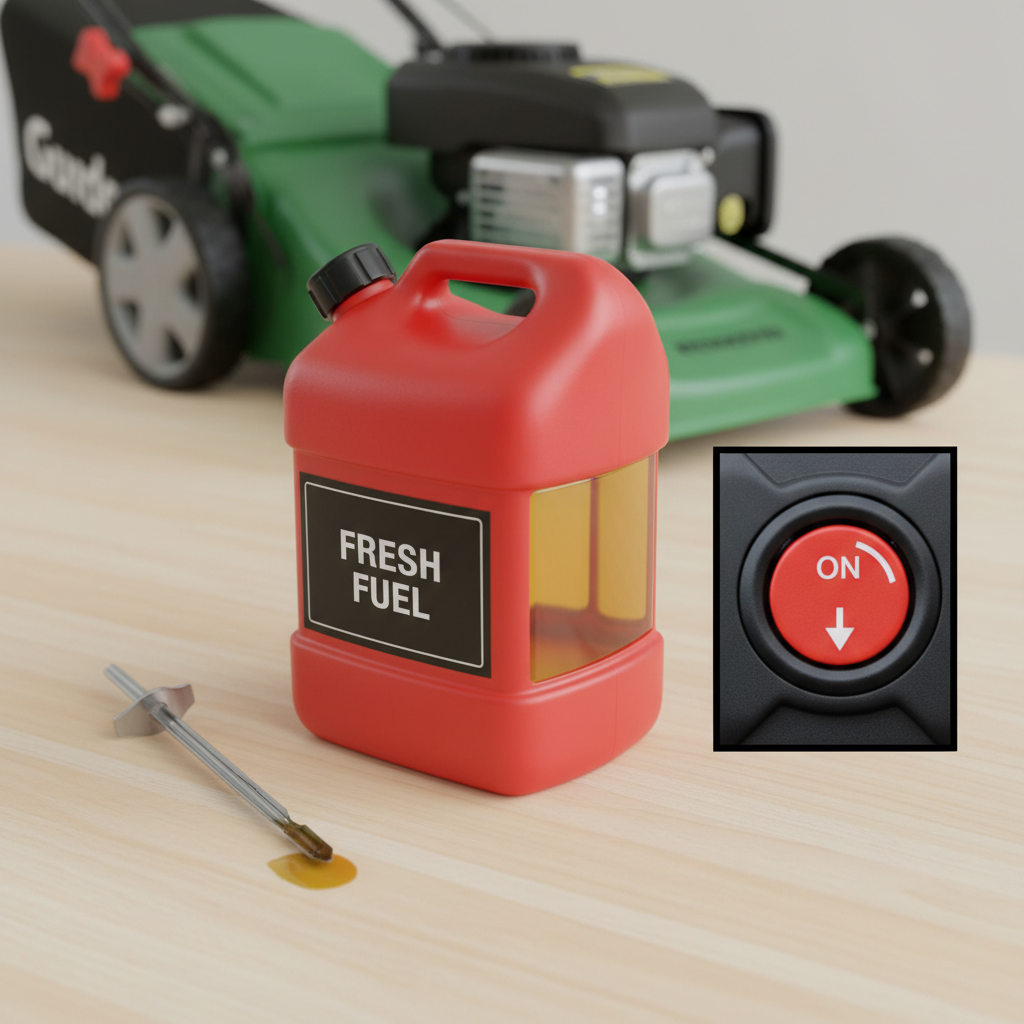
Always verify adequate fuel before starting. Look at the fuel gauge or check the tank visually. Use fresh gasoline—fuel older than 30 days can become stale and cause starting difficulties. For oil, locate the dipstick, wipe it clean, reinsert it fully, then remove it again to check the level. Oil should reach the full mark. Low oil can damage the engine and prevent proper starting.
Inspect the Kill Switch
Locate the kill switch (usually a red button or lever near the handle). Ensure it’s in the ON or RUN position. A kill switch in the OFF position will prevent the engine from starting regardless of other factors.
Clear the Cutting Deck
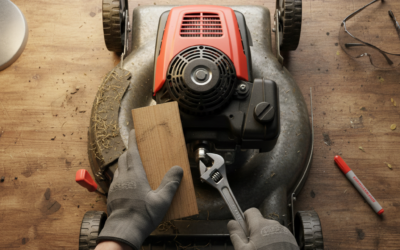
Before starting, inspect the mower deck for debris, grass clumps, or obstructions that could jam the blades. Remove any visible blockages with the engine off and the spark plug wire disconnected for safety.
Cold Start Procedure: Starting a Gas Mower from Rest
A cold start refers to starting the mower when the engine is at ambient temperature, such as at the beginning of the mowing season or after the mower has sat overnight.
Step 1: Set the Choke to Cold-Start Position
Most gas mowers have a choke control, typically a lever or dial on the side of the engine or integrated into the throttle handle. Move the choke to the COLD or START position. The choke restricts air intake to create a fuel-rich mixture needed for cold engines. Some newer mowers have automatic chokes that activate without manual adjustment.
Step 2: Engage the Safety Bar
The safety bar (also called the bail or dead-man switch) is located on the handle. Press and hold it firmly toward the handle with one hand. This switch must remain engaged during starting and operation. Releasing it immediately stops the engine.
Step 3: Use the Primer Bulb (If Equipped)
Some mowers include a primer bulb on the carburetor. Press this bulb 3-5 times to move fuel toward the carburetor, making cold starts easier. Wait a few seconds after priming before pulling the cord.
Step 4: Pull the Starter Cord
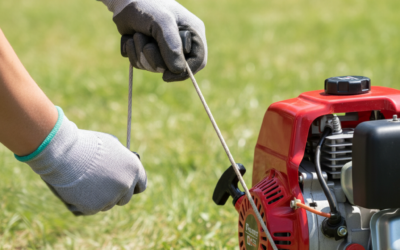
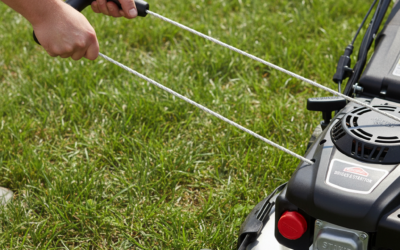
Grip the starter handle firmly. Pull the cord with a smooth, quick, and deliberate motion—not jerky or overly aggressive. Pull until you feel resistance, then snap your wrist to extend the pull fully. The cord should extend about 12-18 inches in one motion. Release and let the cord rewind naturally into the housing.
Step 5: Repeat if Necessary
If the engine doesn’t start on the first pull, wait 2-3 seconds and try again. Most gas mowers start within 2-4 pulls when cold. If the engine fires but doesn’t stay running, it may need another pull or two. After 5-6 pulls without ignition, stop and troubleshoot (see troubleshooting section below).
Step 6: Transition to Operating Choke Position
Once the engine starts and runs for a few seconds, gradually move the choke lever toward the RUN or OPEN position. Transition slowly to allow the engine to stabilize. If the engine stalls during this transition, return the choke partway and try again more gradually.
Warm Start Procedure: Restarting a Running or Recently Used Mower
A warm start occurs when restarting a mower whose engine is still hot from recent use, or after stopping for a brief period.
Skip the Choke
The primary difference in a warm start is choke position. Leave the choke in the OPEN or RUN position—do not activate the cold-start choke. A warm engine requires normal air-fuel ratios and doesn’t need the enriched mixture that the choke provides.
Engage Safety Bar and Pull Cord
Hold the safety bar as usual and pull the starter cord with the same technique as a cold start. Warm starts typically require only 1-2 pulls because the engine is already at operating temperature.
Wait if Recently Stopped
If you’ve just stopped the mower moments before, wait 10-15 seconds before attempting a restart. This allows internal fuel residue to settle and prevents over-flooding.
Understanding Mower Components: Choke, Primer, and Safety Bar
The Choke: Function and Operation
The choke is a valve that restricts air entering the carburetor. When activated for cold starts, it reduces airflow, creating a fuel-rich mixture (more fuel, less air) that ignites more easily in a cold engine. As the engine warms, combustion naturally creates higher temperatures that can ignite leaner fuel mixtures, so the choke is gradually opened. Modern mowers often feature automatic chokes that perform this transition without manual adjustment.
The Primer Bulb: Optional but Helpful
Not all mowers have primer bulbs, but those that do benefit from their use. Pressing the primer bulb pushes fuel directly toward the carburetor, reducing the number of pulls needed to start a cold engine. Typical application involves 3-5 presses before attempting the first pull.
The Safety Bar: Essential Protection
The safety bar must remain engaged during starting and mowing. This dead-man switch stops the engine immediately if you lose grip or fall. Never bypass or disable the safety bar. If the bar is damaged or doesn’t function properly, do not attempt to start the mower—repair or replace it first.
Troubleshooting: Why Your Gas Mower Won’t Start
Mower Doesn’t Start After 5-6 Pulls
If the engine doesn’t turn over or show signs of firing after multiple attempts, stop and wait 2-3 minutes. Excessive pulling can flood the engine. After waiting, try again. If it still won’t start, check for flooded-engine symptoms: a strong fuel smell from the exhaust or visible fuel leaking from the carburetor.
Engine Flooding: Recognition and Recovery
An engine becomes flooded when too much fuel enters the combustion chamber without igniting. Signs include a heavy gasoline smell, difficulty starting, or black smoke from the exhaust. To recover: move the choke to the OPEN position, engage the safety bar, and pull the starter cord 10-15 times without pausing. This clears excess fuel. If flooding persists, allow the mower to sit for 15-20 minutes with the fuel cap off to allow fuel vapors to dissipate, then try starting again.
Spark Plug Issues
If the mower won’t start and shows no signs of firing (not even a cough or sputter), the spark plug may be faulty. A worn, fouled, or gapped spark plug prevents ignition. Consult your mower’s manual for the correct spark plug model, remove and inspect the plug, and replace if it appears black, wet, or damaged.
Stale Fuel Problems
Gasoline stored longer than 30 days can degrade and gum up the carburetor, preventing starting. If your mower has been stored for weeks or months without fuel treatment, drain the old fuel, refill with fresh gasoline, and try starting again. Consider adding a fuel stabilizer before storage in the future to prevent this issue.
Carburetor and Air Filter Checks
A clogged air filter reduces airflow and can make starting difficult. Locate the air filter (usually a foam or paper element near the engine), remove it, and inspect for dirt or debris. Replace if heavily soiled. Similarly, a carburetor that’s gummed from old fuel may need cleaning. If basic troubleshooting doesn’t resolve starting issues, professional carburetor cleaning may be necessary.
Walk-Behind vs. Riding Mower Starting Differences
Push or Walk-Behind Mowers
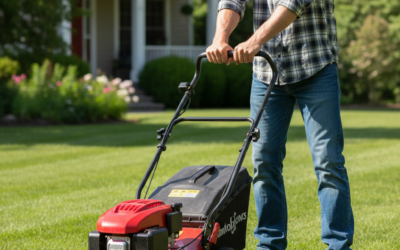
Walk-behind mowers feature a recoil starter (pull cord) operated by hand. Starting procedures for cold and warm starts follow the steps outlined above. The safety bar is engaged by squeezing the handle, and the choke is typically controlled by a lever on the engine.
Riding Mowers
Riding mowers often feature electric starters activated by a key or button, similar to a car ignition. Insert the key, turn it to the ON position, then turn further to START to engage the electric starter. The choke may be automatic or manual depending on the model. Refer to the specific mower’s manual for exact procedures, as designs vary significantly.
Automatic Chokes
Many modern mowers (both walk-behind and riding) include automatic chokes that adjust based on engine temperature. With these systems, you simply set the throttle to START and pull the cord (or turn the key). The automatic choke engages without manual input and disengages as the engine warms.
Seasonal and Storage Considerations
Starting After Winter Storage
Mowers stored over winter may be difficult to start due to stale fuel in the tank and carburetor. Before the mowing season, drain any old fuel, refill with fresh gasoline, and attempt starting. If the mower won’t start after several pulls, remove and clean or replace the spark plug, check the air filter, and inspect the carburetor for gum buildup. Running the engine for 5-10 minutes can help clear residual fuel.
Pre-Season Maintenance for Easy Starting
To ensure reliable starts throughout the season, perform basic maintenance: change the oil, replace the air filter if needed, inspect and replace the spark plug if worn, and verify the fuel is fresh. These steps prevent most starting problems and extend engine life.
Proper Storage with Fuel Stabilizer
At season’s end, add fuel stabilizer to the tank according to product instructions, run the engine for 5-10 minutes to distribute the stabilizer throughout the fuel system, then store the mower in a dry location. Alternatively, drain the fuel completely and store the mower dry. These practices prevent fuel degradation and carburetor gumming during off-season storage.
Frequently Asked Questions
How many times should you pull the starter cord before giving up?
Typically, a healthy gas mower starts within 2-4 pulls when cold and 1-2 pulls when warm. If you don’t see any signs of firing (sputter, cough, or backfire) after 5-6 pulls, stop and troubleshoot rather than continuing to pull. Excessive pulling can flood the engine and make starting harder.
What’s the difference between the choke and the primer bulb?
The choke restricts airflow to create a fuel-rich mixture for cold starts. The primer bulb (if present) manually delivers fuel to the carburetor before starting, reducing the number of pulls needed. Both aid cold starting but work differently—the choke affects the air-fuel ratio, while the primer simply pre-positions fuel.
Can you start a gas mower without engaging the safety bar?
No, the safety bar is a critical safety feature that must be engaged during starting. If the safety bar doesn’t function properly or is damaged, do not attempt to start the mower. Have it repaired or replaced first to ensure your safety during operation.
Why does my mower start but then immediately shut off?
This typically occurs during cold starts when you transition the choke too quickly to the OPEN position. The engine needs a moment to stabilize as the choke opens. Transition more gradually, or the engine may stall. If it stalls, return the choke partway and allow it to warm for a few more seconds before opening fully.