Direct Answer: How to Start a Gas Mower
To start a gas mower, first check that the fuel tank is filled with fresh gasoline and the oil level is adequate. Set the choke to the full or cold position, then press the primer bulb 3–5 times if your mower has one. Engage the safety bar (dead-man switch), turn the ignition to ON, and pull the starter cord firmly and steadily until the engine turns over. Once running, move the choke to the run position. For warm engines, skip the choke and priming steps.
Understanding Your Gas Mower’s Starting System
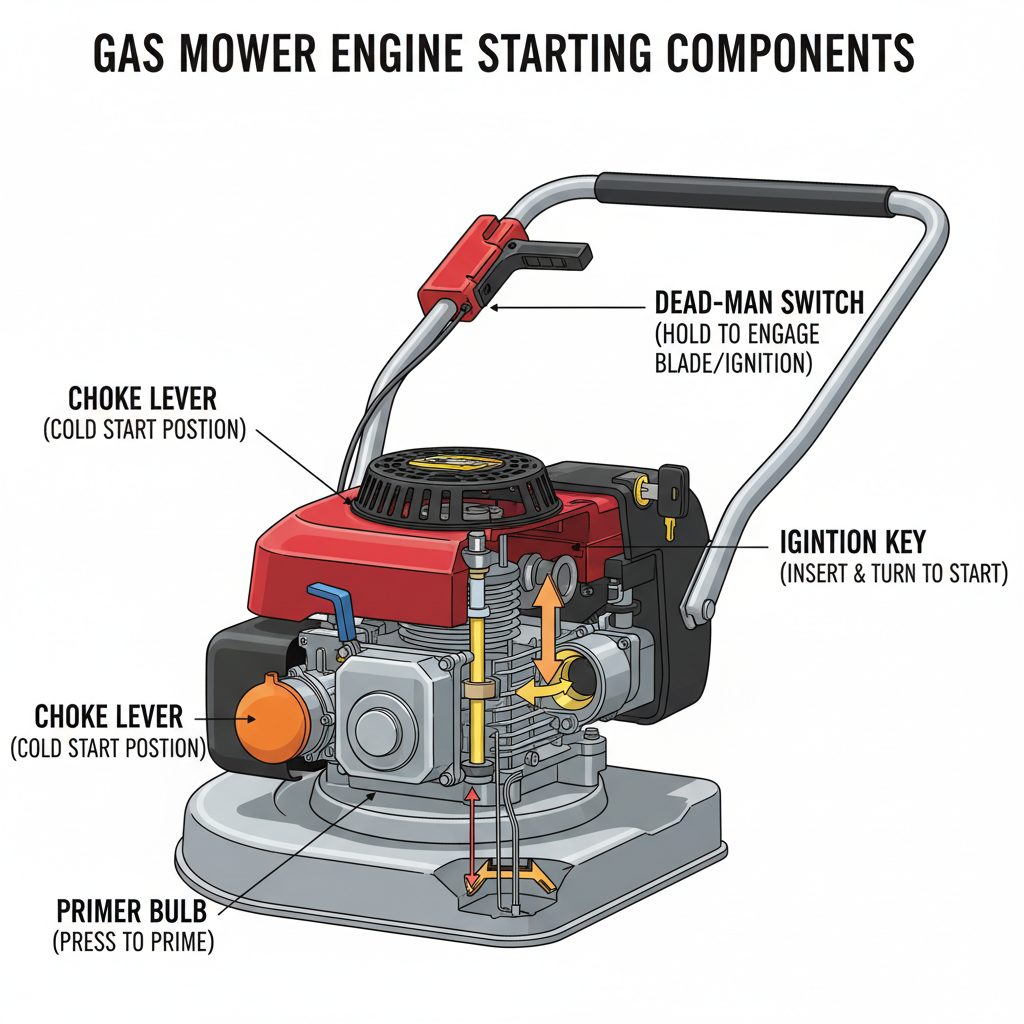
Gas mowers rely on several key components to start reliably. Understanding what each part does helps you troubleshoot problems and start your mower confidently.
The Choke: Controlling Air-Fuel Mixture
The choke restricts airflow into the engine, enriching the fuel mixture during cold starts. A cold engine needs more fuel relative to air to ignite, so the choke in the “full” or “closed” position provides that rich mixture. Once the engine warms up, you move the choke to “run” (open) position to normalize the air-fuel ratio. Forgetting to return the choke to run position after starting is one of the most common reasons mowers won’t keep running.
The Primer Bulb: Pre-Filling the Carburetor
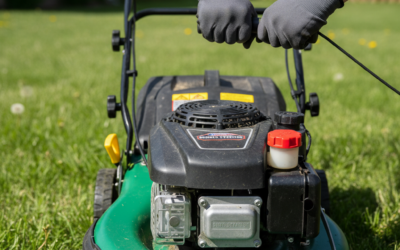
Many gas mowers include a small rubber bulb near the carburetor. Pressing this bulb manually pushes fuel into the carburetor, priming the engine before you pull the starter cord. This step reduces the number of pulls needed to start and is especially helpful on cold days or after the mower has sat unused for weeks. Not all mowers have a primer bulb—check your manual to confirm whether yours does.
The Dead-Man Switch (Safety Bar)
Located on the handle, this safety feature prevents the mower from running unattended. You must grip the safety bar firmly while starting and during operation. Releasing it immediately shuts down the engine. This switch is critical for preventing accidental injuries.
The Ignition Switch
The ignition switch powers the spark plug and fuel system. It typically has three positions: OFF, ON, and sometimes START. Always ensure it’s set to ON before pulling the starter cord (unless your mower has a dedicated START position).
Pre-Start Checks: Fuel, Oil, and Maintenance
Performing these checks before each use takes just a few minutes and dramatically improves starting reliability and engine health.
Checking Fuel Level and Using Fresh Gasoline
Fill the fuel tank with fresh, unleaded gasoline rated at least 87 octane. Gas older than 30 days can degrade and gum up the carburetor, making starting difficult or impossible. If your mower has been stored for the season, drain old fuel and replace it with fresh fuel before attempting to start. For seasonal storage, consider adding fuel stabilizer to prevent degradation, or run the tank dry before storing the mower.
Verifying Oil Level
Check the oil level using the dipstick on the side of the engine. Most mowers require SAE 30 or 10W-30 oil, depending on climate and engine type. Oil level should reach the full mark on the dipstick. Running an engine on low oil causes damage, poor starting, and can permanently harm the engine. Change oil according to your manual’s schedule—typically every 50–100 hours of use or annually, whichever comes first.
Inspecting the Spark Plug and Air Filter
A fouled or worn spark plug prevents ignition. If your mower won’t start after following proper procedure, remove the spark plug and inspect it for carbon buildup or corrosion. Replace it if damaged. Similarly, a clogged air filter restricts airflow and makes starting harder. Most air filters can be cleaned by gently tapping them or replacing them with a new one—check your manual for the specific type.
Step-by-Step Starting Procedure for Cold Starts
Use these detailed steps when starting a gas mower for the first time in a season or after it has cooled completely.
- Check fuel and oil levels. Ensure the tank has fresh fuel and oil is at the proper level.
- Position the mower on level ground. Never attempt to start a mower on a slope or unstable surface.
- Set the choke to cold/full. Move the choke lever fully to the closed position. This enriches the fuel mixture for a cold engine.
- Prime the engine (if applicable). Locate the primer bulb and press it firmly 3–5 times. You should feel resistance, and you may see fuel move through the transparent fuel line. If your mower lacks a primer bulb, skip this step.
- Engage the safety bar. Grip the handle with the safety bar firmly pressed against the handle. The mower won’t start without this engagement.
- Set the ignition to ON. Turn the key or switch to the ON position. Do not turn to START unless your mower has a dedicated electric starter.
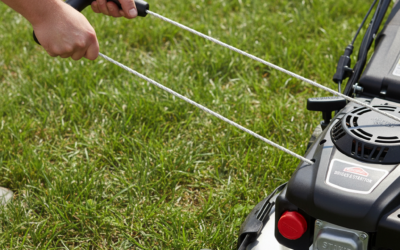
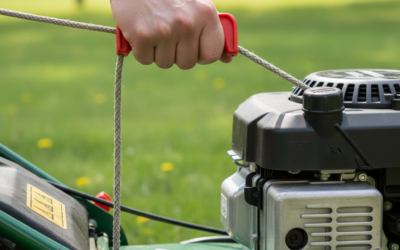
- Pull the starter cord firmly and steadily. Grasp the handle with a firm grip, then pull the cord toward you in one smooth motion. Do not jerk or yank—this can damage the starter mechanism. Pull with enough force that you feel resistance, then continue the motion. You may need 2–5 pulls to start a cold engine. Between pulls, allow the cord to rewind fully.
- Return the choke to run position once the engine starts. As soon as you hear the engine turn over, move the choke lever to the run (open) position. Leave it in this position during mowing. If you forget this step, the engine will sputter and die.
- Let the engine warm up. Allow the mower to run for 30 seconds before engaging the blade or moving forward. This stabilizes combustion and ensures reliable operation.
Starting a Warm Engine: Simplified Steps
Restarting a mower that has cooled for only a short time requires fewer steps because the engine is already warm.
- Engage the safety bar and set the ignition to ON.
- Set the choke to the run (open) position. A warm engine does not need the enriched fuel mixture.
- Skip the primer bulb unless the mower has been off for more than an hour.
- Pull the starter cord once or twice. A warm engine typically starts immediately.
If a warm engine requires excessive pulls to start, the problem likely lies elsewhere—check the spark plug, air filter, or carburetor for issues.
Troubleshooting: Engine Won’t Start or Floods
The Engine Won’t Start Despite Correct Procedure
If you have followed all steps and the engine still won’t turn over, work through these checks in order:
- Verify the safety bar is fully engaged. The engine will not spark if the safety switch detects the bar is not pressed.
- Confirm the ignition is ON. A common oversight is leaving the key in the OFF position.
- Inspect the spark plug. Remove the spark plug wire and unscrew the plug. Look for heavy carbon buildup, oil fouling, or a gap that’s too wide. Replace if damaged.
- Check the air filter. A heavily clogged filter starves the engine of oxygen. Clean or replace it.
- Examine the fuel line and carburetor. Old fuel can gum up the carburetor, blocking fuel flow. If the mower sat unused all season, drain the old fuel, refill with fresh gas, and try starting again. If the problem persists, the carburetor may need professional cleaning.
- Listen for spark. Remove the spark plug and reconnect the wire. Ground the plug against the metal engine block, then pull the starter cord. You should see a small spark jump across the plug gap. If no spark appears, the ignition system may be faulty and require professional repair.
The Engine Flooded with Excess Fuel
A flooded engine has too much fuel in the combustion chamber, preventing ignition. This typically happens after multiple failed start attempts or if the choke was left in the cold position too long. Signs of flooding include strong gasoline smell, wet spark plug, and fuel leaking from the carburetor.
To clear a flooded engine:
- Move the choke to the run (open) position.
- Remove the spark plug wire and unscrew the spark plug.
- Pull the starter cord 5–10 times without the spark plug installed. This mechanical action forces excess fuel out of the cylinder.
- Reinstall the spark plug and reconnect the wire.
- Set the choke to cold and attempt to start normally.
If the engine still won’t start, wait 15–20 minutes for excess fuel to evaporate, then try again.
Push Mower vs. Riding Mower: Starting Differences
Walk-Behind Push Mowers
Push mowers follow the procedure outlined above. They use a pull cord starter and are typically the lightest and most affordable gas mower option. Most push mowers have a dead-man switch built into the handle, so you must maintain a firm grip during operation.
Riding Mowers
Riding mowers may use either a pull cord or an electric starter. If your riding mower has an electric starter, insert the key into the ignition, ensure the safety bar or operator seat switch is engaged, and turn the key to START. The engine should crank automatically without pulling a cord. The choke and priming steps remain the same as push mowers if they apply to your model.
Riding mowers often have additional safety interlocks—for example, some won’t start unless you’re seated on the mower and the blade is disengaged. Always consult your owner’s manual for model-specific requirements.
Self-Propelled Push Mowers
Self-propelled mowers start the same way as standard push mowers using a pull cord. Once running, engaging the self-propel lever automatically powers the wheels without pushing. The engine itself starts identically to a non-self-propelled model.
Safety Considerations When Starting a Gas Mower
- Always wear closed-toe shoes and long pants. Never start a mower while wearing sandals or shorts.
- Clear the mowing area of obstacles. Remove sticks, rocks, and toys that could become projectiles or damage the blade.
- Position yourself firmly on level ground. Unstable footing can cause you to lose control when pulling the cord or if the mower lurches during startup.
- Never reach under the deck or near the blade while the engine is running. The blade continues spinning for several seconds after you release the handle.
- Keep hands and feet away from the discharge chute. Clippings and debris exit at high velocity.
- Never pull the cord with excessive force. Jerking or yanking can damage the starter mechanism or cause the cord to snap back and injure your hand.
- Do not start a mower indoors. Gas engines produce carbon monoxide, which is odorless and deadly in enclosed spaces.
- Wait for the engine to cool before refueling. Hot metal can ignite spilled gasoline.
Seasonal Storage: Preparing to Start After Extended Rest
If your mower has been stored for the season, prepare it before the first start:
- Drain old fuel or add stabilizer. Gas degrades over months, so use fresh fuel or drain the tank completely. Alternatively, add fuel stabilizer before storage to preserve the fuel through winter.
- Check and change the oil. Old oil can thicken and prevent proper engine lubrication. Fresh oil ensures smooth starting.
- Inspect and replace the spark plug if needed. A new spark plug is inexpensive and greatly improves cold starting.
- Clean or replace the air filter. Dust and debris accumulated during storage can clog the filter.
- Remove the mower from storage and let it acclimate. If stored in a cold garage, allow 30 minutes for the engine to reach ambient temperature before attempting to start.
Frequently Asked Questions
How many times should I pull the starter cord before assuming the engine is broken?
A healthy cold engine typically starts within 2–5 pulls. If you’ve pulled 10+ times without success and followed all steps correctly, stop and troubleshoot rather than continuing to pull. Excessive pulling without starting suggests a fuel, spark, or air issue—not a mechanical failure of the starter cord itself. Check the spark plug, fuel freshness, and air filter before assuming the engine needs professional repair.
What’s the difference between the choke and the primer bulb?
The choke restricts airflow into the engine, enriching the fuel mixture through a mechanical lever. The primer bulb manually pumps fuel into the carburetor before you start pulling the cord. They serve different purposes: the choke is a permanent part of the engine that you operate during starting, while the primer bulb (if present) is a one-time preparation step. You use both during a cold start for maximum reliability.
Can I start a gas mower without engaging the safety bar?
No. Modern gas mowers have a safety interlock that prevents the engine from starting if the dead-man switch (safety bar) is not fully engaged. This feature prevents accidental starting and unattended operation. Always grip the handle firmly with the safety bar pressed against it before attempting to start.
Why does my mower start but immediately shut off?
The most common cause is leaving the choke in the cold position after the engine starts. Return the choke to run (open) position immediately once you hear the engine turn over. Other causes include a clogged air filter, fouled spark plug, or old fuel in the carburetor. If the choke is set correctly and the engine still dies, inspect the spark plug and air filter, and consider draining old fuel if the mower has been stored.
Is it normal to smell strong gasoline when starting a cold mower?
A faint gasoline smell is normal during cold starts because the engine is running rich (more fuel relative to air). However, a very strong smell or visible fuel leaking from the carburetor suggests flooding. If you notice fuel pooling or dripping, allow the mower to sit for 15 minutes before trying again, as the excess fuel will evaporate.