What Is a Mulching Lawn Mower?
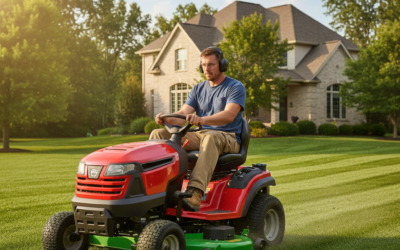
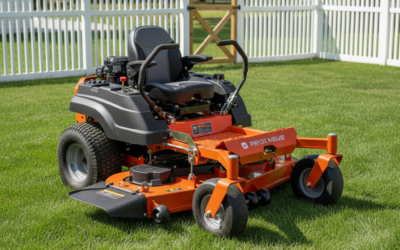
A mulching lawn mower is a type of grass cutter with a specialized blade and deck design that finely chops grass clippings into small pieces and redistributes them back onto the lawn as fertilizer, rather than collecting them in a bag. The mower’s high-speed blade and recirculating deck create a vacuum effect that repeatedly cuts clippings until they’re fine enough to settle into the grass, where they decompose and return nutrients to the soil. This closed-loop system eliminates the need for bagging and reduces waste while naturally fertilizing your lawn.
How Mulching Mowers Work
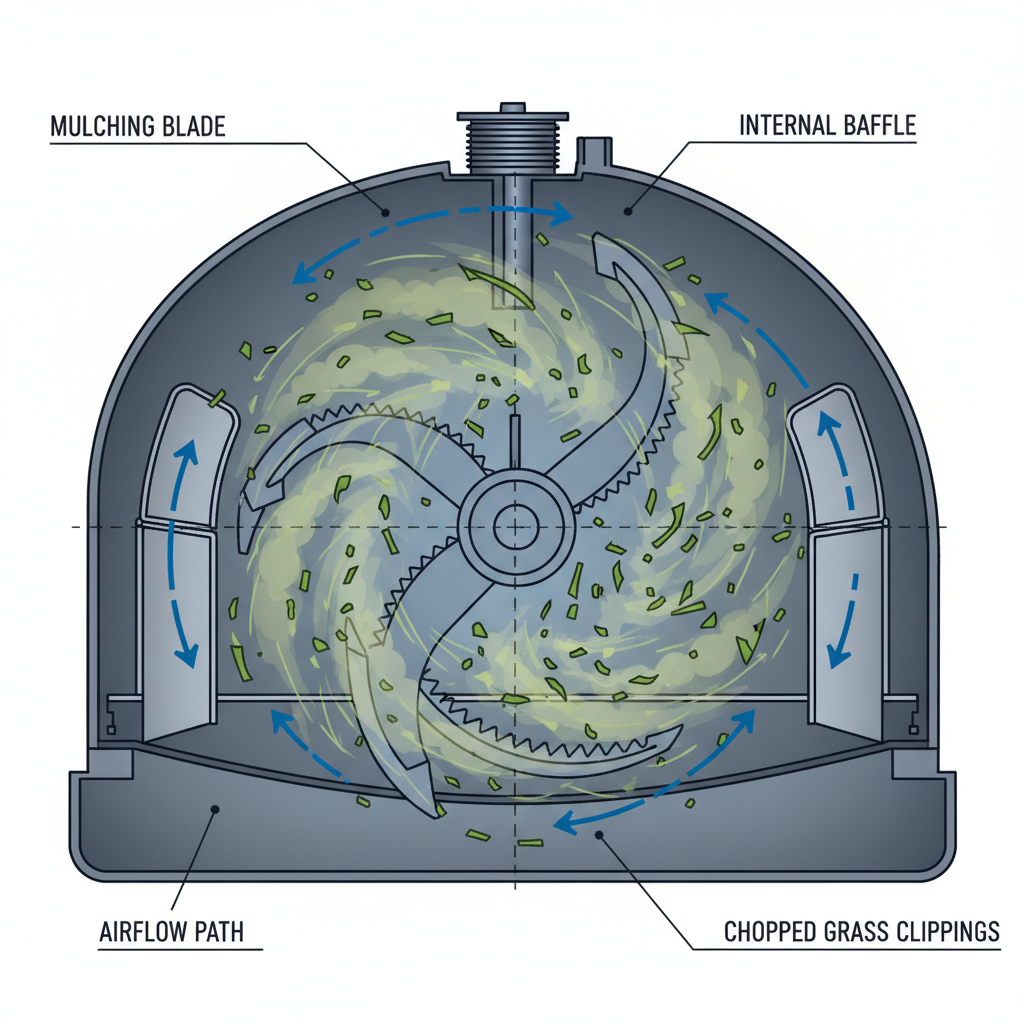
Mulching mowers operate differently from traditional mowers in three key ways: blade design, deck structure, and cutting speed.
Specialized Blade Design
Mulching blades have a unique curved or angled shape that creates multiple cutting edges as the blade spins. Unlike standard blades with a simple straight edge, mulching blades are engineered to lift and cut grass multiple times as clippings circulate within the deck. This repeated cutting action breaks grass into progressively smaller pieces—typically fine enough to disappear into the lawn within days.
Recirculating Deck Design
The deck of a mulching mower is engineered to trap and recirculate clippings rather than allowing them to discharge or collect. Internal baffles and a sealed or partially sealed deck bottom create airflow patterns that keep clippings suspended and circulating under the spinning blade. This circulation continues until clippings are reduced to the desired size, at which point they fall through the grass canopy and settle on the soil surface.
Higher Blade Speed
Mulching mowers typically operate at blade speeds of 3000+ RPM, compared to 1500–2500 RPM for standard mowers. This faster rotation generates the vacuum effect needed to lift and recirculate clippings multiple times, ensuring thorough chopping. The increased speed also creates finer particle size, allowing clippings to decompose quickly and integrate seamlessly into the lawn.
Mulching vs. Bagging vs. Side-Discharge Mowers
Understanding the three primary mowing approaches helps you choose the right strategy for your lawn.
| Mower Type | How It Works | Best For | Drawbacks |
|---|---|---|---|
| Mulching Mower | Finely chops clippings and redistributes them onto the lawn | Regular lawn maintenance, nutrient cycling, reducing waste | Less effective in wet conditions or overgrown grass; requires consistent mowing schedule |
| Bagging Mower | Collects clippings in an attached bag for disposal or composting | Initial cleanup, heavily overgrown lawns, wet conditions | Requires frequent bag emptying, creates yard waste, reduces nutrient return |
| Side-Discharge Mower | Ejects clippings out the side of the deck onto the lawn | quick mowing, large properties with mulching capability | Leaves visible clippings in windrows, may create uneven appearance, can cause thatch if clippings are large |
When Each Method Works Best
Mulching is ideal for: Regular weekly or bi-weekly mowing on dry grass, healthy established lawns, and properties where nutrient return is a priority. Mulching works best when you maintain a consistent mowing schedule and keep your lawn at 2.5–3 inches or taller.
Bagging is better when: Your lawn is overgrown (more than one-third of the blade height needs cutting), grass is wet or matted, or you’re dealing with heavy leaf coverage in fall. Bagging also helps if you’re removing lawn disease or pest populations.
Side discharge suits: Large properties where speed matters more than appearance, or as a hybrid approach when you want clippings to remain on the lawn but don’t need fine chopping.
Can Mowers Switch Between Modes?
Many modern mowers offer convertible decks that allow switching between mulching, bagging, and side-discharge modes. This flexibility lets you choose the best approach for each situation—mulching for routine maintenance, bagging for cleanup, and side discharge for speed. Check your mower’s specifications to confirm whether switching is available and how easily it can be done.
Benefits of Mulching Your Lawn
Nutrient Cycling
Grass clippings are approximately 3–4% nitrogen by weight, a crucial nutrient for lawn health. When clippings decompose on the lawn surface, they release nutrients back into the soil where grass roots can absorb them. Research suggests that mulching can reduce fertilizer requirements by 25–30%, depending on your lawn’s existing health and soil quality. This natural nutrient return supports vigorous growth without increasing chemical inputs.
Reduced Waste and Disposal
Bagging clippings creates yard waste that requires disposal, transportation, or composting—adding time, effort, and potential landfill impact. Mulching eliminates this step entirely. The fine clippings decompose within 2–4 weeks, leaving no visible trace and removing the burden of bag management.
Improved Soil Structure
As clippings break down, they add organic matter to the soil surface, which improves water retention, soil structure, and microbial activity. This gradual build-up of organic material supports healthier root development and more resilient turf, particularly beneficial in sandy or clay-heavy soils.
Time and Labor Savings
Without bagging or disposal, mulching mowing requires no post-mowing cleanup. This saves time on every mowing session and reduces physical strain compared to handling heavy collection bags.
Conditions Where Mulching Works Best
Dry Grass and Weather
Mulching mowers perform optimally on dry grass and in dry conditions. Wet grass clumps together and doesn’t recirculate effectively within the deck, resulting in clumps of clippings that don’t decompose evenly. Mow in the morning after dew has dried or wait at least a few hours after rain before mulching.
Mowing Height and Frequency
Mulching is most effective when:
- Your lawn is maintained at 2.5–3 inches or taller (or the recommended height for your grass type)
- You mow regularly—ideally weekly or bi-weekly—so clipping volume is manageable
- You follow the “one-third rule”: never cut more than one-third of the blade height in a single mowing
Consistent mowing keeps clippings small and uniform, ensuring they integrate into the lawn quickly and completely.
Grass Type and Lawn Condition
Mulching works well for most common lawn grass types, including cool-season grasses (fescue, bluegrass, perennial ryegrass) and warm-season varieties (bermuda, zoysia, St. Augustine). Newly seeded lawns or thin turf may benefit initially from bagging to prevent clipping mat, but established lawns with healthy density handle mulching without issue.
What to Avoid
Mulching is less effective when:
- Grass is overgrown or hasn’t been mowed for several weeks (collect or side-discharge instead)
- Grass is wet, matted, or covered with heavy dew (wait for drying conditions)
- You’re dealing with diseased turf or heavy weed populations (bag to prevent spread)
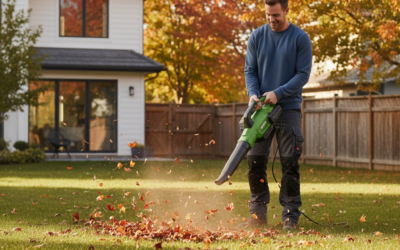
- Leaves are heavy in fall (mulch leaves separately or use bagging mode for efficiency)
Common Mulching Misconceptions
Will a Mulching Mower Leave Visible Clippings?
No—when mulching mowers are used correctly on dry grass at appropriate heights, clippings are chopped fine enough to disappear into the lawn within days. If you see visible clippings, you’re likely mulching wet grass, cutting too short, or mowing too infrequently. Adjust these factors and visible clippings will disappear.
Does Mulching Cause Thatch Buildup?
Thatch is a layer of dead stems, roots, and organic debris that accumulates faster than decomposition can break it down. Fine mulched clippings decompose quickly and do not significantly contribute to thatch. In fact, regular mulching supports healthy microbial activity that helps break down existing thatch. Thatch problems typically arise from overwatering, poor drainage, or using compacted clay soils—not from mulching itself.
Are All Lawns Suitable for Mulching?
Most established lawns benefit from mulching, regardless of grass type or region. However, lawns in their first year after seeding, very thin or patchy turf, or lawns with heavy disease pressure may perform better with bagging initially. Once the lawn is established and healthy, transition to mulching for long-term nutrient cycling and reduced maintenance.
Does Mulching Require Special Maintenance?
Mulching mowers require regular blade sharpening to maintain cutting efficiency. Dull blades tear grass rather than cutting cleanly, which reduces clipping fineness and can stress the grass. Deck cleaning after wet mowing prevents clipping buildup inside the deck. Beyond these standard mower maintenance tasks, mulching requires no special care.
Frequently Asked Questions
Do I need a special mower to mulch, or can I mulch with any mower?
Standard bagging or side-discharge mowers are not designed for effective mulching. Mulching requires specialized blade geometry, deck design, and blade speed to achieve fine clipping size. Many modern mowers offer mulching capability as a feature or attachment, but confirm your mower is rated for mulching before attempting it. Some mowers have an optional mulching kit that can be added to a standard deck.
How much can mulching reduce my fertilizer costs?
Mulching can reduce fertilizer requirements by 25–30% by returning clippings’ nutrient content to the soil. The exact savings depend on your current fertilizer program, soil health, and grass type. Most homeowners still apply one or two light fertilizer applications per year alongside mulching, but the overall fertilizer load decreases significantly compared to bagging clippings.
Can I mulch leaves with a mulching mower?
Yes, mulching mowers can chop leaves fine enough to decompose on the lawn, though results depend on leaf volume and type. For light fall leaf cover, mulching works well. For heavy leaf accumulation, multiple passes or bagging may be more efficient. Some mulching mowers have specific leaf-mulching settings or deck configurations optimized for fall cleanup.
What’s the best blade height for mulching?
Most lawn experts recommend maintaining grass at 2.5–3 inches for cool-season grasses and 1.5–2.5 inches for warm-season varieties. At these heights, clipping volume is manageable for mulching, and the taller grass shades the soil and supports deeper root development. Check your grass type’s specific recommendations, as optimal height varies by cultivar and climate.