What Is an Edger? Direct Answer
An edger is a tool, device, or person that creates, maintains, or operates along edges or boundaries. The term has distinct meanings depending on context: in landscaping, it’s a mechanical tool used to trim and define grass edges along walkways, driveways, and garden borders; in technology and computing, it refers to devices or systems that process data at network edges rather than centralized servers; in general usage, it describes someone or something that operates at or near a boundary or limit.
Edger as a Landscaping Tool
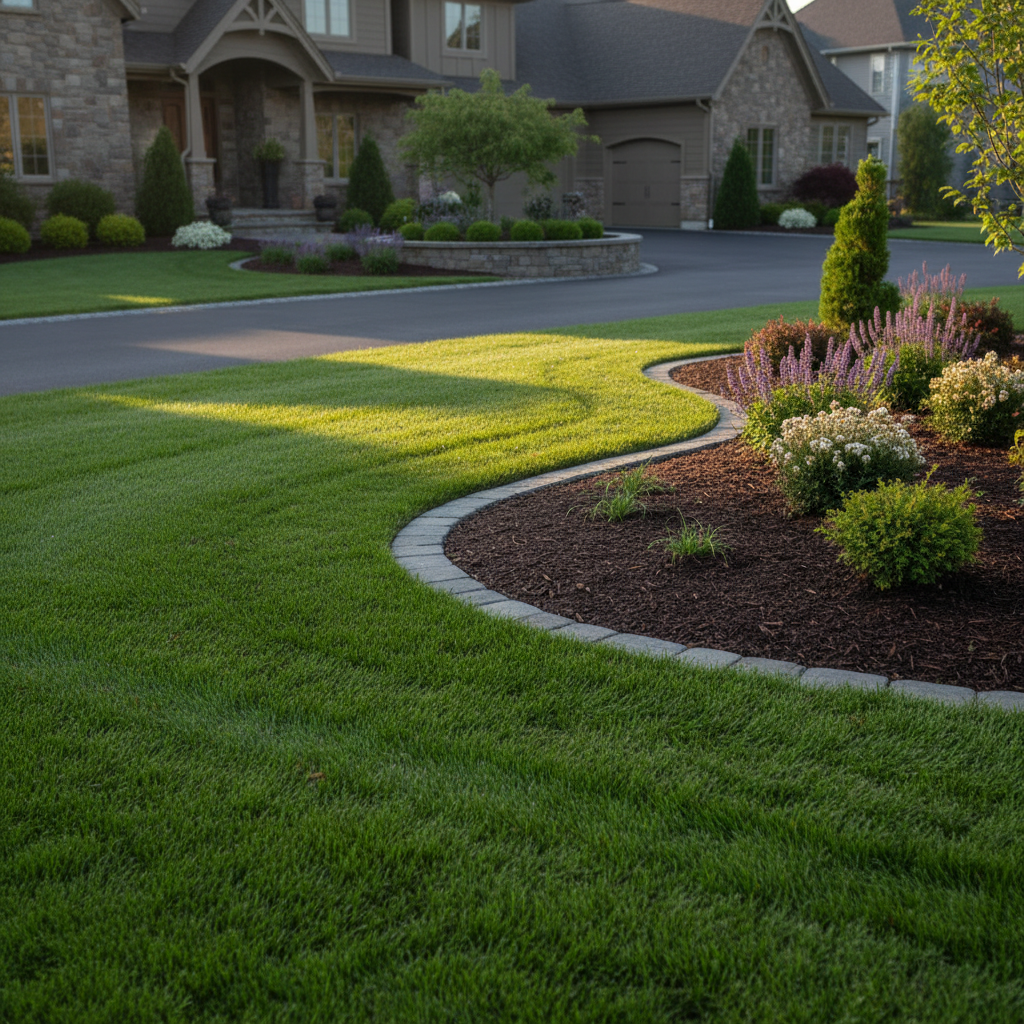
In residential and commercial lawn care, an edger is one of the most essential tools for maintaining a neat, professional-looking landscape. A lawn edger is a specialized piece of equipment designed to create clean, defined borders between turf grass and hardscapes like concrete, asphalt, brick, or gravel.
The primary purpose of a lawn edger is to remove grass that encroaches onto walkways, driveways, patios, and garden beds. Over time, grass naturally spreads beyond its designated area through rhizomes and stolons. An edger cuts this overgrowth cleanly, creating a sharp line that defines the edge of the lawn and enhances the overall appearance of a property.
Main Types of Landscape Edgers
- Manual Edgers: These hand-operated tools include half-moon edgers (also called edging spades) and step edgers. Users push the tool into the ground along the desired line and step down to cut through sod. Manual edgers are ideal for small properties, budget-conscious homeowners, and precise edge work. They require physical effort but offer complete control and produce no emissions.
- Electric Edgers: Powered by corded electricity, these lightweight machines feature a rotating blade or string that cuts grass edges. Electric edgers are quieter than gas-powered models and require minimal maintenance. They work well for small to medium-sized properties but are limited by cord length.
- Gas-Powered Edgers: These machines use gasoline engines to drive a high-speed rotating blade. Gas edgers are powerful, portable, and ideal for large properties and commercial use. They produce more noise and emissions than electric models but offer superior cutting power and no cord limitations.
- Rotary Edgers: Feature a spinning blade perpendicular to the ground, cutting vertically. These are the most common type for defining lawn edges against hard surfaces.
- Wheel Edgers: Have a blade attached to a wheel mechanism, allowing the user to roll the tool along the edge. These are effective for straight-line edging along driveways and patios.
How Lawn Edgers Work
The edging process is straightforward but requires attention to detail. Here’s how it works:
- Define the Line: Identify where the grass meets the hardscape or garden bed. For the cleanest results, some landscapers use chalk or string to mark the desired edge line.
- Operate the Edger: For manual edgers, position the blade on the line and step down or push to cut through the sod. For powered edgers, guide the rotating blade along the edge, allowing the tool to do the cutting work.
- Remove Debris: After edging, remove loose grass clippings and soil from the edge to reveal the clean line underneath.
- Repeat Regularly: Edging should be performed every 4–6 weeks during the growing season to maintain a sharp, defined border.
Regular edging serves multiple purposes: it prevents grass from invading hardscapes and garden beds, reduces future maintenance work, improves curb appeal, and creates a polished, intentional appearance to landscapes.
Surfaces and Applications
Edgers can be used on various surfaces and situations:
- Concrete sidewalks and driveways
- Brick or paver patios
- Garden beds and planting areas
- Gravel paths and walkways
- Mulch beds
- Around trees and landscape features
- Pool and deck perimeters
Edger in Technology and Computing
Beyond landscaping, “edger” is a term used in technology and networking contexts. An edger in computing refers to a device, server, or system that processes data and applications at the network’s edge—closer to end-users and data sources—rather than in a centralized data center.
This concept is central to edge computing, a distributed computing architecture where data processing happens locally on devices at the network edge rather than being sent to remote cloud servers. Edgers in this context include:
- IoT Edge Devices: Smart sensors, cameras, and industrial devices that collect data and perform initial processing locally.
- Edge Servers: Small, powerful computing units deployed at network edges in retail locations, factories, or telecom facilities.
- 5G Edge Computing Nodes: Specialized equipment in telecommunications networks that enable ultra-low-latency applications like autonomous vehicles and augmented reality.
- Gateway Devices: Hardware that connects multiple IoT devices to the network and performs local data aggregation and processing.
Edge computing devices reduce latency, improve bandwidth efficiency, enhance data privacy, and enable real-time decision-making in applications like autonomous driving, industrial automation, and remote healthcare monitoring.
Edger vs. Related Tools and Concepts
Edger vs. String Trimmer
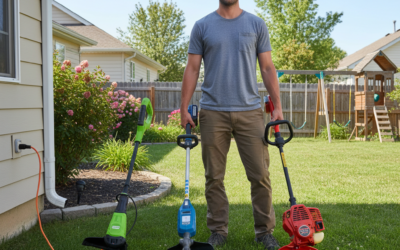
A string trimmer (also called a weed whacker or weed eater) and a lawn edger are often confused but serve different purposes. A string trimmer has a spinning nylon string that cuts grass and weeds anywhere on the lawn, including around obstacles. An edger, by contrast, is specifically designed to cut vertical grass edges along hardscapes and garden beds, creating a defined border. String trimmers are more versatile for general cleanup; edgers are specialized for edge definition.
Edging vs. Edgers
“Edging” refers to the process of trimming and defining grass edges. “Edgers” are the tools used to perform edging. The terms are related but distinct: you perform edging using an edger.
Edge vs. Edger
An “edge” is the boundary itself—the line where one surface meets another. An “edger” is the tool or device that creates or maintains that edge. An “edging” is the process or material used along an edge (such as metal or plastic landscape edging strips that are installed permanently to define borders).
General and Contextual Uses of “Edger”
Beyond landscaping and technology, “edger” has broader applications:
- General Noun: Any person or thing that operates at or near a boundary or limit. For example, “a financial edger” might refer to an investment strategy that operates at the edge of risk tolerance.
- Gaming: In competitive gaming, an “edger” may refer to a player who uses high-risk, aggressive tactics at the edge of game mechanics.
- Finance and Trading: Strategies or traders that operate at the edge of market regulations or risk parameters.
- Medical and Fitness: In some contexts, “edger” refers to someone or something that pushes boundaries or limits in training or performance.
Choosing the Right Edger for Your Needs
Consider These Factors
- Property Size: Small residential properties (under 5,000 sq ft) work well with manual or electric edgers. Larger properties (5,000+ sq ft) benefit from gas-powered models.
- Budget: Manual edgers are the most affordable ($20–$80). Electric edgers range from $100–$300. Gas-powered edgers cost $300–$800+.
- Physical Ability: Manual edgers require significant physical effort. Powered edgers are better for users with limited strength or mobility.
- Frequency of Use: For occasional edging (a few times per year), a manual or electric edger is sufficient. For frequent or commercial use, invest in a reliable gas-powered model.
- Noise and Environmental Concerns: If you’re noise-sensitive or environmentally conscious, choose a manual or electric edger over gas-powered.
- Maintenance Willingness: Gas edgers require seasonal maintenance (oil changes, spark plug replacement, fuel stabilization). Electric and manual edgers require minimal upkeep.
Frequently Asked Questions
What is the difference between edging and trimming?
Edging creates a vertical cut that defines the border between the lawn and hardscapes or garden beds, resulting in a clean, sharp line. Trimming removes grass clippings and overgrowth anywhere on the lawn using a horizontal cutting motion. Both are important for lawn maintenance but serve different purposes.
How often should you edge your lawn?
Most homeowners should edge their lawns every 4–6 weeks during the active growing season (spring through early fall). High-traffic areas or properties with aggressive grass growth may need edging every 2–3 weeks. In winter, edging is typically unnecessary as grass growth slows significantly.
Can you use a string trimmer instead of an edger?
A string trimmer can create an edge when held vertically, but it’s less efficient and effective than a dedicated edger. String trimmers are designed for horizontal cutting and can create uneven, ragged edges. For best results and clean borders, use a proper lawn edger.
What does edge computing mean, and how is it different from cloud computing?
Cloud computing processes data at centralized, remote data centers. Edge computing processes data locally on devices at the network edge, closer to the source. Edge computing offers lower latency, reduced bandwidth usage, and improved privacy, making it ideal for real-time applications and IoT devices.
Summary
“Edger” is a versatile term with primary meanings in landscaping and technology. As a landscaping tool, an edger maintains clean grass borders and enhances curb appeal. Understanding the different types—manual, electric, and gas-powered—helps you choose the right tool for your property and maintenance needs. In technology, edgers refer to edge computing devices that process data locally, enabling faster, more efficient systems. Whether you’re maintaining a lawn or deploying distributed computing infrastructure, edgers serve the essential function of operating at boundaries and defining clear lines of separation.