Direct Answer: Lawn Mowing Rates by Property Size
Lawn mowing costs typically range from $30–$60 per visit for small residential properties (under 5,000 sq ft) to $75–$150+ for larger properties (10,000+ sq ft). National averages hover around $40–$50 per visit. However, pricing varies significantly based on geographic location, terrain complexity, obstacles, service frequency, and add-on services. Service providers must factor in labor, equipment maintenance, fuel, and overhead to ensure profitability, while homeowners and businesses should expect premium pricing for steep terrain, frequent obstacles, bagging services, and ongoing maintenance contracts.
Typical Lawn Mowing Rates by Region
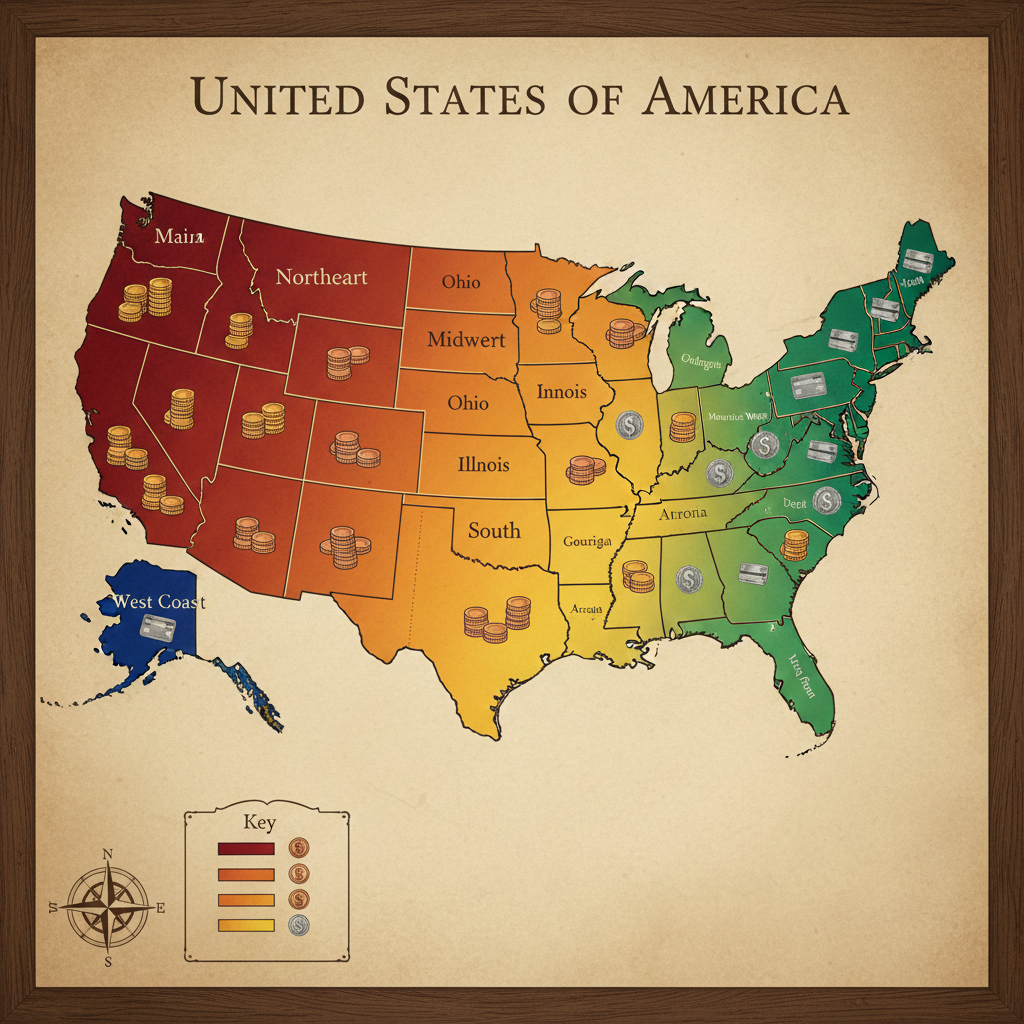
Lawn mowing pricing varies substantially across the United States due to differences in cost of living, labor rates, and local market competition.
- Northeast (New York, Massachusetts, Connecticut): $50–$75 per visit for standard residential lawns. Urban areas command higher rates; rural properties may fall on the lower end.
- Midwest (Ohio, Illinois, Michigan): $35–$55 per visit. This region typically offers more competitive pricing due to lower overall labor costs and population density.
- South (Texas, Florida, Georgia, North Carolina): $40–$65 per visit. Rates vary by city; urban Florida and Texas markets trend higher, while rural areas are more affordable.
- West Coast (California, Washington, Oregon): $60–$90 per visit. California, especially in the Bay Area and Los Angeles, commands premium rates due to high cost of living and labor expenses.
- Mountain West (Colorado, Utah, Arizona): $45–$70 per visit. Rates reflect moderate cost of living with seasonal demand variations.
Urban vs. Rural Pricing: Urban and suburban areas typically charge 20–40% more than rural regions due to higher labor costs, shorter drive times between properties, and greater demand. Rural properties may offer lower per-visit rates but may require longer travel distances, which affects profitability.
Pricing by Property Size and Lawn Complexity
Property size is one of the most significant cost drivers in lawn mowing pricing. Most service providers use square footage, estimated mowing time, or a combination of both to calculate rates.
| Property Size | Typical Mowing Time | Average Cost (National) |
|---|---|---|
| Under 5,000 sq ft | 20–30 minutes | $30–$60 |
| 5,000–10,000 sq ft | 30–45 minutes | $50–$85 |
| 10,000–15,000 sq ft | 45–60 minutes | $75–$120 |
| Over 15,000 sq ft | 60+ minutes | $120–$200+ |
Terrain and Obstacles Impact: Flat, open lawns are quickest and cheapest to mow. Properties with steep slopes, multiple trees, flower beds, deck obstacles, or rock landscaping require extra time and precision, justifying surcharges of 15–30%. Service providers should charge 10–20% more for:
- Slopes steeper than 15 degrees
- More than 5 mature trees or significant obstacles
- Narrow passages or tight spaces requiring walk-behind mowers
- Uneven terrain or hard-to-navigate layouts
Service Frequency and Contract Models
How often a lawn is mowed directly affects both per-visit pricing and total customer value.
One-Time or Occasional Mowing: Single visits typically command full standard rates, sometimes with a 5–10% surcharge to account for setup time and scheduling variability. Customers who call infrequently are less predictable and may pay premium prices.
Weekly Recurring Service: Customers with regular weekly or bi-weekly contracts often receive 10–15% discounts compared to one-time pricing. For example, a property that normally costs $60 per visit might be $50–$55 under a weekly contract. This encourages customer loyalty and provides service providers with predictable revenue.
Monthly and Seasonal Pricing: Some regions offer off-season discounts (fall/winter in northern climates) or seasonal price adjustments. Peak season (spring/early summer) may command 10–15% premiums due to higher demand and faster grass growth. Multi-month contracts sometimes include 5–10% reductions on the overall service package.
Annual Contracts: Year-round lawn care packages including mowing, edging, and trimming typically cost 15–25% less per visit than a la carte services, as they provide predictable scheduling and revenue for service providers.
Cost Factors Service Providers Should Consider
Setting profitable lawn mowing rates requires understanding all operational costs, not just labor time.
Labor and Wages: Labor is typically 40–60% of total operating costs. Consider your hourly labor rate plus payroll taxes, insurance, and benefits. If paying yourself or employees $20–$30 per hour plus taxes and benefits, you need to price accordingly to cover this 50% of revenue.
Equipment and Maintenance: A zero-turn mower (most common for residential work) costs $3,000–$8,000 upfront and requires annual maintenance ($300–$500). Smaller walk-behind mowers cost $500–$2,000 with similar maintenance. Factor equipment depreciation into your hourly rate: divide equipment cost by expected lifespan (typically 5–7 years) and divide by annual operating hours.
Fuel Costs: Most mowers consume 0.5–1 gallon per hour. At current fuel prices ($3–$4 per gallon), fuel adds $1.50–$4 per service. Include this in your per-visit calculation.
Insurance and Licensing: General liability insurance for lawn care typically costs $500–$1,500 annually. Commercial vehicle insurance, if applicable, adds another $800–$2,000. Operating licenses and permits may cost $100–$500 depending on location. Spread these across your annual customer base.
Overhead and Administrative Costs: Vehicle maintenance and fuel for traveling between jobs, scheduling software, phone/internet, marketing, and miscellaneous supplies typically account for 15–25% of total costs.
Profit Margin Target: Sustainable lawn care businesses aim for 20–40% profit margins after all operational costs. Starting providers should target the lower end (20–25%) to establish market presence, while established businesses with strong reputations can command 30–40% margins.
Additional Services and Premium Pricing
Bundling services and offering add-ons increases customer value and profitability.
- Bagging/Mulching: Add $10–$25 per visit. Bagging takes significantly longer and requires disposal or composting; mulching (leaving clippings on the lawn) is faster but not always preferred by customers.
- Edging and Trimming: Add $10–$20 per visit. Edging along sidewalks and driveways, plus string trimming around obstacles, typically takes 10–15 additional minutes.
- Fertilization and Weed Control: Add $50–$150+ per application depending on lawn size and product quality. This often requires licensing and can significantly boost revenue.
- Aeration and Seeding: Charge $100–$300+ per service depending on property size. These specialty services appeal to customers committed to lawn health.
- Leaf Removal and Debris Cleanup: Seasonal services can charge $50–$200+ depending on volume. Fall cleanup is often a lucrative add-on.
- Spring Cleanup: Clearing winter debris, opening beds, and preparing lawns for the season typically costs $75–$250.
Customers who purchase multiple services typically save 10–15% compared to a la carte pricing, incentivizing package sales while protecting your profit margins.
How to Calculate Appropriate Rates
Step 1: Calculate Your Desired Hourly Rate Decide your target hourly earnings. If you want to earn $50 per hour and target a 40% profit margin after all costs, your effective hourly billing rate should be around $83–$100 per hour ($50 / 0.6 = $83, accounting for overhead and operational costs).
Step 2: Estimate Mowing Time by Property For a typical 5,000 sq ft property taking 30 minutes to mow, calculate: 0.5 hours × $85–$90 per hour = $42–$45. Round to your market’s standard pricing ($40–$50).
Step 3: Research Local Competition Survey 10–15 competing lawn care services in your area through their websites, phone calls, or online quotes. Identify the low, average, and premium pricing. Position yourself accordingly: new businesses often start at or slightly below average; experienced businesses with strong reviews can command premium rates.
Step 4: Add Regional and Complexity Adjustments Adjust base rates up or down by 10–20% based on terrain, obstacles, and distance from your service hub. Urban properties may warrant premium rates; rural properties might require discounts or mileage surcharges.
Step 5: Test and Refine Start with calculated rates and monitor your profit margins, customer acquisition, and crew productivity. If you’re consistently underbooked, lower rates slightly. If demand exceeds capacity, raise rates. Most successful providers adjust rates annually based on cost inflation and market conditions.
Frequently Asked Questions
What do lawn mowing services typically include?
Standard lawn mowing includes cutting grass to a uniform height (typically 2.5–3.5 inches), usually with a zero-turn or walk-behind mower. Most services leave clippings on the lawn (mulching) unless bagging is specifically requested. Edging and trimming are sometimes included; confirm with your service provider. Additional services like leaf blowing, fertilization, or weed control are typically add-ons.
How much does lawn mowing cost for a 10,000 square foot property?
A 10,000 sq ft property typically costs $50–$85 per visit nationally, depending on terrain, obstacles, and region. Expect $50–$65 in the Midwest, $60–$75 in the South, and $70–$85+ on the coasts. Terrain and obstacles can add 15–30% to this base price. Regular weekly contracts often reduce the per-visit cost by 10–15%.
Should I negotiate lawn mowing rates?
Yes, with the following context: One-time or occasional customers have less negotiating power. However, customers committing to recurring weekly or monthly service can reasonably expect 10–20% discounts. If you’re requesting multiple add-on services (bagging, edging, fertilization), ask if package discounts apply. Avoid negotiating below a provider’s cost basis; reputable professionals know their minimum profitable rate.
What’s a reasonable profit margin for a lawn mowing business?
Sustainable lawn mowing businesses target 20–40% profit margins after labor, equipment, fuel, insurance, and overhead costs. New businesses often start at 20–25% while establishing market presence. Established businesses with strong reputations, efficient operations, and premium service tiers often achieve 30–40% margins. If your margins are below 15%, your pricing is likely too low relative to operational costs.
Factors That Increase Lawn Mowing Costs
Several factors can push prices above standard regional rates:
- Slope and Uneven Terrain: Properties with slopes steeper than 15 degrees require slower, more deliberate mowing and increase the risk of equipment damage. Expect 20–30% premiums.
- Dense Tree Coverage: Multiple mature trees create obstacles, shade (affecting grass growth patterns), and require careful navigation. Add $10–$25 per visit.
- Small or Fragmented Lawns: Properties with small mowable areas separated by hardscape, decks, or landscaping require more setup and transition time. These often cost more per square foot than larger properties.
- Hard-to-Access Properties: Steep driveways, narrow gates, or limited parking make service inefficient. Providers may charge 15–25% premiums or decline the job entirely.
- Bagging and Debris Removal: Mulching (leaving clippings) is the standard and fastest method. Bagging requires collection, loading, and disposal, adding $10–$25 per visit.
- Seasonal Demand Surcharges: Peak mowing season (May–July in most regions) often sees 5–15% price premiums due to high demand and faster grass growth.
- Geographic Location: High cost-of-living areas (California, Northeast) naturally command higher rates. Small or rural towns typically offer lower pricing.
How to Get Competitive Quotes for Lawn Mowing
If you’re a homeowner seeking mowing services, request quotes from at least 3–5 providers. Provide the same information to each: property size (in square feet), terrain type, obstacles, and desired service frequency. Compare quote totals but also ask about what’s included (edging, bagging, debris removal). The lowest price isn’t always the best value; consider company reputation, insurance coverage, and customer reviews.
If you’re a service provider setting rates, obtain 5–10 competitor quotes in your area to benchmark against the market. Underpricing damages the entire market; overpricing loses customers. Positioning slightly below average initially, then raising rates as your reputation grows, is a common strategy.