Why Regular Oil Changes Matter for Lawn Mowers
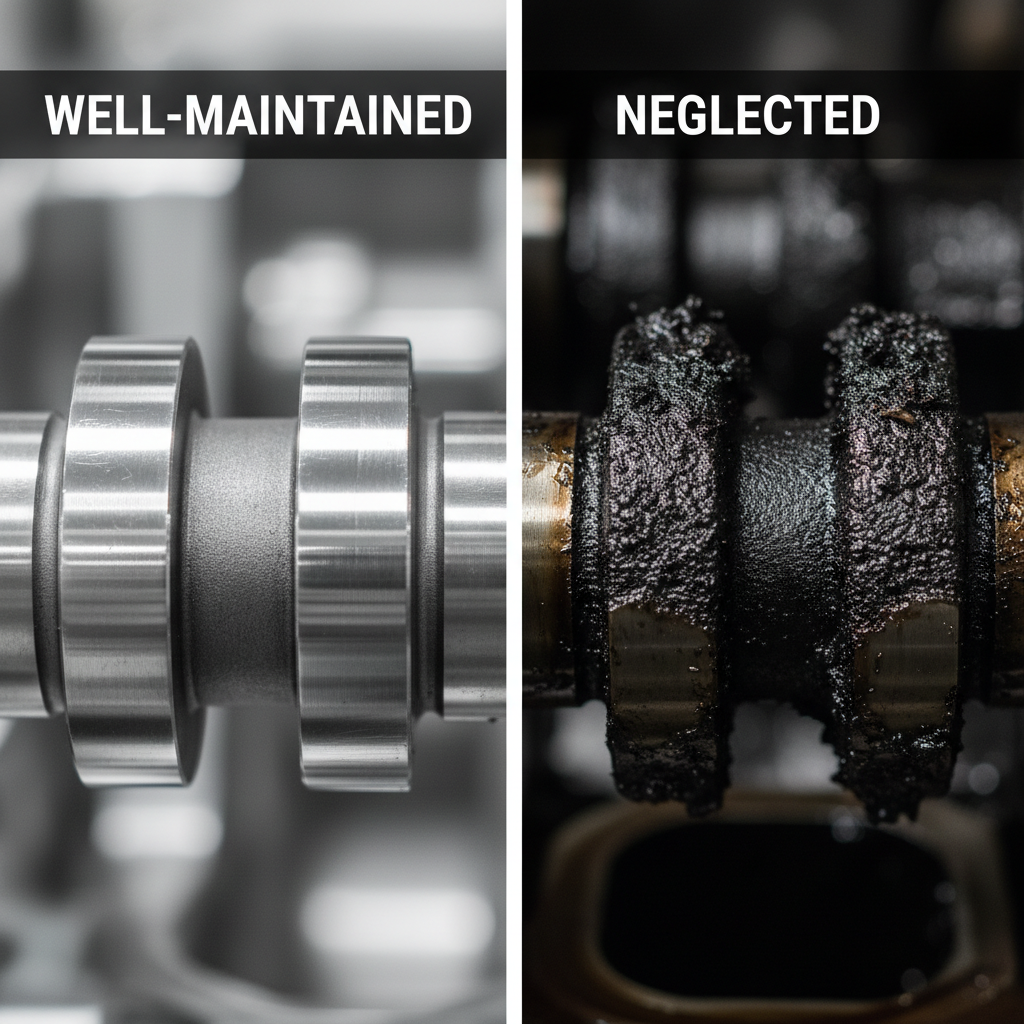
Oil is the lifeblood of your lawn mower engine. It lubricates moving parts, reduces friction, cools the engine, and helps remove contaminants. Over time, oil degrades through oxidation, collects dirt and debris, and loses its protective properties. Neglecting oil changes leads to increased engine wear, reduced fuel efficiency, harder starting, and eventually catastrophic engine failure.
Fresh oil maintains optimal engine performance and extends your mower’s lifespan by years. The investment in regular maintenance is minimal compared to replacing a damaged engine or buying a new mower. Dirty oil can also void manufacturer warranties, making scheduled maintenance essential for protecting your equipment investment.
Standard Oil Change Intervals: Hours vs. Seasons
Most lawn mower manufacturers recommend oil changes based on operating hours rather than calendar time. The industry standard is every 50-100 operating hours, though many models specify 40 hours or 50 hours as the first oil change interval, then extend to 100 hours for subsequent changes.
However, if you don’t use your mower frequently, the seasonal approach works better: change oil at least once per season, preferably at spring startup before the mowing season begins. This ensures your mower is ready to perform and prevents degraded oil from sitting unused all season.
Use whichever comes first: if you typically use 40 hours per season, follow the hour-based schedule. If you use fewer than 50 hours annually, the seasonal change alone may suffice—but check your manual to confirm.
Tracking Operating Hours: Many modern mowers display hour meters on the dashboard. If yours doesn’t, estimate usage: a typical residential lawn takes 1-2 hours to mow weekly during growing season. Record your start and end readings, or mark dates on a maintenance log kept in your garage.
Factors That Affect Oil Change Frequency
While 50-100 hours is a solid baseline, several variables may require more frequent changes:
Climate and Temperature
Hot climates cause oil to thin and degrade faster, while cold climates may require thicker oil grades. In extreme heat, consider changing oil every 50 hours rather than waiting until 100. Dusty, sandy environments (desert regions) also accelerate contamination—more frequent changes protect against particulate damage.
Mower Age and Engine Type
Older mowers may have looser tolerances and require more frequent oil changes than newer models with tighter engineering. High-performance engines (commercial-grade zero-turn mowers, for example) often need oil changes every 50 hours. Small single-cylinder engines in basic push mowers may stretch to 100 hours. Always defer to your specific model’s manual.
Usage Intensity and Conditions
Heavy usage—mowing thick, wet grass, frequent starting/stopping, or towing attachments—puts more stress on oil. If your lawn is large or you mow in challenging conditions, plan for 50-hour intervals. Light residential use may allow the full 100-hour schedule. Wet cutting (mowing after rain) is particularly hard on engines and oil.
Mower Type Variations
- Push Mowers: Typically 50-100 hours; small engines are less demanding but benefit from frequent changes.
- Riding Mowers: Often 50-100 hours depending on manufacturer; larger engines may vary.
- Zero-Turn Mowers: Commercial-grade models often recommend 50-hour intervals due to heavy-duty use.
- Walk-Behind Self-Propelled: Usually 50 hours, as the engine works harder than push mower engines.
Finding Your Mower’s Specific Oil Change Schedule
Your owner’s manual is the definitive source for your mower’s maintenance schedule. Here’s how to locate the information:
- Check the Maintenance section of your manual—it typically includes a maintenance chart with intervals in hours and calendar months.
- Look for the engine model number on your mower’s engine block; cross-reference the engine manufacturer’s guidelines (Briggs & Stratton, Honda, Kawasaki, Kohler, etc.) if your mower manual doesn’t specify.
- Search the manufacturer’s website for your specific mower model and year—PDF manuals are usually downloadable.
- Contact the dealer where you purchased the mower; they can provide model-specific guidance.
If you’ve lost your manual, document your mower’s year, make, model, and engine type, then search online or contact the manufacturer’s customer service. Never guess at maintenance intervals.
Step-by-Step Lawn Mower Oil Change Process
Supplies You’ll Need
- Correct oil type and viscosity (check your manual; common options: SAE 30, 10W-30, or synthetic equivalents)
- Oil drain pan or container
- Wrench or socket set (for drain plug)
- Oil filter wrench (if your mower has a filter)
- Fresh oil filter (if applicable)
- Rags or paper towels
- Funnel
- Jack or ramps (for riding mowers)
Draining Old Oil
- Warm the engine: Run your mower for 2-3 minutes to warm the oil (it drains faster). Stop and let cool for 5 minutes so you don’t burn yourself.
- Locate the drain plug: Consult your manual for the exact location. On push mowers, it’s usually on the side or bottom of the engine.
- Position the drain pan: Place your drain pan directly under the plug to catch all old oil.
- Remove the plug: Use the appropriate wrench to unscrew the drain plug counterclockwise. Be prepared for warm oil to drain quickly.
- Let it drain completely: Allow 5-10 minutes for all oil to drain. On riding mowers or larger engines, drain time may extend to 15 minutes.
- Clean the drain plug: Wipe the plug with a rag and inspect the threads for damage. Replace if stripped.
Changing the Oil Filter (If Applicable)
Not all lawn mowers have replaceable oil filters—check your manual. If yours does:
- Use an oil filter wrench to loosen the old filter counterclockwise until it’s hand-tight.
- Unscrew by hand and set aside (it will still contain old oil).
- Apply a thin coat of fresh oil to the rubber gasket of the new filter.
- Screw on the new filter hand-tight (3/4 turn after the gasket contacts the engine).
Refilling with Fresh Oil
- Reinstall the drain plug: Screw it back in counterclockwise until snug (don’t over-tighten, which can strip threads). For riding mowers, ensure the mower is level before refilling.
- Pour fresh oil: Insert a funnel into the oil filler cap. Add the recommended amount (usually 0.5-1.5 quarts for push mowers, 2-4 quarts for riding mowers). Start with less and check the dipstick.
- Check the level: Wait 1-2 minutes, then pull out the dipstick, wipe it clean, reinsert fully, and pull again to read the level. Add oil until it reaches the full mark.
- Run the engine: Start the mower and let it run for 30 seconds to circulate new oil. Stop and wait 2 minutes, then check the level again and top off if needed.
Oil Change Maintenance Tips and Best Practices
Synthetic vs. Conventional Oil
Conventional mineral oil is less expensive and works well for most residential mowers. Synthetic oil lasts longer (potentially stretching intervals to 150+ hours), resists oxidation better in heat, and flows more smoothly in cold starts. However, synthetic is more expensive per quart. Check your manual—some engines are rated for synthetic, others are not. If your mower manual doesn’t specify, conventional is the safer choice.
Oil Disposal
Never dump used oil down the drain, in the yard, or on the ground. Used oil is an environmental hazard and illegal to dispose of improperly in most jurisdictions. Instead:
- Pour old oil into a sealed container.
- Take it to a local recycling center, quick-lube shop, or auto parts retailer (many accept used oil for free).
- Some municipalities have hazardous waste collection days.
Oil Filters and Replacement
If your mower has an oil filter, replace it at every other oil change at minimum (every change is ideal). A clogged filter reduces oil flow and defeats the purpose of fresh oil. Some high-performance mowers require filter changes at every interval.
Seasonal Storage and Spring Startup
Before storing your mower for winter or the off-season, perform an oil change. Fresh oil prevents sludge buildup during dormant months. In spring, don’t assume last season’s oil is fine—if more than 3-4 months have passed since the last change, do a fresh one before intensive use.
Keeping Maintenance Records
Maintain a simple log recording the date, operating hours, and type/amount of oil used. This helps you stay on schedule, provides documentation if you sell the mower, and is useful if engine issues arise (maintenance records prove you followed the manufacturer’s guidance).
Frequently Asked Questions
What oil should I use in my lawn mower?
Always check your owner’s manual for the specific oil grade (SAE 30, 10W-30, 5W-30, synthetic, etc.) and the correct quantity. Using the wrong oil type can damage your engine. Most small gas mowers use SAE 30 in warm climates or 10W-30 in colder regions. Diesel mowers, commercial zero-turns, and specialty equipment may have different specifications. When in doubt, contact the mower manufacturer or your dealer.
Can I go longer than 100 hours without changing oil?
No—exceeding the manufacturer’s recommended interval risks engine damage. Oil degrades over time regardless of storage, and dirty oil accelerates wear. Even if your mower sits unused for a season, change the oil at the start of the next season. Extending intervals voids warranties and can lead to expensive repairs. The cost of regular oil changes is a fraction of what engine replacement or repair costs.
Do I need to change oil if I store my mower for the winter?
Yes. Change the oil before storage so fresh oil protects engine components during dormant months. Dirty oil can leave sludge deposits that damage internal parts. In spring, if more than 3-4 months have passed since the last change, perform another oil change before using the mower intensively.
How do I know if my mower needs an oil change between scheduled intervals?
Check your oil level monthly during the mowing season using the dipstick. If the level drops below the minimum mark, top it off with the correct oil type. If the oil appears very dark, thick, or smells burnt, change it early regardless of the hour meter reading. Excessive smoke from the muffler or hard starting can also indicate degraded oil, warranting an early change.
Conclusion
Changing your lawn mower oil every 50-100 operating hours or once per season keeps your engine running smoothly, maintains fuel efficiency, and extends equipment life. While the specific interval depends on your mower model, climate, and usage, consulting your owner’s manual ensures you’re following the manufacturer’s guidance. The small investment of time and money in regular oil maintenance prevents costly repairs and keeps your mower reliable for years to come. Set a maintenance reminder, track your operating hours, and make spring oil changes part of your seasonal lawn care routine.