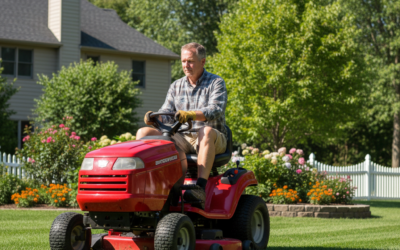
Mowing frequency isn’t about following a rigid calendar schedule but about maintaining healthy grass by never removing more than one-third of the blade at a time. The ideal mowing schedule varies by season, grass type, and environmental conditions.
The One-Third Rule: The Golden Standard
For healthy lawn maintenance, the most important principle is the one-third rule. This means you should never cut more than one-third of the grass blade’s total height in a single mowing session. When you remove too much of the blade, the grass experiences stress, which can lead to weaker growth, reduced root development, and increased susceptibility to disease and pests.
For example, if your lawn is meant to be 3 inches tall, you should only cut it when it grows to about 4-4.5 inches. This ensures the remaining two-thirds of the blade continues to photosynthesize effectively and maintain a strong root system.
How to Measure Grass Height
Measuring grass height accurately is straightforward. Simply use a ruler or measuring tape to check the current height of your lawn before mowing. Most lawns should be maintained between 2.5 to 3.5 inches depending on the grass type and desired appearance.
Typical Mowing Frequency by Season
Spring: The Growth Flush
Spring is when many lawns experience a rapid growth spurt, especially after winter dormancy. During this period, you may need to mow more frequently, often 3-4 times per week, as grass can grow 1/2 to 1 inch per day in optimal conditions.
Summer: Heat Stress Management
Summer mowing frequency typically decreases to once every 7-10 days as grass growth slows due to heat stress. During extreme heat, you might need to mow less frequently or raise the cutting height slightly to help the grass conserve water.
Fall: Growth Slows but Continues
Autumn brings another growth period, especially for cool-season grasses. Mowing frequency may return to once per week as grass prepares for winter dormancy. However, as temperatures drop, growth rates decrease and mowing frequency can reduce to every 10-14 days.
Winter: Dormant Period
During winter, most lawns enter dormancy and require little to no mowing. In colder climates, you might mow once or twice during the season if the grass grows significantly, but generally, the lawn remains dormant and doesn’t need regular mowing.
Factors That Affect How Often You Mow
Grass Type: The Primary Determinant
- Cool-season grasses (like Kentucky bluegrass, fescue, and ryegrass) typically grow best in spring and fall, requiring more frequent mowing during these periods.
- Warm-season grasses (like Bermuda grass, zoysia, and St. Augustine) peak in growth during summer and may need less frequent mowing in spring and fall.
Climate and Weather Conditions
Rainfall and temperature significantly impact grass growth rates. During periods of heavy rainfall or warm temperatures, you’ll need to mow more frequently. Conversely, drought conditions or cold snaps reduce growth and mowing frequency.
Rainfall and Irrigation
Lawns that receive consistent rainfall or regular irrigation will grow faster and require more frequent mowing. Dry conditions or lack of water will slow growth and reduce the need for frequent mowing.
New vs. Established Lawns
New lawns often require more frequent mowing as they establish their root systems. Typically, new lawns should be mowed every 5-7 days during the establishment period, while established lawns can follow the one-third rule based on growth rates.
Mowing Frequency Mistakes to Avoid
Over-mowing
Cutting more than one-third of the blade at once stresses the grass and can lead to brown tips, reduced root development, and increased disease susceptibility. It may also cause the grass to grow slower as it focuses energy on regrowing the cut portion.
Under-mowing
While less common, cutting too short can cause stress, promote weed growth, and reduce the lawn’s ability to withstand drought and pests. It can also make the lawn look sparse and unhealthy.
Fixed Schedule Approach
A fixed weekly schedule doesn’t account for seasonal variations and can lead to over-mowing in slow growth periods or under-mowing in active growth periods. The one-third rule provides a more flexible and healthy approach.
Quick Mowing Schedule Reference
Here’s a general guide to help you determine when to mow based on your lawn’s growth:
| Season | Typical Growth Rate | Recommended Mowing Frequency |
|---|---|---|
| Spring | Rapid growth (0.5-1 inch per day) | 3-4 times per week |
| Slower growth (0.25-0.5 inch per day) | Once every 7-10 days | |
| Fall | Recovery growth (0.3-0.7 inch per day) | Once per week |
| Winter | Dormant (minimal growth) | Once or twice per season |
Remember that these are general guidelines and should be adjusted based on your specific lawn conditions and the factors discussed above.