To start a modern John Deere riding mower, follow this universal sequence: 1) Park on a flat surface, ensure the transmission is in neutral, and set the parking brake. 2) Disengage the blade control (PTO) switch. 3) Sit in the operator’s seat. 4) Turn the ignition key to the ‘On’ position. 5) Press the brake/clutch pedal fully. 6) Turn the key to the ‘Start’ position and hold until the engine fires, then release. For push mowers, the process involves priming the engine (if applicable) and pulling the recoil starter cord after ensuring the safety bail is held against the handle.
Starting your John Deere lawn mower correctly is fundamental for both personal safety and the longevity of the machine. The term “turn on” can be ambiguous; it may refer to starting the engine or engaging the cutting blades (PTO). This guide will clarify both, focusing first on the essential engine ignition procedure, which must be completed before any blade engagement can occur. Following the proper sequence ensures that critical safety interlocks are satisfied, preventing accidental starts or blade movement.
Understanding the Starting Procedure for John Deere Mowers
Before diving into the steps, it’s important to understand what “turning on” a mower entails. For the engine to start, a specific series of safety conditions must be met. These are designed to prevent the mower from starting in an unsafe state, such as while in gear or with the blades engaged. The process differs slightly between riding mowers (which typically use a key ignition) and push mowers (which often use a recoil starter cord).
The primary goal of the starting procedure is to safely bring the engine to life. Only after the engine is running and warmed up should you consider engaging the blades, which is a separate action controlled by the PTO switch or lever. Attempting to engage blades before the engine is started or while it is under heavy load can strain the system.
Key Safety Checks Before Starting
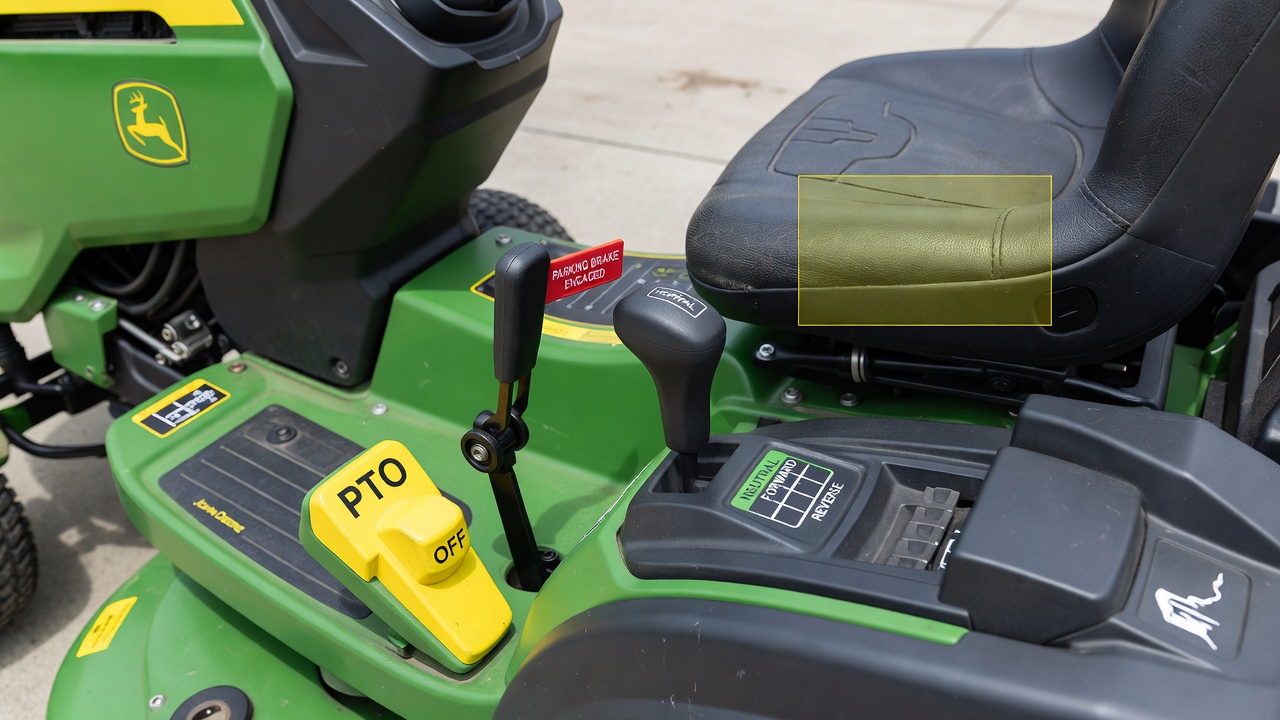
Never skip the pre-start safety checks. These steps are universal across most John Deere models and are crucial for preventing injury or damage.
- Location and Surface: Always start the mower on a flat, level surface. This prevents the mower from rolling unexpectedly and ensures proper fluid levels in the engine and transmission.
- Transmission and Parking Brake: For riding mowers, ensure the transmission is in neutral (for manual models) or the parking brake is firmly set. This locks the wheels and is a key safety interlock requirement.
- Blade Control (PTO): The Power Take-Off (PTO) switch or lever, which engages the cutting blades, must be in the “off” or disengaged position. Starting the engine with the blades engaged is a safety hazard and is often prevented by interlocks.
- Operator Presence: For riding mowers, you must be seated in the operator’s seat. A seat sensor is a standard safety feature that prevents the engine from starting if no one is present.
Step-by-Step Guide: Starting a John Deere Riding Mower
This sequence applies to most modern John Deere riding lawn tractors and zero-turn mowers equipped with a key ignition and an electric start.
- Park and Prepare: Move the mower to a flat, open area. Disengage the mower deck by moving the PTO switch to the “off” position. Ensure the parking brake is set and the transmission is in neutral.
- Seat Check: Sit firmly in the operator’s seat. The seat safety switch must be depressed for the ignition circuit to be active.
- Key to ‘On’: Insert the key into the ignition and turn it to the “On” or “Run” position. You may hear a fuel pump prime or see dashboard lights illuminate. Do not turn to “Start” yet.
- Engage Brake/Clutch: Press the brake/clutch pedal all the way down with your foot and hold it there. This is a critical safety interlock.
- Start the Engine: While holding the brake pedal, turn the key to the “Start” position. Hold it there for a few seconds until the engine catches and starts running. Release the key immediately once the engine fires.
- Post-Start Check: Allow the engine to idle for a moment. Check that all warning lights are off and that the engine sounds smooth before proceeding to operate the mower or engage the blades.
Starting a John Deere Push Mower (Manual Start)
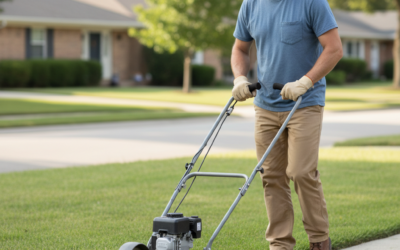
For walk-behind push mowers, the starting process is manual and relies on a recoil starter cord.
- Position the Mower: Place the mower on a flat, stable surface.
- Check Fuel and Oil: Ensure there is fresh fuel in the tank and the engine oil is at the proper level.
- Prime the Engine (If Applicable): Some models have a primer bulb. Press it 3-5 times as directed by the label on the mower. This injects a small amount of fuel into the carburetor to aid cold starting.
- Set the Safety Bail: Locate the safety bail (a metal or plastic bar) on the handle. Pull and hold this bail firmly against the main handle. This action disengages a brake on the engine and is required for it to run.
- Pull the Starter Cord: While holding the safety bail, grasp the starter cord handle firmly. Give it a quick, smooth pull. Do not wrap the cord around your hand. Repeat if necessary until the engine starts.
- Release the Bail to Stop: To stop the engine, simply release the safety bail. The engine brake will engage and stop the mower.
Important Model-Specific Notes and Consultation
While this guide covers the general procedure, John Deere manufactures a wide range of mowers with different features and safety systems. The exact location of switches, the sequence of interlocks, or the presence of an electric PTO can vary.
Always consult your specific model’s owner’s manual. The manual contains the definitive, model-specific starting instructions and safety information. It will detail any unique steps for your machine, such as using a choke lever, understanding specific dashboard indicators, or performing a pre-start systems check. Ignoring model-specific instructions can lead to improper operation or damage.
If you encounter persistent starting issues—such as the engine not turning over, clicking sounds, or the safety interlocks not engaging—it is recommended to consult a qualified John Deere service technician. Attempting complex electrical or fuel system repairs without proper knowledge can be hazardous.