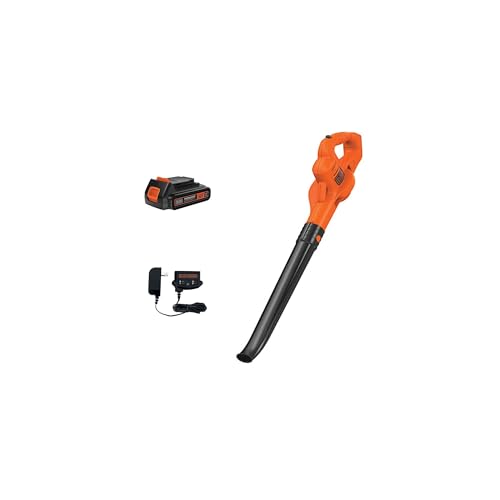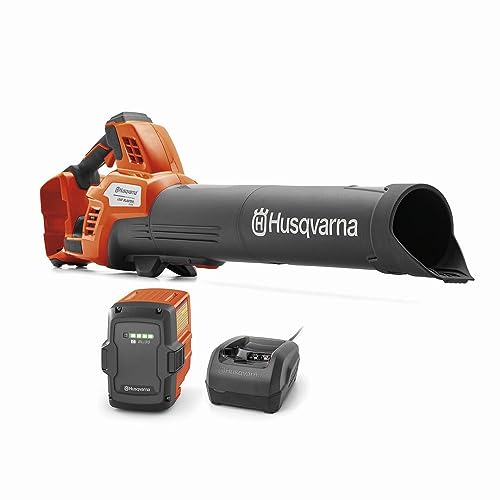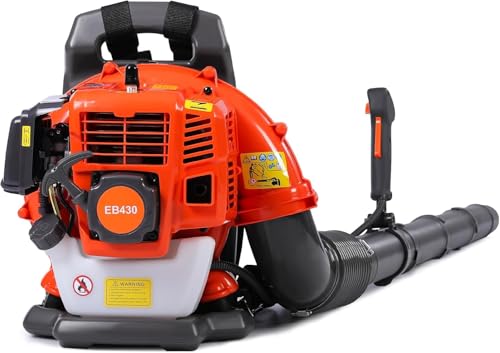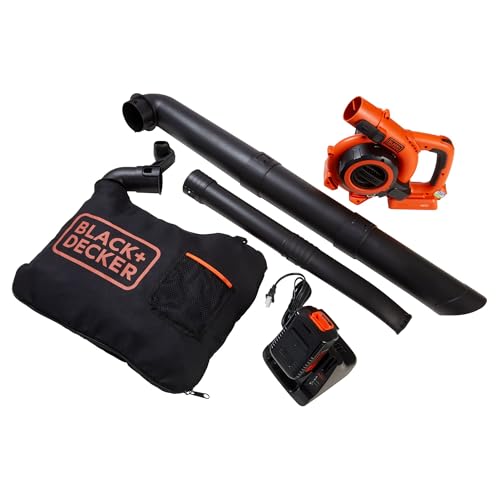
Quick Answer: How To Choose Battery Operated Leaf Blower?
There is no single best battery-operated leaf blower for every yard. The right cordless model depends on how large the area is, whether debris is dry and light or wet and matted, how much airflow you need, how long the battery lasts and whether it fits a tool system you already own, and whether a handheld or backpack form factor…
What “best” means for a battery leaf blower
Shoppers ask for the best cordless leaf blower because they want one clear pick. Yards, debris, and users do not line up that neatly. A compact blower that is pleasant for a driveway after a dry autumn weekend can stall on wet, matted leaves across a large lawn. A high-output backpack unit that makes long sessions easier may be bulky, expensive in batteries, and more tool than a small patio needs.
Optimize first for the job you actually have, then for the power source you can live with, then for comfort. Yard size and debris type tell you how much air you need and how long you will run the motor. Runtime and tool-platform fit tell you whether you can finish without waiting on a charger. Form factor and handling tell you whether you will still want to pick the tool up next weekend. Peak marketing numbers matter less than that sequence.
A battery-operated leaf blower is usually chosen for easier starting, no fuel mixing, lower fumes, and often quieter operation than a gas blower. Those gains come with trade-offs. Runtime is finite. In many cases peak power is also lower than a comparable gas machine, especially against wet or packed debris. Corded electric blowers can run as long as the outlet allows, but the cord limits range and becomes a trip hazard. None of those categories is universally better. Cordless simply fits people who want grab-and-go cleanup without mixing gas or dragging a cable—if the battery and airflow match the work. When planning workspace deployment, consider the engineering criteria outlined in our jbl partybox club 120 vs sony srs xv500 guide.
Treat “best” as best fit. The rest of this guide is a set of comparison criteria, not a ranked list and not a substitute for checking the current specifications and battery compatibility of any model you consider. When planning workspace deployment, consider the engineering criteria outlined in our jbl partybox club 120 vs sony srs xv500 guide.
Match the blower to your yard and debris
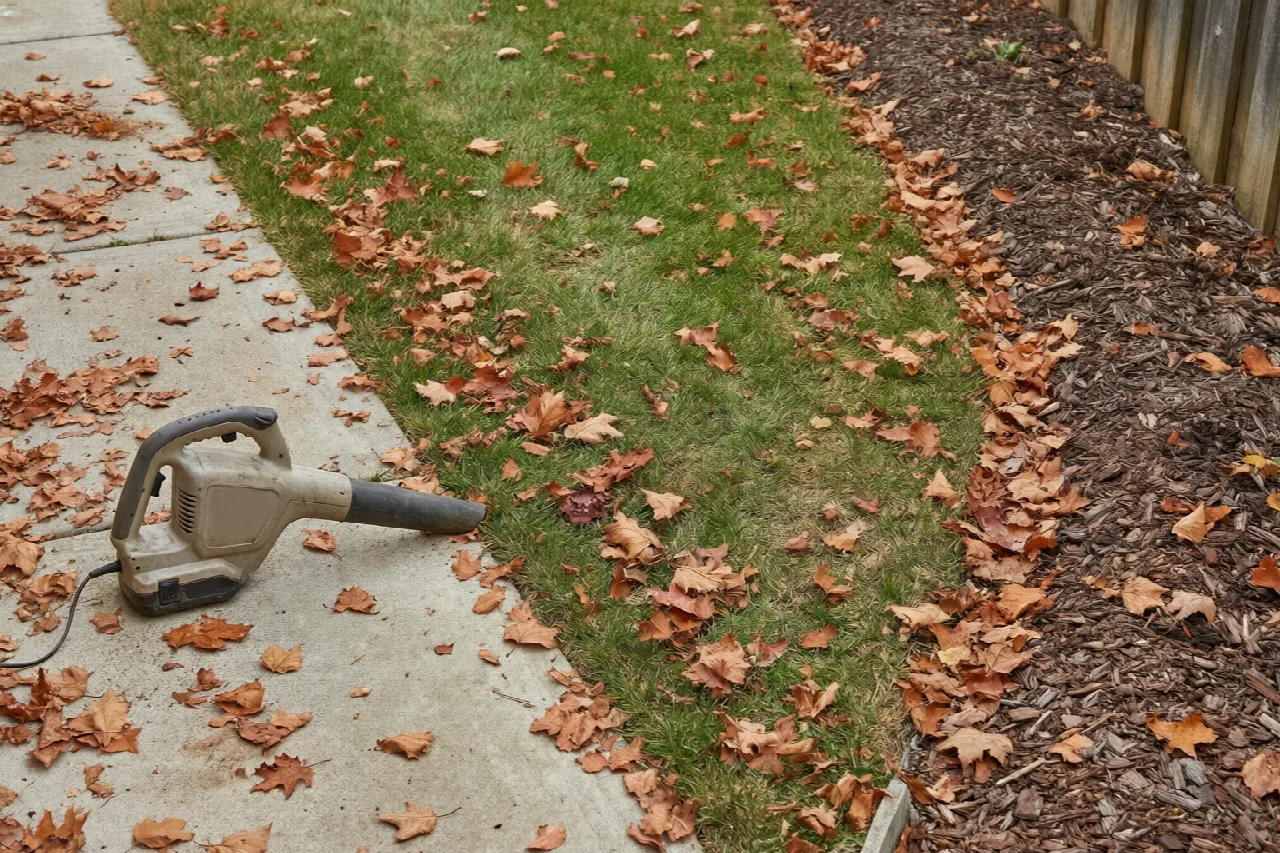
Start by describing the surfaces and the mess, not the voltage badge on the pack. Typical homeowner jobs include sweeping a driveway or walk, clearing a deck or patio, moving dry leaves off turf, blowing debris out of beds and along fences, and cleaning hardscape after mowing. Those jobs are not equal. Dry leaves on concrete slide with relatively little air. The same leaves in grass catch on blades and need more volume and more passes. Gravel, mulch, and flower beds need control more than brute force, or you will scatter the material you meant to leave in place.
A compact handheld cordless leaf blower is often enough when the area is small, the debris is mostly dry and loose, and you work in short bursts: front walk, garage apron, a few shrubs, a deck after dinner. It is also enough when you mainly want to finish edges after a mower or rake has already done the heavy lifting. A larger cordless unit starts to make more sense when you regularly clear a wide lawn, long fence lines, or a mix of turf and hard surfaces in one session, or when debris is mixed with twigs, seed pods, and damp clumps rather than a light carpet of dry leaves. For additional operational safety benchmarks, see our published testing notes on z890 vs x870e motherboard.
Wet, matted, or mixed debris changes the job more than square footage does. Water adds weight and makes leaves stick to each other and to the ground. Packed layers behave more like a mat than a pile. You will spend more time, use a higher output setting, and still may need a rake, mower, or another pass after the surface dries. If most of your season looks like that, buy for the hard days, not the photogenic dry-leaf days. If wet cleanup is rare, you can accept a lighter blower and keep a rake for storms.
Also be honest about frequency. A tool you use twice a year can be simpler and live on a shared battery platform. A tool you use every weekend in fall needs comfortable weight, easy speed control, and a realistic plan for spare packs or charge time. Do not convert lot size into a required voltage class. Two properties of the same size can need very different blowers if one is mostly patio and the other is shaded, damp turf. To compare alternative configurations, check our hands-on review of marshall stanmore iii vs harman kardon onyx studio 8.
Airflow: volume, speed, and what they actually clear
Manufacturers describe airflow with two ideas that are easy to mix up: air volume and air speed. Volume is how much air the blower moves. Speed is how fast that stream is traveling when it leaves the nozzle. They are related, but they are not interchangeable, and neither one is a complete quality score.
Volume helps you move a wider pile of light, dry material. A broader, higher-volume stream can roll a leaf carpet across a driveway or lawn without requiring you to stand in one spot and drill at the pile. Speed helps you dislodge debris that is stuck, heavier, or sitting in a crack, against a curb, or under a shrub. A narrower, faster stream can break a clump free so the rest of the air can carry it. In practice you want both working together. A fast but skinny jet may punch a hole in a pile and leave the rest. A gentle high-volume breeze may wash dry leaves along pavement and then fail on wet clumps or gravel-embedded bits. Users looking for related component recommendations can explore our dyson v8 cyclone vs bissell featherweight stick breakdown.
Nozzle shape changes how those two numbers feel in the yard. A concentrator or tapered nozzle raises speed in a smaller area, which is useful along edges, in corners, and on stubborn spots. A wider opening spreads the work, which is useful when you are sweeping a large, already-loose sheet of leaves. Some blowers let you swap or adjust the nozzle; others are fixed. Variable speed on the trigger or a dial lets you choose a softer stream around plants, parked cars, and loose gravel, then open up on open pavement.
Use published airflow figures as relative clues, not as proof of driveway performance. Lab conditions, nozzle attachments, and how a company measures volume versus speed are not standardized in a way a shopper can fully audit from a spec sheet. Two blowers with similar headline numbers can feel different because of nozzle design, how quickly output falls as the battery drains, and how easy it is to keep the stream on the debris. Compare figures within a similar class, read volume and speed together, and treat real-yard behavior—especially on wet or mixed debris—as something you still have to judge in person or from careful, like-for-like descriptions, not from a single number. Before finalizing equipment decisions, refer to our comprehensive bissell crosswave hydrosteam vs shark stainforce comparison.
Battery voltage, capacity, runtime, and tool platforms
The lithium-ion battery is not an accessory. It is half the tool. Voltage is a rough signal of the electrical platform and, often, of how demanding a motor the pack is designed to feed. Amp-hours (and the related energy stored in the pack) tell you more about how much work you can do before a swap or a recharge. Neither figure guarantees airflow, and neither replaces nozzle design or your technique. A higher-voltage or higher-capacity pack can support more demanding work or longer sessions. It can also mean more weight on a handheld blower and a higher cost if you need a second pack.
Runtime is not a fixed property of the blower. It falls when you run a higher speed or turbo setting, when debris is heavy and you stay on the trigger, and when the pack is cold. Lithium-ion packs deliver less usable runtime in cold weather, which matters if your leaf season includes frosty mornings. Runtime also depends on how the tool manages power as the battery depletes. Some units feel strong until they step down; others fade more gradually. Advertised run times, when they appear, are usually best-case figures on a low setting with a specific pack. Use them only to compare similar claims, not as a promise of how long your Saturday will last.
Charge time and spare batteries often matter as much as a single advertised run. If a full charge takes longer than your typical cleanup window, you either need a second pack, a fast charger compatible with that system, or a workflow that splits the job across days. Plan the boring logistics: where the charger lives, whether you can charge indoors at a moderate temperature, and whether you already own packs that fit.
That last point is easy to undervalue. Staying on a cordless platform you already own—same battery family, same charger—can be more practical than chasing a slightly stronger standalone blower that needs its own orphaned pack. Shared batteries reduce clutter and make a spare pack useful for a mower, trimmer, or saw, not only the blower. Before you assume compatibility, confirm the current battery and charger list with the manufacturer. Families get extended, redesigned, and occasionally split. “It looks like the same pack” is not enough.
If you are starting from zero, think in terms of the whole system: blower, at least one pack large enough for a typical session, a charger you will actually use, and whether you expect to add other cordless outdoor tools. Buying the cheapest blower with the smallest pack can lock you into short sessions and a weak platform. Buying the largest pack “just in case” can make a handheld unit nose-heavy. Match pack size to form factor and to how long you realistically work in one go.
Handheld versus backpack and other form factors
Form factor decides where the weight sits and how quickly you can start a small job. A handheld blower is the practical choice for quick tasks, tight storage, and users who want to grab one tool from a hook. The motor and battery usually live in the body you carry in one or both hands. That is simple. It also means arm and wrist load rises with pack size, session length, and how far you hold the nozzle from your body. For short dry-leaf cleanup, that trade-off is often fine.
A backpack blower, or a design that puts most of the battery and motor weight on a harness, can reduce arm fatigue on longer sessions. You still steer a tube, but you are not supporting the whole energy store at the end of your elbow. That layout makes more sense when you regularly clear a large area in one pass, when you want a bigger battery without turning the handle into a kettlebell, or when shoulder-and-hip carry is more comfortable than a front-heavy handheld. It is not automatically “more powerful,” and it is not better for a small patio. Backpacks take more storage space, take longer to put on, and can feel like overkill for five minutes of driveway dust.
Some cordless blowers sit between those poles: tube-mounted motors, hip belts, or two-handed shafts. Judge them by the same questions. Where is the mass? Can you set the tool down safely? Can you use it around cars, raised beds, and stairs without the nozzle fighting you?
Nozzle length and balance change control as much as raw output. A longer tube can keep debris farther from your feet and help you reach under a bench, but it also magnifies any imbalance. One-handed use is convenient for opening a gate or moving a pot; two-handed use is often steadier along a car door or a fragile border. In a store, hold the tool with a battery installed if possible. Point it as you would along a parked car and along a bed edge. If the nose dives or the trigger hand cocks your wrist, that will get worse after twenty minutes, not better.
Handling, noise, and day-to-day comfort
For most homeowners, handling details decide whether the blower becomes a habit or a garage ornament. Weight distribution, grip shape, trigger reach, and vibration matter more day to day than a small gap in headline airflow. If the tool is awkward, you will put it down and finish with a rake—which may be fine, but then you did not need the extra power you paid for.
Variable speed is one of the most useful everyday controls. Full blast is rarely the right setting next to mulch, pea gravel, window wells, or a neighbor’s car. A responsive trigger, a lock-on or cruise control for long straight runs, and an easy way to drop back to a crawl speed all reduce fatigue and collateral mess. Cruise or lock-on features help on open lawn or pavement; they are less helpful in tight beds where you constantly feather the output. A clear battery gauge, even a simple bar display, prevents the unpleasant surprise of dying mid-pile.
Cordless leaf blowers are generally quieter than comparable gas units, which is a real benefit for early mornings, shared fences, and users who dislike engine noise. They are not silent. High-speed air, debris hitting hard surfaces, and the motor itself still produce enough sound that hearing protection is reasonable for longer sessions, and courtesy still matters. Do not assume a battery tool is acceptable at any hour. Local rules and neighbor patience vary, and this article cannot quote ordinance limits. If noise is a primary reason you are leaving gas, still look for a unit you can run at a moderate setting for most of the work.
Comfort also includes how you start and stop. A cordless blower should be ready without a pull cord ritual, but you still want an obvious lock-off so it does not start in a crowded shed. Check whether you can set the tube down without the nozzle filling with gravel, and whether the battery release is usable with gloves. Those small points show up every time you use the tool.
Wet leaves, extra functions, and features that are actually useful
Wet or compacted leaves are a common weak point for cordless blowers. Moisture adds weight, increases friction, and can turn a leaf layer into a sheet that the air stream skims over. You can still make progress by working from the edge, lifting the mat in stages, and using a concentrator nozzle on stubborn spots, but you should not expect a battery blower to “erase” a soaked lawn the way a dry driveway clears. When leaves are waterlogged, a mower with a bagger, a rake, or waiting for a drier window is often the better primary method. The blower can then finish hard surfaces and edges.
Vacuum and mulch kits sound like a way to skip raking. For some users they are useful: dry leaves on a hard surface can be sucked up and reduced for the compost or yard-waste bin. They also add bulk, extra parts to store, and often a penalty to blowing performance or balance. A vacuum mode is not a substitute for a mower on soaked leaves, and it will not reliably eat sticks, wet clumps, or toys left in the grass. Buy the kit if you already know you prefer to collect dry debris as you go. Skip it if you mainly want to move leaves onto a tarp or into a bed and you dislike assembling extra tubes.
Features that tend to change everyday usefulness, without depending on a single brand story, include:
- Variable speed with a usable low end, not only a turbo button.
- A concentrator or tapered nozzle for edges and stuck debris.
- A battery gauge you can read at a glance.
- A secure, glove-friendly battery latch and a pack that matches your other tools.
- Cruise or lock-on only if you do long, open runs.
- A hanger or flat base so the tool is not stored on the nozzle.
Be skeptical of extra modes that exist mainly as labels. A “turbo” setting is just a higher output with a shorter runtime. That can be worthwhile for a stubborn corner if you understand the battery cost. It is not a different machine. Likewise, do not overbuy attachments you will not assemble. Unused vacuum kits become shed clutter.
A practical way to compare models without picking a winner
Use a fixed order so spec sheets do not scramble the decision.
- Define the job in plain language: surfaces, typical debris (dry versus wet or mixed), how often you clear, and how long a session usually lasts.
- Choose a form factor you will actually carry—handheld for short, grab-and-go work; backpack or weight-distributed designs for longer sessions—and note any storage or strength limits.
- Decide whether you will stay on a battery platform you already own. If yes, shortlist only blowers that use those packs and confirm compatibility with the manufacturer. If no, treat charger plus first pack plus likely spare as part of the same purchase.
- Compare airflow as a pair of clues (volume and speed) plus nozzle options, not as a single trophy number. Prefer descriptions that mention both, and stay cautious about any claim that a lab figure equals yard performance.
- Compare battery support qualitatively: pack sizes available, whether a spare is realistic, how you will charge, and the fact that cold weather and high settings shorten the work window.
- Check handling on the tool itself when you can: balance with a battery installed, trigger and lock-off, nozzle length around an imaginary car door and bed edge, and how fast you can swap a pack.
When two blowers share the same battery platform, the comparison gets cleaner. You can ignore charger cost and pack chemistry and look at airflow design, weight in the hands, controls, and whether one body accepts the pack sizes you already like. The “stronger” model is the one that matches the debris and the way you hold the tube, not necessarily the one with the more aggressive brochure language.
Verify spare-pack availability and the current battery map before you commit. Platforms change. Marketing superlatives—“pro,” “max,” “unstoppable”—are not criteria. If you cannot hold the tool, at least compare weight distribution in descriptions (battery in the handle versus in a backpack) and return policies, and plan to judge comfort on the first session while you can still reverse the purchase.
If the honest job description is a huge, frequently soaked property and you need all-day output, a battery blower may still be the wrong primary tool. That is a valid outcome of this process, not a failure of shopping.
Safety, battery care, and limits to keep in mind
A leaf blower throws debris. Eye protection is basic, not optional, even in a quiet backyard. Stones, twigs, and grit can bounce off a curb or car wheel. Do not point the nozzle at people, pets, windows, or the street in a way that sends material into traffic. Check behind you before you turn the stream. Hearing protection is worth using for longer or higher-output sessions even though cordless tools are often quieter than gas. Shoes that protect the instep are wiser than open sandals when you are walking backward over hidden sticks.
Work habits matter as much as gear. Clear toys, wires, and loose gravel you do not want to launch. On stairs and slopes, keep a free hand for balance if the tool allows it, or choose a lighter handheld and shorter sessions. Stop if vibration, wrist angle, or harness pressure becomes painful; fatigue is how people clip mirrors and lose footing. Follow the tool manual for starting, lock-offs, and any age or supervision guidance that applies to your household.
Treat the lithium-ion pack as a component with its own rules. Use the charger specified for that battery family. Do not operate or charge a pack that is cracked, swollen, leaking, or unusually hot. Keep charging on a hard, non-flammable surface where you can notice a problem, and avoid leaving packs in a hot vehicle or in direct sun. For storage, manufacturers typically want a partial charge rather than a pack left fully empty for months; follow the label on your pack rather than a generic percentage from memory. Do not modify batteries, bypass protection, or mix damaged cells back into service. If a pack is damaged or at end of life, use the take-back or household hazardous-waste options available where you live; local rules differ, and the manual or the pack maker is the right place to start.
A battery-operated leaf blower is the wrong tool when the debris is too wet and heavy for air to lift, when the area is tiny enough that a broom or rake is faster, when you need uninterrupted runtime far from a charger and have no spare packs, or when local conditions make flying debris unsafe (crowded sidewalks, playgrounds, loose gravel toward glass). In those cases, rake, tarp, mower, corded power, or simply waiting for drier weather is the better choice.
Choose the cordless leaf blower that fits the yard you have, the debris you actually fight, the batteries you can support, and the way your body likes to carry a tube. That fit—not a universal winner—is what “best” means here. Read the blower and battery manuals for model-specific limits before the first real pile of leaves.
For more hands-on benchmarks and buying recommendations, consult our guides on residential zero-turn lawn mower guide, as well as heavy-duty chainsaw buyer guide.
Mechanical safety standards, operational tolerances, and protective gear guidelines align with benchmark specifications established by the American National Standards Institute (ANSI).