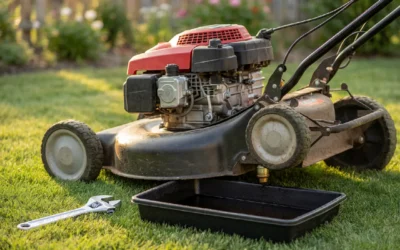
To build a race lawn mower, start by choosing a base mower or frame and planning around your racing class rules. Strip the deck and non-essential parts, then reinforce the chassis, upgrade the steering and brakes, select and tune an engine, fit appropriate tires, and install required safety equipment such as a kill switch, roll bar, and seat belt. The build order and components depend on whether you are modifying an existing mower or building from scratch and on the specific class you race in.
Plan the Build and Understand Your Racing Class
Before you turn a wrench, you need a clear plan. Racing lawn mowers are built to meet the rules of a specific class, and those rules dictate everything from engine size to safety equipment. Starting with a plan saves time, money, and the frustration of building a mower that cannot compete.
What Racing Classes Exist for Lawn Mowers
Lawn mower racing is organized into classes that typically separate machines by engine displacement, chassis type, and level of modification. Common classes include stock classes for near-factory mowers, modified classes that allow engine and chassis changes, and factory experimental or open classes with fewer restrictions. Each sanctioning body sets its own rules, so check the regulations of the organization you plan to race with. The class you choose determines how much you can modify the engine, frame, and suspension.
Should I Build from Scratch or Modify an Existing Mower
Most builders start with an existing riding mower and modify it, which is cheaper and requires less fabrication skill. A used mower provides a frame, steering, and drivetrain that you can upgrade. Building from scratch gives you full control over geometry and weight distribution but requires welding, fabrication, and a larger budget. For a first build, modifying a donor mower is the more practical path. Look for a mower with a solid frame and a transmission that suits your class.
What Tools and Budget Do I Need
Basic hand tools, a socket set, and a drill are enough for many modifications. More involved work, such as chassis reinforcement or custom fabrication, requires a welder, angle grinder, and cutting tools. Your budget depends on the class and the condition of your donor mower. Factor in the cost of the base mower, replacement parts, safety equipment, tires, and any engine work. Set a realistic budget before you start and expect some flexibility, since racing parts can add up quickly.
Prepare the Chassis and Frame
The frame is the foundation of a race mower. Stripping the mower down and reinforcing the chassis improves stability and handling while reducing weight. A solid, rigid frame is essential for predictable cornering at speed.
How Do I Strip a Mower Down to the Frame
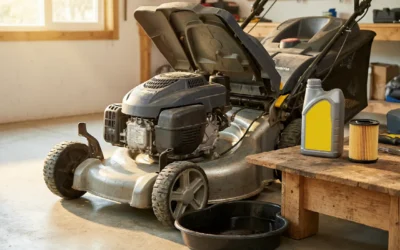
Remove the cutting deck, grass catcher, and any body panels or components not needed for racing. Disconnect the engine, wiring, and controls so you can access the frame. Keep the steering, brake, and drivetrain components that you plan to reuse. Label and store removed parts so you can identify what to keep or sell. Stripping the mower reduces weight and gives you a clear view of the frame for inspection and reinforcement.
What Frame Reinforcements Are Needed for Racing
Inspect the frame for cracks, rust, or weak spots before reinforcing it. Common reinforcements include adding gussets or braces at stress points, welding plates over thin sections, and strengthening the area around the steering column and axle mounts. The goal is to prevent flex that can cause instability at speed. The specific reinforcements depend on your frame design and class rules, so consult your racing organization’s requirements and, if needed, an experienced builder.
How Do I Lower or Adjust the Chassis for Stability
Lowering the center of gravity improves stability in corners. You can adjust ride height by modifying the suspension or axle mounts, but check class rules first, as some classes restrict chassis height and geometry. Lowering the mower too much can cause clearance problems or affect steering geometry. Make adjustments gradually and test the handling before making further changes.
Upgrade Steering and Brakes
Reliable steering and brakes are critical for safe racing. Stock components are often not up to the demands of track use, so upgrades improve control and stopping power.
What Steering Upgrades Improve Control
Replace worn tie rods, ball joints, and bushings with new or upgraded components. Some builders install a quicker steering ratio or reinforce the steering column to reduce play. Check that the steering is smooth and precise with no slop before racing. If your class allows it, consider a steering wheel and hub upgrade for better grip and control.
How Do I Upgrade the Brakes for Racing
Stock mechanical brakes may be marginal for racing. Inspect the brake pads, shoes, and linkages and replace worn parts. Consider upgrading to a hydraulic brake system if your class permits it, as it provides more consistent stopping power. Ensure the brakes can stop the mower reliably from racing speeds and test them thoroughly before competition.
What Suspension or Axle Changes Are Needed
Depending on your class, you may be able to modify the suspension or axles to improve handling. Options include stiffer springs, upgraded shocks, or a solid rear axle for better traction. Some classes restrict suspension changes, so verify what is allowed. Any changes should aim to keep the tires in contact with the track and maintain predictable handling.
Select and Tune the Engine
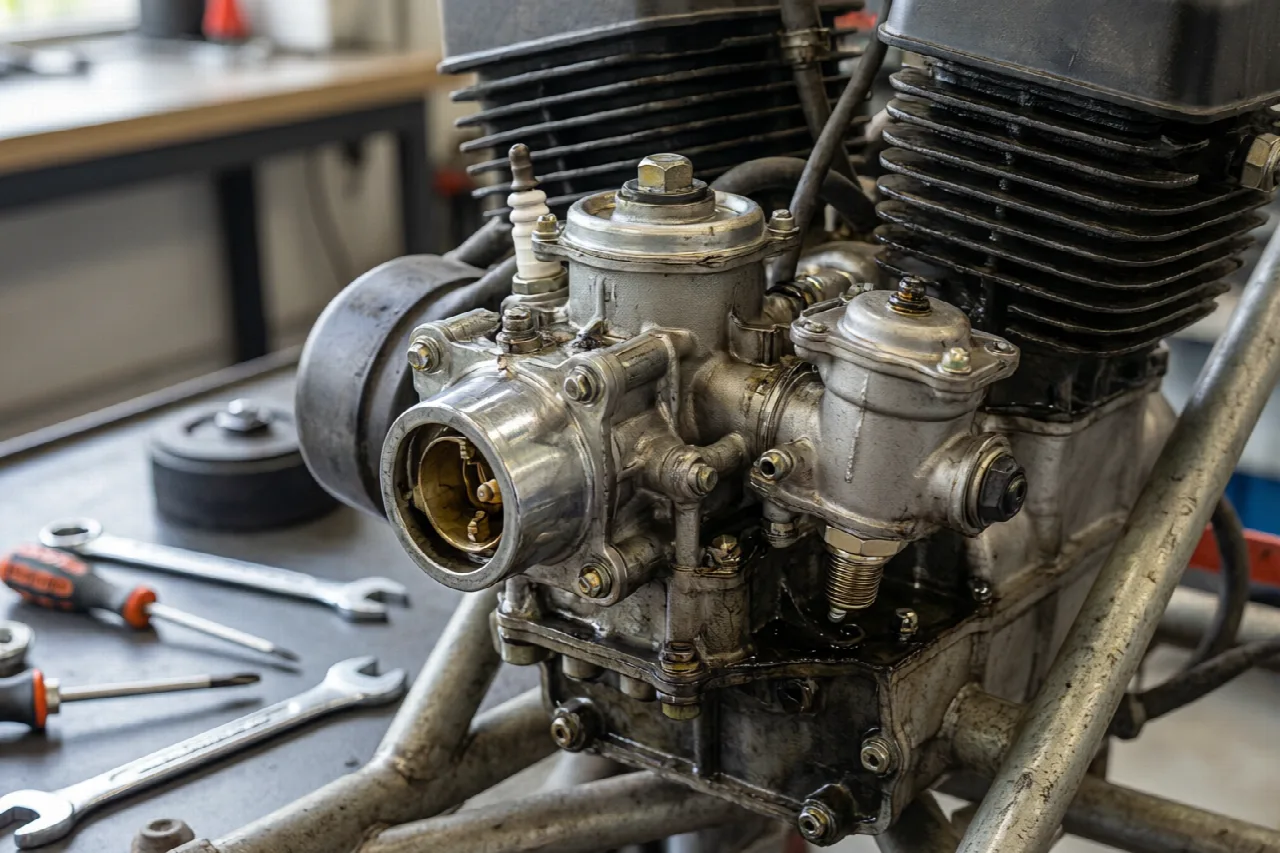
The engine is the heart of a race mower. Choosing an engine that fits your class and tuning it for performance can make a significant difference in speed and reliability.
What Engine Options Fit a Race Lawn Mower
Most race mowers use small air-cooled engines, typically in the 10 to 20 horsepower range, depending on the class. Stock classes require the original or near-stock engine, while modified classes allow aftermarket parts or larger engines. Choose an engine that matches your class rules and fits your frame. A well-maintained engine that is properly tuned often performs better than a high-horsepower engine that is unreliable.
How Do I Tune the Engine for Racing
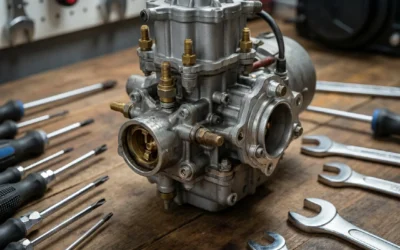
Basic tuning includes adjusting the carburetor, checking the ignition timing, and ensuring the air and fuel delivery are consistent. Replace the air filter, spark plug, and fuel lines as needed. For modified classes, you may install a performance exhaust, upgrade the carburetor, or adjust the governor. Always follow class rules regarding engine modifications. Tune the engine on a dyno or through careful track testing to find the best settings.
What Class Rules Limit Engine Modifications
Class rules often restrict engine displacement, carburetor size, exhaust modifications, and the use of certain aftermarket parts. Some classes require the engine to remain stock or close to stock. Review your organization’s rulebook carefully before making any changes. Violating engine rules can result in disqualification, so confirm every modification is legal for your class.
Install Tires and Safety Equipment
Tires provide the grip that makes racing possible, and safety equipment protects you in a crash. Both are essential for a competitive and legal race mower.
What Tires Should I Use for Racing
Racing tires are typically wider and have a tread pattern designed for track use. Choose tires that fit your wheels and are approved for your class. The right tire depends on the track surface, whether dirt or pavement, and the conditions you expect. Check tire pressure regularly and adjust it to match track conditions for the best grip.
What Safety Equipment Is Required
Required safety equipment varies by organization but commonly includes a kill switch that shuts off the engine, a roll bar or roll cage, a seat belt or harness, and a helmet. Some classes require a fire extinguisher, a fuel tank shield, or a tether that stops the mower if the driver leaves the seat. Review your class rules and install all required equipment before your first race.
How Do I Install a Kill Switch and Roll Bar
A kill switch is wired into the ignition circuit so the engine stops when the switch is activated. Mount it where you can reach it easily, and test it to confirm it cuts power. A roll bar is a welded or bolted frame that protects the driver in a rollover. It must be strong enough to support the mower’s weight and meet your class’s height and material requirements. If you are not confident welding, have a professional fabricate and install the roll bar.
Assemble, Test, and Troubleshoot
Once all components are ready, assemble the mower and verify that everything works together. Testing and troubleshooting are essential to catch problems before race day.
How Do I Assemble the Final Components
Reinstall the engine, drivetrain, steering, brakes, and body panels in a logical order. Tighten all fasteners to the correct torque and route wiring and cables so they do not interfere with moving parts. Double-check that the kill switch, brakes, and steering all function correctly. Make a checklist so you do not forget any connection or component.
How Do I Test the Mower Safely
Test the mower in a controlled area before taking it to a track. Start with slow-speed runs to check steering, braking, and stability. Listen for unusual noises and watch for vibrations or handling issues. Gradually increase speed as you confirm the mower is stable. Always wear your safety gear during testing and have someone nearby in case of an emergency.
What Common Problems Occur and How Do I Fix Them
Common issues include loose belts, slipping clutches, brake fade, and engine overheating. Check belts and chains for proper tension and replace worn parts. If the brakes fade, inspect the pads and consider an upgrade. Overheating may indicate a tuning problem or insufficient cooling, so check the air flow around the engine. Keep a log of issues and fixes so you can address recurring problems before they become serious.