Choosing a power blower vacuum comes down to balancing unrestricted cordless mobility against the continuous air volume and heavy-duty mulching capacity of a corded electric motor. If you need quick spot-clearing across hard surfaces without managing an extension cord, a battery-powered unit is ideal, though corded models provide substantially higher airflow and leaf reduction for large yard jobs.
Pros
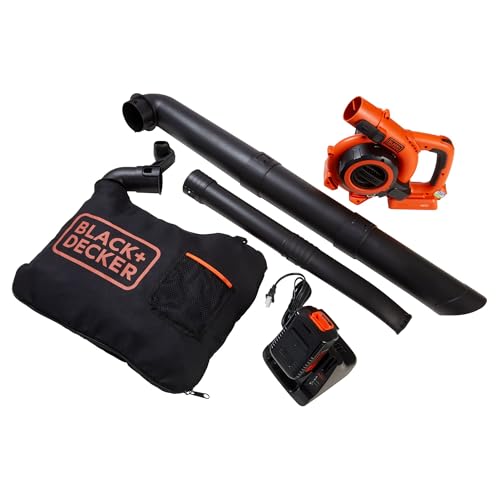
- Lightweight design at 5.4 lbs in blow mode and 6.9 lbs in vac mode
- 40V MAX battery with built-in state of charge indicator
- Mulching fan shreds up to 6 bags of leaves down to 1 bag
- Built-in scraper on the tube helps loosen stuck debris
- 6-speed Powercommand dial tailors airflow to the task
Cons
- Modest 120 mph maximum air velocity intended for hard surfaces
- Lower mulching ratio compared to larger yard units

Pros
- Instant switch between blow and vacuum modes
- High 18:1 mulch ratio maximizes bag capacity
- Rated up to 350 CFM and 210 MPH air output
- Variable-speed control for different debris types
- Includes 42L debris collection bag
Cons
- Corded design limits overall yard reach
- Weighs 9.3 pounds before debris accumulates

Pros
- Delivers up to 600 CFM of blowing output
- Tool-free switch between blow and vac modes
- 16:1 mulch ratio compacts collected leaves
- Large 50L collection bag included
- Variable-speed control for tailored airflow
Cons
- Requires an extension cord and nearby power source
- Weighs 9.1 pounds before filling collection bag
Cordless Portability vs. Corded Power Delivery
Battery power eliminates the physical reach limits of an electrical cord, whereas corded electric motors supply steady, uninterrupted output for long cleaning sessions. The BLACK+DECKER Leaf Blower Cordless Leaf Vacuum relies on a 40V MAX* lithium-ion battery system, making it an agile option for maneuvering around driveways, patios, and decks where electrical outlets are inaccessible. However, cordless tools are inherently constrained by battery run time, requiring users to monitor the integrated charge indicator during larger jobs.
By contrast, corded units like the WORX Trivac 3-in-1 Electric Leaf Blower/Leaf (WG509) and WORX Trivac 3-in-1 Electric Leaf Blower/Leaf (WG512) feature 12-amp electric motors. These tools draw continuous utility power, which prevents work interruptions caused by battery depletion. The key trade-off is the physical tether: you must manage a heavy-duty outdoor extension cord and stay within practical distance of an outlet, which can be cumbersome on properties with dense landscaping. For more on untethered yard tools, explore options for a cordless battery leaf blower.
Airflow Volume and Airspeed Differences: CFM vs. MPH
Airspeed (measured in MPH) determines how effectively a tool dislodges stuck debris, while airflow volume (measured in CFM) dictates how much material it sweeps or vacuums at once. When selecting a power blower vacuum, these two ratings serve different cleanup tasks across lawns and paved surfaces.
The WORX Trivac 3-in-1 Electric Leaf Blower/Leaf (WG512) leads in air volume, advertising 600 CFM. This high volume moves broad swathes of fallen leaves across open grass quickly and accelerates vacuum intake. Alternatively, the WORX Trivac 3-in-1 Electric Leaf Blower/Leaf (WG509) delivers an advertised 350 CFM paired with a higher 210 MPH airspeed. The increased velocity helps blast damp grass clippings and compacted leaves from hard surfaces, making it an effective choice if you need a dedicated leaf blower for driveway edging.
The BLACK+DECKER cordless option advertises up to 120 MPH airspeed. While this velocity is sufficient for sweeping dry leaves from walkways and decks, the manufacturer does not publish a CFM rating, which represents a clear evidence gap if you intend to collect thick piles of autumn foliage across open lawn areas. Buyers seeking maximum air movement may want to evaluate a dedicated high-powered leaf blower to compare specs.
Mulch Ratios and Collection Bag Capacity
Higher mulching reduction ratios condense shredded leaves into fine mulch, allowing collection bags to hold significantly more yard waste before requiring a trip to the compost bin. Collection volume directly impacts workflow efficiency during leaf-drop season.
The WORX Trivac 3-in-1 Electric Leaf Blower/Leaf (WG509) features an advertised 18:1 mulch ratio and collects debris into a 42-liter bag. This higher reduction packs dry leaves tightly, saving disposal space. The WORX Trivac 3-in-1 Electric Leaf Blower/Leaf (WG512) advertises a 16:1 mulch ratio but pairs it with an expanded 50-liter collection bag, offsetting the slightly coarser shred with greater overall storage capacity. Both WORX units are also compatible with optional accessory attachments for direct-to-can collection.
In comparison, the BLACK+DECKER cordless model features a mulching fan rated to reduce up to 6 bags of leaves down to 1. This 6:1 ratio is considerably modest compared to the corded alternatives, making it practical for light surface tidying rather than intensive shredding of large, mature oak or maple foliage.
Switching Between Blow and Vacuum Modes
Quick mode changes let you herd scattered leaves into manageable piles and immediately vacuum them without disassembling the housing or swapping components. Tool-free switching saves time and minimizes physical effort during multi-stage yard maintenance.
Both the WORX Trivac WG509 and WG512 utilize tool-free conversion via an integrated lever or switch. This mechanical design lets operators alternate between blowing debris away from fences and vacuuming it up without shutting down to swap out separate blower and vacuum tubes. Both models also incorporate variable-speed controls, allowing you to throttle down airflow when working around delicate garden beds.
The BLACK+DECKER cordless model also converts between blowing and vacuum modes, though it differs in physical handling. It weighs an advertised 5.4 pounds in blower mode and increases to 6.9 pounds once converted to vacuum configuration. It includes a built-in scraper on the tube to help pry loose stubborn or wet leaves from concrete before vacuuming them.
Frequently Asked Questions About Power Blower Vacuums
Can a power blower vacuum handle wet leaves and twigs?
These tools are engineered primarily for dry leaves and light yard debris. While units like the BLACK+DECKER include a built-in scraper to dislodge stuck-on material, vacuuming large twigs, stones, or saturated leaves can clog the intake tubes or strain internal mulching impellers.
How long does a cordless power blower vacuum run on one battery charge?
Exact battery runtime varies based on the selected speed setting and debris density. The BLACK+DECKER 40V MAX* model includes a state-of-charge indicator and speed dial to optimize runtime versus power, but the manufacturer does not publish an exact numeric runtime in minutes.
How to Choose the Right Power Blower Vacuum
Selecting the best tool depends on your property layout, debris volume, and tolerance for extension cords. Cordless tools excel at localized clearing on decks, carports, and detached walkways, whereas corded electric machines deliver the high airflow and tight mulching ratios necessary for managing widespread seasonal leaf drop.
For most homeowners with standard suburban yards and access to outdoor outlets, the WORX Trivac 3-in-1 Electric Leaf Blower/Leaf (WG512) is the recommended choice due to its high 600 CFM airflow and generous 50-liter collection bag. Its primary limitation is the corded power supply, which requires managing an extension cord. For buyers prioritizing unrestricted mobility for clearing patios and garages without cords, the BLACK+DECKER Leaf Blower Cordless Leaf Vacuum serves as a convenient alternative, provided you accept a lower 6:1 mulch ratio and battery-dependent runtime.
To compare alternatives and performance metrics, read our evaluation of backpack vs handheld leaf blower.
For practical maintenance advice and setup requirements, check our guide on greener 21v leaf blower cordless vs sun joe.