For clearing expansive lawns and detached fences, high-volume cordless units offer complete mobility, whereas budget-conscious homeowners with small patios gain uninterrupted power from corded models at the cost of being tethered to an outlet. Selecting the right electric leafblower requires balancing maximum airflow volume against total weight and battery endurance.

Pros
- Lightweight 4 lb build minimizes arm fatigue
- Delivers up to 390 CFM airflow and 210 MPH speed
- Continuous corded power eliminates recharging pauses
- Two-speed switch toggles between light and full force
- Nested two-piece tube design for full assembly
Cons
- Requires an extension cord and nearby wall outlet
- Tubes ship nested and must be pulled apart before use

Pros
- Delivers up to 615 CFM and 170 MPH in turbo mode
- Variable speed dial with lock-on button from 200–480 CFM
- High-efficiency brushless motor reduces operating vibration
- Includes 56V 2.5Ah battery and standard 50-minute charger
- Fully compatible with all EGO 56V ARC Lithium batteries
Cons
- Turbo mode rapidly reduces the available battery runtime
- Weighs 7.5 pounds, which may feel heavy with larger batteries

Pros
- Lightweight design at only 4.4 pounds
- 7-Amp motor rated up to 180 MPH and 180 CFM
- Built-in cord retention prevents unplugging
- Zero emissions with instant push-button start
- Simple, low-maintenance corded design
Cons
- Extension cord is not included
- Operating range is limited by cord reach

Pros
- Boost button provides up to 410 CFM and 110 MPH
- Brushless motor extends runtime and performance
- Includes a 5.0Ah V20 battery and charger
- Integrated hook fits VERSATRACK storage systems
- Weatherguard technology helps protect tool from dust/moisture
Cons
- Rated runtime is up to 24 minutes per charge
- Boost mode will deplete the battery more quickly

Pros
- Brushless motor delivers up to 550 CFM and 130 MPH
- Ultralight build weighs only 5.07 pounds
- Cruise control and variable-speed trigger with Turbo
- Includes 40V 4.0Ah battery and charger
Cons
- Runtime is limited to around 20 continuous minutes
- 130 MPH air speed is modest compared to high-velocity blowers

Pros
- Delivers up to 600 CFM and 110 MPH airflow
- Continuous corded power eliminates recharging and gas mixing
- Variable-speed control adjusts airflow to the task
- Lightweight design weighs just 6.4 pounds
Cons
- Operating range is tethered to an electrical outlet

Pros
- Airflow rated up to 650 CFM using advanced turbo technology
- Comes with two high-capacity 20V 5.2Ah batteries and fast charger
- Three selectable speed modes for delicate to heavy-duty jobs
- Includes an adjustable shoulder strap to reduce arm fatigue
- Includes blower tube and extension nozzle attachments
Cons
- Maximum 150-minute runtime applies only to low-speed mode
- Heavier battery packs may add weight during prolonged handheld use

Pros
- Includes two 21V 4.0Ah batteries for extended runtime
- Delivers up to 420 CFM airflow and 150 MPH air speed
- Lightweight design weighs under 3 lbs bare tool for low fatigue
- Comes with both round and flat interchangeable nozzles
- Two adjustable speed settings for varying cleanup tasks
Cons
- Limited to two preset airflow speeds
- Best suited for dry leaves and light debris rather than heavy wet waste

Pros
- Includes two 20V 2.0Ah batteries and a fast charger
- Extremely lightweight design at just 3.4 pounds
- Two selectable speed modes match light and heavier tasks
- Ergonomic non-slip grip allows comfortable one-handed use
- Comes with an extension nozzle for targeted airflow
Cons
- Runtime decreases significantly at the higher speed setting
- Best suited for light residential cleanup rather than dense debris

Pros
- Claims up to 450 CFM and 150 MPH for efficient debris clearing
- Lightweight 3.8-pound body reduces arm fatigue
- Includes two batteries and a charger for extended sessions
- Two selectable speed modes match different cleaning tasks
- Simple assembly requiring only nozzle and battery attachment
Cons
- Runtime reaches up to 30 minutes per battery only on low speed
- High-speed battery consumption significantly shortens run times
Corded vs. Cordless: Choosing Between Unlimited Runtime and Total Mobility
Corded electric blowers deliver continuous, maintenance-free power for properties where an outlet is always within reach, while battery-powered models provide unrestricted movement across larger spaces at a higher price point.
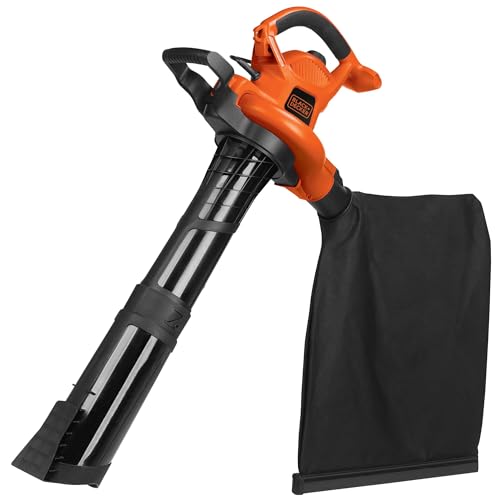
Units such as the Grasstigon Electric Leaf Blower Corded, 7-Amp and the BLACK+DECKER Electric Leaf Blower rely on standard household current through a 7-amp motor. They never suffer from battery degradation or require recharging breaks, making them practical for routine patio or deck clearing. However, cord management can be cumbersome around landscaping beds, and the BLACK+DECKER model explicitly does not include an extension cord, requiring buyers to supply their own outdoor-rated cable. In contrast, cordless options eliminate tripping hazards and perimeter limits entirely, allowing you to walk freely along fence lines and distant driveways.
Airflow (CFM) vs. Airspeed (MPH): Which Metric Dictates Clearing Power?
Cubic feet per minute (CFM) measures the overall volume of air a blower displaces to sweep large piles, while miles per hour (MPH) measures the velocity needed to scour stubborn, wet debris off hard surfaces.
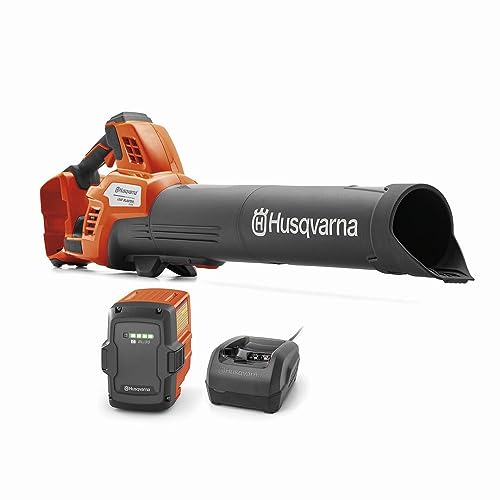
Evaluating this balance is critical when assessing a leaf blower for driveway cleaning. The WORX 12 Amp Turbine Electric Leaf Blower for Daily generates up to an advertised 600 CFM at 110 MPH, prioritizing wide air volume that easily pushes broad mounds of dry autumn leaves across open grass. Conversely, the corded Grasstigon unit produces a higher velocity of 210 MPH but a narrower 390 CFM, concentrating force into tight cracks and stubborn patches. In the cordless category, the EGO POWER+ Cordless Electric Leaf Blower, 615 CFM reaches up to 615 CFM and 170 MPH in turbo mode, while the Greenworks 40V Electric Leaf Blower, 550 CFM provides 550 CFM and 130 MPH. Buyers should remember these performance figures reflect manufacturer maximum ratings rather than continuous real-world averages.
Multi-Battery Bundles and Managing Yard Work Downtime
Cordless blowers equipped with two battery packs prevent job interruptions by allowing continuous rotation, whereas single-battery tools require careful task pacing to avoid mid-cleanup charging delays.
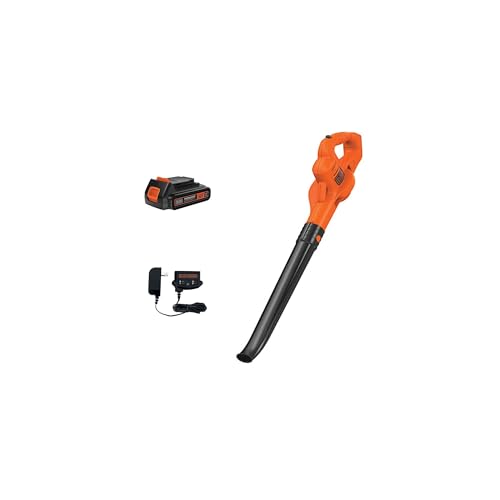
The Leaf Blower Cordless, 650CFM Electric Leaf Blowers by YOOVL includes two 20V 5.2Ah batteries, with the manufacturer advertising up to 150 minutes of combined run time across its three speed modes. Similarly, the Electric Leaf Blower Cordless with Battery from VIBOGEN bundles two 4.0Ah batteries, and the Leaf Blower Cordless, Leaf Blower with Battery from RYAHT supplies two 2.0Ah packs. However, advertised runtimes typically reflect low-speed maintenance sweeping. Single-battery options like the CRAFTSMAN Leaf Blower Cordless with Battery provide an advertised 24 minutes of runtime from its 5.0Ah pack, while Greenworks advertises approximately 20 minutes for its 4.0Ah 40V configuration. When planning broader lawn maintenance, consulting guides on what leaf blower is the best can help align battery capacity with your property layout.
Tool Weight and Handling Ergonomics for Extended Cleanup
Sub-4-pound electric blowers minimize wrist and shoulder fatigue during quick surface cleanups, but larger high-CFM motors and heavy battery packs demand better ergonomic support during long sessions.
The VIBOGEN cordless blower weighs just 2.74 pounds without its battery, while the RYAHT cordless model weighs 3.4 pounds and the Leaf Blower, Electric Leaf Blower Cordless with 2 from WOLFMEN comes in at 3.8 pounds. These ultra-compact designs allow easy one-handed operation on garage floors, steps, and porch railings. Heavier units compensate for their mass through balance or accessories; for example, the YOOVL 650 CFM blower includes an adjustable shoulder strap to distribute tool and battery weight across the torso. Corded models like the WORX 12 Amp Turbine weigh 6.4 pounds, trading ultra-light portability for a high-output turbine motor that runs without the onboard weight of heavy lithium cells.
Frequently Asked Questions About Electric Leaf Blowers
Can an electric leafblower handle wet debris and light snow?
Models with higher advertised airflow and airspeed, such as the 615 CFM EGO POWER+ or 550 CFM Greenworks 40V, are designed to move damp debris and light snow. However, heavy wet material requires high-power or turbo modes that deplete batteries significantly faster.
Do corded electric blowers include an extension cord in the box?
Generally, no. Units like the BLACK+DECKER LB700 include cord retention hooks but do not supply the cord itself. Buyers must purchase an appropriately rated outdoor extension cord compatible with the tool's amperage.
Deciding on the Best Electric Leafblower for Your Property
Selecting the ideal blower depends on your yard size, physical handling preferences, and whether you are willing to manage an extension cord or swap rechargeable batteries.
For most homeowners seeking high clearing capacity across driveways and open turf without the hassle of cords, the EGO POWER+ Cordless Electric Leaf Blower, 615 CFM offers an exceptional mix of power with up to 615 CFM and broad 56V tool compatibility. Its primary limitation is the premium price tag and the fact that running continuously on high turbo mode quickly depletes its single included 2.5Ah battery pack. If you have a smaller property close to an exterior outlet and prefer budget-friendly, unlimited run time without battery charging, the corded Grasstigon Electric Leaf Blower Corded, 7-Amp serves as a capable, highly affordable alternative.