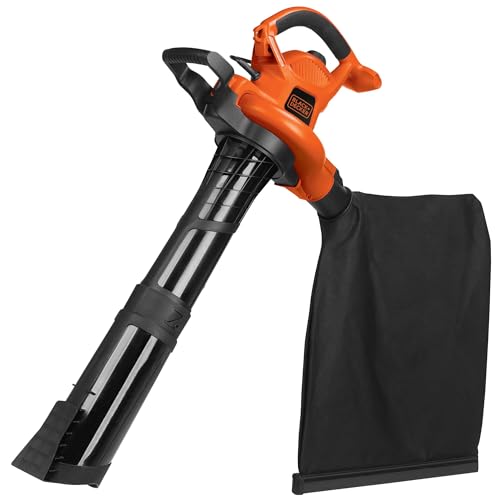
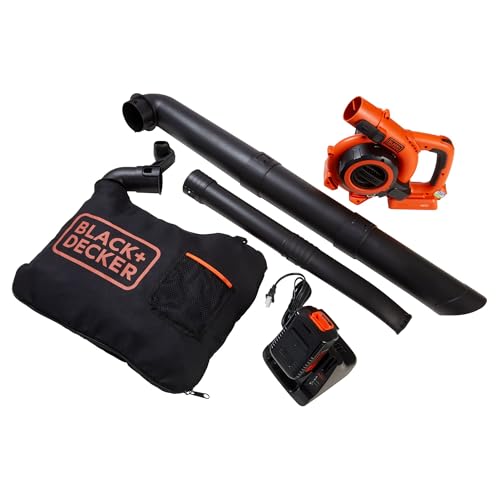
If you need uninterrupted power for clearing heavy yard debris near an electrical outlet, a corded model like the WORX 12 Amp Turbine Electric Leaf Blower for Daily provides continuous operation at the cost of managing an extension cord. Alternatively, homeowners prioritizing cordless mobility for quick patio and gutter sweeps will prefer the 990,000 RPM Cordless Leaf Blower with 2 Batteries, though total runtime remains tied to its rechargeable packs.

Pros
- Delivers up to 600 CFM and 110 MPH airflow
- Continuous corded power eliminates recharging and gas mixing
- Variable-speed control adjusts airflow to the task
- Lightweight design weighs just 6.4 pounds
Cons
- Operating range is tethered to an electrical outlet

Pros
- Includes two rechargeable batteries and a dedicated charger
- Ultra-lightweight handheld body allows easy one-handed control
- Comes with two extension interfaces and a storage carry bag
- Built-in overheat protection during battery charging
Cons
- Total runtime is limited to approximately 26+ minutes across both packs
- Manufacturer motor rating of 990,000 RPM is an exaggerated marketing claim
Corded Electric vs Cordless Battery: Which Power Source Fits Your Yard?
Corded electric blowers provide continuous blowing power without battery degradation or recharging pauses, but your cleaning radius is physically restricted by the reach of an extension cord and an exterior power outlet.
The WORX 12 Amp Turbine Electric Leaf Blower for Daily relies on a steady 12-amp corded supply. This setup completely removes battery charging schedules and the pull-start maintenance typical of small gas engines, making it a reliable pick for multi-hour yard sweeps on driveways, patios, and decks adjacent to a home. The main operational hurdle is managing a long outdoor cord around shrubs, corners, and patio furniture. In addition, you must supply your own 12-amp-rated extension cord since one is not included.
In contrast, the 990,000 RPM Cordless Leaf Blower with 2 Batteries relies on dual rechargeable lithium-ion battery packs. This untethered design allows you to walk anywhere on a property, clean distant fence lines, or sweep leaves off car hoods without snagging a cable. The trade-off is finite working time: the manufacturer advertises a combined runtime of 26+ minutes across both included batteries. For large yards with heavy seasonal drop, that 26-minute window may require pausing your chores to recharge. If you are weighing cordless mobility against yard scale, exploring a small rechargeable leaf blower can help determine if pack-based clearing matches your outdoor footprint.
Airflow Volume and Airspeed: What Do the Manufacturer Ratings Mean?
CFM measures the volume of air moved to push broad leaf piles, while MPH and motor RPM reflect air speed and concentrated force for loosening wet, stuck debris.
In any leaf blower buying guide, interpreting manufacturer specifications requires separating standardized airflow metrics from proprietary motor speed claims. WORX rates its 12-amp unit with an advertised output of up to 600 CFM and 110 MPH, generated by turbine fan technology designed to cast a wide stream of air. High CFM ratings are particularly effective when clearing broad surfaces like driveways and turf. Furthermore, the WORX unit includes variable-speed control, which allows you to dial back the volume around fragile flowerbeds or ramp it up for dense leaf mounds.
Conversely, the FAOGO cordless unit highlights a manufacturer-advertised “990,000 RPM hurricane power” turbo motor, claiming it provides three times the clearing force of standard FAOGO blowers. The manufacturer advertises this concentrated output for blasting wet leaves, stubborn dirt, and light snow. However, motor RPM alone is not an independent airflow measurement like CFM or MPH, making direct performance comparisons to standard industry volume ratings difficult. When selecting a leaf blower for driveway cleaning, verified CFM volume usually offers a more predictable baseline for shifting large quantities of dry debris across concrete.
Maneuverability and Weight: Balancing Fatigue Against Power Output
Tool weight and ergonomic distribution determine how long you can operate a leaf blower before experiencing arm, wrist, and shoulder fatigue.
Handheld yard blowers require users to counter both static weight and the continuous backward thrust generated by escaping air. The WORX 12 Amp Turbine Electric Leaf Blower weighs a verified 6.4 pounds. For a 600 CFM corded machine, 6.4 pounds is comparatively manageable, but holding it continuously through an extended cleanup will still tire your forearm. The rear cord attachment also requires one hand to guide the cable while turning.
On the cordless side, the FAOGO model prioritizes low user fatigue, advertised as being “lighter than a laptop” with an ergonomic anti-slip grip suitable for one-handed operation. Cord-free handling makes it substantially easier to lift the tool to chest height to clear elevated surfaces, vehicle windshields, or low gutter lines. However, the manufacturer does not disclose the exact tool weight in pounds or ounces, which creates an evidence gap for shoppers needing exact tool weights. If reducing physical strain is your top buying criterion, browsing the broader leaf blowers category can help you contrast different handheld weight formats.
Included Accessories and Ongoing Maintenance Considerations
A comprehensive accessory package eliminates immediate out-of-pocket add-ons, but long-term maintenance costs differ depending on battery degradation versus extension cord upkeep.
Electric equipment avoids the oil-fuel blending, spark plug fouling, and air filter maintenance required by gas alternatives. However, the out-of-the-box experience varies widely between these two options. The WORX WG520 is sold strictly as a single tool containing only the blower itself. If you do not already own an outdoor-rated extension cord capable of handling a continuous 12-amp draw, you must purchase one separately, increasing your initial investment.
Conversely, the FAOGO package includes two batteries, a compatible charger, a storage bag, and two extended interface attachments designed specifically for reaching roofs and gutters. The manufacturer notes built-in overheat protection to ensure safe battery charging cycles. While this kit is ready to use immediately without extra purchases, cordless packs will eventually lose storage capacity over several seasons of heavy cycling. For shoppers planning a seasonal gear overhaul, learning where can I buy A leaf blower provides practical sourcing avenues for replacement battery packs and certified outdoor power accessories.
Leaf Blower Buying Guide FAQ
How do I choose between a corded electric and a cordless leaf blower?
Base your decision on yard size and uninterrupted runtime needs. Corded blowers offer continuous airflow without battery degradation, but their reach is limited by an extension cord. Cordless blowers offer full mobility for patios and distant fence lines, but run time is governed by battery capacity.
What is the practical difference between CFM and MPH?
CFM (cubic feet per minute) measures the volume of air leaving the tube, indicating how much leaf pile mass the blower can shove across a lawn. MPH (miles per hour) measures velocity, which helps dislodge wet or compacted debris. A high-CFM rating is generally the primary indicator for broad yard clearing speed.
Do electric leaf blowers require regular seasonal maintenance?
Electric leaf blowers eliminate gasoline mixing, carburetor cleanings, and oil changes. Maintenance is primarily limited to clearing air intake vents of leaves and debris, checking extension cords for fraying on corded units, and storing rechargeable batteries in temperature-controlled spaces.
Choosing the Right Leaf Blower for Your Property
The deciding factor in choosing a leaf blower comes down to whether your property favors the unlimited, high-volume output of an electrical cord or the lightweight maneuverability of battery packs.
If your yard cleanup centers around expansive lawns, long driveways, and dense fall foliage within 50 to 100 feet of an electrical outlet, continuous power prevents the frustration of mid-task battery depletion. If your yard instead features multiple detached areas, tight corners, steps, and overhead gutters, the ability to operate without a dragging electrical cord significantly speeds up spot cleaning. To widen your perspective on how different designs fit various landscaping workloads, reviewing what leaf blower is the best will help you align yard layout with tool capability.
For homeowners with standard suburban properties who need reliable, all-afternoon power to sweep thick yard debris, we recommend the WORX 12 Amp Turbine Electric Leaf Blower for Daily. It delivers substantial continuous airflow without battery shutdowns, though its main limitation is the tethered reach of an extension cord. If your yard cleanup demands complete cord-free mobility for high gutters, vehicles, and remote patio corners, the 990,000 RPM Cordless Leaf Blower with 2 Batteries serves as the practical portable alternative.