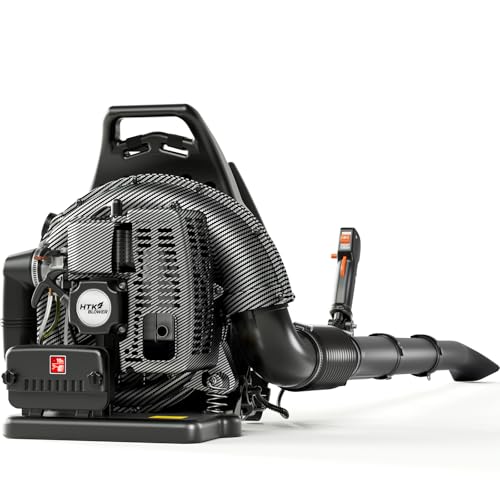
A gas leaf blower and vacuum gives property owners the unconstrained mobility and suction needed to clear wide lawns without stopping for battery swaps, though it requires ongoing two-stroke fuel maintenance and produces higher noise levels than plug-in gear.

Pros
- 2-stroke engine rated at 0.7kW output
- Delivers up to 424 CFM airflow
- Includes blowing, vacuuming, and mulching modes
- Supplied with straight and curved blow pipes
- Comes with a 30L leaf collection bag
Cons
- Requires 2-stroke gas and oil fuel mixing
- Gas engine demands regular maintenance
Pros
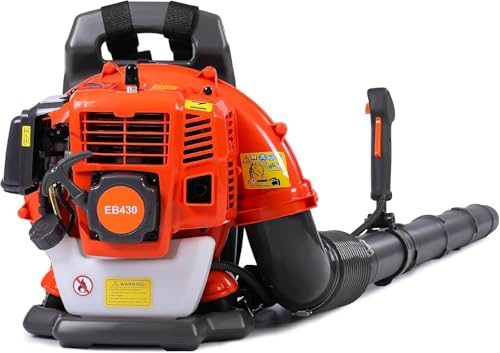
- Delivers up to 550 CFM and 230 MPH for moving wet yard debris
- Lightweight 17-pound backpack design with cushioned straps
- Thumb throttle includes cruise control for steady blowing
- 33.8 fl oz fuel tank yields up to 45 minutes of run time
- Operating temperature range spans 14°F to 104°F
Cons
- Requires 2-cycle fuel mixing and engine maintenance
- 550 CFM is modest for a backpack-class gas blower
Pros
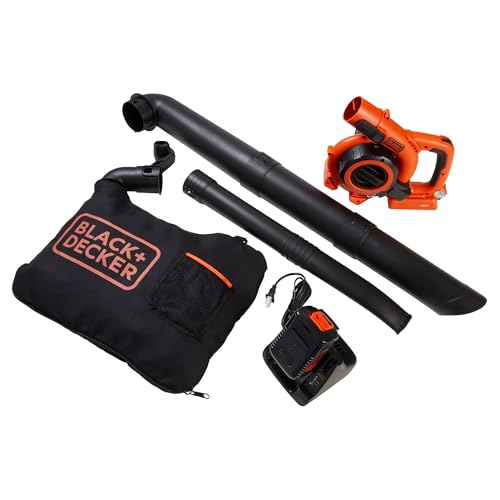
- Lightweight design at 5.4 lbs in blow mode and 6.9 lbs in vac mode
- 40V MAX battery with built-in state of charge indicator
- Mulching fan shreds up to 6 bags of leaves down to 1 bag
- Built-in scraper on the tube helps loosen stuck debris
- 6-speed Powercommand dial tailors airflow to the task
Cons
- Modest 120 mph maximum air velocity intended for hard surfaces
- Lower mulching ratio compared to larger yard units

Pros
- Lightweight design at only 4.4 pounds
- 7-Amp motor rated up to 180 MPH and 180 CFM
- Built-in cord retention prevents unplugging
- Zero emissions with instant push-button start
- Simple, low-maintenance corded design
Cons
- Extension cord is not included
- Operating range is limited by cord reach

Pros
- 3-in-1 functionality for blowing, vacuuming, and mulching
- Delivers up to 180 MPH air speed and 450 CFM airflow
- Lightweight 9.9 lb handheld design
- Includes 5-piece tube set and shoulder strap
- Primer-assisted recoil start with CDI ignition
Cons
- Requires 25:1 gas-and-oil fuel mixing
- 0.5L fuel tank requires regular refilling

Pros
- 28-cc 2-cycle engine rated at 470 CFM and 170 MPH
- Includes vac kit with mulching knives and bag
- Cruise control feature simplifies extended use
- Auto-return stop switch automatically resets to on
Cons
- Weighs 9.6 pounds before fuel and collected debris
- Requires 2-cycle gas and oil fuel mixing

Pros
- 25.4cc 2-stroke gas engine
- Delivers up to 165 mph and 391 cfm
- Includes powerhead, pipes, and collection bag
- Variable speed throttle control
- Rated for relatively quiet 70 dBA operation
Cons
- Requires manual 2-stroke fuel mixing
- Weighs 11 pounds before fuel addition

Pros
- Instant switch between blow and vacuum modes
- High 18:1 mulch ratio maximizes bag capacity
- Rated up to 350 CFM and 210 MPH air output
- Variable-speed control for different debris types
- Includes 42L debris collection bag
Cons
- Corded design limits overall yard reach
- Weighs 9.3 pounds before debris accumulates

Pros
- Cordless 2-cycle gas engine for unrestricted range
- 3-in-1 functionality blows, vacuums, and mulches
- High 18:1 mulch reduction ratio compacts yard waste
- Includes large 12-gallon debris collection bag
- Rated for up to 180 MPH and 432 CFM output
Cons
- Heavy 16-pound dry weight
- Requires mixing 2-cycle gas and oil fuel

Pros
- 51cc 2-cycle engine produces up to 765 CFM and 270 MPH
- Padded harness and hip belt provide balanced load distribution
- Air purge system removes fuel line air for easier starting
- Variable speed throttle includes cruise control functionality
- Proven X-Torq engine technology maintains high clearing force
Cons
- Heavier 22-pound build can cause fatigue on extended jobs
- Requires routine 2-cycle gas and oil fuel maintenance
Gas Power vs. Electric Leaf Vacuums
Gas-powered cleanup tools eliminate cord restrictions and battery charging downtimes, delivering steady power across expansive properties where electrical outlets are out of reach.
When clearing sprawling lawns or distant fence lines, battery tools like the 40V BLACK+DECKER Leaf Blower Cordless Leaf Vacuum eventually exhaust their charge, and corded options like the 12 Amp WORX Trivac 3-in-1 Electric Leaf Blower/Leaf demand heavy-gauge extension cords. By contrast, a handheld gas model such as the DTNESS 26cc Gas Leaf Blower Vacuum operates anywhere on a 0.5-liter fuel tank. The trade-off centers on noise, exhaust emissions, and engine maintenance, which electric models avoid entirely.
Air Volume and Airspeed for Heavy Yard Debris
Airflow volume (measured in CFM) dictates how much leaf matter a machine can pull into its collection tube, while air velocity (measured in MPH) provides the scouring force needed to dislodge wet, matted debris from turf.
Manufacturer ratings reflect notable variations across handheld gas combinations. The Husqvarna 125BVx Gas Leaf Blower advertises 470 CFM and 170 MPH from its 28cc, 1.1-HP engine, giving it substantial volume for collecting scattered dry foliage. The DTNESS 26cc Gas Leaf Blower Vacuum reports 450 CFM at 180 MPH, whereas the commercial-leaning Echo ES-250 25.4cc Shred N Vac delivers 391 CFM at 165 MPH. For budget-focused handheld clearing, the Leaf Vacuum Cordless with Bag advertises 424 CFM. High CFM speeds up suction over open lawn surfaces, though narrow nozzles with higher MPH remain better suited for dislodging debris stuck to pavement, as seen when managing a leaf blower for driveway cleanup.
Shredding Systems and Collection Bag Volume
Internal mulching blades reduce the overall volume of collected leaves, allowing you to clean larger sections of your yard before stopping to empty the collection bag.
Different models handle reduction through distinct cutting designs. The Husqvarna 125BVx uses dedicated mulching knives built into its vacuum attachment to slice foliage before it enters the bag. The NEO-TEC 3-in-1 25.4cc 2-Cycle Gas Leaf Blower Vacuum advertises an 18:1 mulch ratio alongside a 12-gallon bag, which drastically reduces trips to the compost pile. In comparison, the 2-stroke Leaf Vacuum Cordless with Bag includes a 30-liter collection sack. While mulching reduces bulk, hard items like gravel or heavy branches can crack plastic impellers, requiring users to scan turf before vacuuming.
Fuel Mixing and Two-Stroke Engine Upkeep
Running a two-stroke gas blower vacuum requires preparing a precise gasoline-and-oil blend, along with regular maintenance of the spark plug, fuel filter, and carburetor.
Unlike four-stroke engines or battery packs, these compact powerheads rely on oil mixed directly into the fuel for internal lubrication. The DTNESS 26cc model specifies a 25:1 fuel-to-oil mixture, supplying a mixing bottle in its kit to ensure accurate measurements. The Echo ES-250 runs on standard two-stroke oil blends with EPA compliance and houses a 16.9-ounce fuel tank. Neglecting fuel freshness or using improper ratios can lead to carburetor gumming or engine seizure. For shoppers deciding where can I buy A leaf blower, weighing the minor upkeep of a two-cycle engine against battery degradation is a primary consideration.
Frequently Asked Questions About Gas Leaf Blower Vacuums
Can a gas leaf vacuum handle wet leaves and twigs?
Gas vacuums can collect damp leaves if the engine provides adequate CFM, such as the 470 CFM output on the Husqvarna 125BVx. However, vacuuming thick twigs, stones, or wet matted clumps risks jamming the collection tube or damaging the internal mulching blades.
How much do gas blower vacuums weigh when operating?
Handheld gas blower vacuums generally weigh around 10 pounds empty; for instance, the DTNESS 26cc is listed at 9.9 pounds. Once the vacuum tube is mounted and the collection bag begins filling with shredded leaves, total working weight increases, making shoulder straps helpful for extended use.
How to Select Your Gas Leaf Blower Vacuum
Choosing the right gas leaf blower vacuum depends on balancing your yard size, your tolerance for tool weight, and whether you need dedicated shredding performance or simple handheld blowing.
If you need high-power leaf collection backed by dedicated mulching knives, the Husqvarna 125BVx Gas Leaf Blower is the recommended choice for homeowners with medium-to-large properties, with its main limitation being a higher price tag and routine two-cycle fuel management. For buyers seeking a lower-cost entry point that includes an all-in-one tube kit and shoulder strap, the DTNESS 26cc Gas Leaf Blower Vacuum provides a functional alternative, while corded units like the WORX Trivac 3-in-1 Electric Leaf Blower/Leaf suit small yards where avoiding gas maintenance is the top priority.