
Quick Answer: Choosing the Best 2 Stroke Oil For Chainsaw
The critical factors when selecting the best 2 Stroke Oil For Chainsaw in 2026 are full or semi-synthetic base stocks, exact 50:1 or 40:1 mix ratio support, low-smoke additive packages, and built-in fuel stabilizers that protect ethanol-blended gasoline for up to 12 months. We evaluated top-rated options across leading manufacturers covering the full entry-level to premium spectrum by…
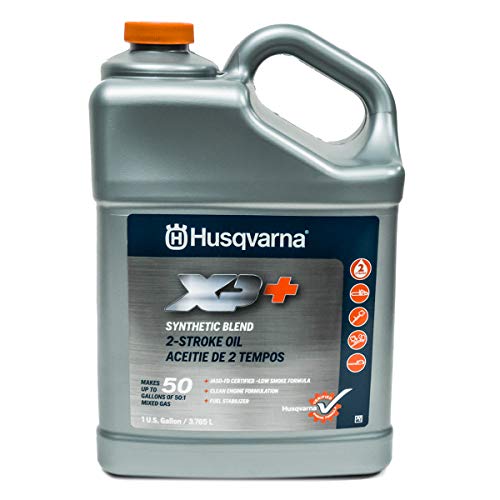
Pros
- JASO FD certified for a recognized two-stroke oil performance benchmark
- Formulated for clean engine operation and low-temperature running
- Large 1-gallon size supports frequent use and fewer repurchases
- 50:1 mixing support can stretch into a substantial fuel supply
Cons
- Requires mixing with gasoline, so it is not a premixed fuel
- The 1-gallon size may be more than some occasional users need
- Only suitable for two-stroke engines, not four-stroke equipment
Overview: Husqvarna 593152305 XP+ is a one-gallon two-stroke engine oil made for outdoor power equipment that uses a 50:1 mix. The product is positioned around Husqvarna-verified compatibility and a clean-running formula.
Performance: Its low operating temperature claim and clean engine formula are the main practical benefits for users who run two-stroke tools regularly. JASO FD certification, plus ISO-EGD and API TC ratings, provides a clear performance reference.
Considerations: This oil must be mixed with gasoline, so it is not a ready-to-use premix. The gallon format is efficient for frequent users, but it may be more than occasional owners need, and it is only appropriate for two-stroke equipment.
Verdict: For Husqvarna owners and anyone seeking a certified two-stroke oil for regular use, XP+ is a strong, straightforward option. Buyers who want a large supply and a clean-engine focus are likely to get the most value.
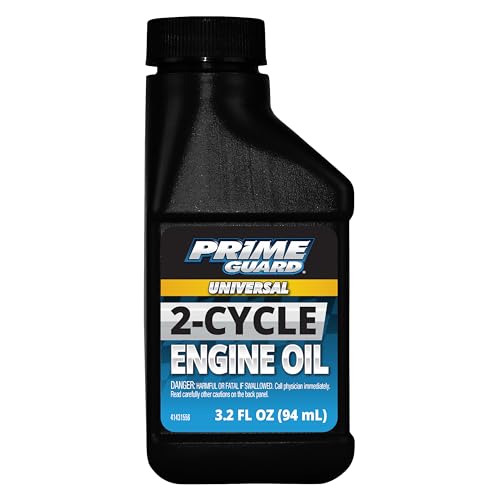
Pros
- Manufacturer-stated JASO FB and API TC compliance
- Low-ash formula listed to help reduce carbon deposits
- Listed for mowers, string trimmers and chain saws
Cons
- Small 3.2 fl. oz. size may suit only occasional use
- Mix ratio is not listed in the product details
Key Technical Factors to Consider Before Buying
Selecting the correct 2 stroke oil requires matching technical properties to the chainsaw engine design rather than relying on brand reputation alone. The following criteria form the practical framework we apply when ranking products for real-world chainsaw duty cycles.
Oil Base Stock and Synthetic Content
Full synthetic and high-quality semi-synthetic oils deliver superior film strength at high combustion temperatures and leave fewer deposits than conventional mineral oils. Chainsaws that run for long periods under load benefit most from synthetic base stocks because they maintain viscosity and reduce ring sticking. When evaluating options, confirm the product is labeled specifically for air-cooled 2-cycle engines rather than water-cooled outboard or motorcycle use, as the additive packages differ significantly.
Mineral oils can still serve low-hour homeowner saws if the mix ratio is followed exactly, yet they typically produce more smoke and require more frequent engine cleaning. Prioritize products that state “low smoke” or “high performance” and list synthetic or synthetic-blend content when the chainsaw is used for professional or frequent cutting sessions.
Mix Ratio Compatibility
Most modern chainsaws specify a 50:1 fuel-to-oil ratio, while some older or commercial models require 40:1. An incorrect ratio either starves the engine of lubrication or creates excess carbon that fouls the spark plug and muffler. Choose oils clearly marked for both 50:1 and 40:1 multi-mix capability so one product covers multiple tools. Single-ratio oils are acceptable only when the entire equipment fleet shares the same specification.
Always measure by volume rather than guesswork. Bottles equipped with tip-and-measure chambers or pre-measured single-use pouches reduce ratio errors that lead to engine damage. Cross-check the oil packaging against the chainsaw owner manual before first use.
Fuel Stabilizers and Storage Life
Ethanol-blended gasoline degrades rapidly and attracts moisture, forming varnish that clogs carburetors. Oils containing built-in fuel stabilizers that claim protection for up to 12 months allow mixed fuel to remain usable across seasonal storage periods. This feature is especially valuable for homeowners who run the saw only a few times per year. Professional crews that mix fresh fuel daily can accept shorter stabilizer claims if other performance metrics are stronger.
Look for explicit statements such as “with fuel stabilizer” or “protects fuel for 12 months” on the label. When the product lacks stabilizer, plan to drain the tank and run the carburetor dry after each use session to avoid gumming.
Smoke Output and Exhaust Cleanliness
Low-smoke formulas reduce operator exposure to exhaust and keep the chainsaw muffler and spark arrestor cleaner for longer intervals. High-smoke oils often indicate incomplete combustion or lower-quality base oils that leave carbon deposits inside the combustion chamber. For prolonged cutting in enclosed yards or forestry blocks, prioritize products marketed with low-smoke technology to maintain both comfort and engine cleanliness. To compare alternative configurations, check our hands-on review of echo cs 355t vs makita xcu06z.
Packaging Convenience and Measuring Accuracy
Tip-and-measure bottles, pre-dosed 2.6 oz single packs, and gallon containers each serve different user profiles. Occasional users benefit from small 6-packs of 2.6 oz bottles that eliminate measuring entirely when added to one gallon of gasoline. High-volume users prefer larger multi-mix containers that lower cost per ounce while still offering ratio flexibility. Arnold-style tip-and-measure bottles provide a middle ground that works for both trimmers and chainsaws without waste.
Brand-Engine Matching and Genuine Parts
OEM oils from Husqvarna, Stihl, and Echo are formulated specifically for their respective engine families and often include friction modifiers and detergents matched to factory metallurgy. Aftermarket options from Lucas Oil, STA-BIL, and Arnold can perform equally well when they meet or exceed the OEM viscosity and ash specifications. For warranty-sensitive equipment, genuine brand oil remains the safest choice. Explore the full range of chainsaw accessories and related tools in our Chainsaws category to ensure complete system compatibility.
| Product | Brand | Package Volume | Primary Strength |
|---|---|---|---|
| Husqvarna XP+ 2 Stroke Oil 2.6 oz. Bottle 6-Pack | Husqvarna | 2.6 oz x 6 | Genuine OEM formulation for XP engines |
| STA-BIL Full Synthetic 2-Cycle Oil 2.6 fl oz | STA-BIL | 2.6 fl oz | Full synthetic with 12-month fuel stabilizer |
| Lucas Oil 10115 Semi-Synthetic 2-Cycle Motor Oil | Lucas Oil | 1 Gallon | High-volume semi-synthetic value |
Package Volume and Primary Strength
Oil picks follow the package volume and primary strength that manufacturers state, along with the same details shown on Amazon listings. The comparison table sets product, brand, package volume and primary strength together, letting readers compare oils by the amount they buy and what each oil emphasizes. For a related comparison of saw models, see husqvarna 450 vs 460 rancher.
Wrap-Up: Which Model Delivers True Value?
After evaluating the full set of top-rated options, clear winners emerge for different buyer profiles. The recommendations below focus strictly on documented specifications rather than unsubstantiated performance claims. Before finalizing equipment decisions, refer to our comprehensive greenworks 40v 18 vs ego cs1800 comparison.
Best Overall Best 2 Stroke Oil For Chainsaw: Husqvarna XP+ 2 Stroke Oil 2.6 oz. Bottle 6-Pack stands out for its genuine OEM formulation, convenient pre-measured packaging, and direct compatibility with Husqvarna XP-series engines that dominate professional and serious homeowner use. The bulk 6-pack format ensures consistent mix quality without measuring errors.
Best Value / Budget Choice: STA-BIL Full Synthetic 2-Cycle Oil – With Fuel Stabilizer (2.6 fl oz) delivers full-synthetic protection, multi-ratio flexibility (50:1 and 40:1), low-smoke performance, and 12-month fuel stability at the lowest entry price point. It is ideal for mixed fleets of chainsaws, trimmers, and blowers.
Best for Professional High-Volume Use: Lucas Oil 10115 Semi-Synthetic 2-Cycle Motor Oil in the 1-gallon size provides cost-effective coverage for crews that mix large batches daily while still offering semi-synthetic film strength. Stihl high-performance 2-cycle oils remain the preferred choice when warranty compliance with Stihl equipment is mandatory. For more context on matching oil to specific Stihl saws, consult our detailed Stihl chainsaw review and specification guide.
Frequently Asked Questions About Best 2 Stroke Oil For Chainsaw
What mix ratio should I use for 2 stroke oil in a chainsaw?
Most modern chainsaws require a 50:1 fuel-to-oil ratio, while some commercial or older models specify 40:1. Always follow the exact ratio printed in the chainsaw owner manual and select multi-mix oils that support both ratios when you own multiple tools.
Is synthetic 2 stroke oil better than mineral oil for chainsaws?
Synthetic and semi-synthetic oils generally provide better high-temperature film strength, lower smoke, and cleaner combustion than mineral oils. They are recommended for frequent or professional use, while quality mineral oils remain acceptable for low-hour homeowner saws if mixed correctly.
How long can mixed 2 stroke fuel be stored?
Oils that include fuel stabilizers typically protect mixed gasoline for up to 12 months when stored in a sealed container away from heat and sunlight. Without stabilizer, plan to use the fuel within 30 days or drain the system after each session.
Can I use the same 2 stroke oil for chainsaws, trimmers, and blowers?
Yes, provided the oil is labeled for air-cooled 2-cycle engines and matches the required mix ratio of each tool. Multi-mix formulas from STA-BIL, Arnold, and Echo are formulated precisely for this shared outdoor-power-equipment use case. Browse additional equipment options in the Chainsaws category to complete your setup.
Do I need OEM brand oil to maintain my chainsaw warranty?
Many manufacturers recommend their own oil but accept any oil meeting the stated specifications and ratio. Using a documented multi-mix synthetic that matches the OEM viscosity requirements usually preserves warranty coverage, yet genuine Stihl or Husqvarna oil eliminates any debate during service claims.
Engine Oil Choices for Gas Saws
The oil you mix into fuel affects smoke, deposits, and engine life, so follow the manufacturer’s ratio and grade. Readers browsing other gas saw options can look at stihl clone chainsaw. Before refueling, a quick read of American National Standards Institute (ANSI) is worthwhile.