Menu

We independently review everything we recommend. When you buy through our links, we may earn a commission. As an Amazon Associate we earn from qualifying purchases. Learn more ›

Blog

The Consumer Smart blog is where you will find in-depth smart product reviews, buying guides, and ownership advice. Each article examines durability, long-term value, and software support so you can make a confident purchase decision whether you are buying for the first time or replacing a device that has reached the end of its life.

69+ Reviews
Updated daily
What Type of Oil Does a Lawn Mower Use? (4-Stroke vs. 2-Stroke Guide)

What Type of Oil Does a Lawn Mower Use? (4-Stroke vs. 2-Stroke Guide)

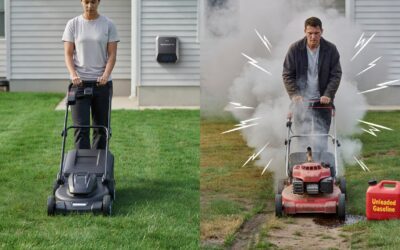
Most modern four-stroke lawn mower engines use standard SAE 30 motor oil, with 10W-30 or 5W-30 being common alternatives depending on climate. Two-stroke mowers require a dedicated 2-stroke oil mixed with gasoline. The definitive answer is always in your owner's manual.

Administrator Aug 12, 2026
What Is a Self-Propelled Lawn Mower? (Definition, Features & Types)

What Is a Self-Propelled Lawn Mower? (Definition, Features & Types)

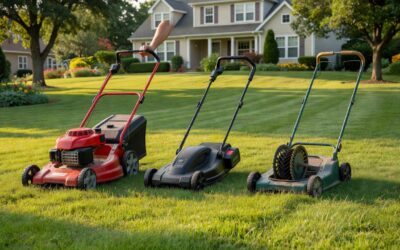
A self-propelled lawn mower uses an internal motor to move itself forward, reducing the physical effort required by the user to push it across the lawn. This guide explains how they work, the different drive systems available, and who benefits most from this lawn care equipment.

Sarah A. Jenkins Aug 12, 2026
How to Clean a Lawn Mower Carburetor: A Step-by-Step Guide

How to Clean a Lawn Mower Carburetor: A Step-by-Step Guide

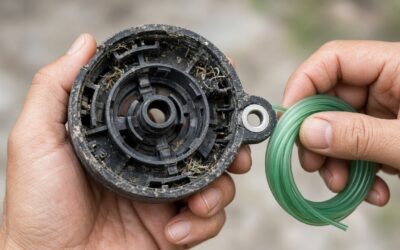
Cleaning a lawn mower carburetor involves disconnecting the spark plug, removing the carburetor, disassembling it, cleaning all components with carburetor cleaner or a specialized solution, inspecting for wear, and reassembling. This process removes built-up varnish, gum, and debris that cause poor engine performance, stalling, or difficulty starting.

Michael R. Vance Aug 12, 2026
Can You Mow a Wet Lawn? (Safety, Risks, and Best Practices)

Can You Mow a Wet Lawn? (Safety, Risks, and Best Practices)

Mowing a wet lawn is generally not recommended due to risks of uneven cuts, clumping, lawn damage, and safety hazards. Learn why experts advise waiting for dry conditions and what to do if you must mow wet grass.

David E. Miller Aug 12, 2026
How to Change a Lawn Mower Blade: A Safe Step-by-Step Guide

How to Change a Lawn Mower Blade: A Safe Step-by-Step Guide

Learn the essential safety steps and procedures to safely remove and install a lawn mower blade. This guide covers necessary tools, proper blade orientation, and torque specifications for common walk-behind gas mowers.

Michael R. Vance Aug 12, 2026
How Often Should You Mow Your Lawn? (Frequency Guide by Grass Type & Season)

How Often Should You Mow Your Lawn? (Frequency Guide by Grass Type & Season)

Lawn mowing frequency depends on grass type, season, and growth rate, but generally ranges from weekly to bi-weekly during active growing seasons (spring and summer) and may slow to every 2–3 weeks in cooler months. The key is to follow the 1/3 rule: never remove more than one-third of the grass blade height at a single mowing.

Administrator Aug 12, 2026
What Is a Cultivator Tiller? (Definition, Uses & How It Works)

What Is a Cultivator Tiller? (Definition, Uses & How It Works)

A cultivator tiller is a gardening or agricultural tool used to break up, aerate, and mix soil, preparing it for planting by incorporating amendments and controlling weeds. This guide explains how it works, how it differs from a dedicated cultivator or tiller, and what to consider before buying one.

David E. Miller Aug 12, 2026
How to Sharpen a Chainsaw Chain: A Step-by-Step Guide for Beginners

How to Sharpen a Chainsaw Chain: A Step-by-Step Guide for Beginners

Learn how to sharpen a chainsaw chain manually using a round file and guide. This comprehensive guide covers the essential tools, correct filing angles, depth gauge adjustment, and critical safety precautions for maintaining a sharp, efficient, and safe chainsaw.

Daniel K. Foster Aug 12, 2026