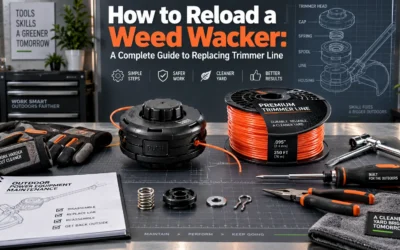
Direct Answer: How to Respool a Weedeater
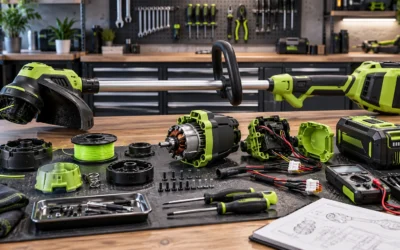
To respool a weedeater, first disconnect the spark plug (or remove the battery on cordless models) so the trimmer cannot accidentally start. Remove the trimmer head, open the housing, and take out the empty spool. You can either drop in a pre-wound replacement spool or manually wind 15 to 25 feet of the correct-diameter trimmer line onto the spool, following the directional arrows molded into the plastic. Feed the two free ends through the eyelets on the head, snap everything back together, and test the bump feed by tapping the head on the ground to advance the line.

Pros
- Powerful 28-cc 2-cycle engine effectively handles large areas and denser vegetation
- Rapid Replace head makes string reloading quick and convenient
- Attachment-ready shaft expands functionality with optional click-on tools
- LowVib Technology and ergonomic handle lessen vibration and fatigue
- Spring-assisted system with Air Purge ensures easier and more reliable starts
Cons
- Click-on attachments and extra tools are sold separately, adding to the total cost for multi-tool setups
- 2-cycle gas engine requires proper fuel-oil mixing and regular maintenance
- Gas-powered operation may produce more noise and emissions than battery or electric alternatives
The Husqvarna 330LK is a gas-powered string trimmer featuring a 28-cc 2-cycle engine and a 20-inch straight shaft. It presents a durable professional-grade build with an ergonomic design that prioritizes comfortable handling for extended outdoor use on large properties.
Performance shines in real-world yard work and gardening thanks to the customizable cutting width that switches between 20 inches for broad coverage and 18 inches for thicker growth. The Rapid Replace head simplifies string changes, the spring-assisted start with Air Purge delivers effortless ignition, and LowVib Technology keeps vibration low. Its detachable shaft also makes the tool attachment capable for greater versatility.
Drawbacks to consider include the fact that additional click-on tools are sold separately, which raises the investment for full multi-purpose capability. As a 2-cycle gas model, it also requires correct fuel mixing and routine maintenance, and it will be noisier than electric options.
The Husqvarna 330LK delivers the most value to homeowners and property maintainers who need reliable power for large areas and appreciate easy starting plus expandability. It stands out as a solid choice for those seeking a capable gas weed eater for regular landscaping tasks.

Pros
- Powerful 25.4cc X-TORQUE engine delivers strong performance with reduced engine wear
- Effortless Smart Start technology and auto-reset stop switch enhance usability
- Tap-n-Go head makes string reloading simple and fast
- Fuel-efficient design supports longer sessions with less frequent refueling
- Straight shaft and 17-inch path excel at precision trimming in confined spaces
Cons
- 2-cycle gas engine requires proper fuel-oil mixing which adds preparation steps
- Gas-powered design involves emissions and regular maintenance unlike cordless electric options
- Limited specifications provided on weight or included accessories may require extra research for some buyers
The Husqvarna 525L is a gas-powered string trimmer built for everyday residential yard work. It features a straight shaft design and 17-inch cutting width that give it a solid, professional impression right out of the box. This model targets homeowners who need reliable access to grass in tight or irregular areas.
In real-world use the 25.4cc X-TORQUE engine provides strong low-RPM power while the efficient air filter helps reduce wear. Smart Start technology and the Tap-n-Go head make starting and line reloading straightforward. Intuitive choke and purge controls plus the auto-reset stop switch keep operation simple and keep the tool ready between sessions.
As a 2-cycle gas unit the 525L requires fuel-oil mixing and routine maintenance that electric models avoid. Buyers seeking quiet cordless convenience or detailed weight and accessory data will need to consider these trade-offs carefully.
Overall the Husqvarna 525L suits homeowners and gift buyers looking for a durable gas weed eater that handles everyday trimming tasks efficiently. Those who value easy starting and reliable power in a straight-shaft package will get the most value from this landscaping tool.
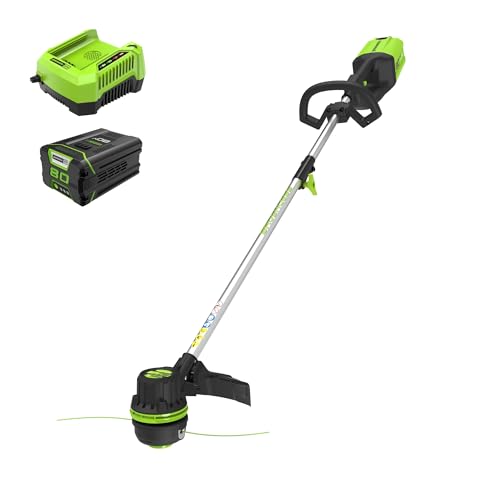
Pros
- Strong 80V brushless motor for consistent high-torque cutting power
- Includes 2.0Ah battery and rapid 30-minute charger for ready-to-use convenience
- Variable speed control and bump feed for adaptable real-world trimming
- Lightweight build that reduces fatigue on larger properties
- 4-year warranty providing long-term ownership confidence
Cons
- Battery runtime details not provided so extended sessions on big yards may need recharging
- Only a single 2.0Ah battery is included which can limit continuous operation without extras
- .080" dual line is efficient but may require more frequent advancement on dense weeds
The Greenworks 80V 16" Brushless Cordless String Trimmer is a well-built cordless tool aimed at homeowners needing reliable yard maintenance. Its lightweight ergonomic design and included battery plus rapid charger create an immediate impression of convenience and ease of handling right out of the box.
Performance shines through the high-efficiency brushless motor that delivers strong torque for tough grass and weeds across a full 16-inch path with .080" dual line. The bump feed system and variable speed trigger allow smooth real-world control around landscaping features while the 2.0Ah battery charges in 30 minutes for quick turnarounds and completely emission-free operation.
Considerations include the absence of specified battery runtime which may require planning recharges for very large areas plus the fact that only one battery ships in the package. The .080" line works well for most tasks yet denser vegetation can demand more frequent advancement.
This trimmer delivers the most value to owners of medium-to-large lawns who want powerful gas-free cutting with minimal upkeep. Its combination of brushless efficiency, variable control, and 4-year warranty makes it a smart long-term choice for efficient everyday landscaping.

Pros
- High-power 52cc 2-stroke engine handles dense brush and tall weeds
- Wide 18-inch cutting swath with tap-to-advance 0.095-inch line head
- Includes both 3T and 40T steel blades for heavy clearing tasks
- Straight-shaft design improves reach under shrubs, decks, and fences
- Included shoulder strap helps distribute machine weight
Cons
- Heavy 31.6-pound overall weight can lead to rapid operator fatigue
- Requires mixing gas and 2-cycle engine oil at a 50:1 ratio
Below is a complete, universal tutorial that works for the most common bump-feed trimmer heads, plus troubleshooting advice for the issues that come up most often after a respool.
What Does It Mean to Respool a Weedeater?
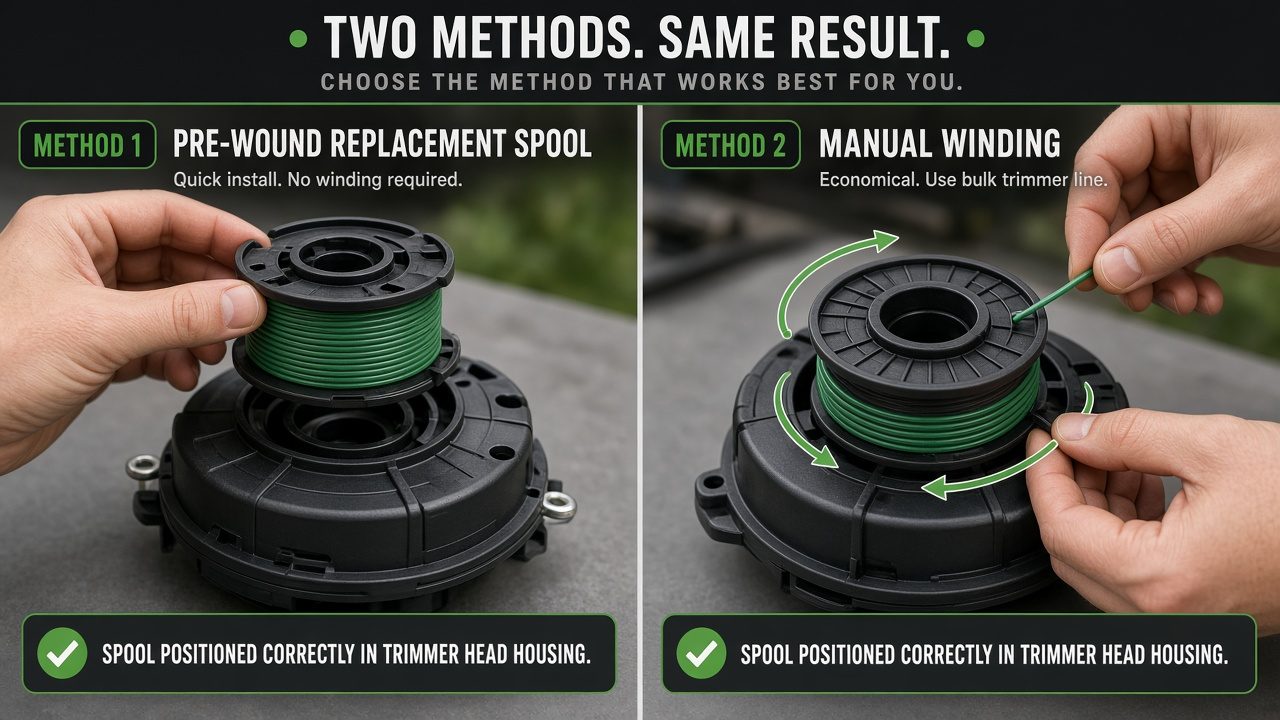
Respooling a weedeater simply means putting fresh trimmer line into the cutting head. There are two ways to do it, and understanding the difference will tell you which procedure applies to your machine.
Method 1: Replacing a Pre-Wound Spool
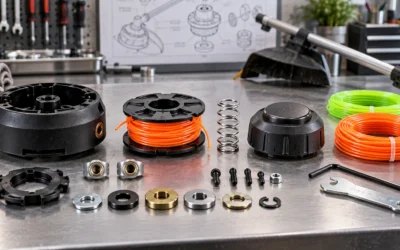
Many manufacturers sell replacement spools that come pre-loaded with trimmer line. With this method, you do not have to measure, cut, or wind anything. You simply remove the old spool, drop the new pre-wound spool into the head, thread the loose ends through the eyelets, and reassemble. This is the fastest and easiest option, and it is ideal if you struggle with tangles or want a guaranteed correct wind.
Method 2: Manually Winding New Line onto an Empty Spool
If you buy trimmer line in bulk, you will need to wind it onto the existing spool yourself. This is what most people mean when they say “respool a weedeater.” The process requires cutting the correct length of line, finding the anchor hole in the center of the spool, and winding both halves tightly and evenly in the direction shown by the arrows on the spool. Manual winding is cheaper per use and lets you choose the exact line diameter, but it takes a few minutes of careful work.
Common Trimmer Head Types
Before you start, identify which style of head your weedeater uses:
- Bump feed (tap-to-advance): The most common type. You tap the head on the ground while the trimmer is running, and the centrifugal force releases a small amount of line. The spool sits inside a housing with a spring-loaded button underneath.
- Fixed-line or manual-feed heads: The line is cut to a preset length and locked into place. You stop the trimmer and manually pull out more line when it wears down. Respooling is similar, but there is no spring-loaded bump mechanism.
- Automatic-feed heads: These advance line automatically when the engine speed drops. They are less common and usually require a specific pre-wound spool from the manufacturer.
How to identify your head type: Look for a button on the bottom of the head. If pushing it with your thumb compresses a spring, you have a bump-feed head. If the head has visible screw holes and no button, it is likely a fixed-line head. When in doubt, check the owner’s manual or look up the model number printed on the housing.
Key Factors to Consider Before Respooling
Getting the details right before you wind the line will save you from tangles, jams, and wasted line. These four factors matter most.
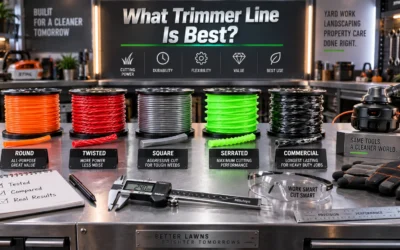
1. Trimmer Line Diameter
Trimmer line comes in several standard diameters, and using the wrong one is the most common cause of feeding problems. If the line is too thick, it will bind inside the head and refuse to advance. If it is too thin, it will feed out too fast, break easily, and cut poorly. To compare alternative configurations, check our hands-on review of marshall stanmore iii vs harman kardon onyx studio 8.
| Diameter (inches) | Typical Use | Common Applications |
|---|---|---|
| 0.065″ | Light-duty electric trimmers | Small yards, light grass, edging |
| 0.080″ | Standard gas and electric trimmers | Average residential lawns |
| 0.095″ | Mid-size gas trimmers | Thick grass, weeds, larger yards |
| 0.105″-0.130″ | Heavy-duty commercial trimmers | Brush, overgrown vegetation, professional use |
Check the trimmer head itself for a stamped line diameter, or consult your owner’s manual. Many heads also have a maximum line diameter printed near the eyelets. Never exceed that number.
2. Winding Direction
Every spool has arrows molded into the plastic that show the correct winding direction. This is not a suggestion, it is critical. If you wind the line opposite to the arrows, the bump feed will not release line correctly, and the head can jam or even unwind the entire spool on the first tap. Always orient the spool so the arrows point in the direction you are winding, and feed the line ends through the eyelets in the same rotational direction. Users looking for related component recommendations can explore our dyson v8 cyclone vs bissell featherweight stick breakdown.
3. Line Length
For most residential spools, 15 to 25 feet of line is the right amount. Some small electric trimmer spools only hold 10 to 15 feet, while large commercial spools can hold 30 feet or more. Check your manual for the exact capacity. Overfilling the spool is one of the most common mistakes: if the line is packed so tightly that the spool barely turns inside the housing, the bump feed will jam.
4. Tension and Evenness
The line must be wound snugly and evenly, with each wrap lying flat next to the previous one. Loose, sloppy winding causes the line to tangle inside the head. Winding too tightly can stretch or distort the line, making it brittle. Keep steady tension with one hand while turning the spool with the other, and avoid crossing the line over itself. Before finalizing equipment decisions, refer to our comprehensive bissell crosswave hydrosteam vs shark stainforce comparison.
Step-by-Step Guide: How to Respool a Weedeater
This universal procedure works for the vast majority of bump-feed trimmer heads. If your head has a different locking mechanism, the same principles apply, just adapt the disassembly steps to your model.
Step 1: Safety First
Disconnect the power source before touching the trimmer head. On gas models, pull the spark plug boot off the spark plug. On corded electric models, unplug the trimmer. On battery models, remove the battery pack. This prevents the trimmer from starting accidentally while your hands are inside the head. Wear work gloves and eye protection; old trimmer line often has sharp, frayed ends.
Step 2: Remove the Trimmer Head
Lay the weedeater on its side so the head is accessible. Most heads are held in place by one of three mechanisms:
- Two holes and a pin: Insert a nail, Allen wrench, or the pin tool that came with the trimmer into the two holes on the side of the head to lock the shaft, then turn the head counterclockwise to unscrew it.
- Tab locks: Press the two tabs on the sides of the head together and pull the head straight off the shaft.
- Center bolt: Remove the center bolt with a wrench or socket, then pull the head off.
Once the head is off, inspect the shaft and the head for debris. Grass, dirt, and old line fragments can build up here and cause the head to wobble or jam.
Step 3: Open the Housing and Remove the Empty Spool
Most bump-feed heads consist of a cap, a spool, and a base. Press the cap tabs (or unscrew the cap) to separate the pieces. The empty spool will either lift out freely or be held by a spring and a small button on the bottom. If there is a spring, press the spool down and turn it slightly to release it from the button, then lift it out. Remove any leftover line from the spool and from the eyelets. Clean the inside of the housing with a rag or compressed air so dirt does not interfere with the new line.
Step 4: Measure and Cut the Line
Cut two equal lengths of trimmer line, each roughly 8 to 12 feet long for a standard residential spool. If you prefer, cut a single 15 to 25 foot piece and use its midpoint as the anchor point. Use sharp scissors or a utility knife; a clean, square cut feeds through the eyelets much more easily than a ragged one. If your spool has a capacity marking, follow that instead.
Step 5: Wind the Line onto the Spool
Find the anchor hole or slot in the center divider of the spool. Insert the midpoint of the line (or the midpoint of your single length) into this hole and pull it through until equal lengths stick out on both sides. Now look at the arrows on the spool, they indicate the winding direction for each side.
- Hold one half of the line in your hand and begin winding it onto its side of the spool, following the direction of the arrow.
- Keep tension on the line with your fingers so each wrap lies flat and snug against the previous one.
- Wind in neat, even rows, working from the center divider outward. Do not let the line cross over itself.
- When you have about 4 to 6 inches of line left on that side, stop and hold it in place with your thumb or a small piece of tape.
- Repeat the process on the other side, winding in the opposite direction (again following the arrow on that side of the spool).
Leave the two short tails sticking out from the spool. These are what you will thread through the eyelets. Winding both sides evenly is essential, if one side is much fuller than the other, the head will vibrate and feed unevenly.
Step 6: Thread the Line Through the Eyelets
Hold the spool so the two tails align with the two eyelets (holes) on the trimmer head housing. Feed each tail through its eyelet from the inside to the outside, pulling until the line is snug. On many heads, the eyelets are angled, and the line must exit in the direction the head rotates. If the line exits backward, it will snap off on the first spin. Check the arrows on the housing if you are unsure.
Step 7: Reassemble and Test
Place the spool back into the base, making sure the spring and button align correctly. Press the spool down until it clicks or locks into place. Reattach the cap, then reinstall the head onto the trimmer shaft. Reconnect the spark plug, battery, or power cord. Start the trimmer and let it reach full speed, then tap the head on the ground once or twice. You should hear the line advance and see roughly 1 to 2 inches of fresh line extend beyond the cutting head. If nothing happens, stop the trimmer and check that the spool is wound in the correct direction and that the tails are not trapped under the spool.
Troubleshooting and Maintenance Tips
Even a perfect respool can develop problems over time. Here are the most common issues and how to fix them.
Why Does My Trimmer Line Keep Jamming or Tangling?
Tangling is almost always caused by one of three mistakes: winding against the arrows, winding too much line onto the spool, or winding loosely so the line overlaps itself. Remove the spool and check. If the line is crossed or bunched, unwind it and start over. Also check that the line diameter is not too large for the head; an oversized line binds inside the housing and prevents the spool from turning freely.
Why Does the Line Feed Out Too Fast or Not at All?
If the line feeds out too fast, the spool is probably overfilled, the line is too thin for the head, or the line was wound too loosely. If the line does not feed at all, check four things: the winding direction (it must match the arrows), the spring and button mechanism (make sure the spool is seated properly), the eyelets (they may be clogged with melted line or debris), and the line length (if the tails are too short, they may not reach the cutting edge).
Why Does My Line Break Prematurely?
Line that snaps quickly is usually too thin for the job, or it has become brittle from age, heat, or UV exposure. Store trimmer line in a cool, dark place and replace it if it feels stiff or cracked. Also check the cutting head for a worn or chipped edge that can fray the line as it spins.
Best Practices for Storage and Maintenance
- Keep spare trimmer line out of direct sunlight; UV light degrades nylon line and makes it brittle.
- Clean the trimmer head after every few uses to remove grass buildup that can jam the bump feed.
- Inspect the eyelets and the center button for wear; replace the head if the plastic is cracked.
- Use the correct line diameter for your model, and never mix different diameters on the same spool.
- If you store the trimmer for the winter, remove the line from the head so it does not take a permanent set and become misshapen.
Frequently Asked Questions About How To Respool A Weedeater
How much trimmer line do I need to respool a weedeater?
Most standard residential spools hold 15 to 25 feet of line total (two lengths of 8 to 12 feet wound on opposite sides of the spool). Small electric trimmer spools may hold as little as 10 to 15 feet, while large commercial spools can hold 30 feet or more. Check the capacity marking on the spool or your owner’s manual for the exact figure. It is better to wind slightly less than the maximum than to overfill and cause jams.
Do I need to remove the spool to add new line?
Yes, for the vast majority of trimmers. The spool must be removed from the head to access the center anchor hole and to wind the line evenly. The only exception is a few quick-load heads that allow you to thread a pre-cut length of line through external slots without opening the head, but even those usually require removing the head from the shaft first. If your head has a quick-load feature, follow the instructions printed on the head itself.
Why does all my line come out at once when I tap the bump feed?
This usually means the line was wound too loosely, the spool was overfilled, or the line was wound in the wrong direction. Loose winding lets the line slip and uncoil in a tangle. Overfilling makes the spool bind and then suddenly release, dumping line in a burst. Rewind the spool with firm, even tension, follow the directional arrows, and leave a small gap between the full spool and the housing wall.
Can I use any brand of trimmer line in my weedeater?
Yes, trimmer line is largely universal as long as the diameter matches what your head accepts. You do not need to use the same brand as your trimmer. What matters is the diameter (for example, 0.080″ or 0.095″), the shape (round, twisted, or star-shaped line all fit the same heads), and the intended use. Heavier-duty line lasts longer but requires a trimmer with enough power to spin it effectively.
Wrap-Up: Which Model Delivers True Value?
Respooling a weedeater is a simple 10-minute job once you understand the basics: use the correct line diameter, wind in the direction of the arrows, keep the tension even, and do not overfill the spool. If you ever find the process frustrating, remember that a pre-wound replacement spool is a perfectly good option, it removes all guesswork and gets you back to trimming in under a minute. Whether you choose to wind manually or swap in a pre-wound spool, the key is to test the feed after reassembly and fix any tangles immediately before they turn into a bigger headache.
Related Maintenance and Operating Guides
To keep your equipment running at peak operating efficiency, explore our related technical walkthroughs and maintenance tutorials:
- Consult our detailed breakdown on cordless stick vacuum buyer guide.
- Consult our detailed breakdown on robotic pool cleaner comparison guide.
Respooling Safety Background
Spool springs can release quickly, so keep the trimmer resting on a stable surface and small parts in a tray. A general source for safety thinking around outdoor power tools is American National Standards Institute (ANSI).