Should You Mow Wet Grass? The Short Answer
No. Mowing wet grass damages your mower, harms your lawn, and creates safety hazards. Wet grass clogs mower blades, produces an uneven, ragged cut, compacts soil and suffocates roots, promotes fungal diseases like brown patch and dollar spot, and increases your risk of slipping. Wait until grass is dry to the touch—typically 24–48 hours after rain or until morning dew has evaporated—before mowing.
Why You Shouldn’t Mow Wet Grass
Mowing wet grass causes three categories of harm: immediate equipment damage, long-term lawn health problems, and personal safety risks. Understanding each helps explain why patience matters.
Equipment Damage and Performance Issues
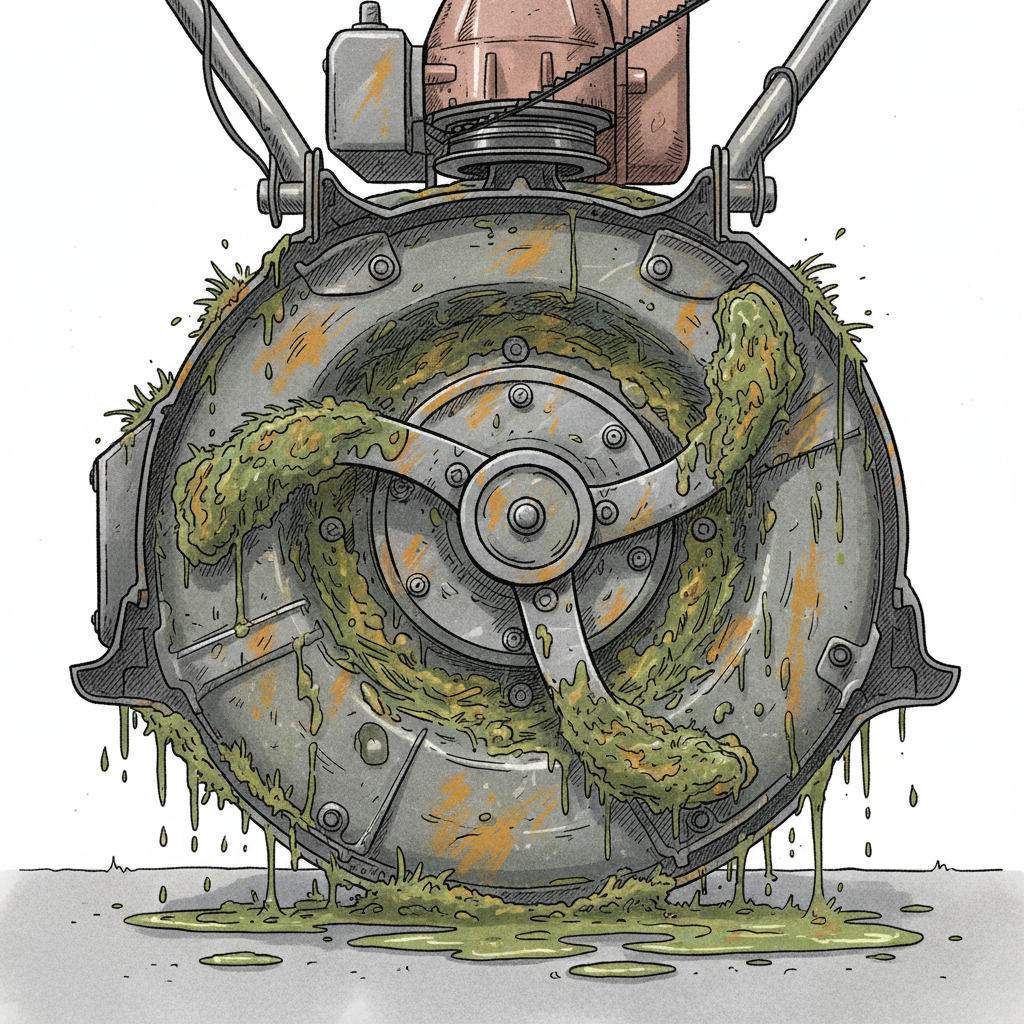
Wet grass adheres to mower blades and clogs the deck, preventing grass from being cut cleanly and ejected properly. This buildup reduces cutting efficiency, forces your mower to work harder, strains the engine, and can cause rust and corrosion on metal components. Wet conditions also increase the risk of blade dulling and can damage belts and pulleys over time. Cleaning the mower thoroughly after wet-grass mowing is labor-intensive and doesn’t fully reverse the wear.
Lawn Health and Appearance Consequences
Wet grass doesn’t cut cleanly. Instead, mower blades tear and shred the grass blades rather than slicing them, leaving ragged edges that appear brown or white within 24–48 hours. These damaged edges are entry points for fungal pathogens and disease. Additionally, mowing when soil is saturated causes compaction—the soil becomes compressed, restricting water infiltration and root growth. Compacted soil also reduces beneficial microbial activity. Together, these effects weaken turf density and recovery.
Safety Hazards for the Operator
Wet grass and soil increase slip and fall risk, especially on slopes or when walking behind a push mower. Wet conditions also affect traction on steep terrain, raising the risk of losing control. For riding mowers, slippery surfaces increase the chance of sliding on turns.
How Wet Grass Damages Your Mower
The mechanics of mower damage are worth understanding because they illustrate why wet-grass mowing has lasting consequences.
Blade Clogging and Deck Buildup
Wet grass is heavier and stickier than dry grass. It clumps together and adheres to mower blades and the underside of the mower deck. This buildup restricts blade rotation, forces the engine to work harder, and prevents proper discharge of clippings. Over multiple mowings, this buildup hardens and becomes difficult to remove, potentially damaging the blade assembly or discharge chute.
Rust, Corrosion, and Mechanical Wear
Moisture accelerates rust formation on uncoated steel components. Prolonged exposure to wet conditions after mowing—especially if the mower is stored without drying—can cause significant corrosion. Bearings and moving parts are also vulnerable to moisture infiltration, which increases friction and wear. Electric mowers face additional risks: water intrusion can damage batteries, motors, and electrical connections.
Reduced Mower Lifespan
Regular mowing in wet conditions compounds these effects. Rust develops incrementally, blade sharpness degrades faster, and belts and pulleys wear more quickly. The cumulative effect is a reduced lifespan for your equipment and higher repair costs.
Impact on Lawn Health and Appearance
Beyond the mower itself, wet-grass mowing damages the turf and soil structure in ways that persist for weeks or months.
Uneven and Ragged Cuts
Wet grass doesn’t stand upright uniformly and is torn rather than cut by mower blades. The result is an uneven, ragged appearance—some areas appear shorter, others taller or shredded. The torn blade edges turn brown or white within 24–48 hours as the plant tissue desiccates and disease organisms colonize the wound. This makes the entire lawn look unhealthy and stressed.
Fungal Disease Proliferation
The torn blade edges and high moisture environment create ideal conditions for fungal lawn diseases. Common wet-weather diseases include:
- Brown Patch (Rhizoctonia solani): Causes circular patches of dead turf, especially in warm, humid conditions.
- Dollar Spot (Sclerotinia homoeocarpa): Creates small, bleached patches and thrives in wet, cool conditions.
- Pythium Blight: Causes rapid turf death in severely saturated soils and is difficult to control once established.
Once a fungal disease takes hold, treatment is expensive and recovery is slow. Prevention—by avoiding mowing when wet—is far more cost-effective.
Soil Compaction and Root Damage
Mowing over saturated soil compacts it significantly. Wet soil is more malleable and compresses more easily under the weight of a mower than dry soil. Compaction reduces pore space, restricts water infiltration and drainage, suffocates roots, and kills beneficial soil organisms. Compacted soil takes weeks or months to recover naturally and may require aeration. In severe cases, compaction can persist for an entire season.
When Is It Safe to Mow After Rain or Watering?
The safe window depends on moisture level, weather, and soil type.
Drying Timeline: Rain vs. Dew
After heavy rain: Wait 24–48 hours. Heavy rain saturates soil deeply; even if the grass blades dry, the soil remains wet and prone to compaction. Warmer, drier, and windier conditions speed drying; cool, humid conditions slow it.
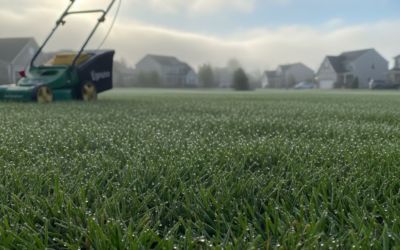
After light rain or morning dew: Wait 4–8 hours or until grass is visibly dry and no moisture beads on the blades. Morning dew typically evaporates by mid-morning on sunny days.
After lawn irrigation: Wait 24 hours if you’ve watered deeply (1–1.5 inches), as the soil remains saturated. Shallow, frequent watering dries faster—wait 8–12 hours.
How to Know When Grass Is Dry Enough
Use the hand test: walk through the lawn and touch grass blades. If moisture beads on your fingers or the grass feels damp, wait longer. If blades feel dry and spring back when bent, mowing is safe. Look for grass to appear upright and not matted down. On a sunny day, this typically occurs mid-morning to early afternoon.
Weather Considerations
Overcast, cool, humid days dry grass more slowly than sunny, warm, windy days. Schedule mowing for late morning or early afternoon on clear days, after dew has evaporated and before evening moisture returns. Avoid mowing in early morning or late evening.
What to Do If You Must Mow Damp Grass
Sometimes circumstances—a busy schedule, an approaching storm, or a rapid growth spurt—make waiting difficult. If you must mow damp grass, take precautions to minimize damage.
Mitigation Strategies
- Raise the cutting height: Mow at the highest setting recommended for your grass type. Taller grass leaves more leaf blade for the plant to recover from damage.
- Mow in a different pattern: Avoid mowing in the same direction repeatedly, which compounds soil compaction in wheel tracks.
- Use a sharp blade: A sharp blade cuts more cleanly even in damp conditions than a dull blade. Dull blades tear grass severely in any condition.
- Slow down: Mow more slowly to allow the mower to cut efficiently and reduce the strain on the engine and blades.
- Empty the catcher frequently: Damp grass clumps in the catcher; empty it more often to prevent backup and blade clogging.
- Reduce mowing frequency if possible: If growth is rapid, consider skipping a week rather than mowing twice in damp conditions.
Post-Mowing Mower Maintenance
After mowing damp grass, clean your mower immediately to prevent rust and buildup:
- Stop the engine and allow it to cool.
- Remove dried grass clumps from the deck underside using a stick or plastic scraper. Never use a pressure washer on the deck, as water can damage electrical components.
- Wipe down metal components with a dry cloth.
- Run the mower on high speed for 30 seconds with the discharge chute open to clear internal passages.
- For electric mowers, dry the battery terminals and connections.
- Store the mower in a dry location.
- Check the blade for sharpness after mowing damp grass and sharpen if necessary.
Frequently Asked Questions
Q: Is it ever okay to mow slightly damp grass?
Slightly damp grass—with only surface moisture like dew—can be mowed if you’re careful. Use a sharp blade, raise the cutting height, and clean the mower immediately afterward. However, grass with moisture deep in the thatch or soil that is still wet should not be mowed. When in doubt, wait.
Q: How long does grass take to dry after rain?
Light rain or dew typically dries in 4–8 hours on a sunny day. Heavy rain may require 24–48 hours. Soil drying takes longer than blade drying. Cool, humid, or overcast conditions slow drying significantly—sometimes by 50% or more.
Q: Can mowing wet grass cause my lawn to get sick?
Yes. The torn blade edges and high moisture environment caused by mowing wet grass create conditions ideal for fungal diseases like brown patch, dollar spot, and pythium blight. Once established, these diseases can kill large sections of turf and are expensive to treat.
Q: What’s the best time of day to mow?
Mow in late morning to mid-afternoon on clear days, after dew has evaporated but before evening moisture returns. Avoid early morning (dew still present) and late evening (moisture accumulates). This timing ensures grass is dry and maximizes blade sharpness and cutting quality.
Q: Do I need to drain my mower if it got wet?
Gasoline mowers have fuel tanks but don’t require draining from normal wet-grass mowing. However, if water entered the fuel tank (rare but possible with submersion), drain and refill with fresh fuel. Always ensure the air filter is dry. Electric mower batteries should be inspected for water intrusion and dried thoroughly if wet.
The Bottom Line
Mowing wet grass is a false economy. The 24–48 hours you wait to let grass dry saves you equipment damage, prevents lawn disease, avoids soil compaction, and delivers a better-looking, healthier lawn. Wet-grass mowing degrades turf appearance within days, creates fungal disease conditions, and accelerates wear on your mower—costs that far exceed the value of a single mowing session. Plan your mowing schedule around weather, mow during dry windows, and your lawn and equipment will reward you with years of reliable, attractive results.