Quick Answer: Choosing the Best Fuel Injected Chainsaw
When selecting the best fuel injected chainsaw in 2026, focus first on engine displacement paired with bar length for the intended wood diameter, then prioritize air-cleaning or efficient fuel systems that reduce maintenance intervals, plus vibration dampening and chain-brake response for operator safety. These criteria, applied across the top-rated models we analyzed, separate high-utility tools from those that underperform…

Pros
- Powerful 3.6-HP X-Torq engine delivers high cutting performance
- Ergonomic LowVib design reduces vibrations for easier handling
- Smart Start and combined choke/stop control simplify reliable startups
- Air filtration system supports longer engine durability
- Built-in inertia chain brake enhances user safety
Cons
- 2-cycle gas engine requires fuel-oil mixing and ongoing maintenance
- Limited to recommended bar lengths of 13 to 24 inches only
- Gas-powered design produces typical noise and emissions of combustion tools
The Husqvarna 460 Rancher is a robust gas powered chainsaw with a 24 inch bar built for wood cutting, tree trimming and land clearing. It combines exceptional ergonomic features for easier handling and mobility with the superior power of a gas chainsaw, creating a solid immediate impression as a durable outdoor tool.
Performance comes from the 60.3-cc 3.6-HP X-Torq engine that maximizes power even at low RPMs. Standout features include Smart Start for effortless quick startups, Air Injection Technology that expels larger dust and debris particles before they reach the air filter, an automatic adjustable oil pump, LowVib technology, a 7 degree offset front handle with improved grip, and an inertia-activated chain brake to reduce kickback risks. Combined choke/stop control further eases starting and lowers flooding risk.
Drawbacks and considerations include the need for regular 2-cycle fuel mixing and maintenance typical of gas engines. It is recommended strictly for bar lengths between 13 inches minimum and 24 inches maximum, which may limit versatility on bigger jobs. Users should also account for the noise and emissions common to this power type.
The Husqvarna 460 Rancher delivers the most value to experienced users handling demanding land clearing or heavy wood cutting tasks who prioritize raw power, safety features and ergonomic handling in a reliable gas chainsaw.

Pros
- Strong 3.5-HP X-Torq engine delivers reliable power for demanding outdoor cuts
- Smart Start and ergonomic grip make the saw easy to start and maneuver
- Air Injection system helps prolong engine life by keeping the filter cleaner
- Safety-focused inertia chain brake and LowVib design reduce user fatigue and risk
- Automatic oiler supports consistent operation without frequent manual lubrication
Cons
- As a 2-cycle gas engine it requires fuel mixing and more regular maintenance than electric alternatives
- Limited to recommended bar lengths of 13 to 24 inches which may not suit all heavy-duty needs
- Gas-powered design produces typical noise and emissions associated with 2-cycle chainsaws
The Husqvarna 455 Rancher is a gas-powered handheld chainsaw built around a 55-cc 3.5-HP 2-cycle X-Torq engine paired with a 20-inch bar. Its design emphasizes ergonomic handling with a 7 degree offset front handle and improved grip for better mobility during wood cutting, tree trimming and land clearing. The overall build focuses on combining power with user-friendly features for both residential and more demanding outdoor work.
In performance the patented X-Torq engine technology maximizes power output even at low RPMs while Smart Start allows quick and easy ignition with minimal effort. The centrifugal Air Injection system expels larger dust and debris particles before they reach the filter to support longer engine life. An automatic oiler keeps the chain lubricated during use and LowVib technology with dampeners reduces vibrations for smoother handling across recommended 13 to 24-inch bars. The inertia-activated chain brake further enhances safety by limiting kickback risks.
Potential drawbacks stem from the 2-cycle gas engine which requires proper fuel mixing and ongoing maintenance that electric models avoid. The saw is optimized only for bar lengths between 13 and 24 inches so users needing longer bars will find it restrictive. As with most gas chainsaws it also generates more noise and emissions than battery-powered options.
Overall the Husqvarna 455 Rancher delivers strong value for homeowners, property owners and professionals who need a capable gas chainsaw for medium to heavy outdoor cutting tasks. It is especially well suited as a reliable tool for land clearing and tree work or as a practical gift for men who tackle yard and property maintenance.

Pros
- Powerful yet efficient 50-cc X-Torq engine optimized for demanding outdoor cutting tasks
- Effortless Smart Start and slim-body design improve usability for varied skill levels
- Built-in safety via inertia chain brake and vibration-reducing LowVib technology
- Enhanced cooling and air cleaning systems promote longer engine durability
- Versatile 18-inch bar recommendation range supports multiple wood cutting and trimming jobs
Cons
- Two-cycle gas engine requires correct fuel-oil mixing and more frequent maintenance than electric options
- Typical gas-powered noise and emissions make it less suitable for noise-sensitive or indoor-adjacent areas
- Benefits most from regular use and proper storage to avoid common fuel system gumming issues
The Husqvarna 445S gas chainsaw is a robust 18-inch model engineered for wood cutting and tree trimming. Its slim-body construction combined with a reinforced patented crankcase delivers solid build quality and improved cooling right out of the box, creating a practical tool that feels balanced for outdoor handling.
In performance terms the 50-cc 3-HP X-Torq engine produces strong power even at low RPMs while claiming 20% faster cutting overall. Smart Start simplifies ignition, the automatic oiler and X-CUT chain maintain sharpness, LowVib technology reduces hand vibration, and Air Injection technology keeps larger debris away from the filter for cleaner longer-running operation during real yard or property work.
Drawbacks center on the nature of a two-cycle gas design. Operators must mix fuel correctly and perform routine maintenance, and the unit produces the noise and exhaust typical of gasoline tools. Infrequent users also need careful storage habits to prevent fuel-related clogging that can affect reliability.
Overall the Husqvarna 445S provides strong value for homeowners, property caretakers, and outdoor enthusiasts who want portable cord-free cutting power for seasonal wood processing or tree care. It works especially well as a capable gift for men who regularly tackle outdoor projects and prefer proven gas performance over battery limits.
Pros
- Powerful 105cc 2-cycle gas engine rated at 4.8KW/6.5HP.
- Includes a long 36-inch alloy solid guide bar and chain.
- Compatible with several MS070/MS090-style parts platforms.
- Magnesium alloy body construction supports rugged professional use.
- Designed for milling, forestry, ranch, farm, firewood, and land-clearing applications.
Cons
- Not CARB certified, so it cannot be sold or shipped to California addresses.
- At 29.7 lbs, it is a heavy saw and may be tiring for casual or occasional users.
- Ships in two separate packages, so delivery and assembly planning may require extra attention.
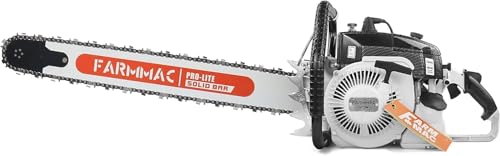
Overview & Design: The FARMMAC F070W is a professional 105cc gas chainsaw built for high-demand cutting applications such as chainsaw milling, large tree felling, firewood processing, forestry, ranch work, and land clearing. Its full magnesium alloy body, including the cylinder cover, air filter cover, and starter assembly, gives it a rugged build profile suited to heavy use.
Performance & Key Features: The 4.8KW/6.5HP 2-cycle air-cooled engine is the core strength of this saw, providing the displacement and output needed for deep cutting and wide timber. The included 36-inch alloy solid bar uses a 0.404-inch pitch, 0.063-inch gauge chain with 104 drive links, making it appropriate for large-diameter wood and milling-style cuts where reach and cutting capacity are important.
Drawbacks & Considerations: This is not a lightweight homeowner saw. At 29.7 lbs, the FARMMAC F070W is best suited to experienced users who can handle a large-displacement chainsaw safely. Buyers should also note that it is not CARB certified and cannot be shipped to California addresses. The order ships in two separate packages, which may affect setup timing.
Verdict: The FARMMAC F070W is a strong fit for professionals, sawyers, ranch owners, and experienced users who need a large 105cc gas chainsaw with a 36-inch bar for milling and heavy timber work. Its MS070/MS090-compatible parts ecosystem adds practical maintenance value, while its size and power make it better suited to serious cutting tasks than casual yard work.
Pros
- Cordless design adds portability and convenience compared with gas-powered chainsaws.
- 16-inch Oregon bar and chain is a well-known, serviceable setup for routine cutting tasks.
- Automatic oiler supports consistent chain lubrication.
- Works with the broader Milwaukee M18 battery ecosystem.
Cons
- Battery and charger are not included, so first-time buyers must purchase them separately.
- Performance depends on the battery you use, with higher-capacity packs needed for stronger results.
- As a tool-only cordless chainsaw, it may not match the continuous runtime of gas models for extended heavy-duty work.
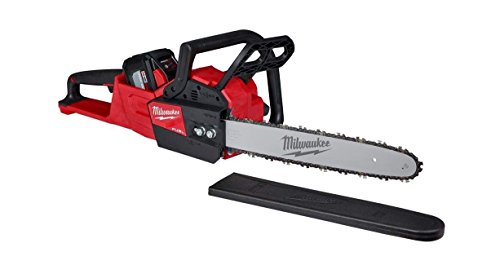
Overview & Design: The Milwaukee 2727-20 M18 FUEL is a cordless 16-inch chainsaw sold as a tool only unit. It uses a 16" Oregon bar and chain and is designed for users already invested in Milwaukee's M18 battery platform.
Performance & Key Features: This model includes a variable speed trigger for better control and an automatic oiler to help maintain chain lubrication during use. Milwaukee notes that all M18 batteries are compatible, and higher-capacity batteries can improve performance.
Drawbacks & Considerations: The main limitation is that the battery and charger are not included, which adds cost for new users. Since runtime and output depend on the battery selected, buyers should expect better results with higher-capacity packs.
Verdict: This chainsaw makes the most sense for current Milwaukee M18 owners who want a cordless cutting tool with familiar controls and an established bar and chain setup. It is a practical choice for yard work and general property maintenance, but it is less appealing for shoppers who need a ready-to-use kit right out of the box.

Pros
- Effortless start-up system reduces flooding risk and simplifies ignition.
- Efficient X-Torq engine delivers reliable cutting power for wood tasks.
- LowVib dampeners lessen vibrations for more comfortable handling.
- Air cleaning system helps prolong overall engine durability.
- Integrated chain brake adds important safety protection against kickback.
Cons
- As a 2-cycle gas model it requires fuel mixing and ongoing engine maintenance.
- Gasoline operation generates noise and emissions unsuitable for quiet or enclosed spaces.
- Lacks the instant readiness of electric models since fuel prep is always needed.
The Husqvarna 120 Mark III is a portable gas-powered chainsaw aimed at homeowners for wood cutting and tree pruning. It pairs a 38-cc 2-cycle X-Torq engine with a 16-inch bar and automatic oiler, creating a practical tool that feels approachable for everyday property work.
Performance stands out through the air purge system and combined choke/stop control that make starting simpler and less prone to flooding. Air Injection Technology removes larger debris before it hits the filter for better engine longevity, while LowVib technology cuts vibrations to ease operator fatigue. The inertia-activated chain brake further supports safer use during demanding cuts.
Drawbacks center on the realities of 2-cycle gas power. Users must mix fuel correctly and perform regular maintenance, and the saw produces typical noise and emissions that limit its suitability for quiet neighborhoods or frequent light jobs where electric options might feel more convenient.
The verdict is clear for occasional users and homeowners who need a dependable gas chainsaw for pruning and firewood prep. The Husqvarna 120 Mark III offers solid power, thoughtful ease-of-use features, and safety elements that deliver good value for light to medium outdoor tasks.

Pros
- High-output 71.8cc engine provides strong performance for demanding cutting jobs.
- Large 28-inch bar is well suited to bigger wood-cutting tasks and storm cleanup.
- Anti-vibration system improves comfort and control during extended operation.
- Multiple safety features are included, such as a chain brake and dual-switch protection.
Cons
- As a gas-powered 2-stroke chainsaw, it requires fuel mixing and routine engine maintenance.
- The 28-inch bar may be more tool than needed for light household trimming.
- No detailed specifications are provided for weight, noise level, or included accessories.
Overview & Design: The IOENC 71CC 2-Cycle 28-Inch Gas Chainsaw is built for heavy-duty outdoor cutting tasks. Its gas-powered, air-cooled single-cylinder engine and long guide bar suggest a tool aimed at tougher work rather than occasional light trimming.
Performance & Key Features: With a 71.8cc engine, 2 kW output, and up to 10,000 rpm, this chainsaw is designed to move through wood quickly. The 28-inch manganese steel bar, anti-vibration handle, pull-start system, and automatic adjustable oil pump are practical features for users who need power and consistency.
Drawbacks & Considerations: This is a large gas chainsaw, so it will likely be better suited to experienced users or those with frequent cutting needs. Because it uses a 2-stroke gas engine, it will require fuel mixing and regular maintenance, and the large bar may be unnecessary for simple yard work.
Verdict: The IOENC 71CC chainsaw is a strong fit for property owners, land-clearing work, firewood preparation, and post-storm cleanup. Buyers looking for a powerful gasoline saw with safety-focused controls should find good value here, while casual users may prefer a smaller, lighter option.
- Best for demanding cutting jobs
- Comfort-focused design with vibration reduction
- Safety features help support more controlled operation
Pros
- Strong 62cc engine output is suitable for demanding cutting tasks.
- Large 20 in bar handles bigger logs and branches more efficiently.
- Safety features include an emergency stop lever and wood-chip protection guard.
- Dual fuel and chain oil tanks support extended operation without frequent refills.
Cons
- As a gas-powered 2-stroke chainsaw, it requires fuel mixing and regular maintenance.
- The 20 in size may be more than some casual users need for light yard work.
- Startup can still require correct choke and pull-rope technique, especially for first-time users.
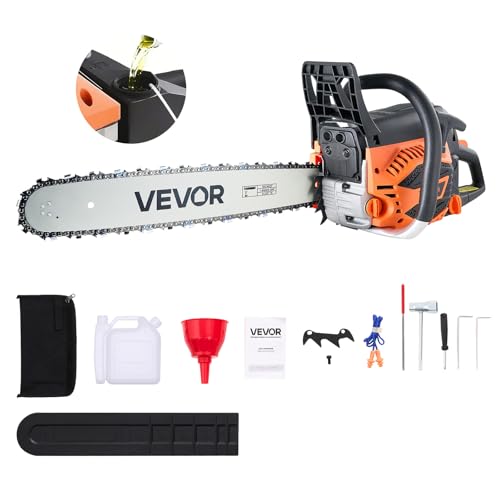
Overview & Design: The VEVOR 20inch 62CC Gas Powered Chainsaw is a gas chainsaw built around a 3.8 HP 2-stroke engine and a 20 in guide bar. Its PA6+30%GP composite body is intended to improve impact resistance and heat durability, which is useful for demanding outdoor work.
Performance & Key Features: With up to 12,000 rpm and a bar rated to cut diameters up to 18 in, this model is positioned for wood cutting, tree trimming, and land clearing. The cold and hot start options, extended pull rope, chain adjuster, and dual fuel tanks are practical touches that support longer work sessions and easier day-to-day operation.
Drawbacks & Considerations: This is still a gas-powered 2-stroke tool, so it needs proper fuel mixing and routine upkeep. The size and power level may also be more than occasional users need for simple yard cleanup, and the startup process can require some technique if you are new to chainsaws.
Verdict: Overall, this VEVOR chainsaw makes the most sense for users who want more cutting capacity than a basic homeowner saw provides. It is a stronger fit for property maintenance, storm cleanup, and heavier wood-cutting jobs where power, runtime, and safety features matter.

Pros
- High-power gas engine is suited to demanding cutting tasks
- Automatic chain lubrication helps support smoother operation and lower wear
- Safety-focused dual-throttle start design and brake baffle are practical features
- 20-inch bar is useful for larger wood cutting jobs
Cons
- As a 2-stroke gas chainsaw, it requires fuel mixing and more routine maintenance than electric models
- Gas-powered operation typically means more noise and exhaust than battery or corded saws
- The listing does not provide key specs such as weight, chain pitch, or guide bar details
Overview & Design: The GARWINNER G-6220 GREEN is a 62cc gas chainsaw with a 20-inch bar, built for outdoor cutting jobs such as wood cutting, tree felling, and general farm or garden use. Its dual-throttle start design and brake baffle add a safety-focused touch to a tool made for heavier-duty work.
Performance & Key Features: The 2-stroke engine is positioned for strong cutting performance and lower fuel consumption compared with the original engine claim in the listing. Automatic oil injection helps keep the chain and guide plate lubricated during use, while the professional saw chain is described as sharp, wear-resistant, and designed to improve cutting efficiency.
Drawbacks & Considerations: As a gas-powered 2-stroke saw, it will require fuel handling and regular maintenance, which may not suit buyers who prefer low-maintenance electric tools. The listing also does not provide important details such as weight, chain size specifications, or full accessory contents, so comparison shopping is less precise.
Verdict: This model is best for buyers who want a portable gas chainsaw with more cutting power than many small household saws. It appears most suitable for users who need a practical tool for wood cutting and outdoor property tasks and are comfortable with the upkeep that comes with a gasoline engine.
Comprehensive Fuel Injected Chainsaw Buyer’s Guide (2026)
Engine Displacement and Power Output
Engine size directly determines cutting speed and the maximum wood diameter a fuel injected chainsaw can handle without bogging down. Models in the 38-cc to 50-cc range suit pruning and firewood up to 12-16 inches, while 55-cc to 71-cc units maintain chain speed through denser hardwoods and larger diameters. Look for X-Torq or similar two-cycle designs that optimize fuel burn at lower RPMs, delivering usable torque without constant full-throttle operation. Higher horsepower figures (3-HP and above) translate to faster bar recovery after binding, but only when matched to an appropriately weighted chassis. Always cross-check recommended bar lengths against the engine’s continuous power band to avoid overheating or premature wear.
Bar Length and Cutting Capacity
Bar length sets the practical limit of each cut and influences overall balance. A 16-inch bar works efficiently for limb removal and smaller firewood, while 20-inch to 28-inch bars reduce the number of passes needed on larger trunks yet increase the risk of kickback if the operator lacks experience. Match the bar to the engine’s power so the chain does not slow excessively under load. Automatic oilers with adjustable flow help maintain lubrication on longer bars during extended sessions. Consider the weight distribution of the full unit, as an overly long bar on a lightweight body can fatigue the arms faster than a properly proportioned combination. Before finalizing equipment decisions, refer to our comprehensive stihl ms 162 vs husqvarna 120 mark ii comparison. For complementary hardware performance, examine our breakdown on our comprehensive chainsaw sharpener guide.
Fuel System Efficiency and Air Filtration
Consistent fuel delivery reduces hard starts and flooding common in older carbureted designs. Air-injection or centrifugal cleaning systems expel larger debris before it reaches the filter, extending service intervals in dusty or chipping-heavy environments. Combined choke and stop controls simplify restart procedures and lower the chance of engine flooding after brief pauses. For mixed-use properties, prioritize systems that maintain stable idle and smooth acceleration across temperature swings. Regular filter inspection remains essential regardless of technology, as restricted airflow quickly degrades power output and increases fuel consumption.
Safety Features and Chain Control
Inertia-activated chain brakes stop the chain rapidly during kickback events, a critical requirement for any fuel injected chainsaw used near the ground or overhead. Look for models with clear visual chain-brake indicators and easy reset mechanisms. Front-hand guards and throttle interlocks further reduce accidental engagement. Proper chain tensioning systems (tool-free preferred on some units) keep the chain from derailing under side loads. Always verify that the recommended bar range includes the safety geometry tested by the manufacturer. Combining these features with personal protective equipment yields the highest reduction in injury risk during routine cutting.
Ergonomics, Vibration Reduction, and Handling
LowVib-style dampeners isolate the engine from the handles, measurably lowering hand-arm vibration exposure during multi-hour sessions. Offset front handles improve grip angles for vertical cuts and reduce wrist strain. Slim-body designs and balanced weight distribution allow better control when working on slopes or from ladders. Non-slip grip textures remain effective even with gloves. Operators planning frequent use should prioritize units under the vibration thresholds that require reduced daily exposure times. Test the feel of the rear handle and trigger placement if possible, as these contact points dominate fatigue after the first 30 minutes of continuous work.
Brand Reliability, Parts Availability, and Maintenance
Established brands such as Husqvarna provide extensive dealer networks and readily available wear parts, which shortens downtime when chains, bars, or filters need replacement. Aftermarket compatibility noted on certain professional models further expands options. Expect routine tasks to include air-filter cleaning, chain sharpening or replacement, bar-groove clearing, and proper fuel-mix storage. Models with accessible spark plugs and tool-free covers simplify field service. Cross-reference warranty terms against expected annual hours of use. For broader product ecosystems and category alternatives, browse the full selection available in the chainsaws category resource.
The following table summarizes core specifications for three representative models drawn from the reviewed set to illustrate how displacement, bar length, and feature sets align:
| Model | Engine Specs | Bar Length | Standout Features |
|---|---|---|---|
| Husqvarna 460 Rancher | 60.3-cc 3.6-HP X-Torq | 24 Inch | Smart Start, Air Injection, LowVib, Inertia Chain Brake |
| Husqvarna 120 Mark III | 38-cc 1.8-HP X-Torq | 16 Inch | Air Purge, Combined Choke/Stop, LowVib, Air Injection |
| FARMMAC 372W | 71cc 5.5HP 2-Cycle | 28 Inch Solid Bar | Professional Logging Focus, Parts Compatible with Husqvarna 372X |
Fuel Injection Spec Overview
Fuel injected saws are described through the spec sheets makers publish and the product data on Amazon. Model, engine specs, bar length and standout features sit side by side, so readers can see what each engine setup contributes to the bar and feature set. The section on fuel injection systems gives general background on how this design differs from carbureted units.
The Bottom Line on Fuel Injected Chainsaw in 2026
After reviewing the full set of top-rated options, clear leaders emerge for distinct buyer needs. The Husqvarna 460 Rancher Gas Powered Chainsaw stands as the Best Overall Fuel Injected Chainsaw because its 60.3-cc 3.6-HP X-Torq engine paired with a 24-inch bar, Smart Start system, air-injection filtration, and LowVib technology delivers balanced power, reduced operator fatigue, and reliable cold starts suitable for mixed wood-cutting and land-clearing duties. It covers the widest practical range of tasks without requiring constant adjustments.
For budget-conscious buyers seeking solid capability without premium cost, the VEVOR 20-inch 62CC Gas Powered Chainsaw or the GARWINNER 62cc 20-inch model represent the Best Value / Budget Choice. Both provide 2-stroke power and dual-fuel or standard tank configurations adequate for home and light farm use while remaining accessible within the lower end of the entry-level to premium. The FARMMAC 372W 71cc Gas Chainsaw with 28-inch solid bar earns Best for Professional Logging Work thanks to its higher 5.5HP output, extended reach, and parts compatibility with established professional platforms, making it the practical selection for sustained timber work. These recommendations align with real-world requirements rather than feature count alone. Additional model context appears in related chainsaw performance analyses and across the complete chainsaws category listings.
Ultimately the optimal fuel injected chainsaw matches engine output and bar length to the diameter and volume of wood routinely processed, while incorporating sufficient safety and vibration controls for the expected weekly hours of use. Prioritizing these fundamentals over secondary accessories yields longer service life and higher daily productivity.
Everything You Need to Know: Fuel Injected Chainsaw FAQ
What should I look for first when buying a fuel injected chainsaw?
Start with engine displacement and recommended bar length that match the typical diameter of wood you cut. Pair that with air-cleaning technology and an inertia chain brake for reliability and safety. These three elements determine daily usefulness more than any other specification. Readers comparing setup options can review our technical analysis on husqvarna 450 vs 460 rancher.
How does bar length affect performance of a fuel injected chainsaw?
Longer bars allow deeper single cuts and reduce repositioning on large trunks, yet they increase weight and kickback potential if the engine lacks sufficient power. Stay within the manufacturer’s stated min-max bar range for optimal chain speed and cooling. A 16-inch to 20-inch bar covers most residential needs while 24-inch and longer units suit professional felling.
Are vibration-reduction systems important on a fuel injected chainsaw?
Yes, LowVib or equivalent dampeners significantly lower hand-arm vibration exposure during continuous operation. Reduced vibration extends comfortable work periods and decreases long-term fatigue and potential injury risk. Units without such systems should be limited to short intermittent sessions. For complementary field maintenance guidelines, examine our breakdown of greenworks 40v 18 vs ego cs1800.
What maintenance keeps a fuel injected chainsaw running reliably?
Clean or replace the air filter regularly, maintain correct chain tension and sharpness, keep the bar groove clear of debris, and use fresh properly mixed fuel. Inspect the spark plug and automatic oiler output periodically. Following these steps prevents most power loss and hard-starting issues. For more category-wide care guidance see resources within the chainsaws category.
Which fuel injected chainsaw suits occasional homeowner use versus professional logging?
Homeowners benefit most from 38-cc to 55-cc models with 16-inch to 20-inch bars that start easily and store compactly. Professional logging favors 60-cc and larger engines with 24-inch or longer bars, higher continuous power ratings, and robust parts support for daily high-volume cutting. Match the tool intensity to actual weekly hours rather than maximum possible capacity.
Reading on Fuel Injection Systems
Fuel injection changes how a saw starts and idles, which matters for consistent cutting. Readers researching brands can look at stihl chainsaws. Those interested in smaller units may like mini chainsaw. On safety, American National Standards Institute (ANSI) is a reasonable starting point.