Quick Answer
Measure a chainsaw bar from the mounting face to the bar tip to get its length, then match the chain to that length. Check chain pitch and drive-link gauge separately with a measuring tool, since they decide whether the chain fits the bar. A magnetic firewood marker helps repeat cuts.

Pros
- Listed as a battery-operated chainsaw
- AK 20 battery and AL 101 charger named in title
- Listed weight of about 5.5 pounds
- Listed dimensions help with storage planning
Cons
- Bar length and runtime are not stated in the listing

Pros
- Powerful 59.8-cc, 4.16-HP X-Torq engine built for heavy-duty cutting
- AutoTune system automatically adjusts engine settings for environment
- Smart Start feature designed for easier pull-cord startup
- Durable magnesium crankcase withstands demanding use
- Side-mounted chain tensioning provides quick access for adjustments
Cons
- 13-pound dry weight can cause fatigue during all-day operation
- Requires ongoing gas-and-oil fuel mixing and standard engine upkeep

Pros
- Professional 50.1cc gas engine with 3.6 HP output for serious cutting applications.
- AutoTune and Smart Start add convenience for users who need reliable performance and easier startup.
- Air Injection and enhanced cooling are designed to support durability in dusty, high-demand cutting environments.
- Inertia-activated chain brake adds an important safety feature for reducing kickback-related injury risk.
- Slimmed-down design is intended to improve handling for forestry and tree care crews.
Cons
- Gas-powered operation requires fuel mixing, engine maintenance, and proper storage compared with electric chainsaws.
- Professional-grade power may be more than casual homeowners need for occasional light trimming.
- Product data does not specify included accessories, weight, or exact package contents, so buyers should verify what comes in the box.
Overview and design: The Husqvarna 545 Mark II is a professional gas-powered chainsaw built for forestry crews, tree care professionals, and serious outdoor users. It uses a slimmed-down design and is recommended for bar lengths from 13 inches to 20 inches, with this listing centered on a 20-inch setup for larger cutting work.
Performance and key features: Its 50.1cc, 3.6 HP X-Torq engine is designed for strong cutting capacity in felling, limbing, and demanding woodcutting tasks. Smart Start helps reduce startup effort, while AutoTune automatically adjusts engine settings to maintain performance without manual tuning. The Air Injection system helps remove larger dust and debris before they reach the air filter, and the cooling system is built to support extended engine life.
Drawbacks and considerations: This is a gas chainsaw, so it requires fuel handling, routine engine maintenance, and proper storage. It may be more tool than needed for casual users who only cut small branches occasionally. The manufacturer listing does not list weight, dimensions, or all included accessories, so buyers should confirm package contents before purchase.
Verdict: The Husqvarna 545 Mark II is best suited for professional tree care, forestry, farm, and property maintenance users who want a powerful 20-inch gas chainsaw with automatic engine adjustment, improved filtration, cooling support, and vibration reduction. It is a strong fit for demanding outdoor cutting rather than light-duty occasional trimming.
When evaluating how do you measure a chainsaw in 2026, prioritize adjustable length ranges with magnetic attachment, clear high-visibility markings, durable materials for outdoor use, and compatibility for both chain pitch/gauge checks and firewood marking. These factors ensure reliable performance across top-rated models priced anywhere from entry-level to premium. For broader context on related equipment, review the full selection of chainsaws and accessories to pair measuring tools correctly with your saw setup.
What to Look for When Choosing How Do You Measure A Chainsaw
Choosing the right tool for How Do You Measure A Chainsaw requires understanding specific performance criteria that affect accuracy and long-term usability. Below we detail the most important factors based on specification analysis of available models.
Measurement Type and Compatibility
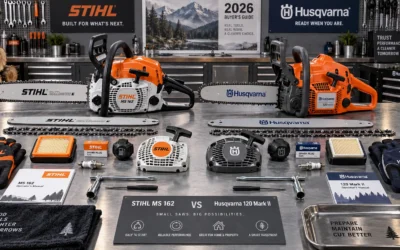
Tools for How Do You Measure A Chainsaw fall into two primary categories: chain and bar measuring devices that check pitch, gauge, groove width, and file size, versus magnetic firewood markers that attach to the bar for consistent log lengths. Chain-focused models like the Oregon OEM 556418 excel at OEM replacement matching, while firewood gauges support lengths from 16 inches upward. Select based on primary need: chain tools for maintenance and firewood tools for production cutting. Compatibility with standard bar sizes ensures the tool sits flush without slipping during operation. Always verify the product title details for intended use to avoid mismatched purchases within the entry-level to premium spectrum. Readers comparing setup options can review our technical analysis on stihl ms 162 vs husqvarna 120 mark ii. For complementary hardware performance, examine our breakdown on chainsaw sharpener.
Adjustable Length Range and Extensions
Adjustability determines versatility when performing How Do You Measure A Chainsaw tasks across different projects. Look for models offering base 16-inch markings plus extensions of 2, 4, or 6 inches, or continuous free adjustment between 16 and 29 inches. Solid aluminum constructions with tool-free assembly provide stability for repeated use. Fixed 16-inch rulers suit basic firewood needs but limit flexibility for longer stock. In practice, an adjustable range covers most residential and light professional requirements, reducing the need for multiple tools. Cross-reference this with your typical cut lengths before deciding among the top-rated options reviewed.
Magnetic Attachment Strength and Stability
Strong magnets form the core of secure firewood measuring tools for chainsaws, allowing hands-free marking while the saw remains in position. High-strength magnetic bases prevent shifting on metal bars during rough handling or vibration. Models with dual or reinforced magnets outperform single weak ones that detach mid-cut. For chain measuring charts, magnetic or clip designs help maintain alignment. Stability directly impacts measurement precision, especially outdoors on uneven terrain. Prioritize this feature when comparing options from brands including those listed under leading manufacturers. For complementary field maintenance guidelines, examine our breakdown of ryobi ry40550 vs greenworks 40v gen2. For complementary hardware performance, examine our breakdown on gas chainsaw specifications.
Material Durability, Visibility, and Build Quality
Outdoor chainsaw work demands corrosion-resistant materials such as solid aluminum or reinforced plastics that withstand moisture, sap, and drops. High-visibility orange or contrasting pointers improve readability in low light or dense brush. Tool-free assembly reduces downtime, while laser-etched or durable printed scales resist wear better than stickers. Lightweight designs under one pound minimize added bulk on the bar. Evaluating these attributes across specifications helps identify tools that last multiple seasons without degradation. For additional chainsaw care insights, see our dedicated chainsaws category resources.
Ease of Use and Multi-Function Features
Simple operation separates practical tools from frustrating ones when measuring chainsaw components or firewood. Charts that combine pitch, gauge, drive link, and file size checks in one unit save time versus separate gauges. Firewood markers with integrated tape measures or high-viz pointers allow quick visual confirmation. Multi-packs provide backups for crews or shared tools. Assembly should require no extra hardware. These usability factors reduce setup time and errors during active cutting sessions. For complementary hardware performance, examine our breakdown on portable sawmill attachments specifications.
Value Relative to Features and Budget
Budgets for How Do You Measure A Chainsaw tools typically span entry-level to premium. Entry-level chain gauges deliver essential pitch and gauge functions at the lower end, while premium adjustable magnetic firewood sets with extensions justify higher costs through expanded capability. Calculate cost per feature by dividing price by supported length range and included functions. Multi-packs improve value for frequent users. Avoid overpaying for unused adjustability if your needs stay fixed at common 16-inch cuts.
The following table compares three representative models on key attributes drawn directly from available specifications to illustrate differences:
| Product | Brand | Price | Primary Function | Key Adjustability |
|---|---|---|---|---|
| Oregon OEM 556418 Chainsaw Bar & Chain Measuring Tool | Oregon | $4.81 | Chain pitch, gauge, bar groove, file size | Fixed multi-scale chart |
| Handy 16 inches Magnetic Firewood Measuring Ruler for chainsaw | HOP | $30.00 | Firewood length marking | Fixed 16-inch magnetic |
| OSROENE Firewood Measuring Tool, 16” Plus Extensions | OSROENE | $19.99 | Firewood length marking | 16-inch base + 2/4/6-inch extensions |
Use this comparison as a starting point when matching features to your specific measuring requirements for chainsaws.
Adjustability and Function Notes
Adjustment options set what a tool can do, so they sit near the top of this comparison. Manufacturer specifications and product listings describe each tool’s primary function and key adjustability.
Product, brand, price, primary function and key adjustability sit together in the table, letting readers compare tools on the adjustments they support. Price sits in the same row, so readers can see what each adjustable tool costs.
Our Final Editorial Take on How Do You Measure A Chainsaw
After reviewing specifications across all top-rated options, clear leaders emerge for different buyer needs when addressing How Do You Measure A Chainsaw. These recommendations balance core features, price positioning across the entry-level to premium range, and practical design advantages for 2026 use cases.
Best Overall How Do You Measure A Chainsaw: Oregon OEM 556418 Chainsaw Bar & Chain Measuring Tool. This model stands out for its OEM status, comprehensive coverage of pitch, gauge, bar groove, and file size in a compact essential format at the lowest price point. It delivers reliable multi-scale accuracy for chain and bar maintenance without excess bulk, making it the foundational choice for most users maintaining chainsaws.
Best Value / Budget Choice: COZYMO Firewood Measuring Tool for Chainsaw – Adjustable 18”, 22”, 26” Solid Aluminum Log Marker. Priced accessibly near the lower mid-range, it provides solid aluminum build, magnetic attachment, high-viz pointer, and tool-free assembly for uniform cuts across multiple common lengths. The cost-to-feature ratio excels for homeowners seeking durable firewood marking without premium expense.
Best for Professional or Extended Firewood Production: OSROENE Firewood Measuring Tool, 16” Plus 2”,4″ and 6″ Extension (2 Pack option available). Its magnetic design, extension system, and multi-pack availability support high-volume consistent marking on varied logs. Ideal for users needing rapid, repeatable lengths beyond basic fixed rulers. Pair any of these with broader gear from our chainsaws reviews section for complete setup optimization. Overall, start with the Oregon for chain work or an adjustable magnetic unit for firewood to cover the majority of measuring scenarios effectively.
Buyer FAQs: How Do You Measure A Chainsaw Solved
How do you measure a chainsaw bar length correctly?
Measure a chainsaw bar from the front of the cutting tip to the base where it enters the saw body, then round to the nearest even inch for standard sizing. Use a dedicated bar and chain measuring tool for confirmation of groove and related specs. This method ensures replacement parts match precisely and avoids fitment issues.
What tools help measure chainsaw chain pitch and gauge?
Specialized chain measuring charts and tools such as the Oregon OEM 556418 or similar multi-function gauges check pitch by counting drive links over a set distance and gauge via the drive link thickness slot. These provide quick reference scales for file size too. Accurate measurement prevents improper chain installation that can damage the bar or reduce safety. For additional operational safety benchmarks, see our published testing notes on greenworks 40v 18 vs ego cs1800.
Why use a magnetic firewood measuring tool on a chainsaw?
Magnetic firewood tools attach directly to the chainsaw bar to mark consistent cut lengths like 16 or 18 inches without separate measuring steps each time. They improve speed and uniformity for stacking and burning efficiency. Strong magnets keep the marker stable during repositioning of the saw.
How often should you check chainsaw measurements for maintenance?
Check bar and chain measurements before every new chain installation or after noticeable wear, typically every few tanks of fuel for heavy users. Regular verification with a proper measuring tool extends equipment life and maintains cutting performance. For related maintenance guidance explore the full chainsaws category.
Are adjustable measuring tools better than fixed ones for chainsaw work?
Adjustable tools offer greater versatility for varying firewood or project lengths, while fixed models provide simplicity and lower cost for single-size needs. Choose adjustable if you cut multiple standard lengths regularly; otherwise a quality fixed magnetic or chart tool suffices. Both types appear among the top-rated options evaluated for different budgets within entry-level to premium.
Further Reading on Chainsaw Measurement
Once the bar length is known, a closer look at 12 inch chainsaw chain shows how pitch and gauge decide whether a replacement loop will fit the bar correctly.
For general background on safety thinking around handheld cutting tools, the American National Standards Institute (ANSI) is a reasonable place to begin reading.