
How Often Should You Mow Your Lawn?
Quick Answer: How Often Should You Mow Your Lawn?
Mow your lawn about once a week during the active growing season. The most important rule is to never remove more than one-third of the grass blade’s height at a time. Therefore, you should mow whenever the grass has grown roughly one-third above its ideal height. For example, if your grass type’s ideal height is 2.5 inches, mow when it…
What Is the One-Third Rule and Why Is It Key?
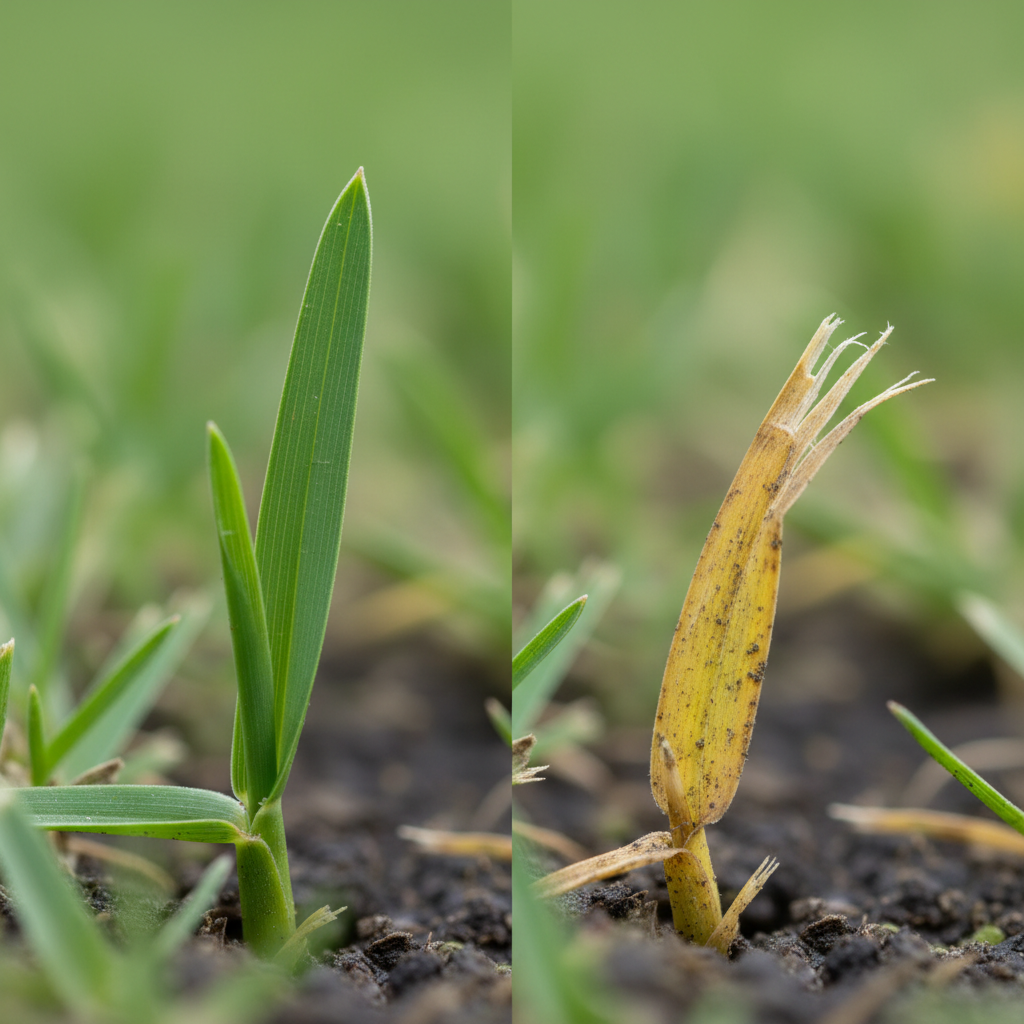
The one-third rule is the fundamental principle that dictates mowing frequency. It states that you should never remove more than one-third of the grass blade’s total height in a single mowing session. Cutting more than this shocks the grass, stresses its root system, and makes it more vulnerable to disease, drought, and weed invasion.
To calculate when to mow, first identify your grass type’s ideal mowing height. Then, add one-third of that height to get your “mow-at” height. For instance, if the ideal height for Kentucky bluegrass is 2.5 inches, one-third of that is about 0.8 inches. Adding this gives you a mow-at height of approximately 3.3 inches. When your grass reaches this height, it’s time to mow it back down to the ideal 2.5 inches.
How Often Should You Mow in Different Seasons?
Mowing frequency changes dramatically with the seasons due to variations in temperature, sunlight, and rainfall, which directly affect grass growth rates. When planning workspace deployment, consider the engineering criteria outlined in our jbl partybox club 120 vs sony srs xv500 guide.
Spring
Spring is typically the most active growing season. As temperatures rise and rain is plentiful, grass growth accelerates. During peak spring growth, you may need to mow once every 5 to 6 days to adhere to the one-third rule. Early spring may require mowing every 7-10 days as growth just begins. When planning workspace deployment, consider the engineering criteria outlined in our jbl partybox club 120 vs sony srs xv500 guide.
Summer
Summer mowing frequency depends heavily on your climate and grass type. In hot, dry summers, growth slows significantly. You might only need to mow every 10 to 14 days. However, in cooler summer climates or with irrigated lawns, weekly mowing may still be necessary. Raise your mowing height slightly in summer to help the grass retain moisture and shade its roots.
Fall
Fall often sees a resurgence in growth, especially for cool-season grasses. As temperatures cool and rainfall increases, you may return to a weekly mowing schedule. Continue mowing until the grass stops growing, which is often indicated by the need to mow less frequently than every two weeks. For additional operational safety benchmarks, see our published testing notes on z890 vs x870e motherboard.
Winter
Grass growth slows dramatically or stops in winter. Mowing is generally not required during this dormant period.
How Does Grass Type Affect Your Mowing Schedule?
Different grasses have distinct growth patterns and ideal heights, which are the primary determinants of your mowing schedule. To compare alternative configurations, check our hands-on review of marshall stanmore iii vs harman kardon onyx studio 8.
Cool-Season Grasses
Grasses like tall fescue, perennial ryegrass, and Kentucky bluegrass thrive in cooler climates. They experience peak growth in the spring and fall. Their ideal mowing height is typically between 2.5 to 3.5 inches. Because of their active spring and fall growth, you will likely mow these lawns more frequently during those seasons.
Warm-Season Grasses
Grasses such as Bermuda, Zoysia, and St. Augustine are adapted to hot climates. Their most vigorous growth occurs in the summer. They often have a lower ideal mowing height, sometimes as low as 1 to 2 inches for Bermuda grass. Consequently, you may need to mow these lawns very frequently (every 4-5 days) during the peak of summer to keep up with growth. Users looking for related component recommendations can explore our dyson v8 cyclone vs bissell featherweight stick breakdown.
What Other Factors Change Your Mowing Frequency?
Several environmental and lawn care factors can accelerate or slow grass growth, requiring you to adjust your schedule.
- Rainfall and Irrigation: Consistent, adequate moisture promotes faster growth, potentially requiring more frequent mowing. A drought-stressed lawn will grow slowly and need less frequent cutting.
- Fertilization: Applying fertilizer provides nutrients that boost growth. After fertilizing, expect your grass to grow faster and plan to mow sooner.
- Lawn Health: A thick, healthy lawn with dense turf may appear to grow faster than a sparse, weedy lawn. A newly seeded lawn should not be mowed until the new grass reaches at least 3 inches tall, and then only remove the top third.
How to Create a Simple Mowing Schedule
Instead of marking a fixed day on your calendar, adopt a monitoring routine. Walk your lawn every few days during the growing season. When you notice the grass has grown about one-third above its ideal height, it’s time to mow. This method ensures you always follow the one-third rule and maintain optimal lawn health. Before finalizing equipment decisions, refer to our comprehensive bissell crosswave hydrosteam vs shark stainforce comparison.
What should I do if I’ve missed a mowing and the grass is too tall? If the grass is significantly overgrown, do not try to cut it all at once. Follow the one-third rule by mowing it down to a height that is only one-third shorter than its current height. Wait a few days for it to recover, then mow it again to the ideal height. This gradual approach prevents shocking the lawn.
Frequently Asked Questions About How Often Should You Mow Your Lawn
Is it okay to mow the lawn when it’s wet?
It’s best to avoid mowing wet grass. Wet grass clumps, clogs the mower deck, and can lead to an uneven cut. Mowing wet turf also increases the risk of spreading fungal diseases and can compact wet soil, which is harmful to grass roots.
Should I mow at the same time of day each week?
The time of day is less critical than the grass condition, but mowing in the mid-morning after dew has dried is ideal. This allows the grass blades to heal from the cut before the cooler evening temperatures, which can promote disease. Avoid mowing in the intense heat of midday.
How does a rainy season affect how often I need to mow?
A rainy season typically leads to rapid grass growth due to the abundance of water. You will likely need to mow more frequently during these periods to keep up with the growth and prevent the grass from exceeding the one-third rule.
For more detailed testing breakdowns and top recommendations, check our in-depth guide to residential zero-turn lawn mower guide.
For more hands-on benchmarks and buying recommendations, consult our guides on heavy-duty chainsaw buyer guide, as well as high-CFM commercial leaf blower guide, as well as automated robotic lawn mower guide.
Mechanical safety standards, operational tolerances, and protective gear guidelines align with benchmark specifications established by the American National Standards Institute (ANSI).