To change oil on a lawn mower, warm the engine briefly, then disconnect the spark plug for safety. Locate the drain plug and drain the old oil into a pan, or tip the mower if no plug exists. Replace the oil filter if equipped. Refill with the manufacturer’s recommended oil (typically SAE 30 or 5W-30, about 15–20 oz) using a funnel, check the dipstick, and dispose of used oil at a recycling center. Repeat every 50 hours of use or annually.
Why Regular Oil Changes Matter for Your Lawn Mower
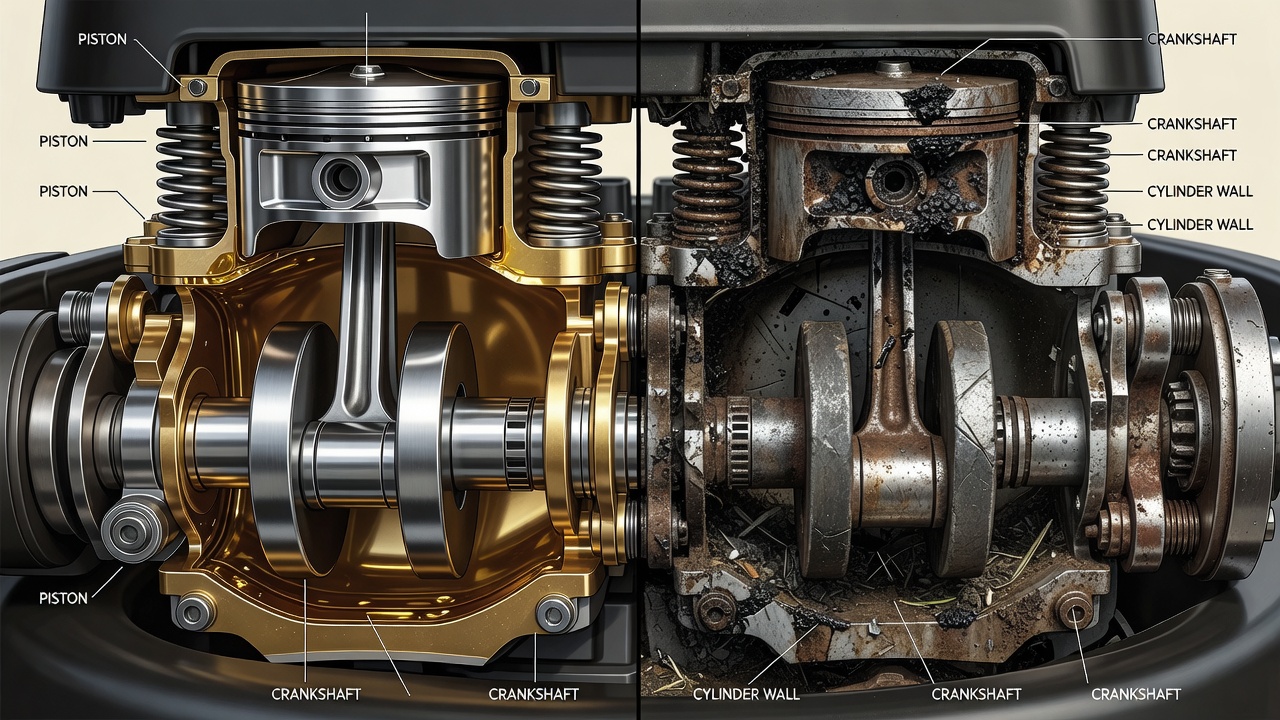
Engine oil lubricates moving parts, reduces friction, and prevents corrosion and buildup inside the engine. Over time, oil breaks down and accumulates dirt and debris, losing its protective properties. Changing the oil regularly keeps your mower running smoothly, extends engine life, and prevents costly repairs.
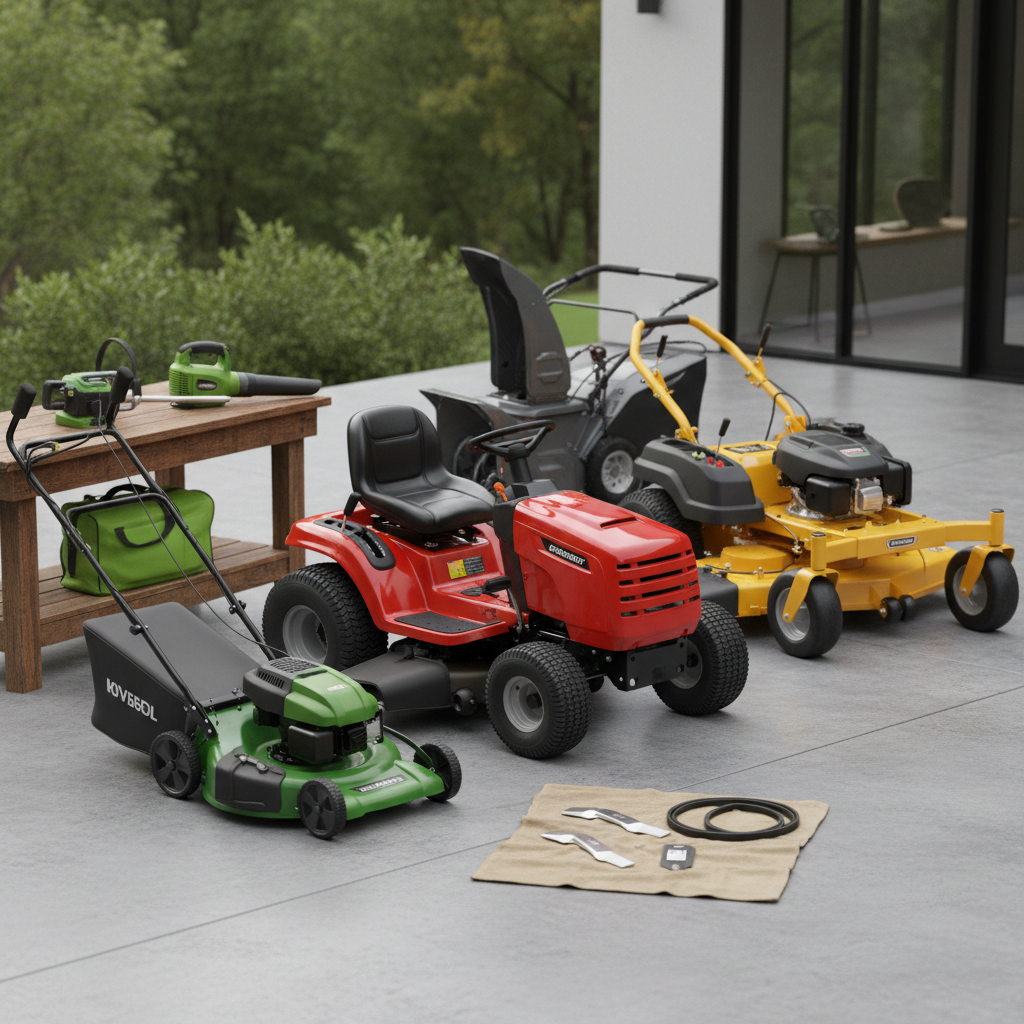
Most lawn mowers use 4-stroke engines that require traditional oil changes. Some older or specialty models have 2-stroke engines that run on a fuel-oil mixture instead—these do not require separate oil changes. Check your owner’s manual to confirm your mower type.
Key differences affect the procedure:
- Walk-behind vs. riding mowers: Walk-behind mowers are smaller and easier to access; riding mowers often have larger fuel tanks and may require tipping at an angle to drain oil safely.
- Drain plug vs. no drain plug: Mowers with a drain plug make the job straightforward. Those without require tipping or using a siphon pump.
- Oil filter: Not all lawn mowers have replaceable oil filters. Check your manual to see if yours does.
Tools and Materials You’ll Need
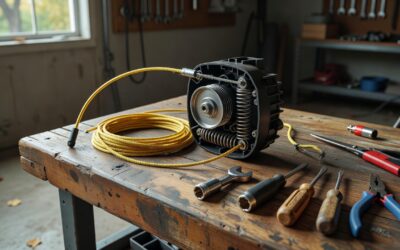
Gather these items before you begin:
- Socket wrench or adjustable wrench (for drain plug)
- Oil drain pan (at least 2 quarts capacity)
- Funnel
- Fresh oil (type and amount per your owner’s manual)
- Oil filter wrench (if your mower has a filter)
- Replacement oil filter (if equipped)
- Dipstick or oil level indicator
- Rags or paper towels
- Siphon pump (optional, for mowers without a drain plug)
- Jack or blocks (for riding mowers, to safely tip or lift)
Choosing the Right Oil for Your Climate
Always follow your owner’s manual for the correct oil viscosity. The most common options are:
- SAE 30: Best for warm climates. Use when temperatures regularly exceed 50°F.
- 5W-30: A multi-viscosity oil suitable for cooler to moderate climates. The “5W” designation means it flows well in cold weather; the “30” rating applies at operating temperature.
Using the wrong viscosity can reduce engine efficiency and cause premature wear. Most modern mowers specify 5W-30 for year-round use in temperate regions.
Step-by-Step Oil Change for a Walk-Behind Mower
1. Prepare and Warm the Engine
Run the mower for a few minutes to warm the oil. Warm oil flows more freely and drains more completely. Stop the engine and let it cool for 2–3 minutes—you want the oil warm but not hot enough to burn your skin.
2. Disconnect the Spark Plug
This is the most important safety step. Locate the spark plug wire on the side of the engine and pull it off to disconnect. This prevents the engine from accidentally starting while you work. Never skip this step.
3. Position the Mower and Locate the Drain Plug
Tip the mower to access the drain plug, or place it on a flat, level surface. The drain plug is typically a bolt or valve on the lowest part of the engine crankcase. Consult your owner’s manual for the exact location. Place your oil drain pan underneath to catch the old oil.
4. Drain the Old Oil
Using a wrench, slowly loosen the drain plug by turning it counterclockwise. Once loose enough, unscrew it by hand carefully—old oil may still be warm. Allow all the oil to drain completely into the pan. This may take 5–10 minutes. Wipe the drain plug clean with a rag and inspect the threads for damage.
5. Replace the Oil Filter (if Equipped)
If your mower has an oil filter, use an oil filter wrench to turn it counterclockwise and remove it. Wipe the filter mounting surface clean. Apply a thin layer of new oil to the rubber gasket on the new filter, then screw it on by hand until the gasket contacts the surface, then turn an additional three-quarter turn. Do not over-tighten.
6. Reinstall the Drain Plug
Screw the drain plug back in by hand, then tighten it with a wrench. Do not over-tighten, as this can damage the threads. Snug is sufficient.
7. Refill with Fresh Oil
Place a funnel in the oil filler cap opening (usually on top of the engine). Slowly pour in the recommended amount of fresh oil, checking against the dipstick every few ounces to avoid overfilling. The dipstick should read “full” when the oil level is correct. Screw the oil cap back on firmly.
8. Check the Oil Level
Start the engine and let it run for a minute, then stop it. Wait a few minutes for the oil to settle, remove the dipstick, wipe it clean, reinsert it fully, then remove it again to check the level. Add a small amount of oil if needed to reach the full mark.
9. Reconnect the Spark Plug
Push the spark plug wire firmly back onto the spark plug connector until it clicks into place.
Special Cases: Mowers Without a Drain Plug and Riding Mowers
Mowers Without a Drain Plug
Some compact or older mowers do not have a drain plug. In this case, you must tip the mower or use a siphon pump:
- Tipping method: After disconnecting the spark plug, carefully tip the mower on its side (consult the manual to see which side is safe) and drain the oil into a pan placed underneath. Do this on a flat surface to avoid spilling.
- Siphon pump method: Insert a siphon tube into the oil filler opening and pump the old oil out into a drain pan. This is slower but avoids tipping the mower.
Refill using the same funnel method described above.
Riding Mowers
Riding mowers typically have a drain plug and sometimes an oil filter, similar to walk-behind models. The main differences are:
- Check your manual for safe tipping angles, as fuel may leak if tipped incorrectly.
- The engine is more accessible if you raise the mower using a jack and safety blocks—never rely on a jack alone.
- Larger oil capacity means more oil to drain; use a larger drain pan.
- Some riding mowers have two separate oil changes (one for the engine, one for the transmission). Follow your manual closely.
Safe Disposal of Used Oil and Filters
Never pour used oil down a drain or into the ground—it contaminates soil and water. Instead:
- Take used oil to a local recycling center, waste disposal facility, or auto parts store that accepts used motor oil.
- Store used oil in a sealed, clearly labeled container until you can dispose of it.
- If your mower has an oil filter, place it in a sealed plastic bag before taking it for disposal. Many recycling centers accept used filters.
Maintenance Schedule and Best Practices
Change your mower’s oil every 50 hours of use or at least once per year, whichever comes first. For homeowners who mow weekly during the season, this typically means one oil change per year before storage.
Additional tips:
- Keep a record of oil changes to track maintenance history.
- Always consult your owner’s manual for model-specific instructions and oil capacity.
- Check the oil level before each use during the mowing season; top up if needed.
- Store your mower indoors in a dry location to prevent rust and corrosion.
Common Mistakes to Avoid
- Forgetting to disconnect the spark plug: This is a serious safety hazard. Always disconnect before starting work.
- Overfilling the oil: Too much oil can damage the engine and cause smoking or leaking. Use the dipstick to verify the correct level.
- Using the wrong oil viscosity: Incorrect oil can reduce efficiency and cause wear. Follow your manual.
- Not allowing the engine to cool: Hot oil can cause burns. Always let the engine cool slightly before draining.
- Forgetting the oil filter: If your mower has a filter, replace it every other oil change or per the manual’s recommendation.
- Improper disposal: Used oil is hazardous waste. Never dump it improperly.
When to Call a Professional
An oil change is a straightforward maintenance task that most mower owners can do themselves. However, if your mower lacks a clear drain plug location, your manual is unavailable, or you are uncomfortable working on the engine, contact a lawn mower repair shop or service center. They can handle the job quickly and safely.