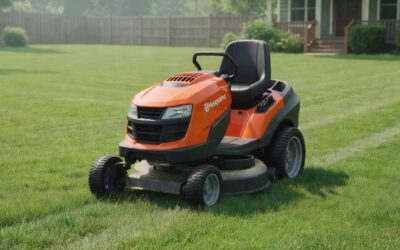
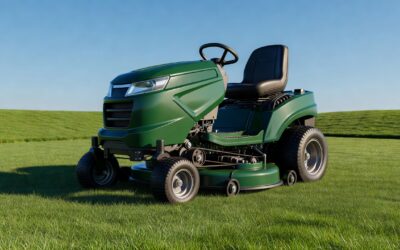
Changing the oil in a Husqvarna riding lawn mower is essential maintenance that keeps your engine running smoothly and extends its lifespan. The general process involves warming the engine, safely draining the old oil, replacing the oil filter if applicable, and refilling with the correct type and amount of new oil. However, because Husqvarna mowers use various engine brands and models, you must consult your owner’s manual for the exact oil specification, capacity, and filter part number for your specific machine.
This guide provides a comprehensive, model-agnostic overview of the oil change process, common tools required, and important safety considerations. Always prioritize the instructions in your owner’s manual, as procedures and specifications can vary.
What You Need Before Changing the Oil
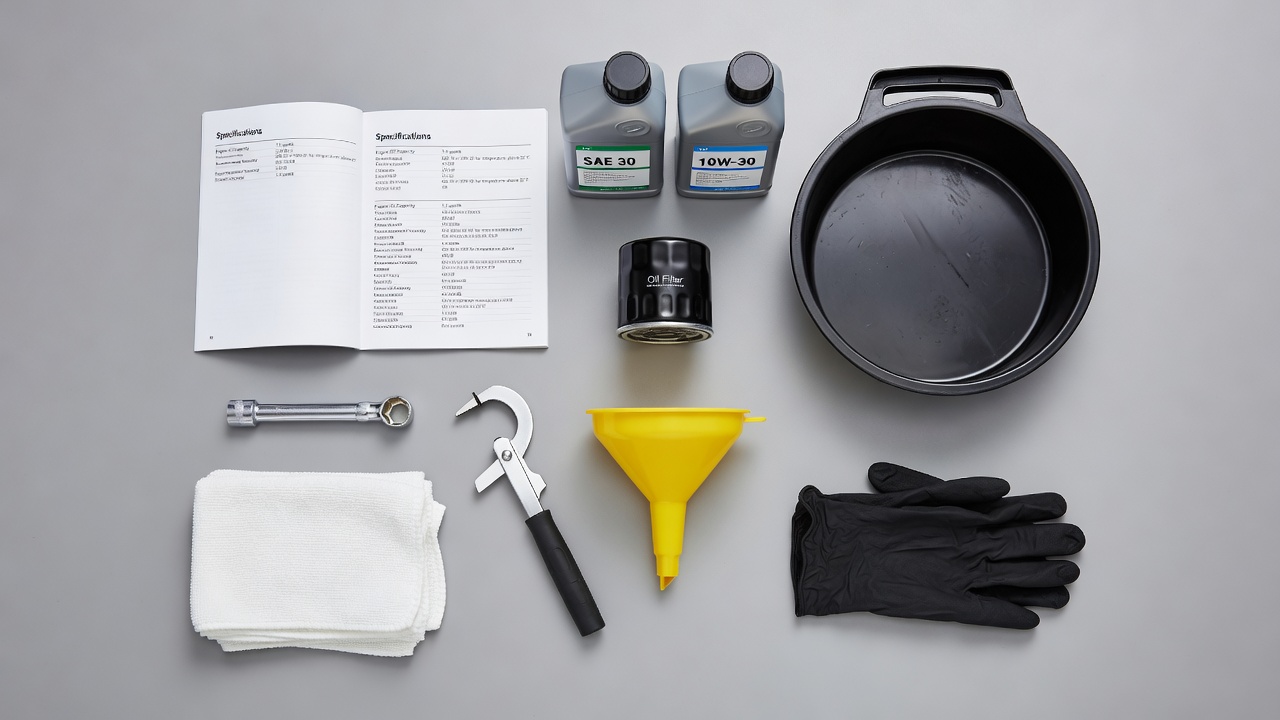
Before starting the oil change, gather the necessary tools and materials. Having everything ready will make the process smoother and help prevent spills or mistakes.
Essential Tools and Supplies
- Owner’s manual: The most critical item. It specifies the exact oil type, capacity, and filter part number for your model.
- Correct engine oil: Typically SAE 30 or 10W-30, but verify with your manual. Some engines may require specific formulations.
- Oil filter (if applicable): Not all models have one. Use the part number from your manual.
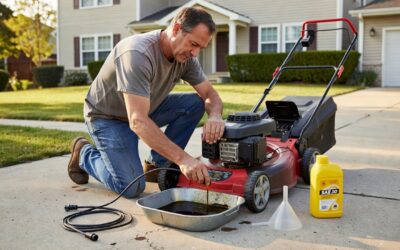
- Drain pan: To catch the old oil. Choose a size that can hold at least the full capacity of your engine.
- Socket or wrench set: To remove the drain plug. Sizes vary by model.
- Funnel: To add new oil without spilling.
- Rags or paper towels: For cleanup.
- Gloves: To protect your hands from hot oil and grime.
- Jack or ramps (optional): If you need to lift the mower for better access to the drain plug. Use proper safety stands if lifting.
Finding the Right Oil for Your Mower
The correct oil type and capacity are determined by the engine manufacturer (e.g., Briggs & Stratton, Kawasaki, Kohler), not the mower brand. Your Husqvarna owner’s manual will list the recommended oil viscosity (like SAE 30 or 10W-30) and the total oil capacity in quarts or liters. Using the wrong oil can affect engine performance and may void your warranty.
Step-by-Step: How to Change the Oil in a Husqvarna Riding Mower
Follow these general steps. The location of components like the drain plug and oil filter can differ between models, so refer to your manual for diagrams.
Step 1: Prepare the Mower and Ensure Safety
- Park on a level surface: This ensures accurate draining and later oil level checks.
- Engage the parking brake: Prevent accidental movement.
- Turn off the engine and remove the key.
- Disconnect the spark plug wire: This is a crucial safety step to prevent the engine from accidentally starting while you work. Pull the rubber boot off the spark plug.
- Allow the engine to cool slightly: While warm oil flows better, extremely hot oil poses a burn risk. Run the engine for 2-3 minutes to warm it, then let it sit for a few minutes before proceeding.
Step 2: Drain the Old Oil
- Locate the oil drain plug: This is typically on the bottom or side of the engine crankcase. Your manual will show its exact location. Some models have a drain valve or require you to use a siphon pump through the dipstick tube.
- Position the drain pan: Place it directly under the drain plug to catch all the oil.
- Remove the drain plug: Use the correct socket or wrench. Oil will begin to flow immediately. Let it drain completely until it slows to a drip. This may take several minutes.
- Reinstall the drain plug: Once draining is complete, clean the plug and the area around the drain hole. Reinstall the plug and tighten it securely—but do not overtighten, as this can strip the threads.
Step 3: Replace the Oil Filter (If Equipped)
Not all Husqvarna riding mower engines have an oil filter. Check your manual or look for a canister-style filter screwed onto the engine block.
- Place a rag or pan under the old filter to catch residual oil.
- Remove the old filter: Turn it counterclockwise. It may be tight; use an oil filter wrench if necessary.
- Prepare the new filter: Apply a thin coat of clean new oil to the rubber gasket on the new filter. This helps create a proper seal and makes future removal easier.
- Install the new filter: Screw it on by hand until the gasket contacts the mounting surface, then tighten it an additional three-quarter turn by hand. Do not use a wrench to overtighten.
Step 4: Add New Oil
- Locate the oil fill cap/dipstick: This is usually on top of the engine.
- Remove the cap and insert a funnel.
- Pour in the new oil: Add about three-quarters of the specified capacity first. This prevents overfilling.
- Check the oil level: Reinsert the dipstick (but do not screw it in, just rest it on the threads, as per your manual’s instructions). Remove it to check the level. The oil should be between the “add” and “full” marks.
- Add more oil as needed to reach the correct level on the dipstick. Do not overfill.
Step 5: Final Steps and Cleanup
- Reconnect the spark plug wire.
- Start the engine and let it run for about a minute. This circulates the new oil and fills the new oil filter (if installed).
- Turn off the engine and wait a few minutes for the oil to settle.
- Recheck the oil level with the dipstick and add a small amount if necessary to bring it to the full mark.
- Clean up any spills with rags. Properly dispose of the used oil and filter at a recycling center or auto parts store that accepts used motor oil.
What Kind and How Much Oil Does a Husqvarna Riding Mower Take?
This is one of the most common questions, and the answer always depends on your specific engine. Husqvarna riding mowers are equipped with engines from various manufacturers, each with different requirements.
Oil Viscosity: SAE 30 vs. 10W-30
- SAE 30: A common recommendation for warmer weather operation in many small engines.
- 10W-30: A multi-viscosity oil that performs well in a wider range of temperatures, offering better cold-weather starting.
Your owner’s manual will specify which is recommended for your engine and climate. Using the manufacturer-recommended viscosity ensures proper lubrication under your typical operating conditions.
Conventional vs. Synthetic Oil
Many modern small engines can use synthetic oil, which often provides better protection and longer service intervals. However, you must verify this is acceptable for your specific engine model. The manual is the authority on whether synthetic oil is approved.
Oil Capacity
Oil capacity varies significantly, often ranging from around 1.5 to over 2 quarts. Overfilling can cause engine damage, as can underfilling. Always add oil gradually and check the dipstick frequently to reach the correct level.
How Often Should You Change the Oil in a Husqvarna Riding Mower?
Regular oil changes are vital for engine health. The interval depends on usage and conditions.
Standard Recommendation
A common guideline for residential use is to change the oil at least once per season or every 50 hours of operation, whichever comes first. For new mowers, the first oil change may be recommended sooner (e.g., after the first 5-8 hours) to remove manufacturing debris.
Conditions That Require More Frequent Changes
- Heavy use: Mowing large areas frequently.
- Dusty or dirty environments: Dust can contaminate the oil more quickly.
- High ambient temperatures: Extreme heat can break down oil faster.
- Frequent short runs: The engine may not reach full operating temperature, leading to moisture buildup in the oil.
Before Winter Storage
It is highly recommended to change the oil before storing the mower for winter. Used oil contains acids and contaminants that can corrode engine internals over time. Fresh oil provides better protection during the off-season.
Choosing and Replacing the Oil Filter
The oil filter removes contaminants from the engine oil, keeping it clean. Replacing it during each oil change is best practice if your engine is equipped with one.
Does My Mower Have an Oil Filter?
Check your owner’s manual or visually inspect the engine. A spin-on oil filter looks like a small metal canister. If your engine doesn’t have one, you simply change the oil.
Finding the Correct Filter
Do not guess. The oil filter must match the thread size and gasket specifications for your engine. The correct part number is listed in your owner’s manual. Using the wrong filter can lead to poor sealing, oil leaks, or inadequate filtration.
Installation Tip
Always lubricate the new filter’s gasket with a film of clean oil before installation. This prevents the gasket from binding or tearing as you tighten the filter, ensuring a leak-free seal.
Safety Precautions, Common Mistakes, and Oil Disposal
Following safety protocols protects you and your equipment. Being aware of common pitfalls helps ensure a successful oil change.
Key Safety Measures
- Disconnect the spark plug: This is non-negotiable. It eliminates the risk of accidental engine start-up.
- Handle hot oil with care: Warm oil drains faster but can cause severe burns. Wear gloves and work carefully.
- Work on a stable, level surface: Prevents the mower from rolling and ensures accurate oil level readings.
- Use proper lifting techniques: If you need to raise the mower, use a jack rated for its weight and always support it with jack stands. Never rely on a jack alone.
Common Mistakes to Avoid
- Not consulting the owner’s manual: This leads to using the wrong oil, incorrect capacity, or improper procedure.
- Overtightening the drain plug or oil filter: This can strip threads or damage gaskets, causing leaks.
- Overfilling with oil: Can cause excessive pressure, oil foaming, and potential engine seal damage.
- Forgetting to check the level after running the engine: The new oil filter (if installed) fills with oil, which can lower the level in the crankcase.
- Improperly disposing of used oil: Never dump oil on the ground or in the trash.
Proper Used Oil Disposal
Used motor oil is a hazardous waste but is recyclable. Take it to:
- A local recycling center or household hazardous waste facility.
- An auto parts store or quick-lube shop that accepts used oil.
- Some municipal waste collection sites have designated drop-off points.
Pour the used oil into a sealable container (like the empty new oil bottle) for transport. The oil filter can often be recycled with the oil.
Frequently Asked Questions
Can I use car oil in my Husqvarna riding mower?
Yes, provided it matches the viscosity and specification (e.g., SAE 30, 10W-30) recommended in your mower’s owner’s manual. Many automotive oils meet the requirements for small engines. Always check the manual first.
What happens if I use the wrong oil in my mower?
Using oil with the wrong viscosity can lead to poor lubrication, especially in extreme temperatures. This increases engine wear, reduces performance, and could potentially cause engine damage over time.
Do I need to change the oil filter every time I change the oil?
Yes, it is strongly recommended. A clogged or saturated filter reduces oil flow and filtration efficiency. Changing it with each oil change ensures maximum engine protection.
How do I know when the crankcase is fully drained?
The oil flow will slow from a steady stream to a drip. Let it drip for a few extra minutes to remove as much old oil as possible. Some residue will always remain, which is normal.
My oil looks milky. What does that mean?
Milky or frothy oil often indicates coolant (antifreeze) contamination, which is a serious issue that may point to a blown head gasket or cracked engine block. If you see this, stop using the mower and consult a qualified small engine mechanic for diagnosis.