Direct Answer
To change the spark plug on a lawn mower, ensure the engine is completely cool and the mower is powered off. Gather a socket wrench, a specialized spark plug socket, a new plug matching your manufacturer’s specifications, and a gapping tool. Disconnect the spark plug wire by pulling firmly on the rubber boot. Remove the old plug by turning it counterclockwise. Check the gap on your new plug against your manual’s requirements, thread it in by hand to prevent damage, tighten it with the wrench, and reconnect the wire.
Why and When Should You Change a Lawn Mower Spark Plug?
The spark plug is a small but vital component that provides the electrical spark necessary to ignite the fuel-air mixture within the combustion chamber. Over time, the electrodes can wear down or become covered in carbon deposits, which is often referred to as a “fouled” spark plug.
Common signs that your spark plug needs replacement include difficulty starting the engine, a rough or uneven idle, or a noticeable decrease in power while mowing. Generally, it is recommended to replace the spark plug once per season or after a specific number of operating hours as suggested by your owner’s manual. Maintaining a clean, functional plug ensures efficient fuel combustion and helps protect the ignition coil from unnecessary strain.
What Tools and Parts Do You Need to Change the Spark Plug?

Before beginning, ensure you have the correct supplies to avoid mid-task interruptions. You will need:
- Spark plug socket: These sockets contain an internal rubber insert to grip the porcelain insulator of the plug, protecting it from cracking.
- Socket wrench (ratchet): Used to provide the leverage needed to loosen and tighten the plug.
- Gapping tool: A small metal gauge used to ensure the gap between the center and side electrodes matches the engine manufacturer’s requirements.
- New spark plug: Always verify the correct part number in your owner’s manual or on the side of the old plug.
- Safety gear: Work gloves and eye protection are recommended.
While a torque wrench is ideal for ensuring precise tightness, many experienced users rely on the “snug plus a quarter-turn” method for small engines. If you are unsure about the specific torque requirements, consult your mower’s manual.
How Do You Choose the Right Spark Plug for Your Lawn Mower?
Using the wrong spark plug can lead to poor performance or engine damage. The most reliable way to find the correct replacement is to reference the part number printed on the existing plug or look up your specific engine model in the owner’s manual. Different brands may offer compatible plugs, but they must match the heat range, thread size, and reach of the original equipment. The spark plug gap is the distance between the center electrode and the ground electrode; this measurement is critical for generating a consistent spark and must be set according to the engine manufacturer’s specifications.
Step-by-Step: How to Change the Spark Plug on a Lawn Mower
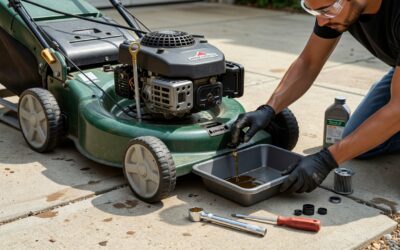
- Cool the engine: Never work on a hot engine. Allow the mower to sit for at least 30 minutes after use.
- Disconnect the wire: Locate the thick rubber wire connected to the spark plug. Pull firmly on the boot—not the wire itself—to disconnect it. This prevents the mower from accidentally starting.
- Clean the area: Use a brush or compressed air to remove debris from around the base of the plug to prevent dirt from falling into the cylinder.
- Remove the old plug: Place the spark plug socket over the plug and turn it counterclockwise.
- Check the gap: Use your gapping tool to verify the new plug’s gap. Adjust the side electrode if necessary, being careful not to touch the center electrode.
- Install the new plug: Thread the new plug in by hand until it is finger-tight. This is the most important step to avoid cross-threading the cylinder head.
- Tighten: Use the socket wrench to tighten the plug. If you do not have a torque wrench, a quarter-turn past hand-tight is often sufficient for new plugs with a crush washer.
- Reconnect and test: Push the spark plug wire boot back onto the plug until it clicks. Start the mower to ensure it runs smoothly.
Common Mistakes to Avoid When Changing a Spark Plug
The most frequent error is cross-threading, which occurs when the plug is forced into the threads at an incorrect angle. This can cause severe damage to the engine block. Always start the threading process by hand. Another common mistake is over-tightening, which can crush the washer or damage the threads. Finally, never skip the gapping process; even new plugs may have gaps that shift during shipping and handling, and an incorrect gap can cause the engine to misfire or fail to start.
Safety Precautions and Troubleshooting After Replacement
Safety is paramount when performing engine maintenance. Always ensure the spark plug wire is fully disconnected before working on the plug to eliminate any chance of the engine turning over. If the mower still fails to start after replacing the plug, check that the wire is firmly seated on the terminal. If the issue persists, the problem may lie elsewhere, such as in the fuel system, air filter, or ignition coil. If you are uncomfortable performing these steps or if the engine requires further mechanical work, contact a qualified service technician.