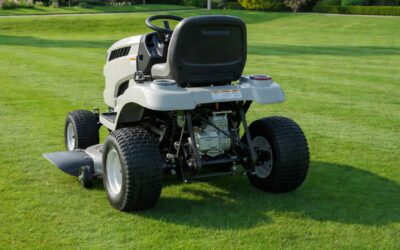
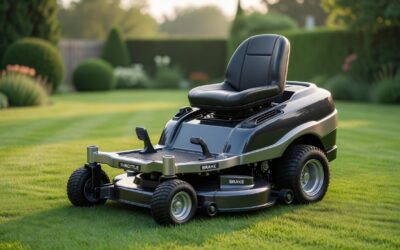
To start a Husqvarna riding lawn mower, ensure you are seated, engage the parking brake, and confirm the blade engagement (PTO) switch is in the off position. Move the throttle to the choke position or press the primer bulb as required by your specific model. Insert the ignition key, turn it to the start position to crank the engine, and release it once the engine fires. Gradually adjust the choke to the run position and set the throttle to your desired speed. Always consult your owner’s manual for model-specific variations.
Understanding Your Husqvarna Riding Mower’s Starting System
Husqvarna riding mowers utilize a series of safety interlocks and standardized controls designed to ensure safe operation. Understanding these components is essential for successful ignition. The system typically relies on an ignition switch with three primary positions: Off, Run, and Start. The engine will only crank if the electrical circuit is closed, which requires all safety conditions to be met simultaneously.
Key components include the seat safety switch, which detects the operator’s presence, the parking brake interlock, and the blade engagement switch (often labeled PTO). If any of these sensors detect an unsafe configuration, the starter solenoid will not receive the signal to engage, preventing the engine from turning over.
Pre-Start Checks You Should Do Before Turning the Key
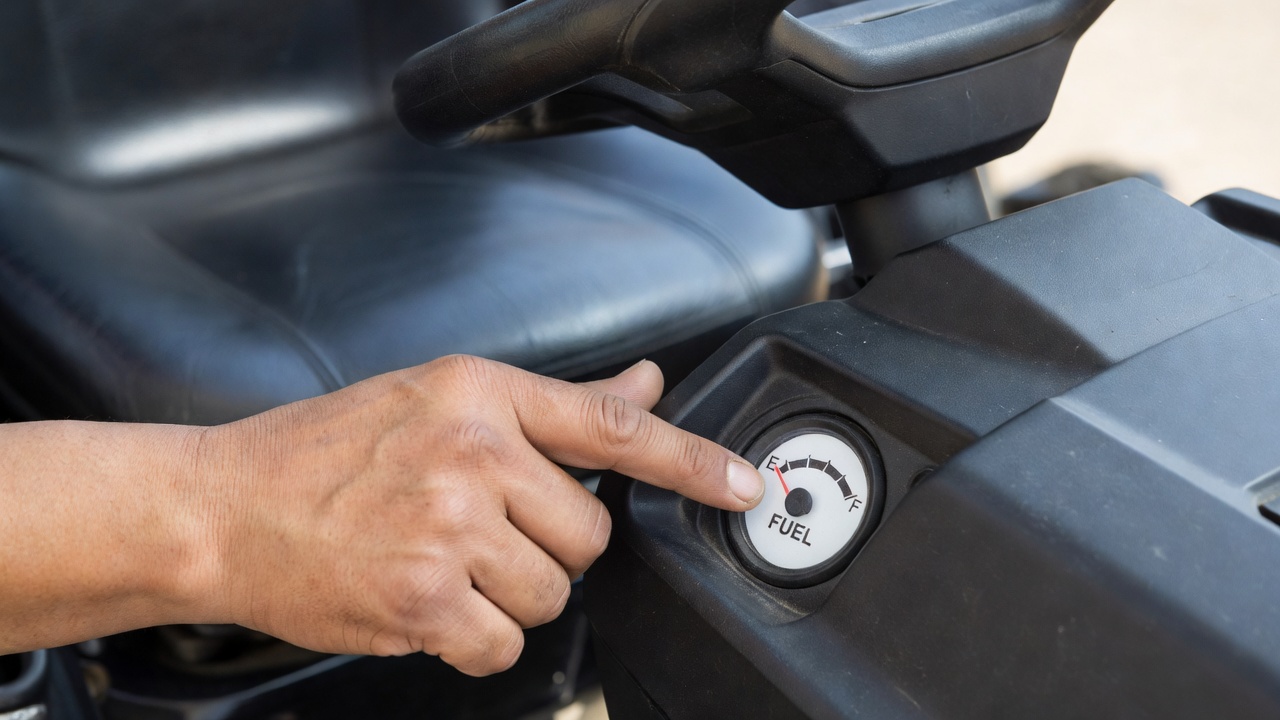
Before attempting to start your mower, verify these conditions to satisfy the safety interlock system:
- Operator Presence: You must be seated firmly in the operator’s seat. The seat switch is designed to cut power if the operator is not detected.
- Parking Brake: Most models require the parking brake to be set or the brake pedal to be fully depressed before the engine will crank.
- Blade Engagement (PTO): The blade engagement switch must be in the ‘Off’ or ‘Disengaged’ position. If the blades are engaged, the safety circuit will prevent the engine from starting to avoid accidental movement.
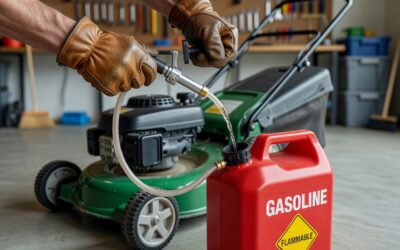
- Fluid Levels: Check the engine oil level and ensure there is sufficient fuel in the tank. A low oil level on some modern engines can prevent starting, and stale fuel is a common cause of ignition failure.
- Battery Condition: Ensure the battery terminals are clean and tight. A weak battery may not provide enough amperage to engage the starter solenoid.
Step-by-Step: The Starting Procedure for Most Husqvarna Models
While specific models vary, the following procedure applies to the majority of Husqvarna riding mowers:
- Prepare the Controls: Ensure the throttle is moved to the choke position (indicated by a choke icon) for a cold start. If your mower features a primer bulb, press it the recommended number of times as indicated by the manufacturer.
- Engage Safety Features: Set the parking brake and ensure the mower deck is disengaged.
- Ignition: Insert the key into the ignition switch. Turn the key to the ‘Run’ position, then rotate it to ‘Start’.
- Crank the Engine: Hold the key in the ‘Start’ position for no more than a few seconds. If the engine does not start, wait a moment before trying again to avoid overheating the starter motor.
- Adjust for Run: Once the engine is running, gradually move the choke lever or knob to the ‘Run’ or ‘Fast’ position. Allow the engine to warm up for a minute before engaging the mower blades.
Model-Specific Variations (YTH, TS, Z200, and Older Models)
Husqvarna produces various lines, including the YTH series tractors, TS series, and Z200 zero-turn mowers, each with unique control layouts. For example, some zero-turn models require the steering control levers to be in the outward, locked position before the engine can be started. Older models may rely exclusively on a manual choke knob, while newer fuel-injected models may not require a choke at all.
Always verify the specific starting sequence in your owner’s manual. If you have lost your manual, you can often locate the digital version on the manufacturer’s official support website by entering your specific model number, usually found on a sticker under the seat or on the frame.
Troubleshooting: Why Won’t My Husqvarna Riding Mower Start?
If your mower fails to start, isolate the issue by checking these common failure points:
- No Sound When Turning Key: This often indicates a dead battery, loose terminal connections, or a failed safety switch (seat, brake, or PTO).
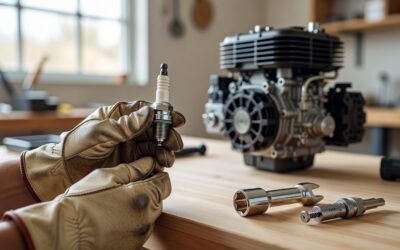
- Engine Cranks But Won’t Fire: This suggests a fuel or ignition issue. Check if the fuel shut-off valve is open, if the spark plug wire is connected, or if the fuel is old and needs replacement.
- Safety Switch Failure: If you are certain all safety conditions are met but the mower still won’t crank, a safety switch may be faulty.
- Professional Service: If you suspect an issue with the starter solenoid, ignition coil, or internal engine components, contact an authorized Husqvarna dealer or a qualified small engine technician. Attempting to bypass safety interlocks is dangerous and not recommended.