How to Drain Gas from a Lawn Mower: Quick Answer
To drain gas from a lawn mower, ensure the engine is cool and work in a well-ventilated area. Locate the fuel drain plug or valve (typically on the underside of the fuel tank or carburetor), position a gas container underneath, and open the drain to let fuel flow out. For mowers without a drain plug, use a siphon pump or carefully disconnect the fuel line. Dispose of old gasoline at a hazardous waste facility or auto parts store, then reconnect components and store the mower with fresh fuel or fuel stabilizer.
Why You Need to Drain Your Lawn Mower’s Gas Tank
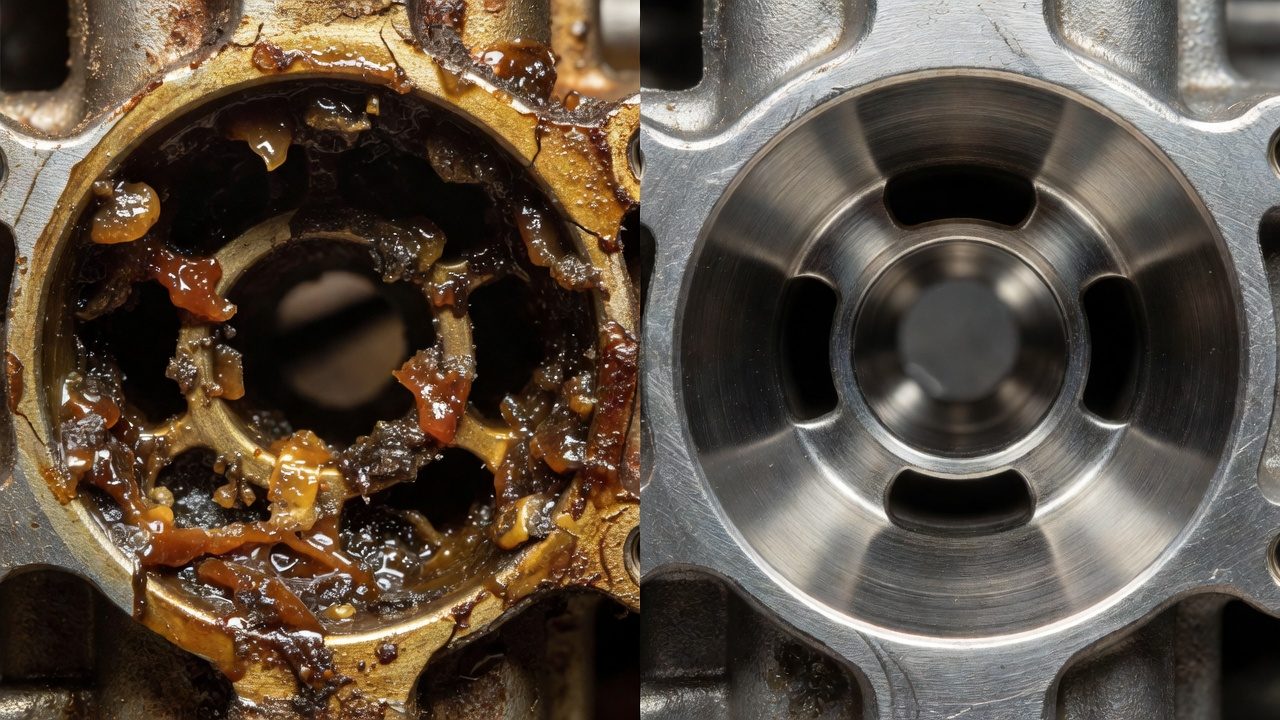
Draining your lawn mower’s fuel tank is essential for seasonal storage and equipment maintenance. Old gasoline left in a mower can gum up the carburetor and fuel lines over winter, causing starting problems and costly repairs when you need to use the mower again in spring. If you’re storing your mower for more than 30 days, draining the tank or adding fuel stabilizer prevents fuel degradation and varnish buildup.
You should also drain the fuel tank when:
- Preparing the mower for winter storage
- Performing carburetor or fuel system repairs
- Replacing fuel lines or the fuel filter
- Using old or stale gasoline that won’t burn cleanly
- Storing the mower for an extended period (more than a month)
Draining is particularly important in cold climates where mowers sit unused for 4-6 months. Fresh fuel and a clean fuel system ensure reliable starting and smooth operation when you’re ready to use your equipment again.
Safety Precautions Before You Start
Working with gasoline requires careful attention to safety. Gasoline is highly flammable, and improper handling can result in fire, explosion, or toxic fume inhalation.
Essential Safety Steps:
- Allow the engine to cool completely. Never drain fuel from a hot mower. Wait at least 30 minutes after the last use to ensure the engine has cooled to room temperature.
- Work in a well-ventilated outdoor area. Never drain fuel indoors, in a garage with the door closed, or in any enclosed space. Gasoline vapors are toxic and can accumulate in enclosed areas.
- Wear safety glasses and nitrile gloves. Protect your eyes from splashing fuel and your skin from prolonged contact with gasoline.
- Avoid open flames and sparks. Do not smoke, use power tools, or work near any ignition source while handling gasoline.
- Use a proper fuel container. Only use approved gasoline cans marked for fuel storage. Never use plastic bags, drinking containers, or improvised vessels.
- Check the manual for your mower model. Different mowers have different fuel system designs. Refer to your manufacturer’s manual for specific drain location and procedures.
Locating the Fuel Drain Plug or Valve
The location of the fuel drain plug varies depending on your mower type. Most residential lawn mowers have one of three fuel drainage options:
Walk-Behind Mowers: The fuel drain plug or valve is typically located on the underside of the fuel tank, which sits above or behind the engine. You may need to tilt the mower or access it from below to reach the drain plug.
Riding Mowers: The fuel tank is usually mounted on the frame beneath or beside the operator seat. The drain plug may be on the bottom of the tank or on the fuel line near the carburetor.
Zero-Turn Mowers: These models often have the fuel tank positioned along the side of the mower frame. The drain valve is typically accessed from underneath or from the side of the frame.
Mowers Without a Drain Plug: Some older or budget mowers don’t have a dedicated drain plug. In these cases, you’ll need to use a siphon pump (available at auto parts stores) to remove fuel through the fuel line, or carefully disconnect the fuel line from the carburetor and let fuel drain into a container.
Consult your owner’s manual if you’re unsure where to find the drain plug on your specific model. Many manuals include a diagram showing the fuel system components and drain location.
Step-by-Step Draining Process
Step 1: Prepare Your Work Area
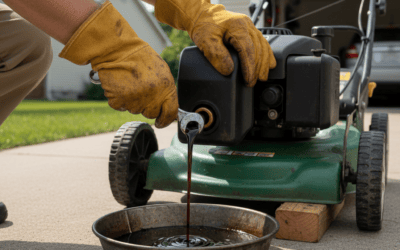
Set up in a well-ventilated outdoor location away from buildings, windows, and doors. Place a large, absorbent cloth or tarp underneath the mower to catch any spilled fuel. Have your approved fuel container ready and positioned close to the drain location.
Step 2: Locate and Inspect the Drain Plug or Valve
Once you’ve found the fuel drain plug or valve (based on your mower type and manual), examine it closely. Some drain plugs are simple bolts that unscrew; others are lever-style valves that open with a quarter-turn. Identify which type you have before proceeding.
Step 3: Position the Fuel Container
Place your approved fuel container directly beneath the drain plug or valve. Position it close enough to catch all the fuel but far enough away that you have room to work. If using a container with a narrow opening, consider using a small funnel to direct fuel into it and prevent spillage.
Step 4: Open the Drain Plug or Valve
Slowly open the drain plug or turn the valve counterclockwise. If the plug is stuck, apply penetrating oil (like WD-40) and wait 10-15 minutes before trying again. Avoid forcing the plug, as overtightening can strip the threads or crack the fuel tank. Fuel will begin flowing into the container once the drain is open.
Step 5: Allow Complete Drainage
Let the fuel flow until it stops dripping. This typically takes 5-15 minutes depending on how much fuel is in the tank. Be patient and avoid rushing this step. Some fuel may remain in the carburetor and fuel lines even after the tank is empty.
Step 6: Close the Drain and Clean Up
Once drainage is complete, close the drain plug or valve by turning it clockwise. Ensure it’s snug but not over-tightened. Wipe up any spilled fuel with your absorbent cloth or tarp, and dispose of the cloth as hazardous waste if it’s saturated with fuel.
If Fuel Won’t Drain: If the fuel isn’t flowing even though the valve is open, the drain hole may be clogged. Try gently tapping the drain area with a rubber mallet to dislodge debris. If this doesn’t work, you may need to remove the fuel line and drain manually, or consult a small engine repair specialist.
Proper Gas Disposal and Container Requirements
Old gasoline cannot be poured down the drain, onto the ground, or into storm sewers. Improper disposal contaminates groundwater and harms the environment. Gasoline must be disposed of responsibly at designated facilities.
Approved Disposal Methods:
- Hazardous Waste Facilities: Most municipalities operate hazardous waste collection centers that accept old gasoline for free or a small fee. Contact your local solid waste management department to find the nearest facility and operating hours.
- Auto Parts Stores: Many major auto parts retailers (such as AutoZone, O’Reilly Auto, and Advance Auto Parts) accept old gasoline in approved containers at no charge. Call ahead to confirm they accept fuel from lawn equipment.
- Service Stations: Some gas stations accept old gasoline, though policies vary. Call ahead before visiting.
- Municipal Waste Events: Many communities host special collection days for hazardous household waste. Check your local government website for upcoming collection events.
Container Requirements:
- Use only an approved metal or plastic fuel storage container marked for gasoline.
- Never use glass bottles, food containers, or unmarked vessels.
- Containers should be clean and dry before filling.
- Ensure the container has a tight-fitting lid to prevent spills and vapor loss.
- Label the container clearly as “Old Gasoline” or “Used Fuel” to avoid confusion.
- Store the container in a cool, well-ventilated area away from heat sources and direct sunlight.
Can You Reuse Drained Gasoline? Old gasoline that has been stored for several months may contain water, sediment, or varnish that can damage your engine. It’s best to dispose of old fuel and use fresh gasoline. However, if the fuel is less than 30 days old and has been stored in a clean container in a cool location, it may be safe to use in another piece of equipment. Inspect the fuel for discoloration, cloudiness, or a strong acetone smell—signs of degradation. When in doubt, dispose of it properly.
Post-Drain Maintenance and Storage
After draining the fuel, your mower requires a few finishing steps to prepare it for storage and ensure it starts reliably when needed again.
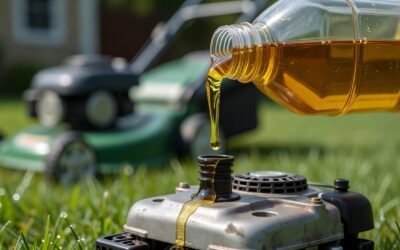
Running the Engine with Fresh Fuel: If you’re storing the mower for winter, add fresh gasoline (preferably with fuel stabilizer) and run the engine for 5-10 minutes. This helps clear the carburetor and fuel lines of any remaining old fuel residue. However, if you’ve drained the fuel specifically for a repair or carburetor cleaning, skip this step until you’ve completed the work.
Using Fuel Stabilizer: Fuel stabilizer is a chemical additive that slows gasoline oxidation and prevents varnish buildup. If you’re storing your mower for longer than 30 days, add fuel stabilizer to fresh gasoline at the ratio specified on the stabilizer bottle (typically one ounce per gallon). Fuel stabilizer can extend the usable life of gasoline stored for seasonal equipment from a few weeks to several months.
Carburetor Draining for Extended Storage: For mowers being stored for 3 months or longer, consider draining the carburetor as well as the fuel tank. This prevents varnish from clogging the carburetor’s small passages. Consult your manual for the carburetor drain location, or use the same process as the fuel tank drain.
Storage Tips:
- Store the mower in a clean, dry location protected from weather.
- Cover the mower with a breathable tarp to keep dust and debris out while allowing air circulation.
- Keep the mower away from open flames, heaters, and direct sunlight.
- Check the fuel level before starting the mower in spring. If the fuel smells bad or looks cloudy, drain and replace it with fresh gasoline.
- If you added fuel stabilizer, you can run the existing fuel the next season without draining again.
Frequently Asked Questions
How often should you drain a lawn mower’s gas tank?
You only need to drain your lawn mower’s gas tank when preparing it for storage (typically before winter), performing fuel system repairs, or if the fuel has been sitting unused for more than 30 days. If you use the mower regularly during the mowing season, draining isn’t necessary. However, adding fuel stabilizer to stored fuel prevents degradation and varnish buildup, so draining may not be required if you plan to store for just a few weeks.
What happens if you don’t drain gas from a lawn mower before winter?
If you leave gasoline in a mower over winter, several problems can occur. Old fuel can oxidize and gum up, leaving sticky varnish deposits in the carburetor, fuel lines, and injectors. This varnish buildup can clog fuel passages and prevent fuel from reaching the engine, making the mower difficult or impossible to start in spring. You may need expensive carburetor cleaning or replacement. Additionally, water can condense in the fuel tank during temperature fluctuations, leading to rust and fuel contamination. Using fuel stabilizer or draining the tank prevents these issues.
Can you start a lawn mower after draining the fuel tank?
No, you cannot start a lawn mower with an empty fuel tank. After draining, the mower needs fresh gasoline to run. If you’re storing the mower, add fresh fuel with fuel stabilizer and run the engine briefly to clear the fuel lines and carburetor. If you’re performing maintenance, wait until any repairs are complete before refueling and attempting to start the engine.
Is it safe to siphon gasoline from a lawn mower by mouth?
No, never siphon gasoline by mouth. Gasoline is toxic when ingested and can cause serious health effects, including chemical burns to your mouth and throat, internal organ damage, and even death. Always use a mechanical siphon pump (available at auto parts stores for $10-20) or disconnect the fuel line and allow fuel to drain into a container by gravity. Siphon pumps are designed specifically for safely transferring fuel without mouth contact.
Conclusion
Draining gas from your lawn mower is a straightforward process that protects your equipment and ensures reliable operation year after year. By following these steps—preparing your work area, locating the drain, allowing complete drainage, and disposing of old fuel responsibly—you can prevent carburetor damage, fuel line clogs, and starting problems caused by stale gasoline. Whether you’re preparing for winter storage or performing maintenance work, proper fuel draining and fresh fuel with stabilizer will keep your mower in excellent condition and ready to use whenever you need it.