Direct Answer: How to Empty a Lawn Mower Gas Tank
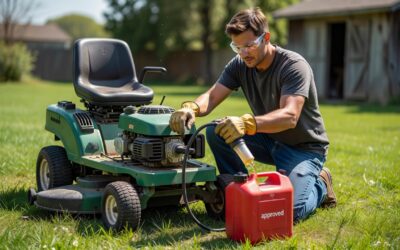
To empty a lawn mower gas tank, turn off the engine and let it cool completely, then work outdoors away from any ignition sources. Use a hand siphon pump to transfer the fuel from the tank into an approved (ANSI/UL-listed) gas container, or—if your walk-behind mower has one—remove the drain plug on the underside of the tank over a catch pan. After draining, run the engine until it stalls to clear residual fuel from the carburetor, and dispose of the old gasoline at a local hazardous waste facility.
Why You Need to Empty Your Lawn Mower Gas Tank
There are three common situations where draining the fuel tank is the right move, and confirming yours before you start will save you time.
Winter Storage
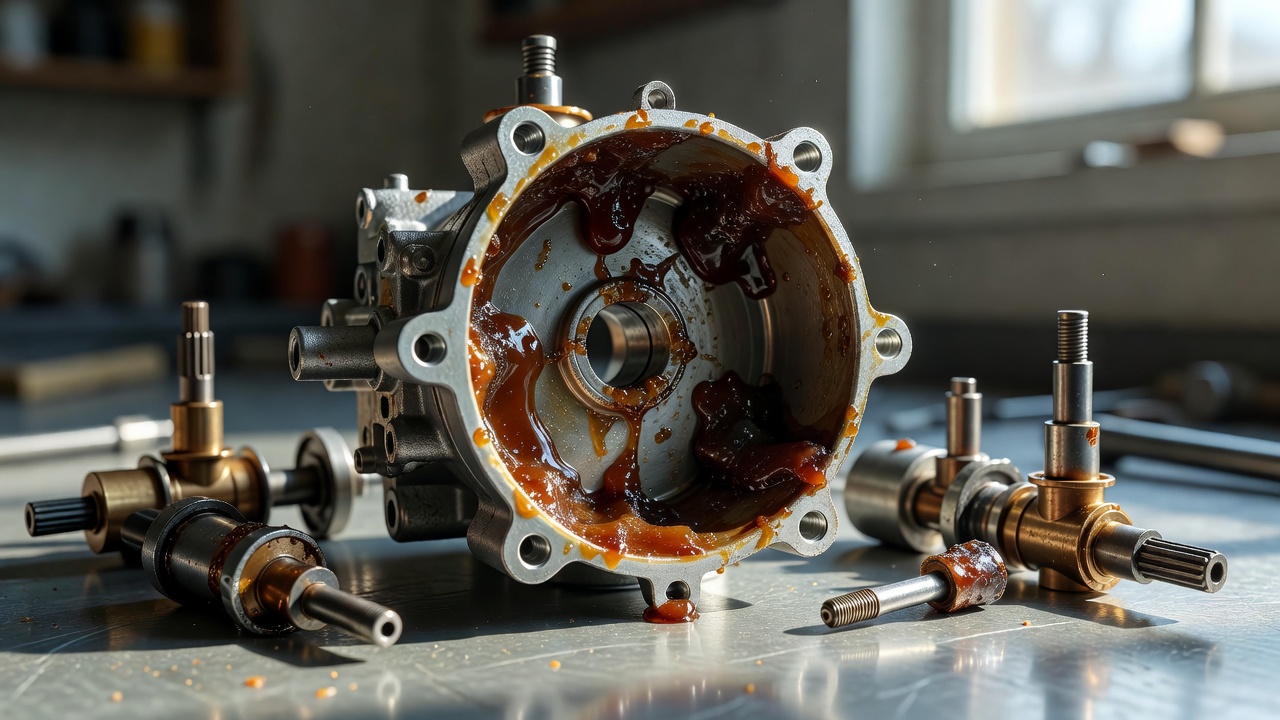
Gasoline left sitting in a mower over the winter can break down and leave sticky deposits, or varnish, inside the carburetor. Come spring, the mower may sputter, refuse to start, or run poorly. Emptying the tank before storage prevents this headache and makes your first spring start much easier.
Maintenance or Repair
If you are replacing the carburetor, fuel lines, fuel filter, or taking the mower in for service, a full tank is a safety hazard and a mess waiting to happen. Most repair shops ask you to drain the fuel before dropping off the machine, and many will refuse a mower with a full tank.
Stale or Contaminated Fuel
Gasoline that has sat for months, or fuel contaminated with water or debris, should be removed rather than burned. Old fuel is a common cause of hard starting and rough idling, and running it through the engine can accelerate carburetor wear.
Safety Precautions Before You Start
Gasoline is highly flammable, and its vapors are heavier than air, meaning they sink and accumulate at ground level where they can be ignited by a stray spark. A few minutes of preparation will keep the job safe.
- Work outdoors: Drain the tank in an open, well-ventilated area, well away from the house, garage, or any structure.
- No ignition sources: Keep the mower and fuel containers far from pilot lights, water heaters, furnaces, power tools, and anything that can spark. Do not smoke anywhere near the work area.
- Cool engine: Let the engine sit for at least 30 minutes after running. Hot engine surfaces and exhaust can ignite fuel vapors.
- Wear protection: Use nitrile or chemical-resistant gloves and safety glasses. Gasoline can irritate skin and eyes, and it can damage painted surfaces and plastic.
- Use approved containers: Only transfer fuel into a portable gas can that is ANSI/UL-listed for gasoline. Never use glass jars, milk jugs, or random plastic bottles—they can melt, leak, or build up static.
- Keep a rag handy: Small spills happen. Have shop rags or absorbent material ready, and clean up any drips immediately.
What You’ll Need: Tools and Supplies
Gather everything before you start so the process is not interrupted. Most of these items are inexpensive and available at hardware stores, auto parts stores, or online.
| Item | Purpose |
|---|---|
| Hand siphon pump | Transfers fuel from the tank to the container without tipping the mower. A simple squeeze-bulb siphon costs a few dollars and works on both walk-behind and riding mowers. |
| Approved fuel container (ANSI/UL-listed) | Holds the drained gasoline safely. Use a container rated for gasoline, never a makeshift jug. |
| Drain pan or wide catch basin | Catches fuel if you use the drain plug method on a walk-behind mower. |
| Nitrile gloves and safety glasses | Protect your skin and eyes from fuel contact. |
| Shop rags or absorbent pads | For wiping spills and drips. |
| Funnel (optional) | Helps pour drained fuel into a container without splashing. |
| Fuel stabilizer (optional) | Only needed if you choose the storage alternative covered later in this guide. |
If your mower has a drain plug, you may need a socket or wrench that fits it. Some mowers use a simple plastic knob that requires no tools at all.
How to Empty a Walk-Behind Lawn Mower Gas Tank
Walk-behind (push) mowers are the most common case, and there are two reliable methods. The siphon method works on every mower; the drain plug method is faster when your model has one.
Method 1: Siphon the Gas Out
- Place the mower on a flat, level surface outdoors. Make sure the engine is cold and the ignition is off.
- Remove the gas cap to allow air into the tank. Without venting, the siphon will struggle to pull fuel.
- Insert the siphon hose into the tank, pushing it down until it reaches the bottom.
- Place the other end of the hose into your approved fuel container, keeping the container lower than the tank so gravity helps the flow.
- Pump the siphon bulb or operate the pump until fuel begins flowing. Let it run until the tank is empty or nearly so.
- Lift the hose out of the tank before removing it from the container to avoid dripping fuel.
Method 2: Use the Drain Plug
Many walk-behind mowers have a drain plug on the underside of the fuel tank. Check your owner’s manual to confirm the location and required tool.
- Position a drain pan under the drain plug. If the plug is on the bottom of the tank, you may need to slightly tilt the mower to access it—prop it securely so it cannot tip.
- Remove the gas cap to vent the tank and speed up the flow.
- Unscrew the drain plug slowly. Fuel will begin to flow immediately, so keep the pan positioned correctly.
- Let the tank drain completely, then replace and tighten the plug. Wipe up any drips.
Can You Tip a Walk-Behind Mower to Drain It?
Tipping the mower to pour fuel out of the filler neck is possible but risky. Fuel can spill onto the engine, air filter, and exhaust, and tipping can leak oil from the crankcase into the air filter on some models. If you must tilt the mower, do it only slightly, tip it away from the air filter and carburetor side, and have a wide catch pan underneath. The siphon and drain plug methods are safer and cleaner.
Run the Carburetor Dry
Draining the tank does not empty the carburetor bowl, which still holds a small amount of fuel. After the tank is empty, start the engine and let it idle until it runs out of gas and stalls on its own. This clears the carburetor and fuel lines, which is exactly what you want for storage or repair.
How to Empty a Riding Lawn Mower Gas Tank
Riding mowers hold several gallons of fuel, so the process is a bit more involved—and more dangerous if rushed. The same safety rules apply: cool engine, outdoor location, no ignition sources, and approved containers.
Method 1: Close the Fuel Shutoff Valve and Siphon
Most riding mowers have a fuel shutoff valve on the fuel line between the tank and the carburetor, often near the fuel filter or under the seat.
- Turn the fuel shutoff valve to the closed position so no fuel flows to the engine.
- Remove the gas cap and insert a siphon hose down into the tank.
- Pump the fuel into an approved container placed below the tank level.
- When the tank is empty, remove the hose and close the gas cap.
Method 2: Disconnect the Fuel Line
If your siphon cannot reach the bottom of the tank, or you want a faster drain, you can disconnect the fuel line at the carburetor end.
- Close the fuel shutoff valve so fuel stops flowing.
- Place a drain pan under the fuel line connection point.
- Loosen the hose clamp and carefully pull the fuel line off the fitting. A small amount of fuel will spill.
- Route the open end of the line into your approved container, then open the fuel shutoff valve to let the tank drain.
- When empty, close the valve, reconnect the line, and tighten the clamp.
Some riding mowers have a drain valve or petcock on the bottom of the tank. If yours does, simply attach a hose to the valve and open it over a container—no siphon needed.
Run the Engine Dry
As with a walk-behind mower, start the engine after draining and let it run until it stalls to clear the carburetor and fuel lines. This is especially important on larger engines where residual fuel can varnish the carburetor over a long storage period.
What to Do With the Drained Gasoline
You cannot simply pour old gasoline on the ground, down a drain, or into the trash. In many jurisdictions, improper disposal of gasoline is illegal under environmental regulations, and it poses a serious fire and groundwater contamination risk.
Take It to a Hazardous Waste Facility
Most municipalities operate household hazardous waste drop-off sites that accept gasoline. Check your city or county waste management website for locations, hours, and any quantity limits. Many facilities accept fuel year-round at no charge.
Blend Slightly Stale Gas Into Fresh Fuel
If the drained gas is only a few months old and still smells like fuel (not sour or varnish-like), you can dispose of it by blending a small amount—about one gallon—into a nearly full tank of fresh gasoline in your car. This dilutes the old fuel enough that it burns safely. Check with your local regulations first, and never dump fuel into a vehicle that is not nearly full.
What Not to Do
- Do not pour it on the ground or gravel. Gasoline soaks into soil and can contaminate groundwater.
- Do not pour it down drains or toilets. It can reach waterways and create an explosion hazard in sewer systems.
- Do not put it in the regular trash. It can ignite in garbage trucks or landfills.
- Do not burn it. Burning old gasoline is extremely dangerous and often illegal.
Using Fuel Stabilizer Instead of Draining (Storage Alternative)
Draining is not the only way to protect your mower over the winter. Fuel stabilizer is a legitimate alternative, and many owners prefer it because it saves time and eliminates the disposal question.
How Fuel Stabilizer Works
Fuel stabilizer is a chemical additive that slows the oxidation and breakdown of gasoline, preventing the gum and varnish deposits that clog carburetors. Stabilizer manufacturers typically claim their products keep fuel fresh for up to 24 months when added at the correct ratio. It is most effective when added to fresh fuel, not fuel that has already begun to degrade.
How to Add It
- Add the recommended dose of stabilizer to the fuel tank, then fill the tank with fresh gasoline. A full tank minimizes air space, which reduces moisture condensation inside the tank.
- Run the engine for about five minutes so the treated fuel reaches the carburetor.
- Store the mower with the fuel shutoff valve closed, if it has one.
Drain or Stabilize: Which Should You Choose?
If your mower will sit for more than a few months, draining is the most foolproof option because no fuel remains to degrade. Stabilizer is a good choice when the mower is used occasionally through the year or stored for a single season. If the fuel is already stale, stabilizer will not restore it—drain and replace it instead.
Troubleshooting: Common Problems When Draining a Lawn Mower Gas Tank
My Mower Has No Drain Plug
Not all mowers have a drain plug. If yours does not, use the siphon method, or disconnect the fuel line at the carburetor on a riding mower. On a walk-behind mower without a plug, the siphon is your best option.
How Do I Remove a Stuck Drain Plug?
If the drain plug will not turn, spray it with penetrating oil and let it sit for a few minutes. Use the correct size socket or wrench and apply steady pressure. Do not force it with pliers, which can round off the plug. If it still will not budge, use the siphon method instead and address the plug later.
Why Is My Siphon Not Pulling Gas?
The most common cause is a missing gas cap—without venting, the siphon creates a vacuum and stops flowing. Make sure the cap is off. Also confirm the hose reaches the bottom of the tank and that the container is positioned lower than the tank. If the bulb is worn or cracked, replace the siphon.
My Mower Still Smells Like Gas After Draining
Residual fuel in the carburetor bowl and fuel lines causes the smell. Run the engine until it stalls to burn off that fuel. Wipe down the tank exterior, and leave the gas cap off for a few hours in a ventilated area so remaining vapors dissipate. If the smell persists, check for a leaking fuel line or a carburetor gasket that needs attention.
Frequently Asked Questions
How long before lawn mower gas goes stale?
Untreated gasoline can begin to degrade in as little as 30 days, and most small-engine manufacturers recommend using fuel within 30 days or treating it with a stabilizer. After about three months, untreated fuel is noticeably less volatile and more likely to cause starting problems.
Can I put old lawn mower gas in my car?
Yes, in small amounts, if the gas is not badly degraded. Add about one gallon of old fuel to a nearly full tank of fresh gasoline in a car engine, which dilutes it enough to burn safely. Do not do this with fuel that smells sour or has visible water or debris—take that to a hazardous waste facility instead.
Should I drain my lawn mower gas tank or use fuel stabilizer for winter?
Draining is the safest and most thorough option for long-term storage because no fuel remains to degrade. Fuel stabilizer is a convenient alternative if you add it to fresh gas and run the engine afterward to circulate the treated fuel. Choose draining for storage longer than a few months or if the existing fuel is already stale.
Is it safe to drain a lawn mower gas tank at home?
Yes, as long as you work outdoors in a well-ventilated area, keep the engine cool, stay away from ignition sources, and use an approved fuel container. Wear gloves and eye protection, and clean up any spills immediately.