How Do You Sharpen a Chainsaw Chain?
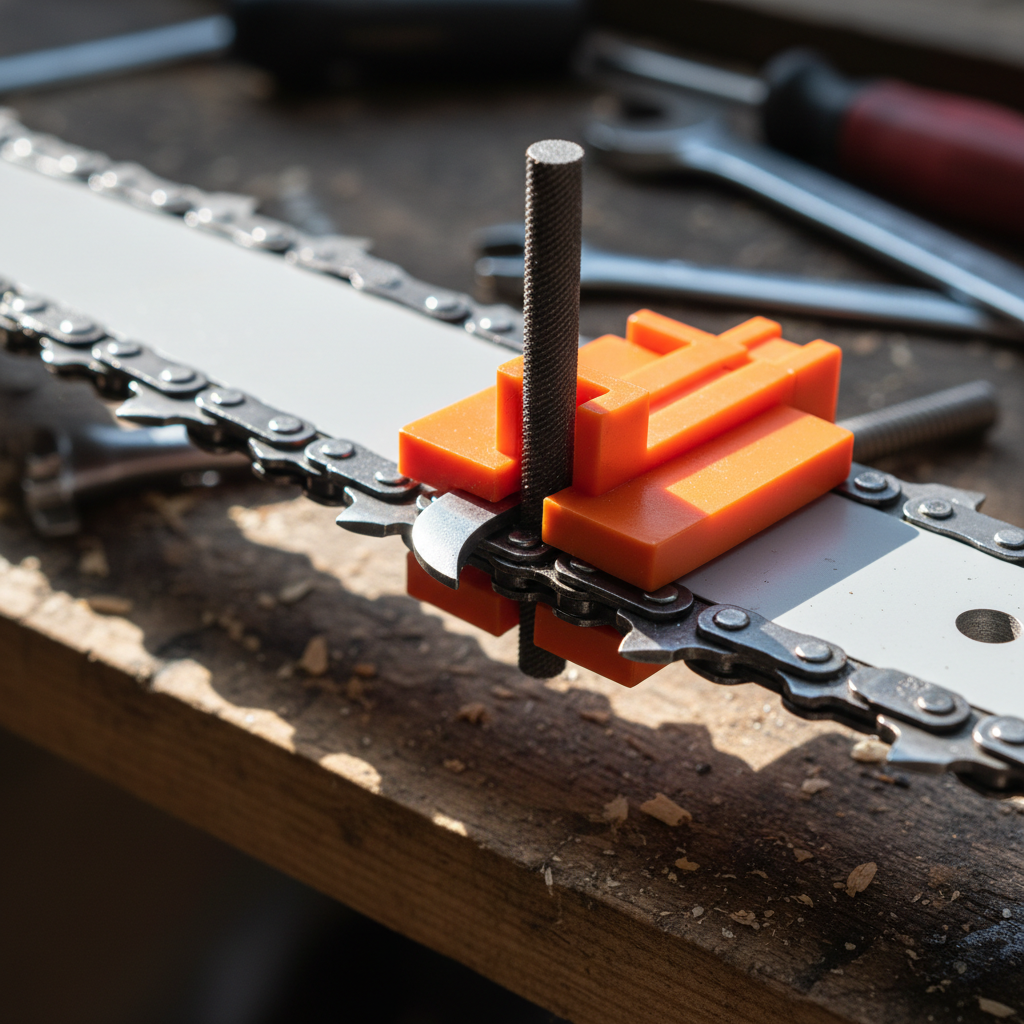
The most common and effective method for sharpening a chainsaw chain is manual filing using a round file and a filing guide. The process involves securing the chainsaw, filing each cutter tooth to the correct angle (typically 30 degrees for cross-cutting), and checking the depth gauge (raker) height. Always wear safety gloves and eye protection. For best results, maintain consistent filing pressure and count strokes to ensure even sharpening across all cutters.
Why Should You Sharpen Your Chainsaw Chain?
A sharp chainsaw chain is fundamental for safe, efficient, and effective cutting. A dull chain forces you to apply excessive pressure, increases fuel consumption, and can lead to dangerous kickback. Signs of a dull chain include the saw producing fine sawdust instead of wood chips, the chain requiring you to lean on the saw to make it cut, and the engine bogging down under load. Sharpening your chain regularly not only improves performance but also extends the life of both the chain and the chainsaw’s engine.
What Tools and Equipment Do You Need for Sharpening?
To manually sharpen a chainsaw chain, you will need the following essential tools:
- Round File: The primary tool for sharpening the cutting edges of the cutter teeth. The file diameter must match the chain’s pitch (e.g., 5/32″ for 3/8″ low-profile chain).
- Filing Guide: A plastic or metal guide that sits on the chain’s cutter tooth and holds the round file at the correct angle and depth. This is crucial for consistency and preventing over-filing.
- Depth Gauge Tool (Raker Gauge): A flat file and guide used to check and adjust the height of the depth gauges (rakers), which control how deep the cutter bites into the wood.
- Chainsaw Vise or Clamp: A device to securely hold the chainsaw bar and chain in place during sharpening, preventing movement.
- Wrench or Scrench: To loosen the bar nuts and tension the chain if needed.
Step-by-Step Guide to Sharpening a Chainsaw Chain Manually
Follow these detailed steps to sharpen your chainsaw chain effectively and safely:
1. Secure the Chainsaw
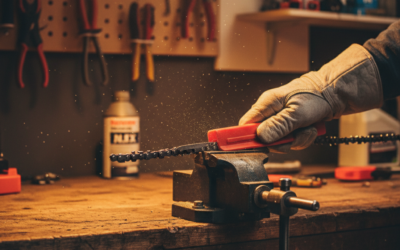
Place the chainsaw in a vise or clamp it securely to a workbench. Engage the chain brake to prevent the chain from moving. Ensure the bar is clean and free of sawdust.
2. Identify the Correct Filing Angle
Look at the cutter tooth. The angle at which you file is critical. For most standard chainsaw chains used for cross-cutting, the recommended filing angle is 30 degrees relative to the bar. The filing guide will have markings to help you align it correctly.
3. File the Cutter Teeth
Place the filing guide on a cutter tooth. Insert the round file into the guide. File each cutter tooth using smooth, consistent strokes, pushing the file forward only (away from you). Count the number of strokes for the first tooth (e.g., 3-4 strokes) and use the same number for every other tooth on the same side to ensure even sharpening. Sharpen all cutters on one side of the chain first, then rotate the chain and repeat for the cutters on the opposite side.
4. Check and Adjust the Depth Gauges (Rakers)
After sharpening the cutters, use the depth gauge tool. Place it over a cutter tooth. The tool will indicate if the depth gauge (the small metal tab in front of each cutter) is too high. If it is, use a flat file to carefully file it down to the level specified by the gauge. This ensures the chain cuts at the proper depth and reduces the risk of kickback.
5. Final Inspection
Once all cutters and depth gauges are addressed, remove the filing guide and inspect the chain. Look for any burrs on the cutter edges and gently remove them with a fine file. Ensure the chain moves freely around the bar and tension it properly before use.
Safety Precautions and Best Practices
Safety is paramount when sharpening a chainsaw. Always wear safety gloves and eye protection. Ensure the chain brake is engaged and the chainsaw is securely clamped. Work in a well-lit area. To maintain consistency, use the same number of file strokes on each cutter and regularly check your work against the filing guide. Avoid over-filing, which can weaken the cutter teeth. If a chain is heavily damaged or worn, consider professional sharpening or chain replacement.
Alternative Sharpening Methods
While manual filing is the most common method, alternatives exist. Electric chain sharpeners are faster but require careful setup to avoid overheating the chain. A bench grinder can be used but is generally not recommended for beginners due to the risk of removing too much material. Professional sharpening services offer expertise and precision, which may be preferable for complex chains or if you lack the tools or confidence.
Frequently Asked Questions
How often should I sharpen my chainsaw chain?
You should sharpen your chain whenever it becomes dull. Signs include producing fine sawdust, requiring excessive force to cut, or the chain pulling to one side. For regular use, this might be after every few tanks of fuel or at the end of each work session.
What is the correct filing angle for a chainsaw chain?
For most standard chainsaw chains used for cross-cutting, the correct filing angle is 30 degrees. This angle is measured relative to the chainsaw bar. Always consult your chain manufacturer’s specifications, as some chains (e.g., for rip-cutting) may use different angles.
Can I use any file to sharpen my chainsaw?
No. You must use a round file with the correct diameter for your chain’s pitch. Using the wrong file size will damage the cutter geometry and result in poor cutting performance. Common sizes include 5/32″ (4.0mm) and 3/16″ (4.8mm).
What is a depth gauge (raker) and why is it important?
The depth gauge, or raker, is the small metal tab located in front of each cutter tooth. It controls how deep the cutter bites into the wood. If the depth gauge is too high, the chain won’t cut effectively. If it’s too low, the chain will bite too aggressively, increasing the risk of kickback and causing rough cuts. Checking and adjusting it is a critical part of chain maintenance.