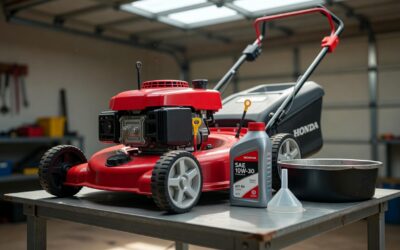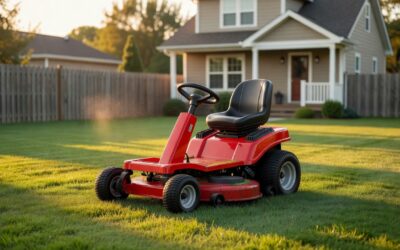
To start a Troy-Bilt walk-behind mower, open the fuel valve, engage the choke (cold engine only), set the throttle to Fast, prime the engine 3–5 times with the primer bulb, hold the bail handle down, then pull the starter cord firmly. For electric-start models, turn the key to Start instead of pulling the cord. For riding mowers, sit in the seat, set the parking brake, disengage the blades, move the throttle to Fast, engage the choke if cold, then turn the ignition key.
Pre-Start Checklist: What to Verify Before Every Start
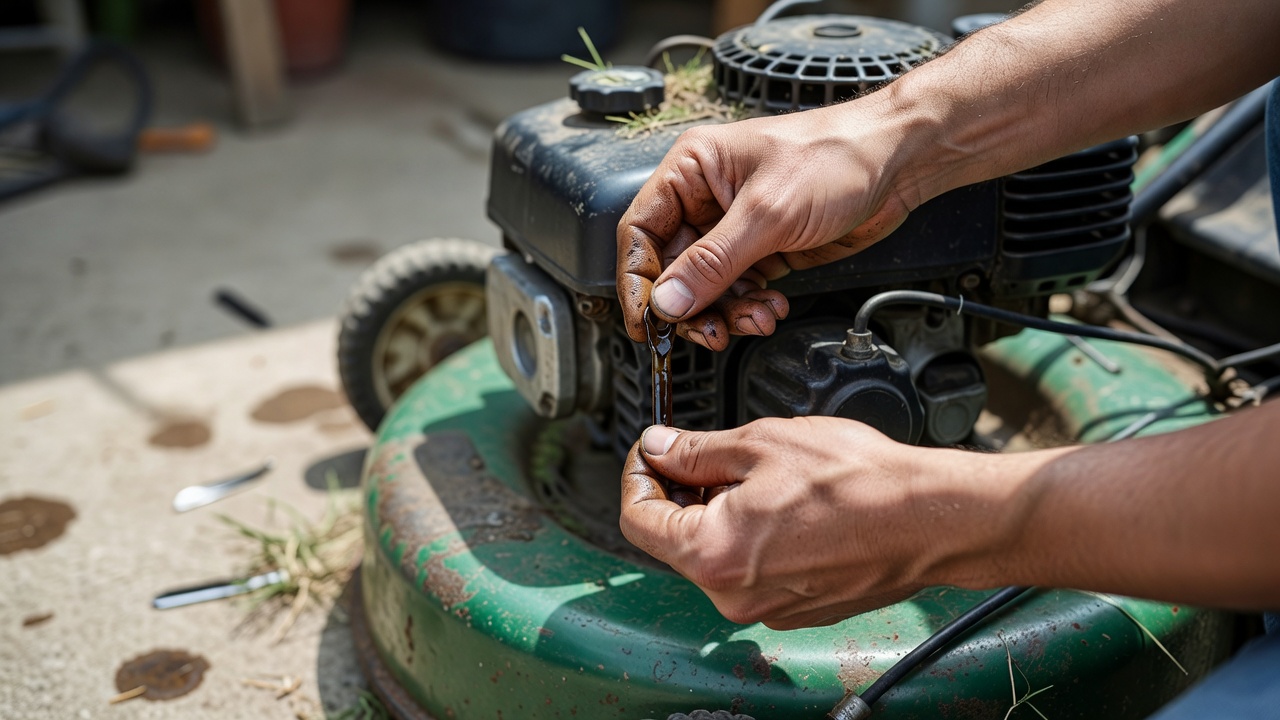
Before attempting to start any Troy-Bilt mower, perform a quick safety and readiness inspection. This routine applies to all mower types and prevents damage, failed starts, and warranty issues.
- Fuel tank: Fill with fresh gasoline—ideally ethanol-free or no more than E10 (10% ethanol blend). Old or high-ethanol fuel can gum up the carburetor and cause hard starts.
- Engine oil: Check the dipstick and top up if needed. Running a mower with low oil can damage the engine and may trigger an automatic shutoff on newer models.
- Air filter: Ensure it is clean and seated properly. A clogged filter restricts airflow and makes the engine hard to start.
- Fuel valve: Locate the petcock (fuel valve) near the base of the tank and confirm it is in the Open position. A closed valve prevents fuel from reaching the carburetor.
- Spark plug: Verify the wire is connected and check for heavy fouling or corrosion on the plug. A faulty plug will not ignite fuel.
- Mower deck: Clear any grass, debris, or obstructions from the blade area. Never start a mower with an obstruction or person near the blades.
How to Start a Troy-Bilt Walk-Behind Push Mower (Pull-Start)
Most Troy-Bilt walk-behind models, including the TB110 and TB130, use a recoil (pull-cord) starter with a manual choke and primer bulb. Follow these steps for a cold start (engine has not run recently or overnight):
- Engage the choke: Locate the choke lever on the side or top of the engine housing. Move it to the Choke or Cold position. This restricts airflow to enrich the fuel mixture for easier ignition.
- Set the throttle: Move the throttle lever to the Fast position (usually marked with a rabbit icon).
- Prime the engine: Press the primer bulb (a rubber button near the carburetor) 3 to 5 times. Each press forces a small amount of fuel into the carburetor. You should feel resistance as you press.
- Hold the bail handle: The bail handle (or operator presence control) is the lever on the mower’s handle that you squeeze toward the grip. Hold it down firmly with your left hand; the engine will shut off if you release it.
- Pull the starter cord: Grip the handle of the recoil cord with your right hand. Pull it sharply and steadily—do not yank it aggressively or let it snap back uncontrolled, as this can damage the starter mechanism. The engine should fire within 1–3 pulls.
- Disengage the choke: Once the engine starts and runs for a few seconds, move the choke lever to the Run or Open position. If you leave the choke on, the engine will stall or overheat.
Warm restart: If the engine is still warm from recent use, skip the choke engagement and primer bulb presses. Simply set the throttle to Fast, hold the bail handle, and pull the cord once or twice. The carburetor will already contain fuel.
How to Start a Troy-Bilt Walk-Behind Mower with Electric Start
Some Troy-Bilt walk-behind models feature an electric-start system powered by an onboard battery. This eliminates the need to pull a cord but requires the battery to be charged.
- Check battery charge: Look for a charge indicator on the mower or refer to the manual. Most systems use a 12-volt battery. If the battery is dead, the starter motor will not turn over.
- Engage the choke (cold start only): If the engine is cold, move the choke lever to the Choke position.
- Set the throttle: Move the throttle to Fast.
- Prime the engine (if equipped): Press the primer bulb 3–5 times if your model has one.
- Hold the bail handle: Press and hold the operator presence control on the handle.
- Turn the ignition key: Insert the key and turn it to the Start position. Hold it for up to 3 seconds while the starter engages. Release when the engine fires.
- Disengage the choke: Once running, move the choke to Run.
If the battery is dead: Many electric-start Troy-Bilt mowers also include a pull-cord backup starter. Follow the pull-start procedure above, using the recoil cord as an alternative.
How to Start a Troy-Bilt Riding Mower or Lawn Tractor
Troy-Bilt riding mowers, such as the Pony and Super Bronc models, have a more complex starting sequence because they include safety interlocks that prevent the engine from cranking unless certain conditions are met.
- Sit in the operator seat: The seat contains a switch that must be activated for the ignition to function.
- Set the parking brake: Engage the parking brake lever or pedal. The mower will not start if the brake is not set.
- Disengage the blade: Move the blade engagement lever (often labeled Blade Engage or Deck On/Off) to the Off or Neutral position. The cutting deck must not be spinning during startup.
- Engage the choke (cold start only): Move the choke lever to the Choke position if the engine is cold. Disengage (set to Run) for warm restarts.
- Set the throttle: Move the throttle control to the Fast or Start position (consult your manual for the specific symbol).
- Turn the ignition key: Insert the key and turn it to the Start position. The starter motor will engage and crank the engine. Hold for up to 3 seconds.
- Release the key: As soon as the engine fires, release the key to the Run position. Let the engine warm up for 30 seconds before engaging the blade.
If the riding mower cranks but does not fire, stop and wait 10 seconds before trying again. Repeated starter cranking can drain the battery or overheat the starter motor.
Troy-Bilt Mower Won’t Start: Fault Diagnosis
If your Troy-Bilt mower does not start after following the correct procedure, use this table to identify and address the likely cause:
| Symptom | Likely Cause | Solution |
|---|---|---|
| Engine cranks but won’t fire | No spark, flooded engine, or fuel not reaching the spark plug | Check spark plug for fouling or a gap too wide. If fouled, clean or replace it. If flooded (smells of raw gas), wait 5 minutes, ensure choke is off, and try again. Check that fuel valve is open. |
| Starter cord is hard to pull or won’t budge | Engine may be seized or the recoil mechanism is jammed | Do not force the cord. Check for debris in the spark plug hole or around the blade. If seized, the engine may require professional service. |
| Engine starts but stalls immediately | Choke is still engaged or carburetor is flooded | Verify the choke lever is fully disengaged (Run position). If it stalls repeatedly, allow 10 minutes for the carburetor to drain and try again with the choke slightly engaged. |
| No spark from spark plug | Wet or fouled plug, loose wire, or faulty ignition coil | Remove the spark plug and inspect for wet carbon or heavy fouling. Dry or replace if needed. Reconnect the wire firmly. If still no spark, the ignition coil may be defective. |
| Primer bulb feels mushy or does not inject fuel | Primer bulb is cracked or the fuel lines are clogged | Inspect the bulb for cracks and replace if damaged. If the bulb is intact but no fuel is drawn, the fuel filter or intake line may be clogged; clean or replace the filter. |
| Fuel tank is full but engine won’t start | Stale or contaminated fuel, especially after winter storage | Drain the old fuel into a safe container. Refill with fresh, high-quality gasoline (E10 or ethanol-free). Prime the carburetor by pressing the primer bulb 5–7 times before attempting to start. |
| Electric-start mower does not crank at all (no sound) | Battery is dead, safety interlock not engaged, or loose battery terminal | Verify you are sitting in the seat and the parking brake is set. Check battery terminals for corrosion and tighten if loose. Charge or replace the battery if it is dead. |
| Riding mower cranks but will not turn over | Blade engagement lever is not fully disengaged or seat switch is not fully depressed | Double-check that the blade engagement control is in the Off position and you are sitting firmly in the operator seat. Try the start sequence again. |
Seasonal Storage and Spring Start-Up Tips
Seasonal restarts—especially in spring after winter storage—are a common point of failure. Proper storage and preparation prevent hard starts and engine damage.
- Before winter storage: Run the mower for 5–10 minutes to warm the engine. Then either drain the fuel tank completely (the safest option) or add a fuel stabilizer to prevent gum and varnish buildup in the carburetor. If using stabilizer, run the engine for another 2–3 minutes to circulate it through the fuel system.
- Spring preparation: If you drained the fuel, refill with fresh gasoline. If you used stabilizer, top up the fuel tank with fresh gas (stabilizer mixes with the old fuel). Change the engine oil if it has been sitting for more than a few months—stale oil can thicken and resist flow in cold weather.
- Carburetor priming: After storage, press the primer bulb 7–10 times (more than for a routine start) to push stale fuel out of the lines and ensure fresh fuel reaches the carburetor.
- Spark plug inspection: Remove the spark plug and visually inspect it. If it is heavily fouled or the gap looks too wide, replace it. A fresh spark plug significantly improves cold-start reliability.
- Air filter check: A clogged air filter is a common culprit in poor spring starts. Clean or replace the filter if it looks dirty or discolored.
When to Seek Professional Help
If your Troy-Bilt mower still will not start after you have completed the troubleshooting steps above, or if you are uncomfortable performing any maintenance, consult a qualified small-engine mechanic or authorized Troy-Bilt service center. Professional diagnosis can identify internal engine problems, ignition coil failure, or carburetor damage that require specialized equipment and expertise. Always refer to your mower’s operator manual for model-specific guidance and safety warnings before attempting any maintenance.